



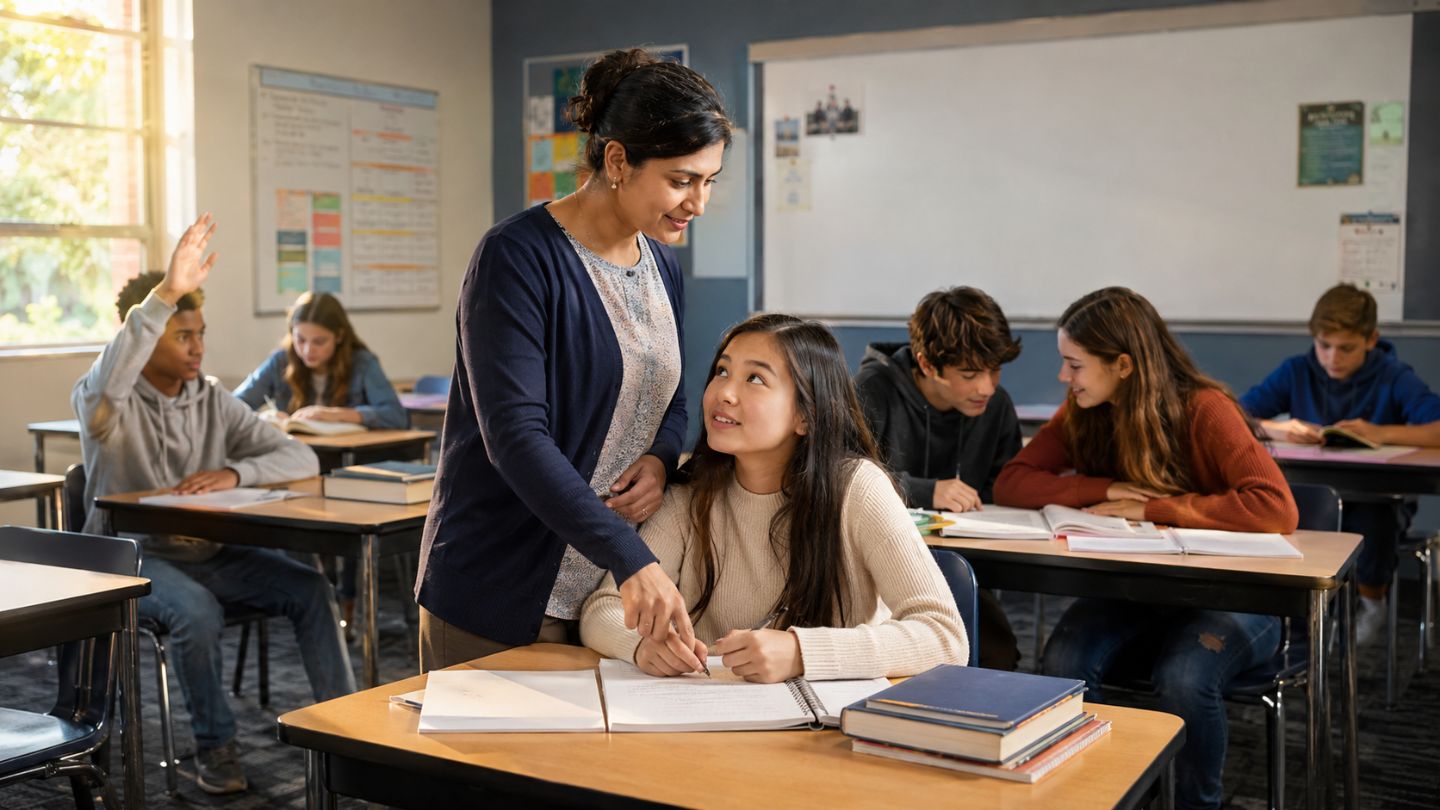
Teacher-student relationships affect how students learn, ask questions, receive feedback, behave in class, and feel about school. A positive relationship can support motivation and confidence, while a poor relationship can create fear, distance, low participation, or conflict.
A teacher-student relationship is the professional connection between a teacher and a learner. It includes trust, fairness, communication, classroom expectations, feedback, emotional safety, discipline, and professional boundaries. A good relationship is not favoritism, over-familiarity, or constant friendliness. It is a respectful learning relationship where students feel safe to participate and teachers keep support fair and appropriate.
The Australian Education Research Organisation describes positive teacher-student relationships as supportive and fair, developing in learning environments where students feel safe, understood, and appreciated. AERO also connects trust with structure, predictability, routines, consistency, and high expectations. The American Psychological Association states that improving students’ relationships with teachers has positive and long-lasting implications for students’ academic and social development.
Answer Summary:
Teacher-student relationships can affect learning, motivation, classroom behavior, confidence, communication, and wellbeing. Positive relationships support trust, participation, feedback, and school belonging. Poor relationships can reduce motivation, increase conflict, weaken confidence, and make students feel unsafe or unfairly treated. The healthiest relationships combine care, fairness, clear expectations, respectful correction, and professional boundaries.
Table of Content
- What Is a Teacher-Student Relationship?
- Positive Effects of Teacher-Student Relationships
- Negative Effects of Poor Teacher-Student Relationships
- Positive vs Negative Effects: Comparison Table
- How Teacher-Student Relationships Affect Academic Performance
- How Teacher-Student Relationships Affect Student Wellbeing
- Signs of a Healthy Teacher-Student Relationship
- Signs of an Unhealthy Teacher-Student Relationship
- How Teachers Can Build Positive Relationships
- What Students and Parents Can Do
- Conclusion
Key Takeaways:
-
Positive relationships can support engagement, motivation, confidence, and classroom behavior.
-
Poor relationships can lead to fear, withdrawal, conflict, and lower academic confidence.
-
Fairness matters because favoritism can damage trust across the classroom.
-
Professional boundaries protect students and teachers.
-
Good relationships do not replace teaching quality, curriculum, family support, or school resources.
-
Strong classroom relationships combine warmth, structure, feedback, and respect.
What Is a Teacher-Student Relationship?
A teacher-student relationship is the professional learning connection between a teacher and a student. It shapes how students experience lessons, feedback, discipline, questions, mistakes, and support.
A healthy teacher-student relationship includes:
-
respect between teacher and student;
-
fair treatment across the class;
-
clear rules and routines;
-
useful feedback;
-
encouragement without favoritism;
-
emotional safety during mistakes;
-
appropriate professional boundaries.
This relationship is not only about being friendly. A teacher can be kind and still set limits. A teacher can correct behavior and still protect a student’s dignity. A student can respect a teacher without fearing them.
The quality of this relationship also affects classmates. A meta-analysis in Review of Educational Research explains that teacher-student relationship quality is connected with peer relationships and student behavior, and that how teachers relate to students may shape how peers respond to one another.
Positive Effects of Teacher-Student Relationships
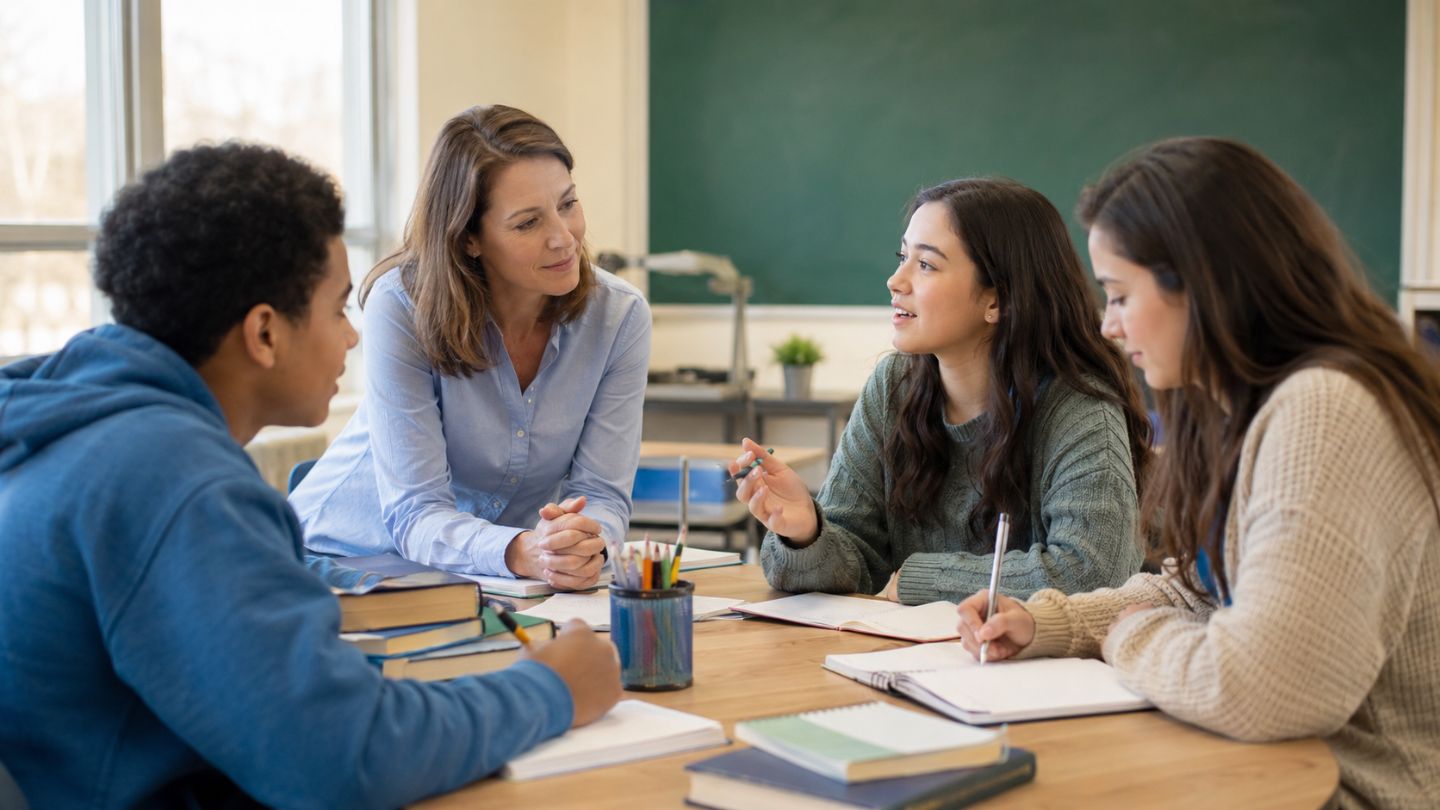
Positive teacher-student relationships can support learning because students are more likely to participate when they feel respected, noticed, and treated fairly. They can also make feedback easier to accept.
Better academic engagement
A positive relationship can help students stay involved in class. Engagement includes listening, asking questions, completing tasks, joining activities, and trying again after mistakes.
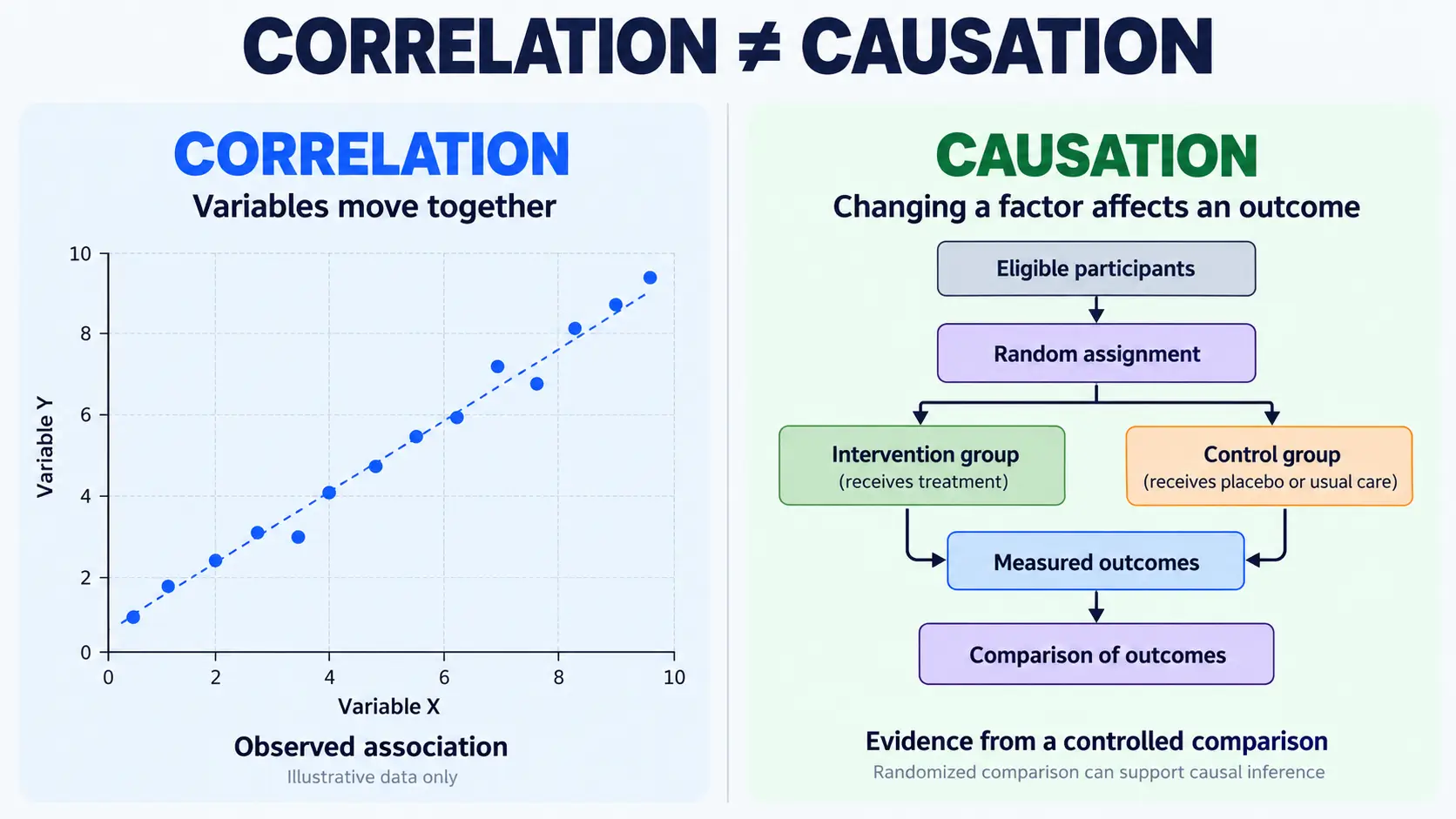
Liu et al. found that teacher-student relationship quality was associated with academic engagement among university students, with perceived social support and academic pressure playing mediating roles. The study also used a cross-sectional design, so it does not prove direct cause and effect.
In class, this can appear as a student asking for clarification instead of staying silent. It can also appear as students joining discussion because they expect respectful responses. For related classroom ideas, Collegenp’s article on student engagement activities in the classroom can support a follow-up internal link.
Higher motivation to learn
Students often feel more motivated when they believe the teacher is fair, supportive, and serious about their learning. Motivation can grow when feedback is specific and improvement feels possible.
For example, a student struggling with science may respond better to “Your explanation is clear, but your example needs more detail” than to “This is wrong.” The first comment gives direction. The second may create discouragement without helping the student improve.
Magro et al. describe social-motivational theory as one way to explain why close, low-conflict teacher-student relationships can support students’ motivation to engage with academic work.
Improved classroom behavior
Positive relationships can support better behavior because students are more likely to accept classroom expectations from a teacher they trust. Respectful correction can reduce conflict and help students return to learning faster.
AERO connects positive teacher-student relationships with classroom management, trust, high expectations, and supportive learning environments. Martinez and Wighting’s ERIC-indexed article examined caring student-teacher relationships and positive behavior support, noting that relationship-building can create a positive classroom environment with fewer discipline disruptions.
Teachers who want a related internal resource can link naturally to Collegenp’s guide on classroom management tips for teachers.
Greater confidence and participation
Students are more likely to speak, ask questions, and try difficult tasks when they feel safe from ridicule. Confidence grows when mistakes are treated as part of learning.
A student who is embarrassed after a wrong answer may stop raising their hand. A student who receives respectful correction may try again. Over time, these small classroom moments shape participation.
This does not mean every student will participate in the same way. Some students show engagement through written responses, careful listening, small-group work, or private questions after class.
Stronger school belonging
Positive teacher-student relationships can help students feel that they belong in class. Belonging matters because students who feel excluded may avoid participation or disconnect from school.
AERO’s practice guide says connecting with students to build trust and positive relationships is instrumental in creating learning environments where students feel safe, respected, and motivated to learn. It also says trust can build a sense of belonging over time.
School belonging is not created by a single teacher alone. Peer relationships, school culture, family support, safety, workload, and student needs also affect how students experience school.
Better communication and feedback
A student who trusts a teacher is more likely to ask for help, admit confusion, and use feedback. This can prevent small misunderstandings from becoming larger learning problems.
Good communication also helps teachers. When students are willing to share confusion, teachers can adjust explanations, examples, or practice tasks. Students looking for a related communication guide can read Collegenp’s article on effective communication with teachers and professors.
Negative Effects of Poor Teacher-Student Relationships
Poor teacher-student relationships can reduce participation, weaken confidence, increase conflict, and make students uncomfortable in class. These effects are stronger when poor treatment becomes repeated or when students feel unfairly targeted.
Reduced motivation and participation
Students may stop trying when they feel ignored, judged, or treated unfairly. Reduced participation can appear as silence, incomplete work, avoidance, lateness, or low effort.
This does not mean the student lacks ability. It may mean the classroom relationship is making learning feel unsafe or pointless.
A careful article should avoid blaming students or teachers too quickly. Poor participation can have many causes, including health, workload, family stress, peer issues, learning gaps, or lack of confidence.
Fear, stress, or discomfort in class
Fear makes learning harder. When students focus on avoiding embarrassment, they have less attention left for the lesson.
The Queensland College of Teachers states that teachers are responsible for establishing and maintaining appropriate professional boundaries with students. Its professional-boundary guidance is designed to help teachers consider the implications of certain behaviors and meet expected standards in relationships with students.
This supports a basic classroom principle: correction should guide learning and behavior without humiliation.
More classroom conflict
A poor relationship can create a cycle of conflict. A student may feel disrespected and respond with resistance. A teacher may then expect more misbehavior from that student, which can lead to harsher reactions.
This cycle can affect the whole class. Other students notice unfairness, sarcasm, or repeated tension. Trust in classroom rules may weaken.
Magro et al. describe teacher-student relationships and children’s social, academic, and behavioral adjustment as dynamic and bidirectional, meaning student adjustment and relationship quality can influence each other over time.
Lower academic confidence
Poor relationships can damage academic confidence when students begin to connect a subject with embarrassment or failure. A student who hears repeated negative comments may stop believing improvement is possible.
Feedback should help students understand what to fix. Harsh or vague criticism often does not give students a clear path forward.
Students also need study habits and feedback routines outside the relationship itself. Collegenp’s article on ways to improve your study habits.
Favoritism and unfair treatment
Favoritism can harm trust in the classroom. Students notice who receives praise, attention, second chances, leadership roles, or discipline.
Fairness does not mean every student receives the same type of support at the same time. Some students need extra help. Fairness means support is based on learning needs and handled in a transparent, professional way.
Favoritism can also harm the favored student by creating peer resentment or dependency. It can harm classmates by making rules and opportunities feel unequal.
Weak professional boundaries
A teacher can care about students while keeping the relationship appropriate and professional. Boundaries protect students from favoritism, secrecy, dependency, and misuse of power.
The Teacher Registration Board of Western Australia says its Teacher-Student Professional Boundaries resource complements teachers’ duty of care, provides information about professional boundaries, raises awareness of issues that may arise, and encourages use alongside codes of conduct.
Professional boundaries are not a lack of care. They help keep care safe, fair, and trustworthy.
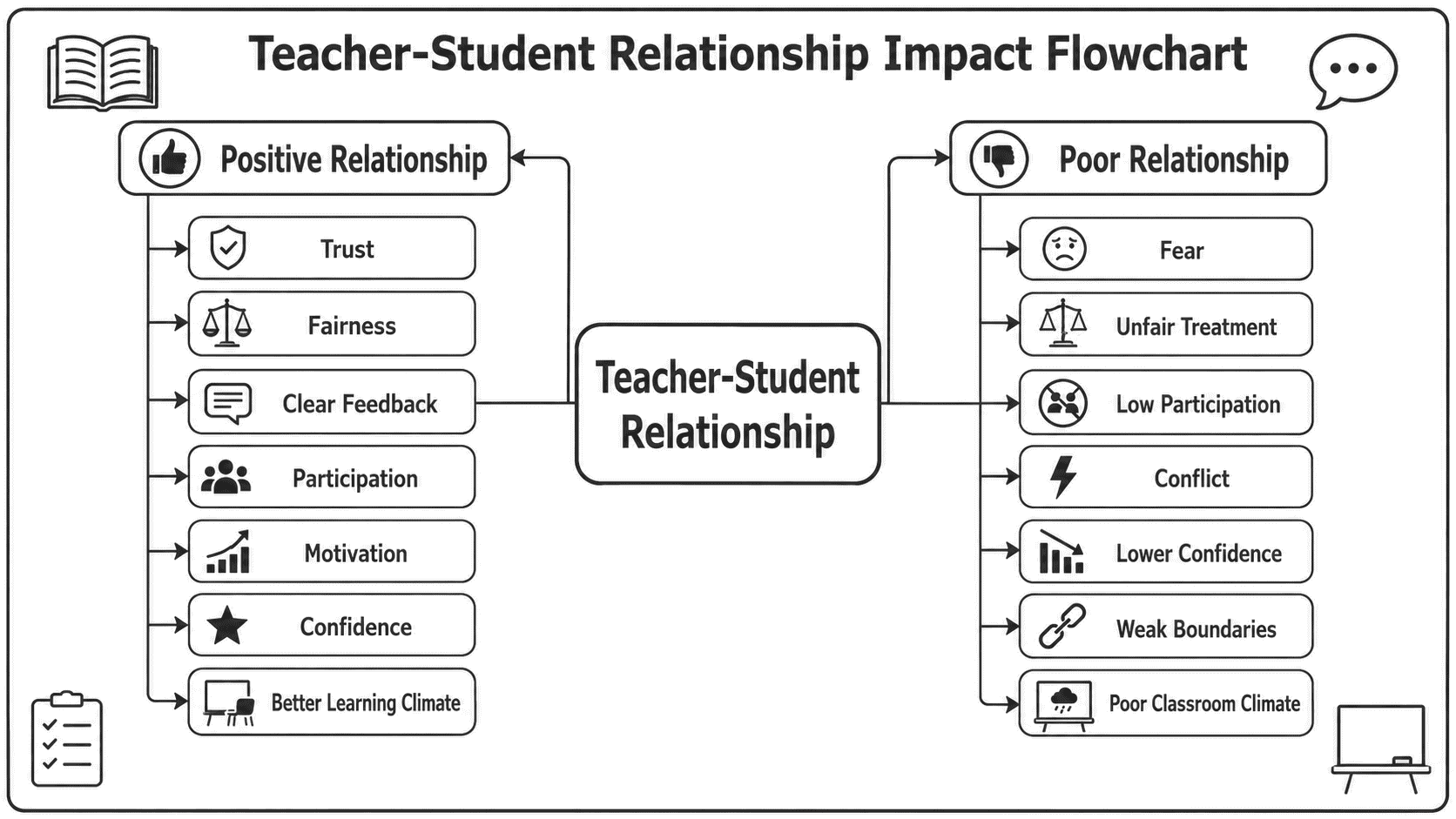
Positive vs Negative Effects: Comparison Table
This table shows how the same classroom area can move in a positive or negative direction depending on relationship quality.
| Area | Positive relationship | Poor relationship |
|---|---|---|
| Learning | Students ask questions and use feedback | Students hide confusion or avoid help |
| Motivation | Students feel effort is noticed | Students may stop trying |
| Behavior | Rules feel fair and predictable | Conflict or resistance may increase |
| Confidence | Mistakes feel manageable | Mistakes feel embarrassing |
| Belonging | Students feel included | Students may feel excluded |
| Feedback | Correction feels useful | Correction feels personal or unfair |
| Boundaries | Support is fair and professional | Support may become unequal or unclear |
How Teacher-Student Relationships Affect Academic Performance
Teacher-student relationships affect academic performance mainly through engagement, help-seeking, feedback, expectations, and classroom climate. They are one influence among many, not the only reason students succeed or struggle.
A student who trusts the teacher is more likely to ask for help before falling behind. A student who receives clear feedback is more likely to know what to improve. A student who believes expectations are fair is more likely to stay engaged.
AERO links positive teacher-student relationships with structure, predictability, consistency, high expectations, modeled behavior, and responses to student needs. Magro et al. found that within-person variations in teacher-student relationship quality were associated with later academic functioning and externalizing symptoms, while student academic and behavioral adjustment also related to later relationship quality.
The limitation is necessary: a supportive relationship cannot replace strong teaching, suitable curriculum, learning materials, family support, peer relationships, or student-specific support needs. It can improve the learning environment, but it is not a single solution for every academic problem.
How Teacher-Student Relationships Affect Student Wellbeing
Teacher-student relationships affect wellbeing by shaping whether students feel safe, respected, and included in class. A positive relationship can support emotional safety, while a poor relationship can add stress or discomfort.
Emotional safety means students can ask questions, make mistakes, and receive correction without humiliation. Belonging means students feel accepted as part of the classroom community.
Saxer et al. examined teacher-student relationships, student-student relationships, and secondary school student wellbeing in Switzerland. The study found that both classroom relationship types were related to student wellbeing, with associations differing across wellbeing dimensions and student factors such as gender, migration background, and socioeconomic status. A 2025 longitudinal study by Saxer and colleagues found no significant associations between some wellbeing indicators and teacher-student closeness, but teacher-student conflict predicted later physical complaints and social problems, showing why conflict should be treated carefully.
Teachers should not act as mental health professionals unless they have that role and training. When wellbeing concerns go beyond classroom support, schools should follow safeguarding, counseling, referral, and parent-contact procedures. A natural internal resource for this section is Collegenp’s guide on how teachers support students mental health.
Signs of a Healthy Teacher-Student Relationship
A healthy teacher-student relationship is respectful, fair, consistent, and focused on learning. It helps students feel supported without creating special treatment or dependency.
Healthy signs include:
-
students can ask questions without fear;
-
correction is respectful and specific;
-
rules are applied consistently;
-
feedback explains what to improve;
-
the teacher listens before judging;
-
students receive fair chances to participate;
-
the teacher maintains professional communication;
-
support is connected to learning and wellbeing within school policy.
A healthy relationship does not mean the teacher avoids discipline. It means discipline is fair, clear, and respectful.
Example of a healthy classroom interaction
A student submits weak work. The teacher says, “Your idea is relevant, but the explanation needs evidence. Add one example and explain how it supports your point.” The student knows what to improve and does not feel personally attacked.
This type of feedback protects dignity while keeping academic expectations clear.
Signs of an Unhealthy Teacher-Student Relationship
An unhealthy relationship creates fear, unfairness, dependency, exclusion, or repeated conflict. These signs need attention because they can affect learning and trust.
Warning signs include:
-
public shaming or repeated embarrassment;
-
harsh comments about a student’s ability or character;
-
fear of asking questions;
-
unequal discipline;
-
favoritism;
-
private or secretive communication outside appropriate channels;
-
special treatment without educational reason;
-
overdependence on one teacher;
-
repeated conflict that is not addressed.
A single difficult day does not define the whole relationship. Repeated patterns matter more. Schools should review patterns fairly, listen to students, and follow professional conduct procedures where needed.
Example of an unhealthy classroom pattern
A teacher repeatedly calls on one student only to criticize them in front of the class. The student stops participating, classmates begin to laugh or avoid working with the student, and the student’s confidence drops. The issue is no longer one correction; it has become a repeated pattern that harms trust.
How Teachers Can Build Positive Relationships
Teachers can build positive relationships through repeated actions that show respect, fairness, and care. The goal is not popularity. The goal is a classroom where students feel safe to learn.
Useful practices include:
-
learn and use students’ names correctly;
-
greet students calmly;
-
explain expectations clearly;
-
keep routines predictable;
-
give specific feedback;
-
praise effort, strategy, and improvement;
-
correct behavior privately when possible;
-
avoid sarcasm and public comparison;
-
ask students what support they need;
-
follow school rules for communication and safeguarding.
AERO’s practice guide says connecting with students to build trust and form positive relationships is instrumental in creating learning environments where students feel safe, respected, and motivated to learn.
A simple relationship check for teachers
Teachers can reflect on four questions:
-
Do students know what is expected in this class?
-
Do students receive correction without humiliation?
-
Do students have fair chances to participate?
-
Does support remain transparent, appropriate, and connected to learning?
If the answer is unclear, the teacher may need to adjust routines, communication, feedback, or support pathways.
What Students and Parents Can Do
Students and parents can respond constructively by focusing on patterns, examples, and communication. The first step is to separate a normal academic challenge from a relationship concern.
Students can:
-
ask for feedback on what to improve;
-
speak respectfully when confused;
-
keep track of repeated concerns;
-
talk to a trusted adult if they feel unsafe or unfairly treated;
-
use school support systems when needed.
Parents can:
-
ask the student for specific examples;
-
contact the teacher calmly for clarification;
-
focus on learning, behavior, and wellbeing rather than blame;
-
follow the school’s communication process;
-
involve school leadership if concerns continue.
A disagreement with a teacher does not automatically mean the relationship is unhealthy. Repeated fear, humiliation, unfairness, or boundary concerns should be taken seriously. Parents who want broader school-context guidance can use Collegenp’s parent guide to understanding school curriculum and programs.
Conclusion
Teacher-student relationships affect learning because classrooms are social spaces. Students learn through questions, feedback, mistakes, routines, expectations, and trust.
Positive relationships can support engagement, motivation, behavior, confidence, communication, and school belonging. Poor relationships can reduce participation, increase conflict, weaken confidence, and make students feel unsafe or unfairly treated.
The strongest teacher-student relationships are warm but professional, supportive but fair, and encouraging but boundaried. They help students learn while protecting trust, dignity, and safety.




Comments 0
No comments yet. Be the first to start the conversation.