



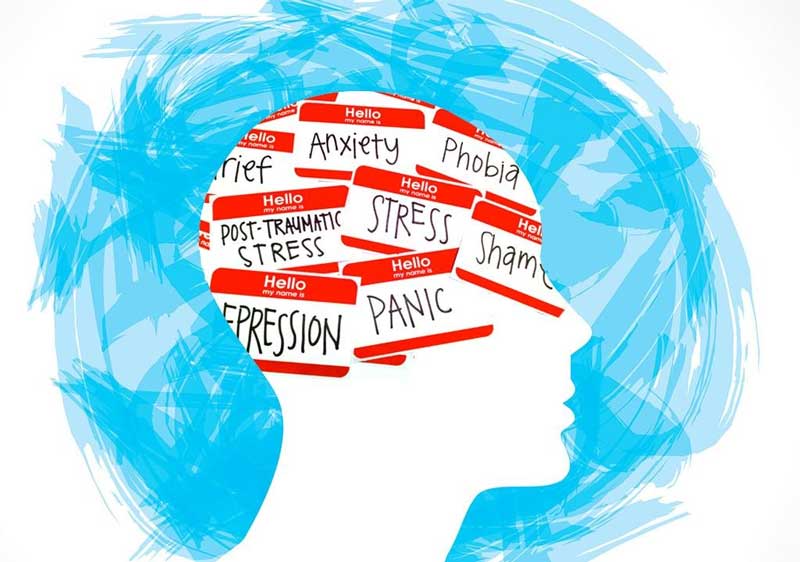
Positive thinking can shape how people approach challenges, respond to setbacks, and work toward their goals. It does not guarantee success or remove real difficulties. Its value lies in helping people focus on possible solutions, maintain effort, and make constructive decisions when outcomes are uncertain.
A healthy positive mindset is grounded in reality. It recognizes problems without treating them as permanent or impossible to manage. When combined with preparation, skill development, support, and consistent action, this mindset can contribute to personal, academic, and professional progress.
Table of Content
- What Is Positive Thinking?
- How Positive Thinking Can Support Success
- Positive Thinking and Resilience
- Positive Thinking and Goal-Setting
- Positive Thinking and Self-Esteem
- Practical Ways to Develop a Positive Mindset
- How Negative Thinking Can Affect Progress
- The Limits of Positive Thinking
- Final Takeaway
What Is Positive Thinking?
Positive thinking is the practice of interpreting experiences in a balanced and constructive way. It involves noticing difficulties while also considering available choices, strengths, lessons, and opportunities for improvement.
A person with a positive mindset does not assume that everything will go well. Instead, they may think:
-
This situation is difficult, but I can decide what to do next.
-
One poor result does not define my ability.
-
I may need a different strategy, more practice, or support.
-
Progress is possible even when it is gradual.
This approach is often described as realistic optimism. It differs from wishful thinking because it connects hope with evidence, planning, and action.
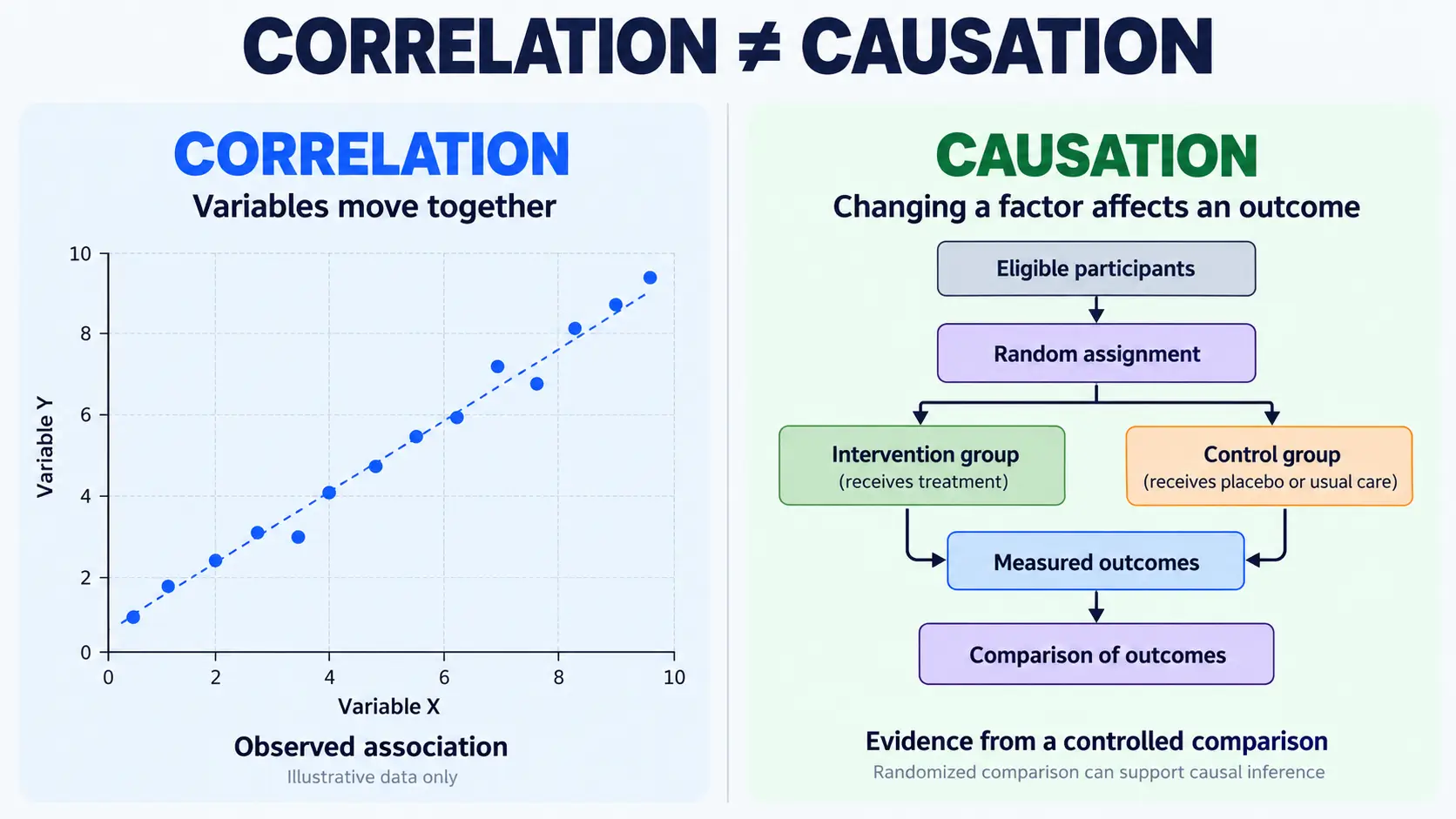
Research has found an association between optimism and some measures of physical health, although the relationship varies across studies and does not prove that positive thinking alone causes better health.
How Positive Thinking Can Support Success
Success depends on many factors, including ability, effort, opportunity, resources, relationships, and circumstances. Mindset is only one part of that picture. However, it can influence how people use the resources and opportunities available to them.
1. It can strengthen motivation
People are more likely to begin and continue a task when they believe improvement is possible. A constructive mindset directs attention toward action rather than helplessness.
For example, instead of saying, “I am not good at this,” a student might say, “I do not understand this yet, so I need more practice or a different explanation.”
That shift does not solve the problem immediately, but it creates a useful starting point. Students interested in this area can also read about using positive thinking for academic success.
2. It can encourage persistence
Setbacks often create frustration and self-doubt. Positive thinking can help people view a setback as information rather than a final judgment.
A rejected application, disappointing result, or unsuccessful project may reveal weaknesses in preparation, timing, communication, or strategy. A constructive response is to examine what happened and decide what can be improved.
Persistence should not mean repeating the same ineffective method indefinitely. It means adjusting the approach when evidence suggests that change is needed.
3. It can support confidence
Confidence affects how people prepare, communicate, and respond under pressure. It can make it easier to ask questions, attempt difficult work, seek feedback, and recover from mistakes.
However, useful confidence is evidence-based. It comes from preparation, experience, skills, and completed actions—not from repeating unrealistic claims.
A meta-analysis of 51 workplace samples found that psychological capital, which includes hope, optimism, resilience, and self-efficacy, was positively associated with desirable employee attitudes, behavior, and performance. Because these qualities were examined together, the findings should not be treated as proof that optimism alone produces success.
For practical guidance, readers may also find these self-confidence strategies useful.
Positive Thinking and Resilience
Resilience is the ability to adapt and continue functioning after difficulty. It does not mean avoiding disappointment or remaining cheerful at all times.
A resilient person may feel upset, worried, or discouraged. The difference lies in how they respond after acknowledging those emotions.
A constructive response may involve:
-
Identifying what went wrong
-
Separating one event from overall self-worth
-
Seeking advice or support
-
Changing the plan
-
Taking the next manageable step
Consider a student who performs poorly on an examination.
An unhelpful response might be:
“I always fail, so there is no point in trying.”
A more balanced response would be:
“This result is disappointing. I need to identify the topics I did not understand and improve my preparation.”
The second response does not deny the result. It uses the result to guide further action. Readers can learn more about building resilience during uncertain or difficult situations.
Positive Thinking and Goal-Setting
Positive expectations are most useful when they are connected to clear goals and practical plans.
Simply imagining success may provide temporary motivation, but it may not be enough to produce progress. A stronger approach is to define the desired result, identify likely obstacles, and decide how to respond to them.
Research on mental contrasting with implementation intentions found that this method had a small-to-medium positive effect on goal attainment across 21 studies. The method combines a desired future outcome with an honest examination of the obstacle and a specific action plan.
A student could apply this method as follows:
Goal: Complete an assignment by Friday.
Obstacle: Frequent phone use during study time.
Plan: When the study session begins, place the phone in another room for 30 minutes.
This is more practical than saying, “I will stay positive and finish everything.” The plan connects optimism with behavior.
Students who need a structured approach can use a SMART goal-setting guide to make goals specific, measurable, achievable, relevant, and time-bound.
Positive Thinking and Self-Esteem
Self-esteem refers to how people evaluate their worth and abilities. Positive thinking may support healthier self-esteem by helping people recognize strengths, progress, and achievements without ignoring weaknesses.
Healthy self-esteem is not based on believing that a person is better than everyone else. It involves accepting that mistakes and limitations do not erase personal value.
A balanced self-view may include statements such as:
-
I have strengths and areas that need improvement.
-
A mistake does not define my entire ability.
-
I can ask for help without feeling ashamed.
-
My progress may be slower than someone else’s, but it still matters.
-
I can learn from feedback without treating it as a personal attack.
Positive self-talk is most useful when it is realistic. “I can prepare carefully” is more believable and actionable than “I will succeed at everything.”
Practical Ways to Develop a Positive Mindset
Examine negative thoughts
A negative thought should not automatically be treated as fact. Pause and ask:
-
What evidence supports this thought?
-
What evidence challenges it?
-
Am I treating one event as a permanent pattern?
-
Is there another reasonable explanation?
-
What action remains within my control?
For example, replace “I am terrible at presentations” with “I became nervous during this presentation, and I need more preparation and practice.”
Focus on controllable actions
People cannot control every result, decision, or circumstance. They can usually control parts of their preparation, effort, communication, and response.
Instead of focusing only on an uncertain outcome, identify the next action:
-
Review one chapter
-
Ask one question
-
Update one section of an application
-
Practise one skill
-
Request feedback
-
Correct one mistake
Small actions can make a difficult goal feel more manageable.
Practise gratitude
Gratitude involves noticing and appreciating meaningful aspects of life, such as support from others, personal progress, available opportunities, or ordinary positive experiences.
A 2025 meta-analysis covering 145 papers found that gratitude interventions produced small overall improvements in well-being. This suggests that gratitude can be a useful supportive practice, but it should not be presented as a solution to every emotional or practical problem.
A simple gratitude exercise is to write down one to three specific things that were helpful or meaningful during the day. The focus should be genuine rather than forced.
Students can also learn how gratitude journaling may support academic well-being.
Keep a record of progress
People often focus on final outcomes and overlook the steps already completed. Recording progress can provide evidence that effort is producing change.
Progress may include:
-
Completing a planned study session
-
Improving a test score
-
Asking for help
-
Submitting an application
-
Practising a difficult skill
-
Responding more calmly to criticism
-
Returning to a task after a setback
These actions matter even when the final goal has not yet been reached.
Choose supportive influences
The people and information around us can affect our thinking. Supportive relationships may encourage responsibility, honest feedback, and persistence.
This does not mean avoiding everyone who raises concerns. Constructive criticism can be valuable. The aim is to distinguish between helpful guidance and repeated discouragement that offers no solution.
Protect basic routines
Sleep, movement, regular meals, manageable schedules, and periods of rest can affect concentration and emotional regulation. Positive thinking becomes harder when a person is consistently exhausted or overwhelmed.
A positive mindset should therefore be supported by realistic routines rather than treated as a substitute for them.
How Negative Thinking Can Affect Progress
Persistent negative thinking can narrow attention and make difficulties appear permanent. It may contribute to avoidance, reduced effort, indecision, or fear of trying something new.
For example, a person who believes failure is certain may:
-
Avoid applying for an opportunity
-
Stop preparing after an early setback
-
Reject useful feedback
-
Compare themselves constantly with others
-
Interpret one mistake as proof of permanent inability
However, not every negative thought is harmful. Concern can draw attention to risk, weak preparation, or possible consequences.
The aim is not to eliminate all negative emotions. It is to use them constructively.
Compare these responses:
Unhelpful: “This could go wrong, so I should not try.”
Constructive: “This could go wrong, so I should understand the risks and prepare carefully.”
Balanced thinking allows caution to improve decisions without allowing fear to control them.
The Limits of Positive Thinking
Positive thinking cannot guarantee academic achievement, employment, financial security, good health, or happiness. Outcomes are affected by social conditions, resources, discrimination, timing, health, family responsibilities, and chance.
It is also important to avoid toxic positivity—the pressure to appear cheerful or ignore legitimate pain, disappointment, or difficulty.
A healthy mindset allows people to say:
-
This situation is genuinely difficult.
-
I am disappointed and need time to process it.
-
I may need support.
-
Some parts of this problem are outside my control.
-
I can still decide what to do next.
Positive-thinking exercises should not replace professional support when distress is persistent, severe, or interfering with everyday life.
Final Takeaway
Positive thinking is most useful when it is realistic, flexible, and connected to action. It can support motivation, confidence, resilience, and goal-setting, but it cannot replace preparation, skills, opportunity, or support.
The aim is not to believe that everything will work out exactly as planned. A more practical mindset is:
“The outcome is uncertain, but I can prepare, learn, adapt, seek support, and take the next constructive step.”





Comments 0
No comments yet. Be the first to start the conversation.