



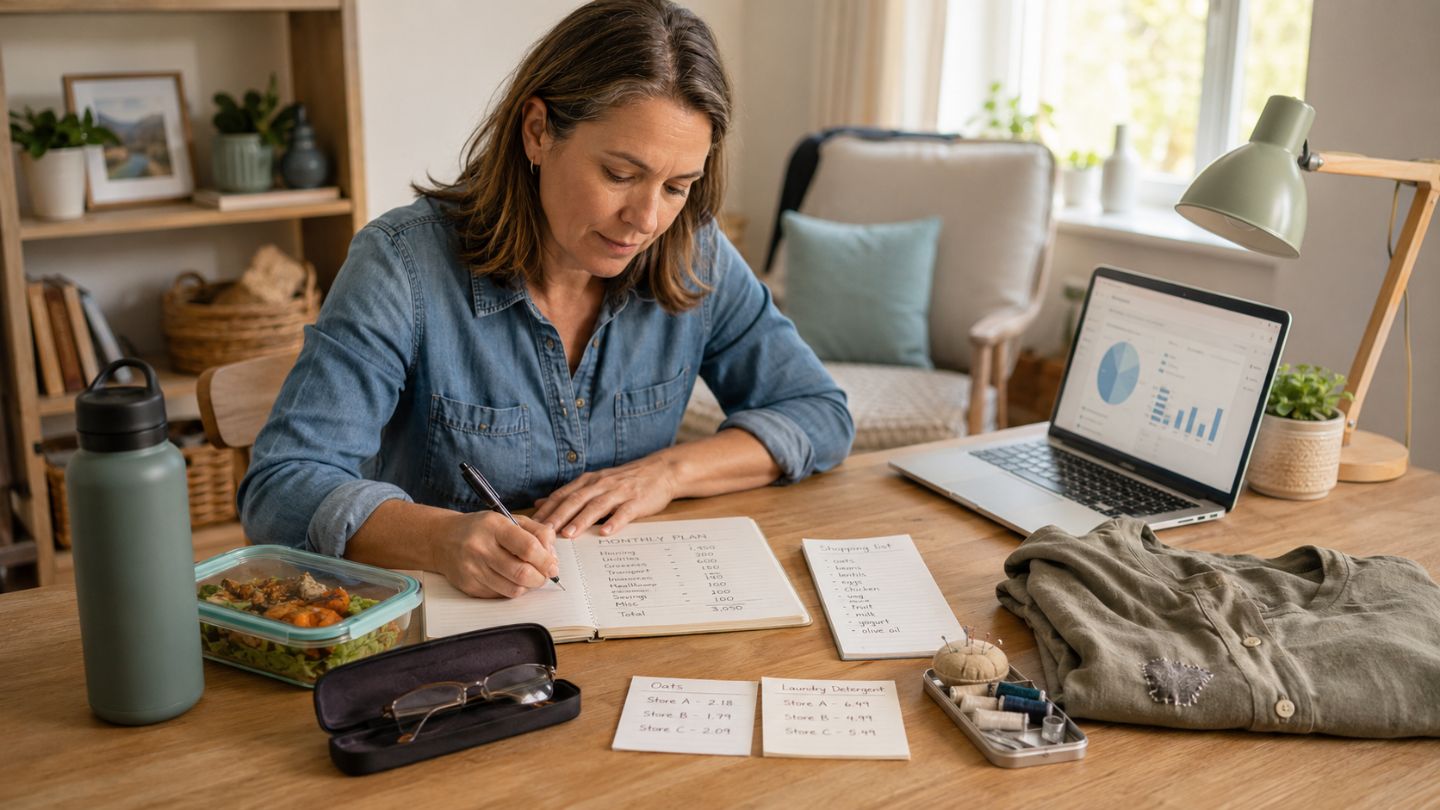
Many people assume that saving money means giving up the little comforts that make life enjoyable. In reality, smart budgeting is about making thoughtful choices rather than sacrificing quality. By focusing on value, planning purchases, and making the most of what you already own, you can enjoy a comfortable lifestyle while keeping your finances under control.
Here are some practical ways to save money without feeling like you're constantly missing out.
Table of Content
Focus on Value Instead of Price
The cheapest option is not always the most economical. Low-quality products often wear out quickly, leading to frequent replacements that cost more over time.
Instead, think about value. Consider how often you'll use an item, how durable it is, and whether it meets your needs. Spending a little more on something that lasts can be a smarter financial decision than repeatedly buying inexpensive alternatives.
Comfort and quality often go hand in hand, especially when it comes to everyday essentials.
Create a Budget That Works for You
A realistic budget doesn't have to feel restrictive. The goal is to understand where your money goes and identify areas where small adjustments can make a big difference.
Start by listing your monthly expenses and separating necessities from optional spending. You may find subscriptions you rarely use, impulse purchases that add up, or habits that can easily be adjusted.
Having a clear picture of your finances helps you spend with confidence rather than guilt.
Shop Smart and Compare Prices
One of the easiest ways to reduce spending is by comparing prices before making a purchase. Many retailers offer discounts throughout the year, and shopping online often provides access to a wider range of products at competitive prices.
It's also worth checking customer reviews and product descriptions to ensure you're getting the best value for your money.
When it comes to eyewear, for example, you don't always have to pay premium prices for dependable products. You can shop cheap reading glasses online at Just Glasses to find affordable options that combine practicality with everyday comfort.
Take Care of the Things You Own
Looking after your belongings can significantly reduce replacement costs. Regular maintenance helps everything from household appliances to clothing and accessories last longer.
Simple habits such as cleaning your glasses properly, storing shoes correctly, servicing household equipment, and repairing minor issues before they become major problems can save substantial amounts over time.
Treating your purchases well allows you to enjoy them for years rather than months.
Plan Purchases Instead of Buying Impulsively
Impulse buying is one of the biggest obstacles to saving money. Attractive promotions and limited-time offers can encourage purchases that weren't actually needed.
Before buying something, give yourself a day or two to decide whether it's a genuine necessity. This short waiting period often helps distinguish between wants and needs.
Planning purchases also allows you to wait for seasonal sales or promotional discounts, stretching your budget even further.
Invest in Everyday Comfort
Saving money shouldn't mean making daily life less enjoyable. Small investments that improve comfort can provide long-term benefits.
Supportive footwear, comfortable reading glasses, quality bedding, ergonomic office equipment, and energy-efficient home products can improve your daily routine while reducing future costs.
When something contributes to your health, productivity, or wellbeing, it often represents excellent value.
Reduce Waste Around the Home
Cutting down on waste is another simple way to save without sacrificing comfort.
Meal planning helps reduce food waste, switching off unused appliances lowers electricity bills, and using reusable household products can reduce ongoing expenses.
Even small changes, when practiced consistently, create noticeable savings throughout the year while making your home run more efficiently.
Make Saving a Habit
Financial comfort comes from consistency rather than dramatic lifestyle changes. Setting aside even a small amount each month builds an emergency fund that reduces financial stress when unexpected expenses arise.
Automating savings, tracking your progress, and celebrating milestones can help make saving feel rewarding instead of restrictive.
Over time, these habits provide greater flexibility and peace of mind.
Final Thoughts
Saving money doesn't require giving up comfort or settling for less. By focusing on quality, shopping wisely, maintaining your belongings, and making intentional spending decisions, you can enjoy a comfortable lifestyle while staying within your budget.
The key is finding the balance between affordability and value. With thoughtful planning and smart purchasing choices, it's entirely possible to protect both your finances and your everyday comfort.



Comments 0
No comments yet. Be the first to start the conversation.