



Many people begin the day by reaching for their phone before they speak to anyone around them. Checking overnight messages, notifications, likes, comments, and updates has become a familiar morning habit. Social media is used to share personal moments, announce achievements, express opinions, follow news, learn skills, and stay connected with friends and family.
These uses are not meaningless. Social media has made communication faster and widened access to information. Yet its constant presence has also changed how people understand attention, self-worth, friendship, and communication. When online interaction begins to replace direct human connection, the effects can be harmful.
Table of Content
- Why Social Media Becomes Hard to Ignore
- The Perceived Benefits of Social Media
- When Connection Turns into Comparison
- The Search for Validation
- Impact on Communication
- Effect on Children and Students
- The Illusion of a Happening Life
- Toward Balanced Use
- Relearning Human Connection
Why Social Media Becomes Hard to Ignore
Social media use often grows because the platforms are built around response and reward. Likes, comments, shares, views, and followers can make users feel noticed. Over time, this can encourage people to post more, check more often, and measure the value of their experiences through public reaction.
This pattern is especially powerful because it is social. People see others sharing achievements, celebrations, opinions, travel, relationships, and daily routines. They may feel pressure to participate so they do not appear absent, outdated, or disconnected. What begins as communication can slowly turn into comparison.
In Nepal, digital participation has grown significantly. DataReportal’s Digital 2026 Nepal report states that Nepal had 16.6 million internet users and 14.8 million social media user identities in October 2025. The report also cautions that social media “user identities” may not represent unique individuals, so such figures should be read carefully.
The Perceived Benefits of Social Media
Social media offers several real benefits. It helps people stay in contact with relatives, friends, classmates, colleagues, and communities across distance. It provides access to local and global updates. It allows users to learn skills, follow public discussions, share creative work, and participate in social causes.
For students and young people, social media can support learning when used carefully. It can provide academic resources, career information, peer support, and exposure to ideas beyond the classroom. For families separated by migration or work, it can make communication easier and more regular.
The problem is not social media itself. The problem begins when online life becomes more important than real relationships, self-reflection, study, rest, and emotional balance.
When Connection Turns into Comparison
One of the strongest criticisms of social media is that it often presents a polished version of life. People usually post selected moments: achievements, celebrations, attractive photos, travel, success, and happiness. Struggles, failures, loneliness, confusion, and ordinary routines often remain hidden.
This creates a dishonest sense of positivity. Users may begin to believe that others are always happier, more successful, more attractive, or more confident. As a result, social media can encourage comparison, envy, judgment, and insecurity.
Research on youth and social media suggests that the effects are mixed. Social media can provide connection and support, but it can also expose young people to risks such as harmful comparison, pressure for approval, and problematic use. The U.S. Surgeon General’s advisory states that current evidence shows both benefits and risks, while also noting that there is not enough evidence to conclude that social media is sufficiently safe for children and adolescents.
The Search for Validation
A serious concern is the growing tendency to connect self-worth with online response. For some users, a post with many likes feels like approval, while a post with little response may feel like rejection. This can make people dependent on public reaction for confidence.
When self-esteem becomes tied to numbers, online activity begins to affect real emotional life. A person may feel anxious after posting, keep checking responses, compare reactions with others, or feel disappointed when attention is low. These effects may not always be visible online, but they can appear in daily life as stress, insecurity, withdrawal, or low confidence.
This does not mean every social media user will experience harm. The effect depends on age, personality, purpose of use, content consumed, time spent online, and the support available in real life. Still, the risk is serious enough to require mindful use.
Impact on Communication
Social media was designed to connect people, but it can also weaken communication when it replaces direct conversation. Texting and commenting are convenient, but they often lack tone, facial expression, body language, and emotional depth.
People may feel connected because they exchange messages, but still avoid meaningful conversations. In some cases, online interaction becomes easier than sitting together, listening carefully, or resolving disagreements honestly. This can create a false sense of closeness.
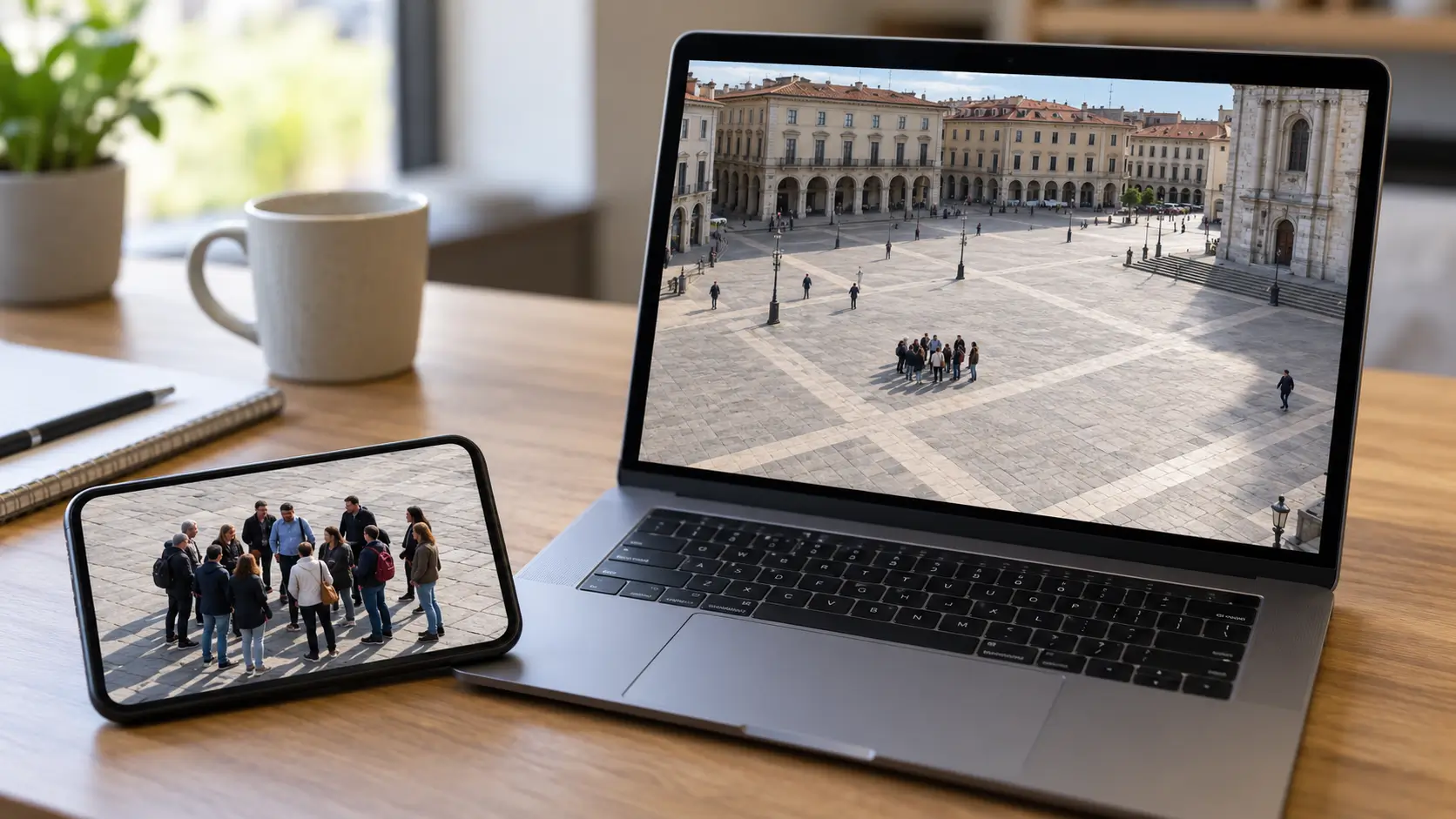
The issue is visible in families, friendships, classrooms, and public spaces. People may sit together physically while remaining absorbed in separate screens. They may record a moment before experiencing it. They may post about happiness while feeling emotionally distant from those around them.
Effect on Children and Students
Children and students need particular attention. Early and excessive screen exposure can affect attention, habits, and social development. For teenagers, constant social media use may become a distraction from study, sleep, physical activity, and face-to-face friendship.
Students may also become too dependent on quick online answers. When learning becomes only searching, copying, and reposting, original thinking can weaken. Technology can support education, but it should not replace reading, questioning, discussion, writing, and independent thought.
The WHO Regional Office for Europe reported an increase in problematic social media use among adolescents, rising from 7 percent in 2018 to 11 percent in 2022 in the countries covered by its study. This does not describe every country or every teenager, but it shows why digital habits among young people deserve careful attention.
The Illusion of a Happening Life
Social media often encourages people to prove that their lives are active, successful, and interesting. Ordinary experiences are turned into public content. Meals, travel, gatherings, study routines, relationships, and even private emotions are often shaped for online display.
This habit can reduce the ability to enjoy the present moment. Instead of living an experience fully, people may focus on how it will look online. The question shifts from “Did I enjoy this?” to “Will others respond to this?”
Over time, this can make life feel performative. People may begin to value visibility more than meaning, reaction more than reflection, and appearance more than authenticity.
Toward Balanced Use
Social media does not need to be rejected completely. It needs to be used with awareness and limits. A healthy relationship with social media begins by recognizing that online attention is not the same as real connection.
Balanced use may include:
-
Keeping phones away during meals, conversations, study time, and rest
-
Avoiding the habit of checking social media immediately after waking up
-
Limiting unnecessary scrolling
-
Thinking before posting personal or sensitive information
-
Avoiding comparison with curated online lives
-
Speaking directly with people instead of relying only on messages
-
Taking breaks when social media affects mood, sleep, or concentration
-
Following content that informs, educates, or supports wellbeing
-
Unfollowing or muting content that creates repeated stress or insecurity
Readers may also find practical guidance in How to Build a Healthy Relationship with Social Media and Digital Distraction and Focus: Practical Habits for Students.
Relearning Human Connection
Human connection requires more than availability. It needs attention, presence, patience, listening, and emotional honesty. Social media can help people stay in touch, but it cannot replace the depth of real conversation and shared time.
The challenge is to use social media without allowing it to define identity, self-worth, or relationships. People need to sign out not only from accounts, but also from the constant need for approval.
A meaningful life does not depend on how many people view it. It depends on how honestly it is lived, how deeply people connect, and how well they remain present with themselves and others.




Comments 0
No comments yet. Be the first to start the conversation.