



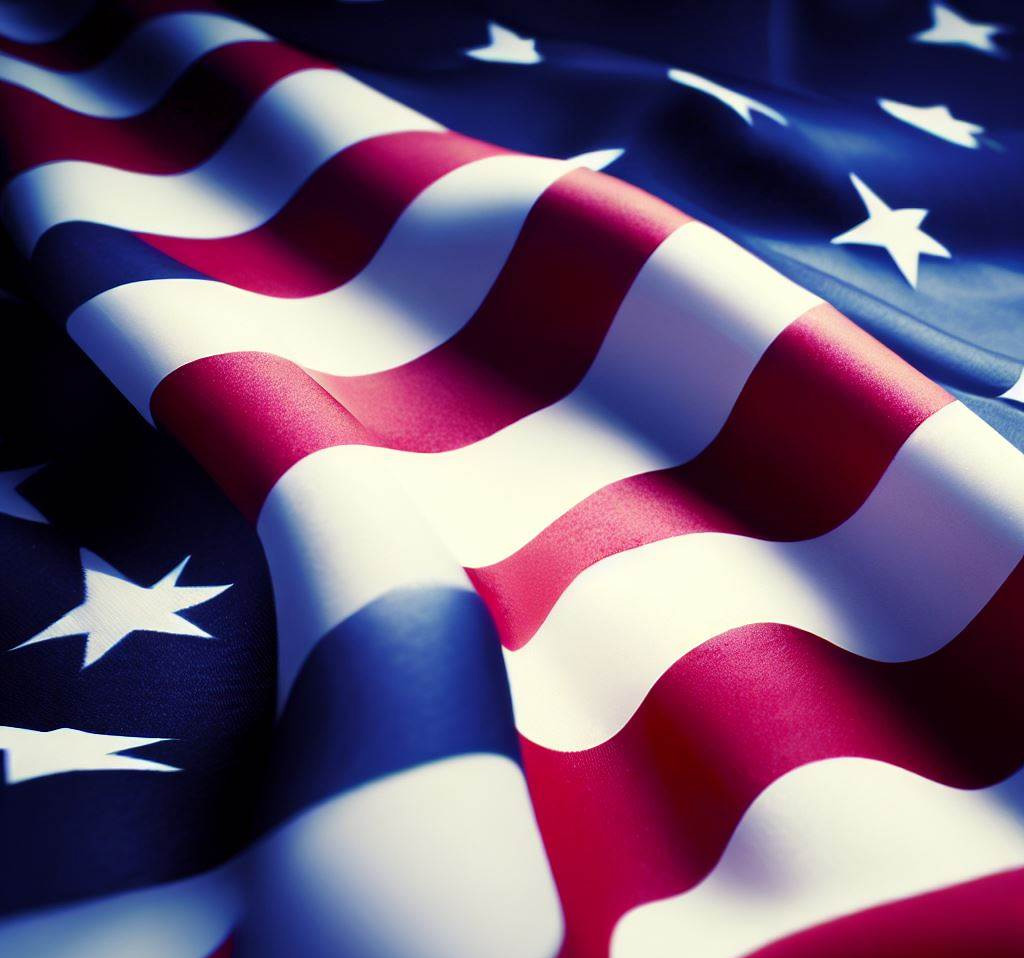
Independence Day, commonly known as the Fourth of July, is a federal holiday in the United States that commemorates the adoption of the Declaration of Independence on July 4, 1776. The holiday is widely associated with fireworks, parades, public ceremonies, family gatherings, concerts, and patriotic displays, but its meaning goes beyond celebration. It marks a defining moment in the political history of the United States and continues to invite reflection on freedom, equality, citizenship, and national identity.
In 2026, the United States marks 250 years since the Declaration of Independence was adopted, making the holiday especially significant for historical reflection and public commemoration.
[[TPC_AREA]]
The Historical Origins of Independence Day
The American colonies did not become independent through a single event. The break from British rule followed years of political conflict, taxation disputes, colonial resistance, and war. The Second Continental Congress voted in favor of independence on July 2, 1776. Two days later, on July 4, Congress adopted the Declaration of Independence, formally announcing the colonies’ separation from Great Britain.
Thomas Jefferson drafted the Declaration as part of the Committee of Five, which also included John Adams, Benjamin Franklin, Roger Sherman, and Robert R. Livingston. George Washington was not part of the drafting committee, but he played a central military role as commander of the Continental Army during the Revolutionary War.
The Declaration became one of the most important founding documents of the United States. Its statement that “all men are created equal” became a powerful political ideal, even though the country did not apply that principle equally at the time.
John Adams and the Early Vision of Celebration
John Adams expected the vote for independence to be remembered by future generations. In a July 1776 letter to Abigail Adams, he imagined the anniversary being marked with “pomp and parade” and “illuminations.” His prediction closely resembles many modern Fourth of July traditions, even though he was referring to July 2, the date Congress voted for independence, rather than July 4, the date later remembered as the national anniversary.
The first anniversary celebration took place in Philadelphia in 1777, with bonfires, bells, and fireworks. These early public celebrations helped establish the connection between Independence Day and communal displays of patriotism.
Cultural Significance of the Fourth of July
Independence Day is often presented as a celebration of liberty, self-government, and national unity. For many Americans, it is a day to remember the country’s founding ideals and the sacrifices made during the struggle for independence.
At the same time, the holiday also carries a more complex meaning. The ideals expressed in the Declaration were not fully extended to enslaved people, women, Indigenous peoples, and other excluded groups in 1776. In 1852, Frederick Douglass challenged Americans to think critically about this contradiction in his famous address, “What to the Slave is the Fourth of July?”
Because of this history, Independence Day can be both a celebration and a moment of reflection. It reminds citizens not only of the nation’s founding principles, but also of the continuing responsibility to make those principles more fully real in public life. This connects closely with broader discussions about freedom of speech in a democratic society.
Common Independence Day Traditions
Fourth of July traditions vary across the United States, but several customs are widely associated with the holiday.
Fireworks
Fireworks have been connected with Independence Day since the earliest celebrations. Philadelphia marked the first anniversary in 1777 with fireworks, bells, and bonfires. Today, fireworks remain one of the most recognizable parts of the holiday.
Parades and Public Ceremonies
Many towns and cities organize parades, civic programs, flag ceremonies, and public gatherings. These events often include marching bands, community organizations, veterans’ groups, local officials, and cultural performances.
Family Gatherings and Barbecues
Independence Day is also a social holiday. Families and friends often gather for meals, picnics, and outdoor activities. These customs make the day both a national commemoration and a community-centered summer event.
Concerts and Patriotic Music
Public concerts and performances are common on or around July 4. Patriotic songs, including “The Star-Spangled Banner,” are often performed at official ceremonies, sports events, and community programs.
Baseball and Public Recreation
Baseball games, local festivals, and outdoor recreation are also part of the holiday experience in many communities. These traditions reflect the holiday’s role as both a civic occasion and a shared public celebration.
Independence Day and American Society
Independence Day has helped shape how Americans remember the nation’s founding. It reinforces ideas of citizenship, participation, public memory, and national identity. The holiday also reflects how civic traditions change over time as different communities interpret the meaning of independence in their own ways.
For some, the Fourth of July is mainly a patriotic celebration. For others, it is a time to examine whether the country has lived up to the promises stated in its founding documents. Both responses are part of the holiday’s continuing significance.
Readers interested in wider patterns of American cultural change may also find this related article on pop culture shifts in America useful.
Key Events Connected to July 4
Several major events in American history have taken place on July 4, adding to the date’s symbolic importance.
-
1776: The Continental Congress adopted the Declaration of Independence.
-
1817: Construction began on the Erie Canal at Rome, New York. The canal was completed in 1825, not 1817.
-
1828: Construction began on the Baltimore and Ohio Railroad at Baltimore Harbor, with Charles Carroll laying the first stone.
-
1960: The 50-star American flag was first officially raised after Hawaii became the 50th state.
These events show how July 4 became associated not only with the Declaration of Independence but also with later symbols of national growth, infrastructure, and identity.
Conclusion
U.S. Independence Day marks the adoption of the Declaration of Independence and the beginning of the United States’ formal claim to self-government. Its traditions—fireworks, parades, music, flags, and community gatherings—make it one of the most visible civic holidays in American life.
The Fourth of July is also a day of reflection. It celebrates the ideals of liberty and self-rule while reminding Americans that equality and freedom have often required continued struggle, debate, and civic action. Its lasting significance lies not only in remembering 1776, but also in asking how the nation’s founding principles can be understood and practiced in each generation.
Key Takeaways
-
Independence Day commemorates the adoption of the Declaration of Independence on July 4, 1776.
-
Congress voted for independence on July 2, but July 4 became the date of national celebration.
-
John Adams predicted public celebrations with parades, games, bells, bonfires, and illuminations.
-
Fireworks have been part of Independence Day celebrations since 1777.
-
The holiday celebrates liberty and self-government, while also inviting reflection on the country’s historical contradictions.
-
July 4 is also connected with later national milestones, including the Erie Canal, the Baltimore and Ohio Railroad, and the 50-star flag.







Comments 0
No comments yet. Be the first to start the conversation.