



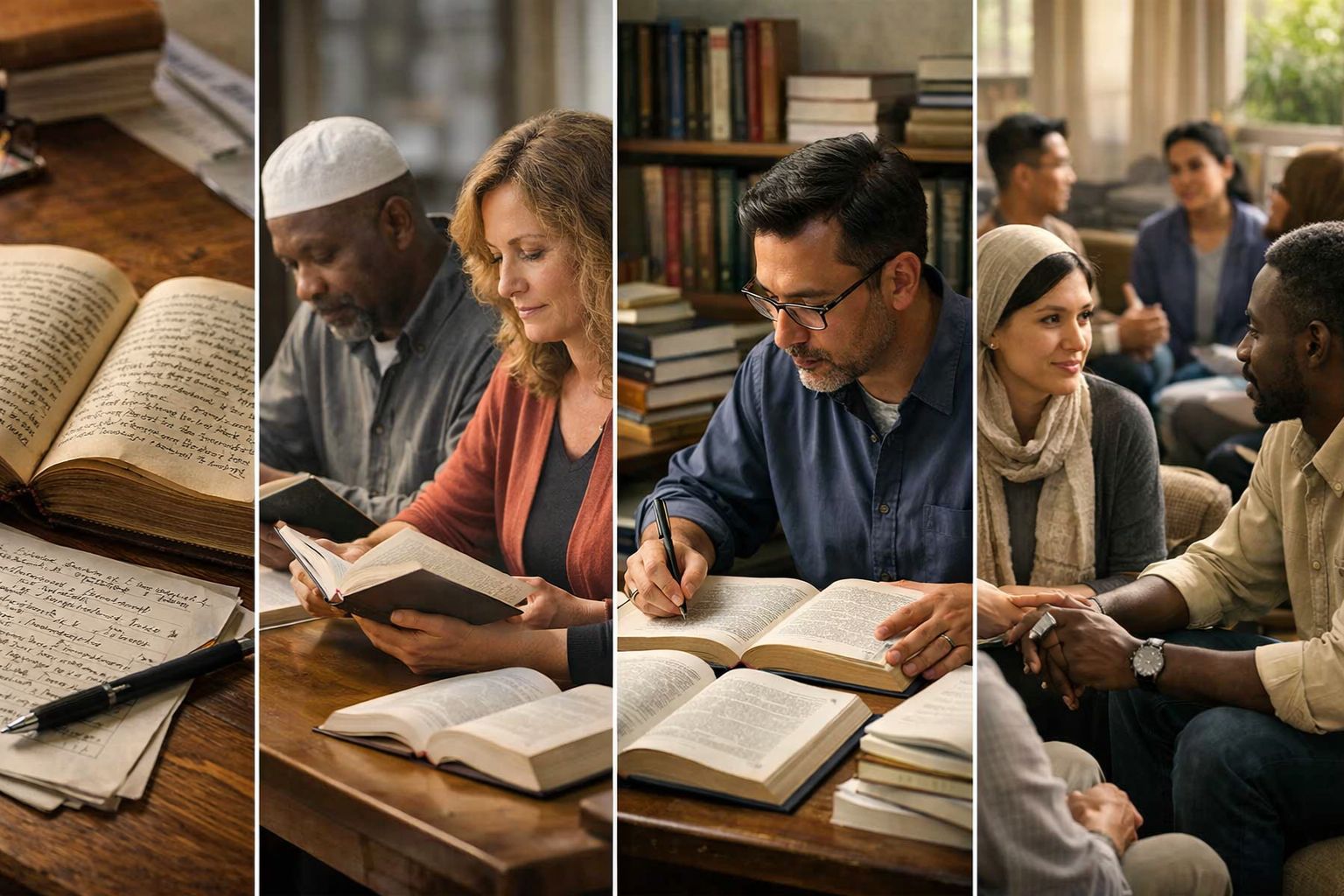
In a world where faith travels across borders, languages become the bridge between belief and understanding. Religious teachings are not confined to one region or culture—they are shared, interpreted, and practiced globally. This makes translation more than a technical task; it becomes a responsibility.
A single word can shift meaning, alter interpretation, or even reshape how entire communities understand their faith. Accurate translation ensures that the essence of spiritual teachings remains intact while reaching diverse audiences. Let’s explore how precision in translation continues to shape global religious communities.
Preserving the Original Meaning of Sacred Texts
Religious texts are often deeply layered, filled with symbolism, metaphors, and historical context. Translating them requires more than linguistic knowledge; it demands cultural and spiritual sensitivity. A literal translation may capture the words, but it can miss the deeper meaning embedded within them.
Accuracy ensures that the original intent of the text is preserved, allowing readers from different backgrounds to access the same core message. This is especially important when teachings guide moral decisions, rituals, and beliefs. Even small inaccuracies can lead to misunderstandings that ripple through generations.
By prioritizing precision, translators act as guardians of meaning. They ensure that sacred teachings remain authentic and consistent, no matter how many languages they are expressed in.
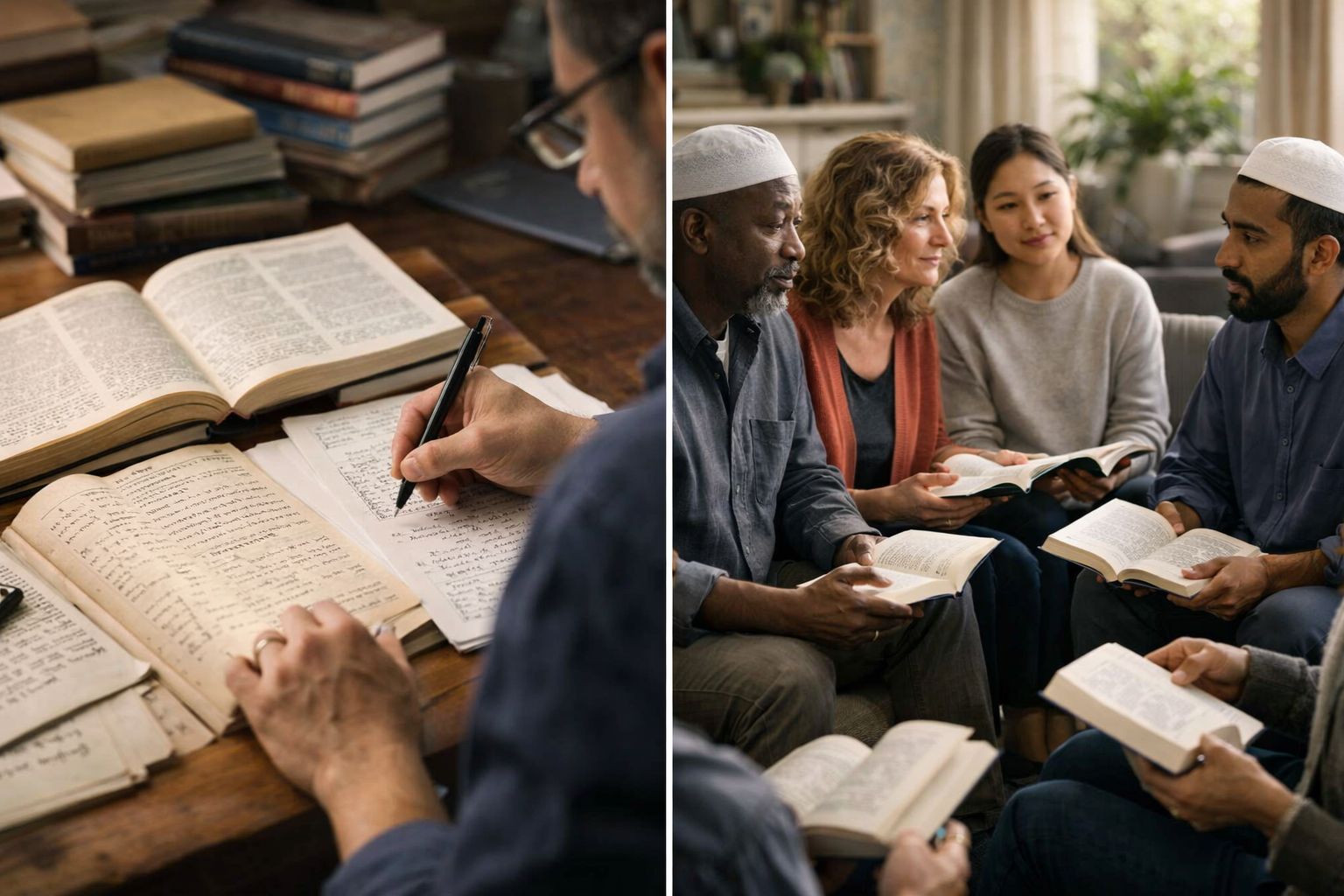
Expanding Access Through Reliable Translations
One of the most powerful outcomes of accurate translation is accessibility. When sacred texts are translated correctly, they become available to people who may never have understood them otherwise. Pentecostal publishing Spanish Bibles have opened doors for millions, allowing individuals to connect with their faith in their native language.
This accessibility fosters inclusion within global religious communities. It ensures that language is no longer a barrier to spiritual growth or participation. People can engage more deeply with teachings, understand rituals, and feel a stronger sense of belonging.
Accurate translation doesn’t just spread information, it spreads connection. It allows faith to reach hearts in a way that feels personal and meaningful, strengthening communities across linguistic boundaries.
Preventing Misinterpretation and Division
Inaccurate translation can do more than confuse—it can divide. Misinterpretations of religious texts have historically led to disagreements, differing doctrines, and even conflict within communities. When meanings are altered, even unintentionally, they can create entirely new perspectives that drift away from the original message.
Accurate translation minimizes these risks. It provides a consistent foundation for understanding, helping communities stay aligned in their beliefs and practices. This consistency is crucial in maintaining unity, especially in global settings where diverse cultures come together.
By ensuring clarity and precision, translators play a key role in fostering harmony. They help prevent misunderstandings that could otherwise lead to fragmentation, allowing faith to remain a unifying force.

Respecting Cultural and Linguistic Nuances
Language is deeply tied to culture, and religious texts often reflect the traditions and values of their origins. Translating these texts requires an awareness of cultural nuances that go beyond vocabulary. Certain phrases, idioms, or concepts may not have direct equivalents in another language.
Accurate translation involves finding ways to convey these ideas without losing their essence. This might mean adapting expressions or providing context to ensure understanding. The goal is to make the text relatable while staying true to its original meaning.
By respecting both the source and target cultures, translators create a bridge that feels authentic on both sides. This balance allows religious teachings to resonate with diverse audiences while maintaining their integrity.
Strengthening Faith Through Clarity
Clarity is essential for spiritual growth. When individuals can clearly understand religious teachings, they are better equipped to apply them in their lives. Accurate translation ensures that messages are not only understood but also felt.
Ambiguity, on the other hand, can create doubt or confusion. If readers struggle to interpret a text, they may feel disconnected from its message. Clear and precise translation removes these barriers, allowing individuals to engage more deeply with their faith.
This clarity strengthens personal belief and reinforces community practices. It empowers individuals to live according to their values with confidence and understanding.
Supporting Education and Religious Scholarship
Accurate translation is also vital for education and scholarship. Religious studies often rely on translated texts to explore history, theology, and cultural impact. Scholars depend on precise translations to analyze and interpret teachings correctly.
In educational settings, these translations help students gain a deeper understanding of different faiths. They provide insight into beliefs, practices, and historical contexts, fostering greater awareness and respect.
Without accuracy, this knowledge can become distorted. Reliable translations ensure that both academic and personal explorations of faith are grounded in truth, supporting a more informed and thoughtful global community.
Adapting to Modern Global Communication
As the world becomes more interconnected, the demand for translated religious content continues to grow. Digital platforms, online communities, and global outreach efforts all rely on accurate translation to share messages effectively.
Modern communication requires speed, but it cannot come at the cost of accuracy. Translators must balance efficiency with precision, ensuring that content remains faithful to its source while reaching a wider audience.
This adaptability allows religious communities to stay relevant in a rapidly changing world. By embracing new technologies and maintaining high standards of translation, they can continue to share their teachings with clarity and impact.
Building Unity in Diverse Faith Communities
At its core, accurate translation is about connection. It brings people together, allowing them to share beliefs and experiences despite differences in language and culture. In global religious communities, this unity is essential.
When everyone has access to the same teachings, expressed clearly and accurately, it creates a shared foundation. This foundation fosters understanding, respect, and collaboration among diverse groups.
Accurate translation transforms language from a barrier into a bridge. It ensures that faith remains a unifying force, capable of bringing people together in a world that often feels divided.






Comments 0
No comments yet. Be the first to start the conversation.