



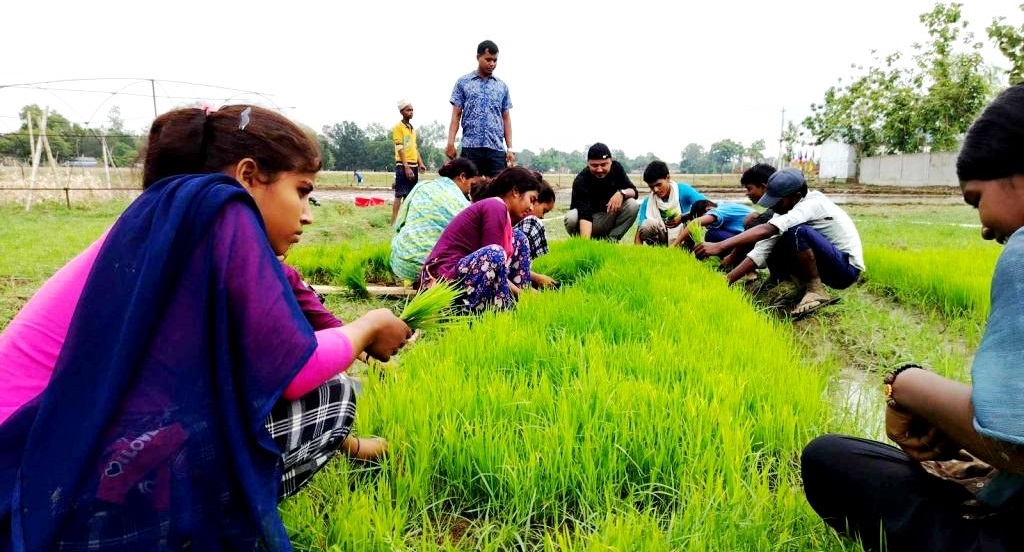
Bachelor of Technical Education (B.Tech) Plant Science Career Path
A Bachelor of Technical Education (B.Tech) in Plant Science is a four-year undergraduate program focused on plants—their growth, development, and physiology.
The program covers plant genetics, biotechnology, plant breeding, horticulture, crop management, and plant physiology. Students learn the scientific principles behind plant growth and development and gain practical experience in laboratories and field settings. Graduates are prepared for careers in research, agriculture, horticulture, and plant breeding, as well as for graduate study in plant science and related fields.
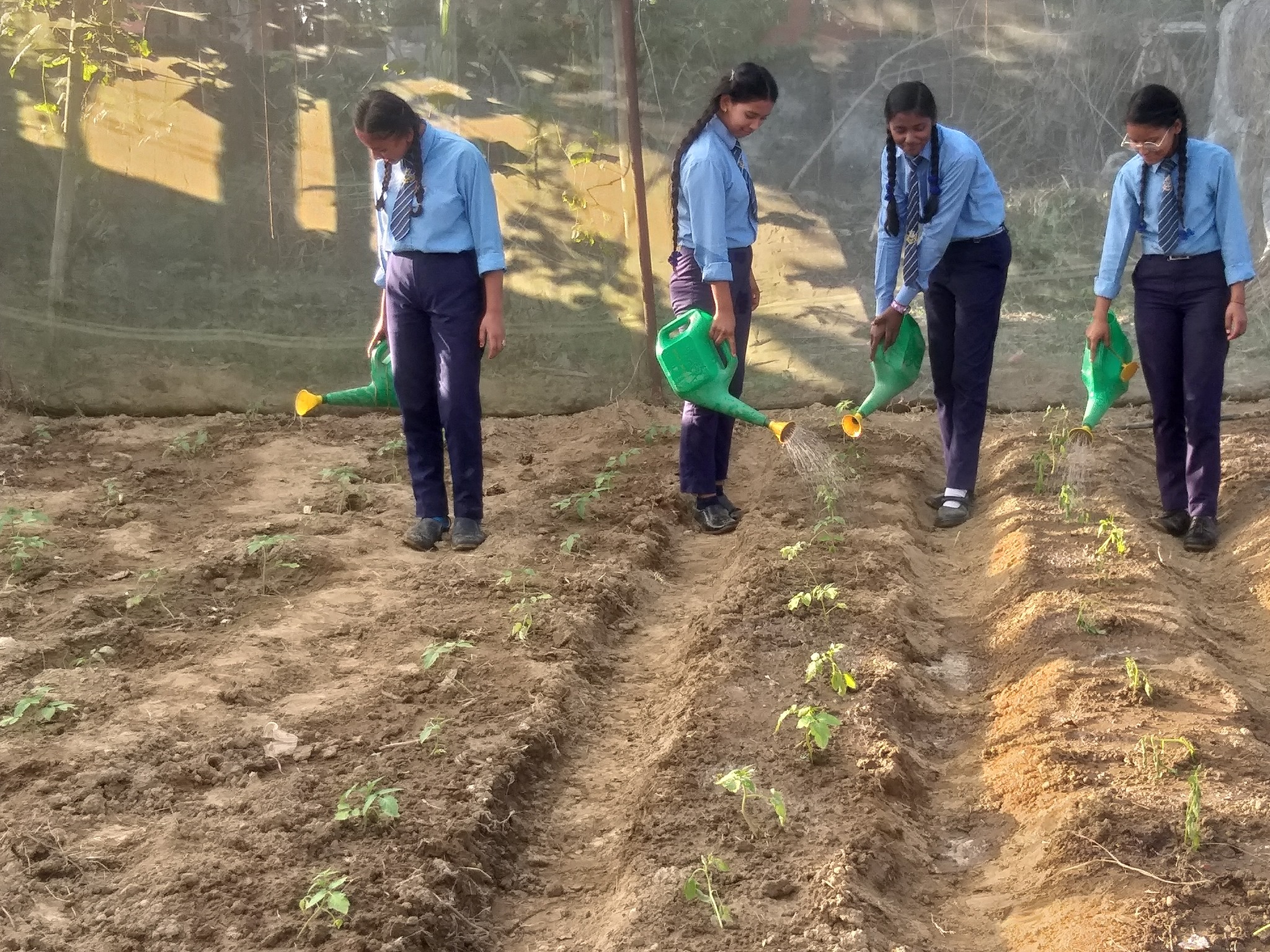
Course Outlines
Course outlines can vary by institution, but a B.Tech in Plant Science commonly includes:
-
Introduction to Plant Science: Basic principles of plant biology, including anatomy, physiology, ecology, and evolution.
-
Plant Genetics and Breeding: Inheritance of traits, genetic variation, genetic manipulation, and methods for selecting and developing improved crop varieties.
-
Plant Physiology: Photosynthesis, respiration, growth and development, and plant hormones.
-
Biotechnology and Genetic Engineering: Genetic modification, DNA manipulation, and applications in plant breeding and crop improvement.
-
Crop Management: Planting, irrigation, pest and disease control, and harvest.
-
Horticulture: Cultivation, propagation, and management of ornamental plants, fruits, and vegetables.
-
Plant Pathology: Causes, symptoms, and control of plant diseases and pathogens.
-
Research Methodology: Experimental design, data collection and analysis, and scientific writing.
-
Practical Training: Hands-on laboratory and field training, including internships.
-
Project: A supervised research project culminating in a written thesis or report.
Some institutions may also offer electives in areas such as plant biochemistry, plant ecology, and plant biotechnology.
Objectives, Goals, and Vision
Objectives
-
Provide a strong foundation in plant science (genetics, physiology, ecology).
-
Provide practical laboratory and field experience through training and internships.
-
Prepare students for careers in research, agriculture, horticulture, and plant breeding, and for graduate study in related fields.
Goals
-
Produce graduates familiar with current research and technologies in plant science.
-
Build workforce-ready knowledge and skills for academia, industry, and government.
-
Encourage critical thinking, innovation, and problem-solving.
Vision
-
Be recognized as a leading institution for plant science education and research.
-
Contribute to plant science through research and improved teaching methods.
-
Train plant scientists who support a sustainable future through work in agriculture, horticulture, and biotechnology.
In short, the program aims to build the knowledge, skills, and experience needed to work in plant science and contribute positively through agriculture, horticulture, and biotechnology.
Eligibility
Eligibility can vary by institution. Common requirements include:
Educational Qualification
-
Completion of 10+2 (or equivalent) with Physics, Chemistry, and Biology/Mathematics as main subjects.
-
Some institutes may require a minimum percentage in the qualifying examination.
Other Requirements
-
Some institutes may require an interview, portfolio, or work experience.
-
Always confirm the latest eligibility criteria with the institution, as requirements may change by institute and location.
Knowledge and Skills
A B.Tech in Plant Science typically develops:
-
Knowledge of plant anatomy, physiology, genetics, and ecology.
-
Understanding of plant breeding, biotechnology, and genetic engineering.
-
Understanding of crop management and horticulture (planting, irrigation, pest/disease control, harvest).
-
Knowledge of plant pathology and disease control methods.
-
Laboratory and research skills (experimental design, DNA work, data analysis).
-
Critical thinking and problem-solving skills for research and field challenges.
-
Written and oral communication skills for scientific work and reporting.
-
Computer skills, including data analysis and modeling tools.
-
Analytical and quantitative skills to interpret scientific data.
-
Organizational and time management skills for research and project completion.
-
Understanding of ethical issues related to biotechnology.
-
Teamwork and collaboration skills for lab/field environments.
-
Leadership skills for managing teams or research tasks.
Scope
A B.Tech in Plant Science can lead to careers in:
-
Research and academia (universities, government research institutions).
-
Agriculture and horticulture (crop improvement, yield and quality enhancement, variety development).
-
Biotechnology (genetics- and biotech-based products/processes).
-
Environmental management (conservation, sustainable practices, resource protection).
-
Government and policy (programs and policies for agriculture, horticulture, environment).
-
Teaching (secondary and higher secondary schools and colleges).
Graduates may also pursue higher studies in Plant Science, Genetics, Biotechnology, and related fields.
Career Path
Common career paths include:
-
Research and Development (R&D) in government and private organizations (plant breeding, biotechnology, crop improvement, genetic engineering).
-
Agriculture and horticulture roles focused on crop performance and variety development.
-
Biotechnology roles involving applied genetics and biotech tools.
-
Environmental management roles supporting conservation and sustainable systems.
-
Government and policy roles supporting agriculture and environment-related programs.
-
Teaching at secondary, higher secondary, and college levels.
-
Consulting roles for plant breeding companies and agribusinesses.
-
Roles in seed production companies, plant nurseries, and agribusiness.
-
Agricultural extension officer roles supporting farmers and rural communities.
-
Roles with NGOs and international development organizations focused on sustainable agriculture and rural development.
Job Outlook
The job outlook is generally positive, driven by:
-
Growing population and food demand, requiring efficient and sustainable production.
-
Climate change, increasing demand for resilient crop varieties.
-
Expansion of biotechnology, increasing demand for genetics and biotech expertise.
-
Environmental conservation needs, including sustainable agriculture and horticulture.
-
Government program and policy needs in agriculture, horticulture, and environment.
Job prospects and salaries can vary by location and specialization. Skills in biotechnology and genetic engineering can improve opportunities. A master’s degree or PhD may increase employment options and earning potential.
Duties, Tasks, Roles, and Responsibilities
Plant scientists commonly:
-
Conduct research: design experiments, collect/analyze data, interpret results.
-
Develop new crop varieties: improve productivity, disease resistance, and climate adaptability.
-
Advise farmers and agribusiness: support crop management and production decisions.
-
Apply biotechnology and genetic engineering: improve yield, resistance, and nutritional value.
-
Develop sustainable practices: protect the environment and conserve resources.
-
Advise government agencies: contribute to agriculture and environment-related programs/policies.
-
Teach and mentor: at universities/colleges, supervising students and assistants.
-
Present and write: conference presentations, journal papers, reports, grants.
-
Collaborate: work with scientists, institutions, and stakeholders.
Career Options
Here are 15 career options a graduate may pursue:
-
Research Scientist
-
Plant Breeder
-
Agricultural Extension Officer
-
Biotechnologist
-
Environmental Scientist
-
Government Policy Advisor
-
Horticulturist
-
Plant Pathologist
-
Seed Production and Quality Control Specialist
-
Plant Geneticist
-
Plant Physiologist
-
Agronomist
-
Agricultural Engineer
-
Food Science Technologist
-
Professor/Lecturer
Challenges
Common challenges include:
-
Funding constraints and competitive grants.
-
Difficult fieldwork conditions and remote locations.
-
Long project timelines and high time commitment.
-
Rapidly evolving research and technologies requiring continuous learning.
-
Limited job opportunities in some regions and competitive markets.
-
Travel demands in some roles.
-
Ethical issues related to biotechnology and genetic engineering.
-
Limited public understanding of plant science in some contexts.
-
Climate change impacts on agriculture and the need for resilient solutions.
-
Pest and disease pressures requiring continuous innovation.
Why Choose the Bachelor of Technical Education (B.Tech) in Plant Science Program?
Reasons students may choose this program:
-
Passion for plants and the environment, with interest in agriculture, horticulture, and biotechnology.
-
Many career pathways across research, industry, government, policy, and environment.
-
Growing global demand for sustainable food production methods.
-
Hands-on laboratory and field training, useful for research and industry roles.
-
Interdisciplinary learning across biology, chemistry, genetics, and biotechnology.
-
Opportunities to contribute to food security, conservation, and human well-being.
-
Strong preparation for higher studies in plant science and related fields (genetics, biotechnology, environmental science).
FAQ
What is the difference between a B.Tech in Plant Science and a B.Sc in Plant Science?
A B.Tech in Plant Science emphasizes applied and technical use of scientific principles in plant production and management. A B.Sc in Plant Science is generally broader across plant biology topics.
How long does it take to complete a B.Tech in Plant Science program?
Typically four years.
What are the prerequisites for a B.Tech in Plant Science program?
Usually 10+2 (or equivalent) with Physics, Chemistry, and Biology/Mathematics as main subjects. Some institutes may require minimum marks.
What are the career opportunities for graduates of a B.Tech in Plant Science program?
Opportunities exist in research, agriculture, horticulture, biotechnology, environmental management, and government and policy roles.
Is a B.Tech in Plant Science program suitable for students who are interested in both plants and animals?
The focus is plant science, but there is overlap in areas such as genetics and biotechnology. Students strongly interested in animals may also consider veterinary science or animal science.
What skills do I need to succeed in a B.Tech in Plant Science program?
A strong background in science and mathematics, interest in plants and the environment, problem-solving and critical thinking skills, ability to work independently and in teams, good communication and writing skills, comfort with laboratory and field environments, and ability to use relevant tools, equipment, and software.
How does B.Tech in Plant Science differ from B.Sc Agriculture?
B.Tech in Plant Science is more focused on technical and applied plant production/management and newer technological advancements. B.Sc Agriculture is broader, covering plant and animal production and wider agriculture topics, often with more emphasis on traditional approaches.
Can a B.Tech in Plant Science graduate pursue higher studies?
Yes. Graduates can pursue master’s and PhD programs in Plant Science, Genetics, Biotechnology, and related fields.
Is a B.Tech in Plant Science a good career choice?
It can be a good choice for students interested in plants and environmental impact through agriculture, horticulture, and biotechnology. Job prospects and salaries vary by location and specialization, so it is important to review the job market and align the program with your career goals.
Similar Career Path
- BSc Fisheries
- BSc Medical Imaging Technology
- Bachelor of Technical Education Plant Science
- Bachelors in Veterinary Sciences and Animal Husbandry
- Bachelor of Technical Education in Livestock
- BSc Horticulture and Floriculture Management
- BSc (Hons) Environmental Science
- BTech in Biotechnology
- BSc Forestry
- BSc Agriculture
- BSc Hons in Agriculture
- Bachelor of Science in Agriculture (Hons.)
