




Most Demanded Skills in Nepal for the Next 5–10 Years
This article is based on an in-depth study of the labour market, economic trends, and global technological change. In my capacity as a subject matter expert, I am not presenting empty theories here. I am grounding the discussion in Nepal’s ground realities, government policies (such as the 16th Periodic Plan), and the changing demands of the private sector to offer practical solutions.
This article is intended for young people, working professionals, and policymakers who want to cut through future uncertainty and build a successful and sustainable career.

Table of Content
- Most Demanded Skills in Nepal for the Next 5–10 Years
- The Changing Labour Market and the “Skills Gap” Problem
- Digital Economy and Information Technology (IT) – The New “Remittance”
- Green Revolution and Engineering (Green Economy)
- Modern Agriculture and Agri-Business (Agri-Business)
- Tourism 2.0 and Hospitality (Tourism & Hospitality)
- Technical and Vocational Skills (Vocational Skills)
- Soft Skills – The Art That Keeps Humans Ahead of Machines
- Problems and Solutions: How to Learn These Skills While Staying in Nepal
- Special Analysis: “Brain Drain” Versus “Brain Gain”
- Conclusion
The Changing Labour Market and the “Skills Gap” Problem
Nepal’s labour market is currently standing at a serious crossroads. On one side, hundreds of thousands of educated young people are complaining that they are “unemployed.” On the other side, employers are searching everywhere, saying, “We cannot find the kind of skilled human resources we need.” In economic terms, this is less a problem of “unemployment” and more a problem of “unemployability.” In other words, people have degrees but not the skills required for work.
According to various reports by Nepal Rastra Bank and the World Bank, Nepal’s economy is now shifting from traditional agriculture towards services and technology. The 16th Periodic Plan (2081/82–2085/86) has also prioritised “productive employment” and the “digital economy.” Unlike in the past, educational certificates alone will not be enough to guarantee employment in the next 5 to 10 years.
The present era is that of the “gig economy” and “digital nomads.” In 2022 alone, Nepal exported IT services worth 515 million US dollars (around 68 billion rupees), as shown in a report by the Institute for Integrated Development Studies (IIDS). This indicates that if you have the right skills, you can earn at a globally competitive level while living in Nepal.
In this article, we will deeply analyse those skills that will be in very high demand inside and outside Nepal in the coming decade, offer high earnings, and help secure the future.
Digital Economy and Information Technology (IT) – The New “Remittance”
In the next 10 years, information technology (IT) is certain to become one of the largest employment-generating sectors in Nepal. This is not just an assumption; the data clearly supports it.
Software Development and Full-Stack Development (Software & Full-Stack Development)

At present, more than 66,000 IT professionals are working in Nepal. Global companies have started to see Nepal as a major “outsourcing hub.”
Why is demand increasing? Compared to other countries, Nepali human resources are more affordable yet capable. In addition, Nepal’s time zone is convenient for working with Western countries.
Required skills include Python, JavaScript (React, Node.js), Java, and mobile app development (Flutter/Swift). In the next 5 years, demand will rise not only for people who can write code but also for engineers who understand “system architecture.”
Artificial Intelligence and Data Science (AI & Data Science)
.jpg)
Instead of being afraid that “AI will take my job,” it is more accurate to understand that “someone who knows how to use AI will take my job.” Banks in Nepal, e-commerce platforms (such as Daraz), and even government agencies are collecting large volumes of data. There is a shortage of experts who can analyse this data and use it to grow business.
Practical applications include analysing credit risk in banks, predicting diseases in the health sector, and understanding customer behaviour in marketing.
Key areas to learn include machine learning models, data visualisation (Power BI, Tableau), and Python programming.
Cybersecurity

With digitalisation in Nepal, incidents of hacking and data theft are increasing. After Nepal Rastra Bank made cybersecurity audits mandatory for banks and financial institutions, a severe shortage of human resources has become visible in this field.
Career scope includes ethical hacking, network security specialist, and security analyst. Job security is very high in this area because every company needs to protect its data.
Green Revolution and Engineering (Green Economy)
To cope with the impacts of climate change and reduce the trade deficit, Nepal is making a leap towards a “green economy.”
Electric Vehicle (EV) Maintenance and Technology

If we look at the data for fiscal year 2080/81, more than 70% of all four-wheeler vehicles imported into Nepal were electric vehicles (EVs). However, even though the vehicles running on the roads are EVs, most mechanics in the workshops are still experts in petrol and diesel engines.
The problem is that when an EV breaks down, it cannot be repaired in a normal workshop. It requires knowledge of high-voltage systems, battery management systems (BMS), and sensors.
In terms of solutions and demand, within the next 5 years the “EV technician” will become one of the most sought-after blue-collar jobs in Nepal. Anyone who can repair battery cells and diagnose motor controllers will not have to remain unemployed.
Hydropower and Energy Engineering
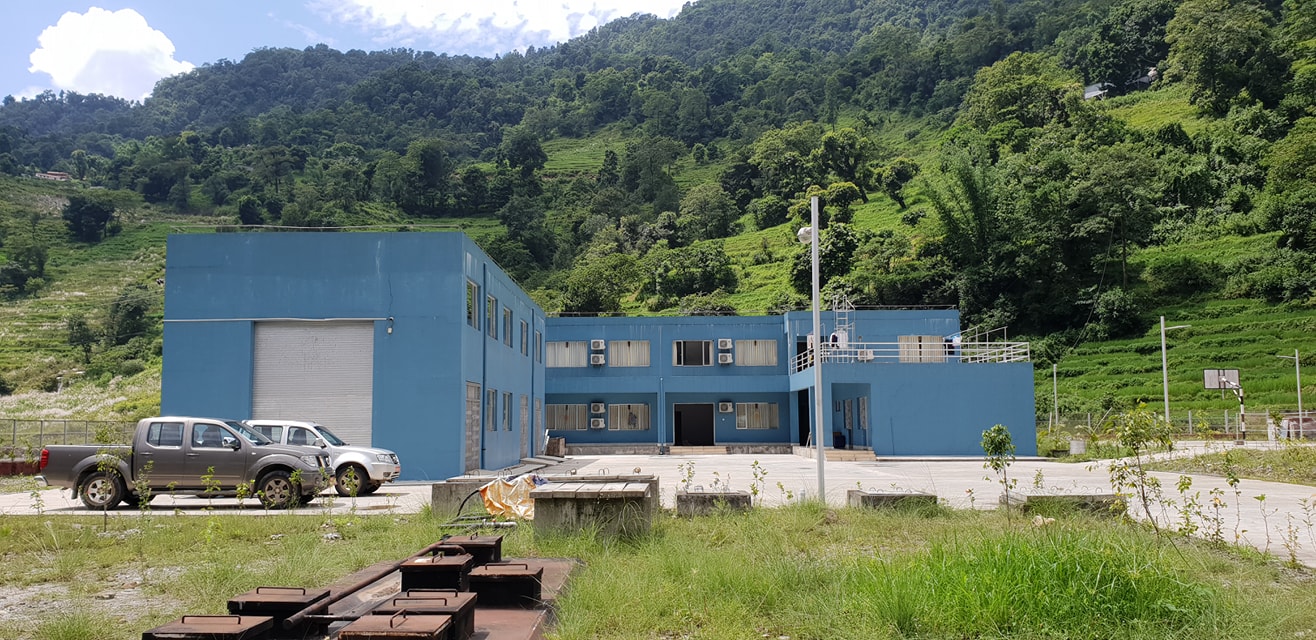
The government has set a target of exporting 10,000 megawatts of electricity to India and Bangladesh in the next 10 years. To achieve this, thousands of civil engineers, electrical engineers, and sub-engineers will be required.
There is special demand not just for engineers with degrees, but for technical professionals who are strong in project management, tunnelling technology, and transmission line construction.
Modern Agriculture and Agri-Business (Agri-Business)
The saying “there is no future in agriculture” has now become outdated. There may be little future in traditional subsistence agriculture, but there is huge potential in commercial and technology-friendly agriculture.

Supply Chain and Cold-Chain Logistics
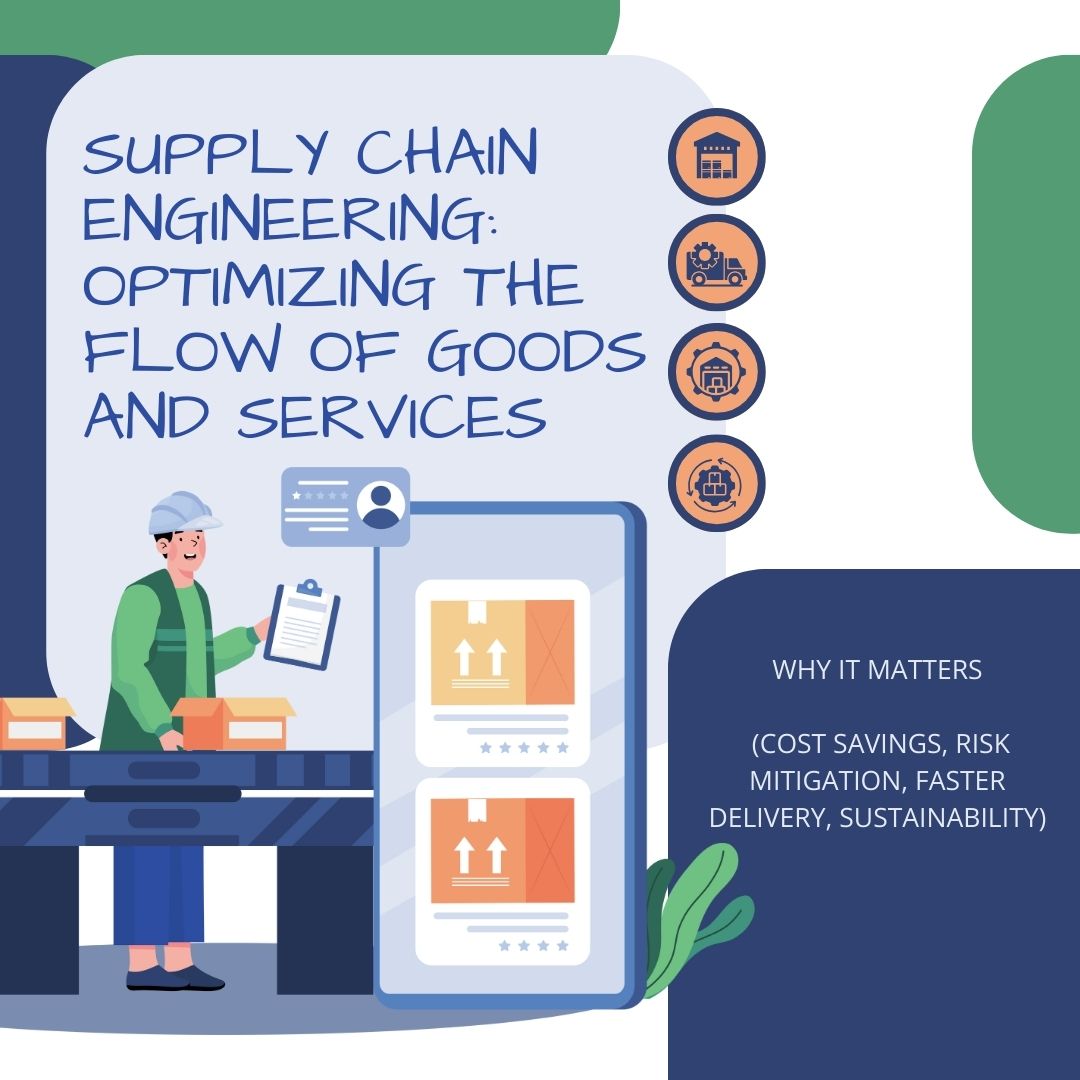
More than 30% of vegetables grown in the hilly regions of Nepal rot before they reach Kathmandu or foreign markets. The main reason is a weak supply chain.
There is growing demand for experts who can manage technologies that keep agricultural products fresh for longer (cold storage), as well as packaging and logistics management. As retail chains such as Bhatbhateni and Big Mart expand, the demand for “supply chain managers” is increasing.
Agro-Tech (Agro-Tech)
Technologies such as spraying pesticides using drones, measuring soil moisture using sensors, and practising tunnel farming are entering the sector. There is a growing demand for technical professionals who can operate and maintain these devices.
Tourism 2.0 and Hospitality (Tourism & Hospitality)
After COVID-19, the priorities of tourists have changed. They no longer come only to “see”; they come to “experience.”
Digital Tourism Marketing
For hotels and travel agencies, distributing flyers is no longer enough. They need people who can promote Nepal’s destinations in the international market through Instagram, TikTok, and YouTube. “Content creators” and “digital marketing strategists” are becoming indispensable for the tourism sector.
Specialised Hospitality (Culinary Arts & Management)
The number of five-star hotels in Nepal is increasing. However, “executive chefs” and “hotel managers” in these hotels are often foreigners. There is very high demand, both within Nepal and abroad (especially in the Middle East and Europe), for Nepalis trained in high-quality culinary arts, wine tasting, and hospitality management.
Technical and Vocational Skills (Vocational Skills)
Our society has made the mistake of looking down on technical work (manual skills). In reality, a good plumber or electrician can earn more than an average office worker.
Smart Home Technician
Modern homes now have smart lighting, automated security systems, and various sensors. An electrician who only knows old-style wiring cannot install these systems. Demand is rapidly rising for technicians who understand modern “smart home installation” and “networking.”
Construction and Heavy Equipment
Tunnels, expressways, and airports are being built in Nepal. Due to a shortage of skilled operators for bulldozers, cranes, and loaders, we have had to bring in human resources from outside. Operators who are certified by CTEVT and can operate modern machines have a secure future.
Soft Skills – The Art That Keeps Humans Ahead of Machines

All the technical skills mentioned above can change over time, or be taken over by AI. Soft skills, however, are those abilities that robots cannot replace. The World Economic Forum’s “Future of Jobs” report also confirms this.
Emotional Intelligence (Emotional Intelligence – EQ)
This is the ability to understand others’ emotions, work effectively in a team, and manage conflict. Corporate houses now look not only at IQ but also at EQ when selecting people.
Critical Thinking and Problem-Solving (Critical Thinking & Problem Solving)
The skill here is not to panic when a problem appears, but to identify its root cause and develop a creative solution. Whether you are a manager or a mechanic, this skill sets you apart from others.
Adaptability
People who lost their typing jobs 10 years ago are unemployed today because they never learned to use computers. Technology will continue to change in the future as well. The ability to quickly learn new things and adapt yourself is the most important skill of the 21st century.
Problems and Solutions: How to Learn These Skills While Staying in Nepal
Many young people ask, “Where do we go to learn these things?” Here are some practical options.
Online Learning (The Global Classroom)
-
IT/Data Science: Platforms such as Coursera, Udemy, edX, and FreeCodeCamp offer courses from top universities around the world at low cost or free of charge.
-
Digital marketing: Google’s Digital Garage and Facebook’s Blueprint courses are available free of cost.
Training Centres in Nepal
-
CTEVT: Across the country, CTEVT’s constituent and affiliated colleges provide training in mechanical, electrical, and construction-related skills. Certificates obtained from here have both governmental and international recognition.
-
Bootcamps: Intensive bootcamps of 3 to 6 months (for example, Fusemachines AI Fellowship, Broadway Infosys, and others) in Kathmandu have proven effective for learning software development.
Internships and Mentorship
Instead of sitting in a room learning only theory, start working as an intern in a company, even if it is unpaid or with a low salary. The value of skills gained through hands-on experience is higher than that of a degree.
Special Analysis: “Brain Drain” Versus “Brain Gain”
Many people today think, “There is nothing in Nepal; let us go abroad.” However, the data tells a different story. According to the Ministry of Labour, 74% of workers going abroad are “unskilled.” Going abroad without skills increases risk and reduces earnings.
If, however, you learn the skills mentioned above (such as culinary arts, nursing, plumbing, or coding) in Nepal and then go abroad, your income can be 5 to 10 times higher. Even better, if you have these skills (especially IT and digital marketing), you can earn in dollars while living in Nepal. This is called “virtual migration.” Your body remains in Nepal, but your mind and your work are in the global market. This is a practical way to lift Nepal’s economy and to retain young people in the country.
Conclusion
Nepal over the next 5 to 10 years will be very different from the Nepal of today. Technology will have touched every sector. Those who keep waiting for a government job or rely only on traditional degrees are almost certain to be left behind.
Those who succeed will be the ones who:
-
Balance technical skills (tech skills) with human skills (soft skills).
-
Develop the habit of continuous learning (lifelong learning).
-
View problems as opportunities.
If you are a student, start today by building competence in at least one of the skills mentioned above, in addition to your regular coursework. If you are a working professional, keep yourself updated with the new technologies entering your field.
The future belongs to those who prepare for it. The real question is not “Is there employment in Nepal or not?” The real question is, “Am I qualified for the jobs the market is demanding?”







Comments 0
No comments yet. Be the first to start the conversation.