Maharajgunj Medical Campus (MMC), located in Maharajgunj, Kathmandu, is a constituent campus of the Institute of Medicine, Tribhuvan University. Its institutional origin dates to 2029 BS (1972 AD), when Tribhuvan University elevated the former Auxiliary Health Workers School to campus status under the name Central Campus.
Over time, the institution developed through the names Maharajgunj Campus and Maharajgunj Medical Campus. Today, it conducts education in medicine, dentistry, allied health sciences, postgraduate medical and surgical disciplines, and higher-specialty programs within the academic structure of the Institute of Medicine and Tribhuvan University.
MMC operates within a broader academic-health environment in Maharajgunj that includes Tribhuvan University Teaching Hospital and specialized clinical centers. This structure allows undergraduate, postgraduate, and higher-specialty education to connect with classroom teaching, laboratory learning, supervised clinical practice, specialty training, and research.
| Field | Details |
|---|---|
| Official name | Maharajgunj Medical Campus (MMC) |
| Location | Maharajgunj, Kathmandu, Nepal |
| Institutional origin | 2029 BS / 1972 AD |
| Institution type | Constituent campus of the Institute of Medicine |
| Parent university | Tribhuvan University |
| Institute | Institute of Medicine |
| Academic areas | Medicine, dentistry, allied health sciences, postgraduate medicine and surgery, higher-specialty medicine and surgery |
| Curriculum framework | Institute of Medicine curricula for health-profession programs |
| Examination administration | Institute of Medicine, Office of the Dean, Examination Control Division |
| Admission framework | Medical Education Commission common entrance and matching system |
| Clinical environment | TUTH and specialized hospitals and centers within the Maharajgunj academic-health complex |
Maharajgunj Medical Campus functions within a three-level academic structure. Tribhuvan University is the parent university, the Institute of Medicine is responsible for health-profession education within the university, and MMC operates as one of the constituent campuses of the Institute of Medicine.
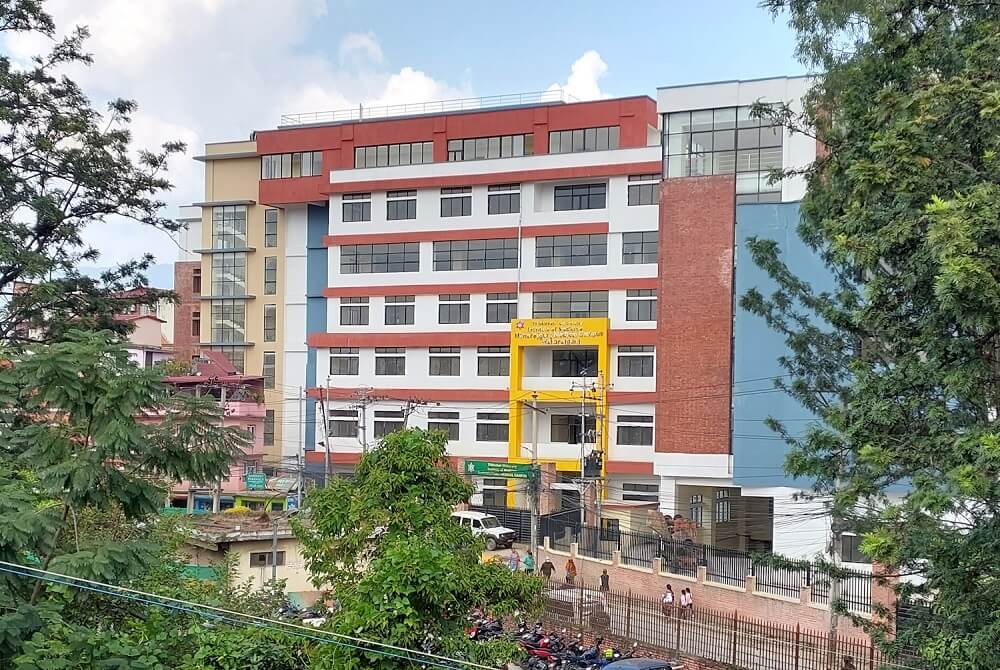
This distinction is important because MMC is not an independent university. Academic programs, curricula, examinations, admissions, hospital-based education, and professional regulation involve several institutions and authorities.
The Institute of Medicine provides the academic framework for health-profession education, while examination administration is handled through the IOM Office of the Dean and its Examination Control Division.
Admission to medical and health-profession programs is linked with the national system administered by the Medical Education Commission. Professional registration after graduation is handled separately by the relevant regulatory council, depending on the profession.
MMC's academic scope includes undergraduate education, postgraduate residency and specialist education, dental education, allied health sciences, and DM/MCh higher-specialty programs.
Its academic setting also includes basic medical sciences, diagnostic disciplines, medicine, surgery, dentistry, pharmacy, rehabilitation-related fields, emergency care, and advanced clinical specialties.
This layered structure means that students at different stages of health-profession education may study within the same broader institutional setting while following different curricula, entrance requirements, examination systems, clinical responsibilities, and professional registration pathways.
MMC's history dates to 1972, when Tribhuvan University upgraded the Auxiliary Health Workers School to campus status. The new academic unit was initially called Central Campus and began with health-worker and allied health science education.
Its development was gradual. The campus expanded from health-worker preparation into undergraduate medicine, postgraduate specialist education, dentistry, allied health sciences, and advanced medical and surgical specialties.
| Year | Institutional or academic milestone |
|---|---|
| 2029 BS / 1972 AD | Campus established as Central Campus after the Auxiliary Health Workers School was elevated to campus status |
| 2030 BS / 1973 AD | Certificate-level General Medicine, Health Laboratory, and Radiography programs began |
| 2035 BS / 1978 AD | MBBS program began |
| 2039 BS / 1982 AD | MD-level education began, with MD General Practice recorded as the first MD program |
| 2044 BS / 1987 AD | BMLT and MD Ophthalmology were introduced |
| 2051 BS / 1994 AD | MD Internal Medicine, MS General Surgery, and MD Obstetrics and Gynaecology began |
| 2008 AD | MCh education began |
| 2010 AD | DM education began |
| 2018 AD | BDS program began |
| 2019 AD | Bachelor of Perfusion Technology began |
A major stage in the development of the campus came with the establishment of Tribhuvan University Teaching Hospital. Its presence created an environment where medical education could be connected directly with supervised clinical practice and specialist healthcare.
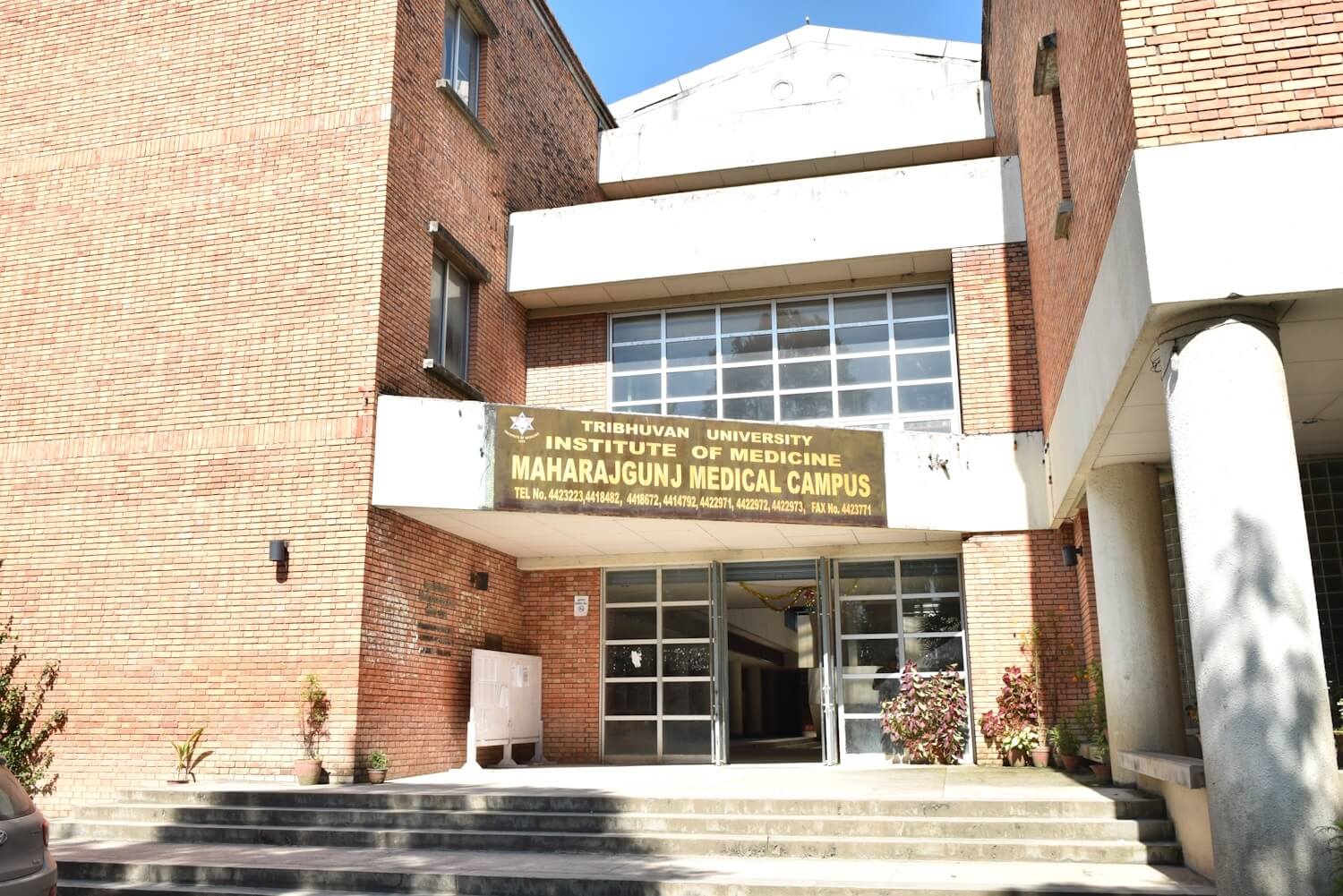
The introduction of MBBS established undergraduate medical education at the campus. Postgraduate MD and MS programs later expanded specialist training across medical, surgical, laboratory, diagnostic, and basic-science disciplines.
The development of DM and MCh programs added another level of academic specialization for doctors who had already completed relevant postgraduate qualifications.
Dental and allied health education expanded alongside medicine. The resulting academic structure covers medicine, dentistry, pharmacy, laboratory science, imaging, optometry, audiology and speech-language pathology, perfusion technology, and several postgraduate and higher-specialty disciplines.
MMC's academic purpose is closely connected with the development of human resources for health. Its institutional objectives cover professional education, healthcare, research, continuing education, and academic cooperation.
The objectives include:
These objectives are reflected in the range of departments and programs at the campus.
Basic medical science departments provide scientific foundations for health-profession education, while clinical departments support diagnosis, treatment, procedures, surgical education, and supervised specialty training.
The institutional framework also connects teaching with research and continuing professional education rather than limiting academic activity to classroom instruction.
MMC conducts academic programs at bachelor's, postgraduate, and higher-specialty levels across medicine, dentistry, and allied health sciences.
The courses differ significantly in entry requirements, academic structure, duration, clinical responsibilities, examination format, and professional registration requirements. Students should therefore consider each course as a separate professional pathway rather than treating the academic portfolio as a single admission category.
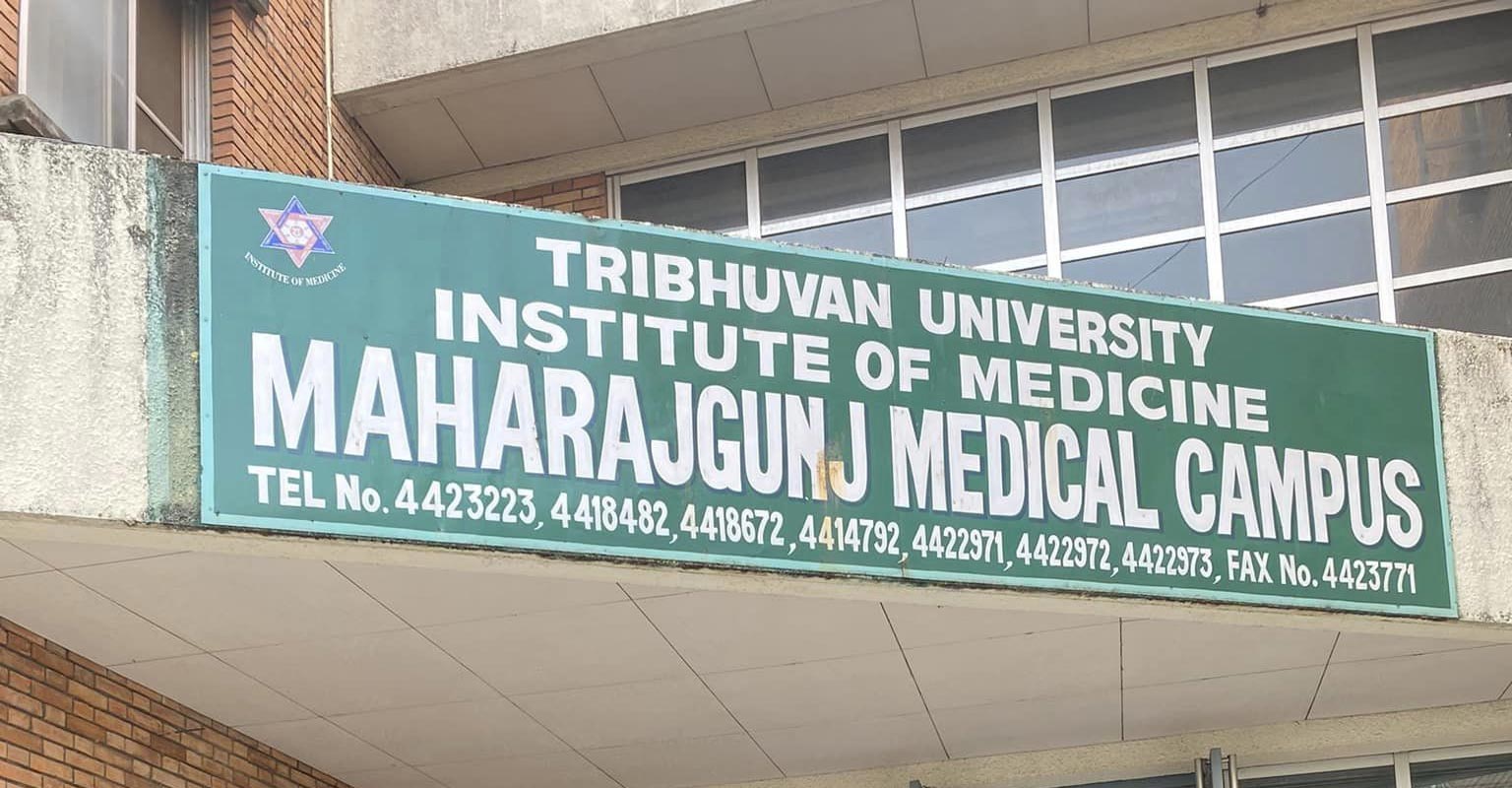
The bachelor's-level portfolio includes medicine, dentistry, pharmacy, diagnostic sciences, vision science, audiology and speech-language pathology, medical laboratory technology, and perfusion technology.
| Academic area | Program |
|---|---|
| Medicine | Bachelor of Medicine, Bachelor of Surgery (MBBS) |
| Dentistry | Bachelor of Dental Surgery (BDS) |
| Allied health science | Bachelor in Audiology and Speech Language Pathology (BASLP) |
| Allied health science | Bachelor in Optometry (B Optom) |
| Allied health science | Bachelor of Perfusion Technology (B Perf Tech) |
| Pharmacy | Bachelor of Pharmacy (B Pharm) |
| Diagnostic science | BSc Medical Imaging Technology (BSc MIT) |
| Laboratory science | Bachelor in Medical Laboratory Technology (BSc MLT) |
The undergraduate portfolio includes programs leading toward different types of professional work.
MBBS is the undergraduate medical program, while BDS provides undergraduate dental education. Pharmacy focuses on pharmaceutical education, and allied health programs prepare students in laboratory technology, medical imaging, optometry, audiology and speech-language pathology, and perfusion technology.
These programs also differ in their professional regulatory pathways after graduation. Completion of an academic degree and entry into professional practice are separate stages where licensing or registration requirements apply.
Postgraduate medical education at MMC includes Doctor of Medicine and Master of Surgery programs across clinical medicine, surgery, diagnostic disciplines, and basic medical sciences.
The postgraduate medical and surgical course portfolio includes:
Community Medicine is also included in the postgraduate medical portfolio.
The structure extends beyond hospital-based clinical specialties. Basic and laboratory disciplines operate alongside clinical medicine and surgery, allowing postgraduate education to include teaching-oriented, diagnostic, laboratory, generalist, specialist, and surgical pathways.
Postgraduate programs may involve structured clinical responsibilities, theory, practical assessment, departmental work, research, and thesis-related requirements according to the relevant curriculum.
Dental postgraduate education includes Master of Dental Surgery programs.
MDS Orthodontics (MDS Ortho) forms part of this dental postgraduate pathway, alongside MDS in Oral and Maxillofacial Surgery.
Postgraduate and advanced allied health programs include:
These programs broaden the campus's postgraduate academic scope beyond medicine and surgery and provide advanced study in laboratory science, psychology, imaging, and related fields.
Higher-specialty education is organized through DM programs in medical specialties and MCh programs in advanced surgical disciplines.
These programs are intended for doctors who meet the relevant postgraduate qualification and specialty requirements for the particular field.
The higher-specialty medical portfolio includes:
DM Cardiothoracic Vascular Anaesthesiology and Critical Care focuses on specialized perioperative and critical-care management for patients undergoing cardiac, thoracic, and vascular surgery as well as interventional cardiology procedures.
Eligibility for DM CTVA & CC is based on MD Anaesthesiology or an equivalent qualification together with specialty registration in the Nepal Medical Council or the relevant medical council of the candidate's country.
The program's objectives include developing proficiency in preoperative, intraoperative, and postoperative management, postoperative critical care, multidisciplinary teamwork, research, communication, ethical practice, and professionalism.
Manmohan Cardiothoracic Vascular & Transplant Center serves as the approved training center for this program.
Higher-specialty surgical programs include:
MCh programs sit above the postgraduate surgical level and focus on advanced specialty training.
Eligibility depends on the relevant previous postgraduate qualification and the specialty requirements established for the individual program.
Admission to medical and health-profession education operates within the framework of the Medical Education Commission.
Bachelor-level medical and health-profession admissions are linked with the Medical Education Common Entrance Examination for Bachelor Level (MECEE-BL).
Applicants follow the prevailing MEC entrance, merit, matching, scholarship, category, seat-allocation, and admission procedures applicable to the relevant admission cycle.
Postgraduate medical education is connected with the Medical Education Common Entrance Examination for Postgraduate Level (MECEE-PG). Admission follows the applicable MEC framework for entrance examination, merit, priority setting, matching, scholarship provisions, and seat allocation.
Seat numbers are determined under the MEC framework and may vary between admission cycles. They should therefore not be treated as permanently fixed institutional figures.
Scholarship arrangements, admission procedures, seat distribution, matching rules, examination guidelines, and the official admission calendar may also be revised through MEC decisions.
Admission requirements vary by academic level and course.
A bachelor's-level applicant, an MD/MS applicant, and a DM/MCh applicant follow different academic eligibility requirements. Higher-specialty programs may require a specific postgraduate degree and specialty registration before a candidate becomes eligible.
The admission process therefore involves more than direct application to the campus. Candidates must first satisfy the national entrance and matching framework applicable to their course before completing the relevant institutional admission requirements.
MMC follows health-profession curricula developed within the Institute of Medicine framework.
The exact learning structure differs considerably between undergraduate, postgraduate, dental, allied health, and higher-specialty programs.
MBBS education combines basic medical sciences, community medicine, clinical disciplines, practical learning, clinical skills, and internship-related training.
Dental education combines basic medical and dental sciences with progressively clinical dental training.
Allied health programs are structured around the needs of their individual disciplines. Laboratory technology, medical imaging, optometry, pharmacy, audiology and speech-language pathology, and perfusion technology therefore follow different practical, laboratory, clinical, and technical learning requirements.
Postgraduate medical and surgical education operates at a more advanced level. Depending on the program, learning may include specialty-based clinical responsibilities, theory, practical examinations, research activity, thesis work, case discussion, procedures, and supervised departmental duties.
DM and MCh programs narrow the academic focus further into advanced specialty and subspecialty practice.
For example, DM CTVA & CC includes areas related to cardiac, thoracic, and vascular anesthesia, interventional cardiology, perioperative assessment, advanced monitoring, postoperative critical care, complex critical-care scenarios, multidisciplinary teamwork, research, communication, ethical practice, and professionalism.
Examination administration is handled at the Institute of Medicine level through the Office of the Dean and Examination Control Division.
This distinction is relevant for students looking for examination routines, examination centers, academic notices, and examination-related results because such functions are not administered solely at campus level.
MMC has departments covering basic medical sciences, clinical medicine, surgery, dentistry, pharmacy, diagnostic disciplines, emergency care, and higher-specialty fields.
Academic departments include:
This departmental structure connects foundational sciences with diagnosis, medical treatment, surgical practice, critical care, specialty procedures, dental education, pharmaceutical studies, and advanced clinical training.
For undergraduate students, departments provide subject-specific academic teaching and practical learning.
For postgraduate and higher-specialty students, departments also become the primary setting for specialty-focused academic work, clinical responsibilities, procedures, case-based learning, research, and supervised training.
Medical and health-profession education requires clinical settings in which academic knowledge can be connected with supervised patient care.
MMC operates within the Maharajgunj academic-health environment, where several major hospitals and specialized centers are located.
Associated hospitals and centers include:
Tribhuvan University Teaching Hospital is central to the campus's clinical teaching environment.
Clinical departments, postgraduate medical education, residency activities, and hospital-based teaching are closely connected with this setting.
The BP Koirala Lions Center for Ophthalmic Studies provides a specialized ophthalmic teaching and clinical environment.
Manmohan Cardiothoracic Vascular and Transplant Center supports advanced cardiothoracic, vascular, transplant, cardiology, anesthesia, critical-care, and related training.
The dental teaching hospital provides a dedicated setting for dental education and clinical dental practice.
These hospitals and centers form part of the broader Institute of Medicine academic-health structure. Their academic association with MMC should not be interpreted as meaning that every associated facility is independently owned or administered by the campus.
Research forms part of MMC's institutional objectives.
Its academic mandate includes educational research and bio-medico-social research alongside teaching and healthcare activities.
The diversity of departments creates several areas for academic inquiry.
Basic and laboratory departments work in fields such as anatomy, biochemistry, microbiology, pathology, pharmacology, physiology, and related sciences.
Clinical departments work with specialty-based patient care, diagnosis, treatment, procedures, surgery, and clinical education.
Postgraduate and higher-specialty programs also introduce research-related responsibilities at more advanced levels.
Depending on the program, students may engage with research methodology, thesis planning, data analysis, specialty-focused academic work, medical ethics, biostatistics, scholarly presentation, and supervised research activity.
DM CTVA & CC, for example, includes research and academic publication within its educational objectives in addition to advanced specialty practice.
Continuing education is another component of MMC's institutional objectives. The campus framework therefore extends beyond initial professional preparation to include postgraduate study, specialty education, research, and continuing academic development.
The MMC Campus Library supports academic reading, reference work, independent learning, research preparation, and study.
Resources associated with the library include:
These resources support students whose courses require extensive reference reading, journal consultation, thesis work, and independent academic preparation.
Laboratory and technical learning also form part of several academic programs.
Disciplines such as anatomy, biochemistry, pathology, microbiology, pharmacy, medical laboratory technology, and medical imaging depend on practical and technical learning in addition to classroom teaching.
Clinical programs similarly require supervised learning in hospital and specialty-care environments.
The combination of library, laboratory, classroom, departmental, and hospital-based learning reflects the different academic requirements of the courses conducted at MMC.
Maharajgunj Medical Campus operates as a non-residential campus. Hostel residence is therefore not compulsory for students.
Accommodation is organized through separate hostel categories for different groups.
| Hostel category | Student group |
|---|---|
| Boys Hostel | Male undergraduate students |
| Girls Hostel | Female undergraduate students |
| International Hostel | International students at graduate and postgraduate levels |
| Postgraduate Hostel | Doctoral-level students |
Hostel accommodation depends on available capacity.
Admission to an academic program should therefore not be treated as automatic confirmation of a hostel place.
The hostels form part of the wider Maharajgunj academic complex along with academic buildings, teaching hospitals, specialized centers, and other Institute of Medicine facilities.
Academic graduation and permission to enter professional practice are separate stages in regulated health professions.
For medicine and dentistry, the Nepal Medical Council is responsible for professional registration and licensing functions applicable to medical and dental graduates.
Graduates must satisfy the council requirements that apply before entering professional practice.
Several allied health professions are regulated through the Nepal Health Professional Council.
Disciplines within its regulatory framework include Medical Laboratory Technology, Optometry, Medical Imaging Technology, Audiology and Speech Language Pathology, and Perfusion Technology.
Pharmacy professional registration is handled through the Nepal Pharmacy Council.
Students should therefore distinguish between three different stages:
The relevant professional council determines the professional registration requirements rather than the campus alone.
For postgraduate and higher-specialty medical programs, additional specialty-registration requirements may also apply.
DM CTVA & CC, for example, requires specialty registration in the Nepal Medical Council or the corresponding medical council of the applicant's country as part of its eligibility framework.
Maharajgunj Medical Campus and Maharajgunj Nursing Campus are separate constituent campuses within the Institute of Medicine structure.
Their shared location name can create confusion, but nursing programs should not automatically be attributed to MMC.
The confirmed bachelor's-level academic portfolio of Maharajgunj Medical Campus includes MBBS, BDS, BASLP, Bachelor of Optometry, Bachelor of Perfusion Technology, Bachelor of Pharmacy, BSc Medical Imaging Technology, and BSc Medical Laboratory Technology.
The same distinction applies to broader Institute of Medicine activities.
An IOM-wide program, hospital, examination function, research activity, or administrative responsibility should not automatically be presented as an MMC-exclusive function unless it specifically belongs to the campus.
This distinction helps maintain clarity between the campus, the Institute of Medicine, Tribhuvan University, associated hospitals, and other constituent campuses.
MMC accommodates students at several stages of professional health education.
An undergraduate student may enter medicine, dentistry, pharmacy, medical laboratory technology, medical imaging technology, optometry, audiology and speech-language pathology, or perfusion technology.
A medical graduate may progress into an MD or MS discipline after meeting the applicable entrance and academic requirements.
A qualified postgraduate specialist may proceed to selected DM or MCh higher-specialty programs where the required previous degree and specialty registration conditions are met.
This layered academic structure is a defining feature of MMC.
Basic medical science departments operate alongside clinical medicine, surgery, dentistry, diagnostic disciplines, pharmacy, allied health sciences, critical care, and higher-specialty fields.
The clinical setting adds another dimension to the academic structure.
Tribhuvan University Teaching Hospital and specialized centers allow many disciplines to connect academic study with supervised clinical work, patient care, procedures, diagnostics, surgery, specialty services, and residency-based learning.
At the same time, different authorities remain responsible for different parts of a student's academic and professional journey.
Tribhuvan University and the Institute of Medicine provide the university and institute context. The Medical Education Commission administers the national entrance and matching framework. The Institute of Medicine manages curricula and examination-related functions. Relevant professional councils govern licensing and registration for professional practice.
Understanding these separate responsibilities is important because admission, academic study, examination, graduation, and professional registration are connected but distinct processes.
Yes. Maharajgunj Medical Campus is a constituent campus of the Institute of Medicine under Tribhuvan University. It operates within the TU-IOM academic and administrative structure rather than as an independent university.
Its origin as a campus dates to 2029 BS (1972 AD), when Tribhuvan University elevated the Auxiliary Health Workers School to campus status and initially named it Central Campus.
The bachelor's-level portfolio includes MBBS, BDS, BASLP, Bachelor of Optometry, Bachelor of Perfusion Technology, Bachelor of Pharmacy, BSc Medical Imaging Technology, and BSc Medical Laboratory Technology.
Yes. Its postgraduate academic portfolio includes MD and MS programs across basic medical sciences, clinical specialties, diagnostic fields, and surgical disciplines. Dental and allied health postgraduate programs are also included in the academic structure.
Yes. DM programs include Cardiology, Critical Care Medicine, Emergency Medicine, Gastroenterology, Nephrology, Neurology, and Cardiothoracic Vascular Anaesthesiology and Critical Care.
MCh programs include Cardiothoracic and Vascular Surgery, Neurosurgery, Plastic Surgery, Surgical Gastroenterology, and Urology.
Admission is linked with the Medical Education Commission common entrance and matching framework.
Bachelor-level applicants follow the applicable MECEE-BL process, while postgraduate applicants follow the applicable MECEE-PG framework. Merit, matching, seat allocation, scholarships, and admission procedures are governed by the rules applicable to the relevant admission cycle.
Yes. Completing an academic degree does not replace professional registration requirements.
Medical and dental graduates follow Nepal Medical Council requirements, several allied health professions fall under the Nepal Health Professional Council, and pharmacy registration is handled through the Nepal Pharmacy Council.
No. Maharajgunj Nursing Campus is a separate constituent campus within the Institute of Medicine.
Nursing programs should therefore not be treated as Maharajgunj Medical Campus programs merely because both institutions are located in Maharajgunj.
The Maharajgunj academic-health setting includes Tribhuvan University Teaching Hospital, BP Koirala Lions Center for Ophthalmic Studies, Manmohan Cardiothoracic Vascular and Transplant Center, Ganesh Man Singh Memorial Academy of ENT and Head Neck Studies, Suresh Wagle Cancer Center, and Tribhuvan University Dental Teaching Hospital.