Bachelor of Arts (BA) at Supreme College, Samakhushi, is a four-year humanities and social sciences degree under Tribhuvan University (TU). The program sits within the Faculty of Humanities and Social Sciences and follows TU’s national BA structure.
Supreme College was established in 2013 AD at Samakhushi Chowk, Kathmandu, with the aim of opening higher education to learners who had been unable to continue their studies earlier. The college is affiliated to Tribhuvan University and runs four-year BBS and BA programs with specialisations in Social Work, English and Journalism.
If you want a broad grounding in humanities and social sciences while keeping space for majors like English, Social Work or Journalism, BA at Supreme College offers that path inside the TU framework.
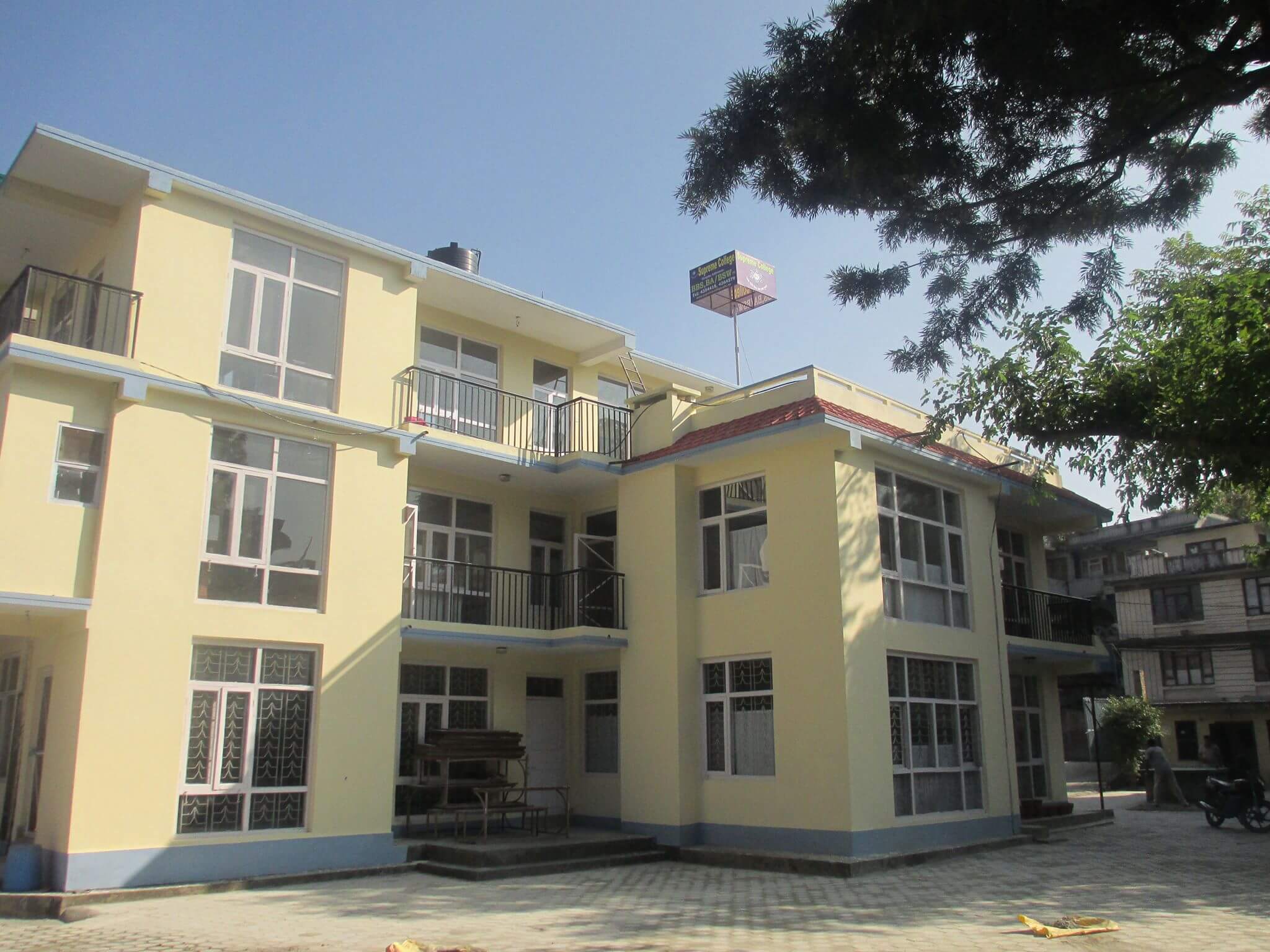
Four-year BA program under Tribhuvan University, Faculty of Humanities and Social Sciences
Location at Samakhushi (Gongabu) in Kathmandu, Nepal
BA programs with specialisations in Social Work, English and Journalism
Focus on students who previously missed or postponed higher education, including underprivileged and marginalised groups
E-library with around five thousand e-books across many disciplines
Science laboratory, computer lab with full-time internet, multimedia support, ECA, cafeteria and counselling services
The BA program at Supreme College follows the standard four-year BA curriculum approved by Tribhuvan University.
Key structural points include:
Total of 2,000 marks spread over four academic years (500 marks per year)
Three compulsory subjects within the BA framework (Compulsory English, Compulsory Nepali and Nepal Studies) offered across different years
Two major subjects of 700 marks each selected from the list recognised by FOHSS (for example, English, Social Work, Journalism), depending on what the college offers and TU regulations
Two elective subjects of 100 marks each from approved BA elective groups
Students at Supreme College choose their BA majors within this structure. A student may, for instance, follow BA with Social Work and English majors, or Journalism combined with another humanities subject, depending on the college’s current subject combinations and TU rules for that academic year.
Written examinations usually carry 70 marks per subject, and internal assessment (such as class tests, presentations and attendance) covers the remaining 30 marks under FOHSS guidelines.
The BA program at Supreme College follows the broader aims of the four-year BA under Tribhuvan University.
Key objectives include:
Helping students understand major ideas in humanities and social sciences through structured study
Strengthening communication skills in English and Nepali for academic and professional contexts
Encouraging informed thinking about society, culture, economy and politics in Nepal
Building a foundation for specialised study in subjects such as English, Social Work, Journalism, Economics, Sociology, Rural Development and related areas under TU
Preparing graduates who can contribute in education, community work, administration, media and other sectors where BA backgrounds are relevant
For you as a learner, the BA program serves as a flexible platform: you gain an academic base but also space to test your interests before deciding on long-term directions.
BA graduates from Supreme College form part of the nationwide group of BA graduates under Tribhuvan University.
Possible pathways include:
Further study in MA programs in English, Social Work, Journalism, Sociology, Rural Development, Political Science and other humanities and social science fields, subject to each institution’s admission rules
Teacher training and school-level teaching roles where BA with relevant majors is accepted
Eligibility for many public service examinations that require a bachelor’s degree from a recognised university, according to the rules of the concerned commissions
Employment in NGOs, community organisations and development projects where background in social sciences and communication is useful
The BA structure helps students who want a broad foundation first and then plan more focused study or training.
By the end of BA at Supreme College, students are expected to:
Read and interpret texts from humanities and social sciences in a structured way
Write clear essays, reports and examination answers in English and Nepali that follow academic norms
Discuss social, cultural and economic issues using concepts from their major subjects
Use library and digital resources, including TU-approved materials and the college e-library, for assignments and exam preparation
Prepare short research-based assignments or term papers where required by their major syllabi
Work responsibly in groups, respect different viewpoints and meet course deadlines
These outcomes matter if you plan to enter fields that rely on reading, writing, analysis and interaction with diverse people.
Across four years, BA students at Supreme College build multiple skill sets, even though the curriculum does not formally use the word “module”.
Important skill areas include:
Language and communication skills:
Improved fluency in English and Nepali
Practice in classroom discussions, presentations and written assignments
Analytical and critical thinking skills:
Comparison of ideas across subjects such as literature, history, sociology or social work
Ability to link theory with examples from Nepali society
Research and documentation skills:
Use of reference books and articles from the e-library
Basic data collection or field-based observation where required by majors
Personal and social skills:
Time management during exams and internal assessments
Experience in teamwork through group presentations and co-curricular activities
Teaching in BA at Supreme College follows Tribhuvan University syllabi and examination rules, supported by the college’s own academic environment.
Students typically experience:
Classroom lectures and discussions guided by subject teachers
Use of the e-library and printed materials for reading and assignments
Internal assessments through class tests, presentations and attendance as specified by FOHSS
Occasional co-curricular and extra-curricular activities that support communication and confidence
The college is run by experienced academicians and professionals, which helps maintain continuity in teaching and evaluation.
Admission to Bachelor of Arts (BA) at Supreme College is governed by Tribhuvan University’s rules for the four-year BA program under the Faculty of Humanities and Social Sciences.
Applicants are expected to:
Complete ten plus two, PCL or an equivalent qualification from a recognised board
Meet the minimum grade or percentage required by FOHSS for BA admission in the relevant academic year
Follow any merit-based or entrance process that TU or the college introduces for BA and specific majors
Students and parents should contact the Supreme College administration at Samakhushi Chowk for the latest information on eligibility, combination options (such as English, Social Work or Journalism as majors), application forms and deadlines.
BA graduates from Supreme College can move into different fields, depending on their majors, performance and further training.
Possible directions include:
Teaching at school level after completing required pedagogical training and licensing
Junior administrative roles in colleges, schools, offices and local institutions
Work in NGOs, community-based organisations and local development projects where social science understanding and communication skills are needed
Content-related roles such as basic editing, translation, documentation or public information support
Preparation for competitive examinations in public service, banking and other sectors that accept BA degrees from Tribhuvan University
The BA degree serves as a broad base from which you can specialise through postgraduate study, professional qualifications or sector-specific training.
Supreme College identifies scholarship support as one of its core features and gives priority to students from underprivileged and marginalised communities.
Scholarships for BA students may consider:
Academic results in previous examinations
Socio-economic background
Internal categories and criteria fixed by the college for a given intake
Applicants are advised to inquire at the college office about current scholarship schemes, required documents and application timelines when planning admission to BA.
Students and parents may see BA at Supreme College as one option among TU-affiliated colleges in Kathmandu for several reasons:
The program runs under Tribhuvan University, which offers a nationally recognised BA structure in humanities and social sciences.
Supreme College is located at Samakhushi Chowk, accessible from nearby residential areas such as Gongabu and other parts of the city.
The college explicitly focuses on students who previously lacked access to higher education, including those from underprivileged and marginalised communities.
BA students study in an environment where BBS, BA in English, BA in Journalism and BSW are also offered, which encourages interaction across management, humanities and social work fields.
Facilities such as the e-library, science laboratory, computer lab with internet, multimedia support, ECA, cafeteria and counselling services make regular study and campus life more manageable.
Bachelor of Arts (BA) at Supreme College, Samakhushi, Kathmandu, brings together the four-year TU BA curriculum and a college mission that stresses access, inclusion and academic growth.
1. How long is the BA program at Supreme College?
BA at Supreme College is a four-year program under the Faculty of Humanities and Social Sciences of Tribhuvan University, carrying a total of 2,000 marks.
2. Which majors are available in BA at Supreme College?
The college runs BA programs with specialisations in Social Work, English and Journalism under the Tribhuvan University BA framework. Exact combinations depend on the subject options offered in a given academic year.
3. What is the basic eligibility for BA admission?
Applicants need ten plus two, PCL or an equivalent qualification from a recognised board and must meet Tribhuvan University’s minimum grade requirements for BA. Students should check the latest notice from FOHSS and Supreme College for detailed criteria.
4. What facilities support BA students at Supreme College?
BA students have access to an e-library with around five thousand e-books, a science lab, a computer lab with internet, multimedia-supported learning, ECA activities, a cafeteria and counselling services.
5. Can BA graduates from Supreme College continue to master’s level?
Yes. BA graduates from TU-affiliated colleges are eligible to apply for MA programs in English, Social Work, Journalism and other humanities and social science subjects, subject to the admission rules of the respective university or campus.