The Diploma in Pharmacy at Unique College of Medical Science, Saptari is a three-year pharmacy program affiliated with the Council for Technical Education and Vocational Training (CTEVT). It follows a yearly academic system and prepares middle-level pharmacy personnel for responsibilities related to medicines, prescription handling, dispensing, pharmaceutical services, community and hospital pharmacy, medicine production, and quality assessment.
The course begins with science and general academic subjects, moves into core pharmacy disciplines in the second year, and concludes with advanced pharmacy study and comprehensive field practice in the third year.
Course: Diploma in Pharmacy
Level: Diploma
College: Unique College of Medical Science, Saptari
Location: Rajbiraj-6, Saptari, Nepal
Affiliation: CTEVT
Duration: 3 years
Study System: Yearly system
Medium of Instruction: English or Nepali
Attendance Requirement: Minimum 90% in each subject
Curriculum Group Size: Maximum 40 students
Professional Area: Pharmacy Assistant-level education
The Diploma in Pharmacy curriculum is structured around the work performed by pharmacy assistants in health institutions and pharmacy services. Students study how medicines are prepared, supplied, dispensed, handled, and used within hospital, community, and pharmaceutical settings.
The program also develops knowledge related to prescription interpretation, medicine use, patient counseling, pharmaceutical supply, medicine production, and assessment of medicine quality. Its objectives include safe and effective medication services, rational use of medicines, and responsible pharmacy practice.
Applicants should have passed SEE or SLC.
For SEE applicants, the CTEVT curriculum specifies a minimum GPA of 2.0 with C grade in Compulsory English, Mathematics, and Science, or eligibility according to the applicable admission guidelines of the CTEVT Office of the Controller of Examinations.
Applicants are required to submit:
SEE/SLC pass certificates
citizenship or birth registration certificate
the required CTEVT entrance qualification
Candidates must pass the entrance examination administered by CTEVT. Applicants meeting the entry qualification and criteria are selected for admission according to the merit list.
Admission, scholarship, examination, certification, and other academic provisions follow the prevailing CTEVT rules for the respective academic cycle.
The program runs for three years under the yearly system. Each academic year consists of 35 academic weeks or 210 working days, while one academic week consists of 40 hours excluding the examination period.
The curriculum is arranged so that students first establish a general science foundation, then move into pharmacy-specific subjects, followed by advanced professional study and workplace-based field practice.
The first year builds the scientific and academic foundation required for pharmacy study. Subjects include:
English
Nepali
Social Studies
Anatomy and Physiology
Physics
Chemistry
Zoology
Botany
Mathematics and Statistics
Several science subjects include practical components alongside theory.
The second year shifts into the main pharmaceutical disciplines:
Pharmaceutics I
Pharmacology I
Pharmaceutical Chemistry I
Pharmacognosy
Biochemistry and Microbiology
Pharmacotherapeutics I
Pharmaceutical Management
Public Health Pharmacy
Pharmaceutics, Pharmacology, Pharmaceutical Chemistry, Pharmacognosy, Biochemistry and Microbiology, and Public Health Pharmacy include practical study as part of the teaching and assessment structure.
The final year develops more advanced pharmacy knowledge through:
Pharmaceutics II
Pharmacology II
Pharmaceutical Chemistry II
Hospital and Clinical Pharmacy
Pharmaceutical Jurisprudence and Community Pharmacy Practice
Pharmacotherapeutics II
Comprehensive Field Practice
Practical components accompany the major pharmaceutical subjects.
An important part of the third year is eight weeks of comprehensive field practice or workplace learning.
The curriculum divides this into:
four weeks of Hospital Pharmacy Practice
four weeks in a health facility/community pharmacy, pharmaceutical industry, or regulatory body
The field component carries its own internal supervision, internal examination, and final examination structure.
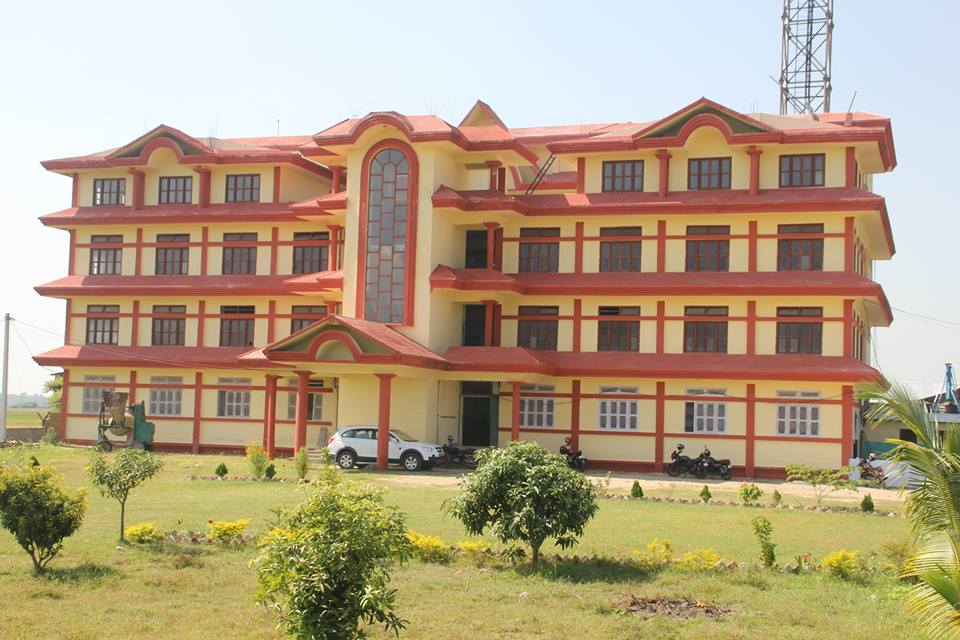
At Unique College of Medical Science, the academic setting also includes a 55-bed teaching hospital, which forms part of the institution's clinical learning environment for relevant health science programs.
The course moves beyond the study of medicines as scientific products. Students are introduced to how pharmacy services function in hospitals and communities and how medicines are handled within professional practice.
The curriculum addresses areas such as:
prescription reading and interpretation
medicine dispensing and appropriate use
patient counseling
pharmaceutical formulation and preparation
medicine quality assessment
pharmacology and therapeutics
community pharmacy practice
hospital and clinical pharmacy
pharmaceutical management
public health pharmacy
pharmacy laws, professional ethics, and professional conduct
Third-year Pharmaceutical Jurisprudence and Community Pharmacy Practice also includes communication, rational medicine use, prescription handling, patient counseling, health education, community pharmacy management, and professional ethics.
Practical work is integrated throughout the pharmacy-specific years. Students undertake activities related to pharmaceutical formulation, laboratory procedures, dosage forms, medicine preparation, and quality testing.
In Pharmaceutics II, for example, practical work covers areas such as tablet and capsule preparation, parenteral preparations, selected quality-control tests, emulsions, suspensions, creams, toothpaste, syrups, solutions, powders, suppositories, ointments, gargles, and mouthwashes.
This laboratory work is followed by the third-year comprehensive field placement, where students apply pharmacy knowledge in workplace settings.
Students must maintain at least 90% attendance in each subject to become eligible to appear in the respective final examination.
The curriculum combines continuous assessment with final assessment for theory and practical subjects. Field practice is also evaluated through supervision and examination. CTEVT rules govern examinations, back-paper provisions, academic assessment, and certification.
Diploma in Pharmacy is connected with the professional regulatory framework of the Nepal Pharmacy Council. The program is designed at Pharmacy Assistant level, and professional registration forms part of the pathway into pharmacy practice.
After completing the academic program, graduates must meet the applicable Nepal Pharmacy Council licensing and registration requirements before entering professional pharmacy practice.
The course prepares graduates for pharmacy-related responsibilities in hospital and community pharmacy services and for work connected with pharmaceutical production, medicine preparation, supply, and quality assessment.
Possible work settings covered by the curriculum include:
hospital pharmacies
community pharmacies
health facilities
pharmaceutical industries
medicine-related production and quality activities
Employment depends on professional licensing, individual competence, employer requirements, experience, and available positions.
The program may suit students who are interested in medicines, chemistry, pharmaceutical preparation, pharmacy services, laboratory work, and the safe use and supply of medicines.
Students should also be comfortable with science-based study, practical laboratory work, regular assessment, and field placement. The three-year structure requires consistent participation in both theoretical and practical learning.
The program lasts three academic years and follows the CTEVT yearly system.
Applicants should have passed SEE or SLC. SEE applicants should have at least GPA 2.0 with C grade in Compulsory English, Mathematics, and Science, or meet the applicable CTEVT admission guideline.
Yes. Candidates must pass the entrance examination administered by CTEVT. Eligible applicants are selected according to the merit list.
Second-year subjects include Pharmaceutics I, Pharmacology I, Pharmaceutical Chemistry I, Pharmacognosy, Biochemistry and Microbiology, Pharmacotherapeutics I, Pharmaceutical Management, and Public Health Pharmacy.
Yes. The third year includes eight weeks of comprehensive field practice, divided between hospital pharmacy practice and another pharmacy-related workplace setting.
Students must maintain a minimum of 90% attendance in each subject to appear in the respective final examination.
Graduates must meet the applicable licensing and registration requirements of the Nepal Pharmacy Council before entering professional pharmacy practice.