Nepal’s first bank, Nepal Bank Limited (NBL), has made a notable transformation in service delivery over the last 10 years, particularly after adopting the “Finacle” software. The key services of Nepal Bank Limited are listed below.
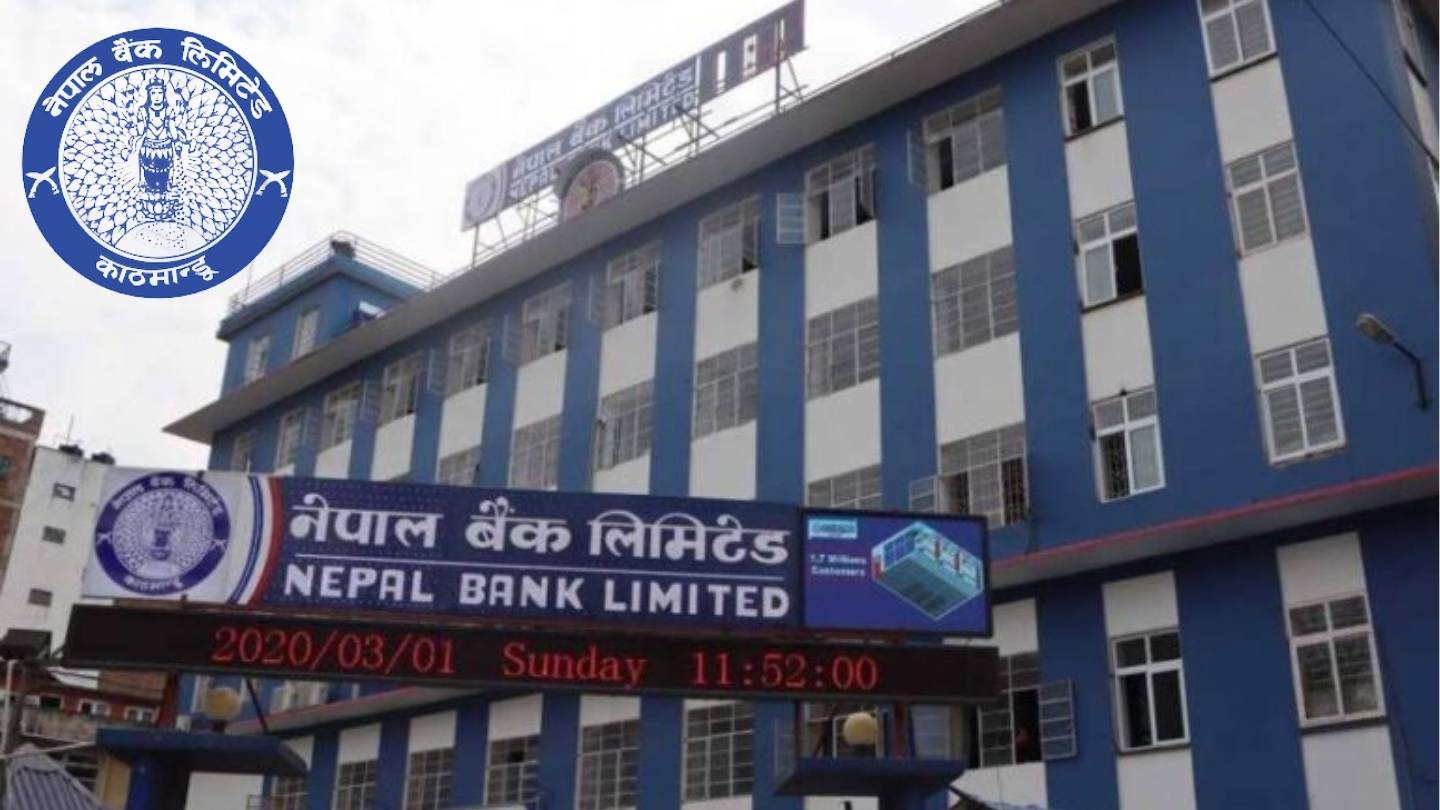
Opening an account at Nepal Bank is not only about depositing money; it is also about being connected with the country’s banking history. The major deposit schemes are as follows.
The bank has introduced accounts targeted to different age groups and segments.
General Savings Account: The minimum balance is low (NPR 500 to NPR 1,000 depending on the branch). Mobile banking and a Visa debit card facility are available.
Nari Samman Savings Account: A special account for women. It includes a discount on locker services and a small premium on the interest rate.
Senior Citizen Savings Account: For parents aged above 60. Priority is given to services such as not having to stand in line and doorstep banking.
Student or Child Savings: Can be opened with zero or minimum balance, encouraging children to build a saving habit.
Feature: Funds can be deposited for periods ranging from 3 months to 5 years or more.
Interest Rate: As a government bank, the interest rate is relatively more stable than market fluctuations. Even during a crisis, there is no fear of the bank failing (similar to a sovereign guarantee).
Loan Facility: A loan of up to 90% can be obtained immediately by keeping the fixed deposit receipt as collateral (Loan Against FD). The process is completed within 1 hour.
For businesspeople, a current account is available for daily transactions, and a “call account” is available with mixed features of savings and current accounts.
Although Nepal Bank’s loan process may appear relatively rigid in paperwork, it is favorable in terms of interest rates and long-term benefits.
Why take it: Very fast processing (within 30 minutes to 1 hour) and a lower interest rate.
Eligibility: Nepali citizen aged 18 or above.
Documents: Citizenship certificate, three-generation relationship details, and gold or silver.
Tip: When issuing a loan, the bank considers the collateral valuation rate rather than the market price of gold. Therefore, it is wise to carry around 20% to 30% more gold than the amount required for the loan you need.
Purpose: To purchase land, construct a house, or add floors.
Tenure: Up to 20 years.
Feature: For a house under construction, the bank disburses funds in installments (on a tranche basis). Having an 8-foot motorable road access is almost mandatory.
For higher education in Nepal and abroad. (Its detailed description is provided in the previous section.)
For new entrepreneurs, subsidized loans are made available under the government’s interest subsidy arrangement.
Documents: Industry registration, PAN, tax clearance, and an audit report are mandatory.
Government retirees who receive their pension through Nepal Bank can obtain a loan without collateral (based on the pension certificate). This serves as significant support in old age.
Even as a government bank, Nepal Bank’s digital progress is not behind private banks.
NBL Smart App (Mobile Banking):
Fund transfer (Fonepay or NepalPay).
QR payment (from vegetable shops to departmental stores).
Electricity, drinking water, and internet bill payment.
Feature: Ability to open a fixed deposit through the app (Online FD).
Internet Banking: Useful for corporate houses for salary payment and large-value transfers.
ConnectIPS: To directly link a bank account to the payment system.
Online Account Opening: Accounts can be opened from home or even from abroad (including Video KYC).
This service is rarely found in other banks.
Revenue Collection: Nepal Bank counters or digital channels can be used to pay taxes for passports, licenses, or company registration.
Pension Distribution: The bank has been distributing pensions to retirees in remote areas of Nepal for decades.
Provident Fund Transactions: Facility to deposit and withdraw funds related to the Employees Provident Fund.
For traders involved in export-import activities:
Letter of Credit (LC): A payment guarantee when importing goods from abroad.
Bank Guarantee: Government bodies give high priority to Nepal Bank’s guarantees for contracts and tenders (Bid Bond, Performance Bond).
NBL Remit: Money sent from abroad (from Qatar, Dubai, Malaysia, Korea, and others) is deposited directly into the account.
Domestic Remittance: Money can be sent from one place in Nepal to another using the bank counter or the app.
Safe Deposit Locker: To safely store jewelry and important documents. Note: To use this facility, a bank account and a certain deposit amount are mandatory. Because demand is high, it may be difficult to find availability.
Demat and MeroShare: To invest in the stock market, the bank opens Demat accounts through a subsidiary channel (in coordination with NIBL Ace Capital or through its own counter).
ABBS (Any Branch Banking Service): Enables deposits and withdrawals from any branch.
KYC Update: Keep your customer identification details (KYC) updated to avoid the problem of account freezing each year.
Digital Use: Instead of standing in long lines to cash cheques, develop the habit of using mobile banking or ATMs.
Complaint Handling: If you are not satisfied with any service, meet the branch manager or contact the bank’s grievance portal available on the website, or call the toll-free number 16600137373.
Disclaimer: This article has been prepared entirely for educational and informational purposes. Please do not take it as any form of investment advice or a stock-market tip. Before making any financial decision, it is recommended to conduct self-study or consult an official financial advisor.






.jpg)