Paribartan Rural Municipality, Rolpa, provides essential public services including birth, death, and marriage registration, social security distribution, health and education support, road and water infrastructure development, and agricultural extension services.
The local government emphasizes transparency, citizen participation, and rural development through annual planning, public hearings, and coordination with provincial and federal agencies.
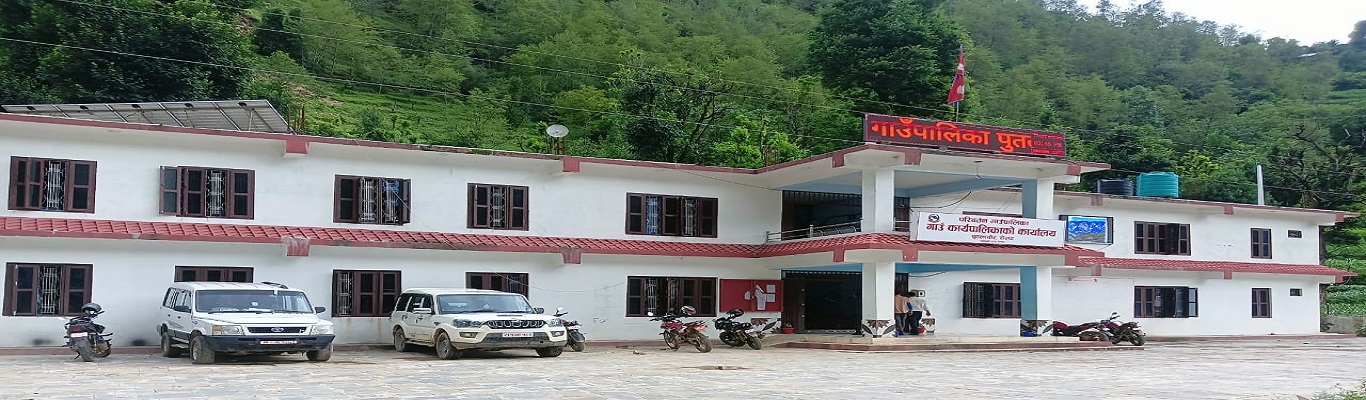
Residents of Paribartan Rural Municipality can easily access vital registration services through their ward offices. These include:
Birth, death, marriage, divorce, and migration registrations
Citizenship-related documentation and updates
Same-day processing is available in most cases, with a short grace period
Services handled directly by the Ward Chairperson and Secretary
To complete these processes, individuals typically need to present citizenship certificates, application forms, and related documentation, such as hospital records or family consent letters.
The municipality actively supports citizens through social security and digital governance services:
Distribution and management of social security allowances for eligible groups
Online registration of life events like births and deaths
Collection of public feedback for service improvements
Transparency through electronic forms and public notices
These services are designed to make the government more accessible and accountable to every household.
Each year, Paribartan prepares a detailed budget and development plan based on local needs. Core functions include:
Annual policy planning and budget publication
Issuing public notices for road construction, water projects, and school improvements
Managing procurement and contracts with transparency
Monitoring development progress through public reporting
Tenders and proposals are announced regularly for local contractors to participate in building community infrastructure.
To support its rural economy, the municipality runs several agriculture-focused programs:
Free and subsidized veterinary services (vaccination, check-ups, treatment)
Technical support for farmers and livestock owners
Distribution of improved seeds, tools, and training through the agriculture branch
Encouraging sustainable farming practices and food security
These services aim to uplift traditional farming practices with modern, practical support.
The local health branch works to ensure access to basic healthcare services, especially in remote areas. Services include:
Community health programs and sanitation awareness
Support for village clinics and health posts
Coordination for the upcoming municipal hospital as part of the national “one local level, one hospital” policy
Health workers are often deployed at the ward level to respond quickly to community needs.
Education is a key focus for the municipality. Major services include:
Improving public schools with better classrooms and facilities
Supporting nurse rooms and sanitation programs in schools
Enforcing local laws to prevent child labor in educational settings
Promoting youth participation through sports and extracurricular events
The education branch also helps monitor school enrollment and teacher management.
Paribartan Rural Municipality continues to invest in improving infrastructure across its hilly terrain:
Construction and maintenance of rural roads
Expansion of drinking water supply systems
Support for irrigation and small hydropower projects
Waste management and environmental protection programs
These projects aim to make daily life easier, especially in areas with limited access.
The municipality believes in inclusive governance and regular interaction with its citizens. It ensures:
Monthly, quarterly, and annual progress reports are shared with the public
Public hearings and community discussions are held regularly
Complaint-handling systems are available at the ward and central levels
All major decisions are made openly and with local participation
Paribartan collaborates with provincial and federal agencies to deliver key services, including:
Coordination with education, health, and infrastructure departments
Grants and support from projects like YETI for youth skill-building and job training
Joint programs with NGOs and development partners focused on rural upliftment


.jpg)