



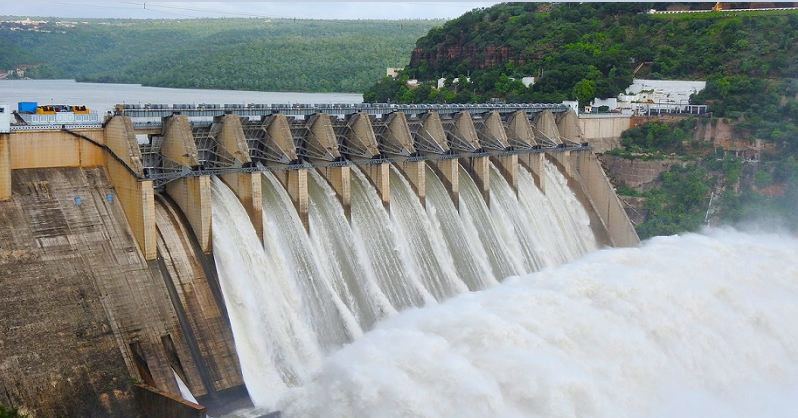
Hydropower Development in Nepal
Nepal has significant hydropower potential because of its water resources and mountainous terrain. Hydropower is an important part of the country’s energy sector and is described in the document as the primary source of electricity generation, accounting for nearly 90% of total electricity production.
Hydropower development in Nepal began in the early 20th century, with the first hydropower plant built in 1911. The sector has grown more actively in recent decades as the government, private sector, and international development partners have supported new projects.
Importance of Hydropower in Nepal
Hydropower provides Nepal with a renewable source of electricity and supports the country’s efforts to meet rising energy demand. It can also help reduce reliance on imported energy and fossil fuels.
Beyond electricity generation, hydropower projects can contribute to employment, local income, infrastructure development, and economic activity, particularly in rural areas where many projects are located. Reliable electricity can also support businesses, industries, public services, and household needs.
Key Players in Hydropower Development
Hydropower development in Nepal involves several groups.
| Key Player | Role |
|---|---|
| Government of Nepal | Develops policies, regulations, and plans for hydropower development |
| Private sector | Invests in and develops hydropower projects |
| International organizations | Provide funding, technical support, and project assistance |
| Local communities | Participate in and are affected by project development |
The document identifies the World Bank and the Asian Development Bank as international organizations that have supported hydropower projects in Nepal through funding and technical assistance.
Challenges in Hydropower Development
Despite its potential, hydropower development in Nepal faces several challenges. Political instability can affect project planning and implementation. Limited infrastructure, including roads and bridges, can make it difficult to transport equipment and materials to remote project sites.
Funding is another major challenge because hydropower projects require large capital investment. Environmental concerns also need careful attention, particularly where projects may affect local ecosystems, water resources, and communities.
Examples of Hydropower Projects in Nepal
Upper Tamakoshi Hydropower Project
The Upper Tamakoshi Hydropower Project is described in the document as Nepal’s largest hydropower project. It has a capacity of 456 MW and was completed in 2020. The project is expected to generate more than 2,100 GWh of electricity per year.
The document also states that the project created more than 5,000 jobs during construction and was expected to create more than 100 permanent jobs during operation. It is presented as an important project for electricity generation, local employment, and Nepal’s efforts to reduce dependence on imported energy.
Kulekhani Hydropower Project
The Kulekhani Hydropower Project has a capacity of 42 MW and is located near Kathmandu. According to the document, it has been in operation since 1988 and has helped provide electricity to Kathmandu Valley and surrounding areas.
Middle Marsyangdi Hydropower Project
The Middle Marsyangdi Hydropower Project is listed in the document as a 50 MW project completed in 2019. The document states that it provides electricity to more than 200,000 people in the region and has contributed to local employment and energy security.
Economic and Social Impact
Hydropower development can support Nepal’s economy by increasing electricity generation, creating jobs, and encouraging infrastructure development. Projects such as Upper Tamakoshi have generated employment during construction and are expected to provide permanent jobs during operation.
Improved electricity access can also support education, healthcare, communication, business activity, and quality of life, especially in areas where reliable power supply is limited.
Environmental Considerations
Hydropower can help reduce reliance on fossil fuels because it generates electricity without fuel combustion. This can support lower greenhouse gas emissions compared with fossil-fuel-based electricity generation.
However, hydropower projects also require careful planning and environmental assessment. The document notes concerns about the effects of hydropower projects on local ecosystems and communities. Addressing these concerns is important for sustainable hydropower development.
Future Outlook
Nepal’s hydropower potential is described as substantial, with the document citing an estimated potential of more than 42,000 MW. This potential may continue to attract investment from the government, private sector, and development partners.
The future of hydropower development in Nepal depends on how effectively the country addresses key challenges, including political instability, infrastructure limitations, financing constraints, and environmental concerns. Cooperation among government agencies, investors, development partners, and local communities will be important for sustainable progress.
Conclusion
Hydropower is a central part of Nepal’s electricity sector and has the potential to support energy security, economic development, employment, and reduced reliance on imported energy. Nepal has already developed important projects such as Upper Tamakoshi, Kulekhani, and Middle Marsyangdi.
To make better use of its hydropower potential, Nepal will need continued investment, stronger infrastructure, stable policies, responsible environmental planning, and meaningful community engagement. With these conditions in place, hydropower can remain an important part of Nepal’s long-term energy development.







Comments 0
No comments yet. Be the first to start the conversation.