



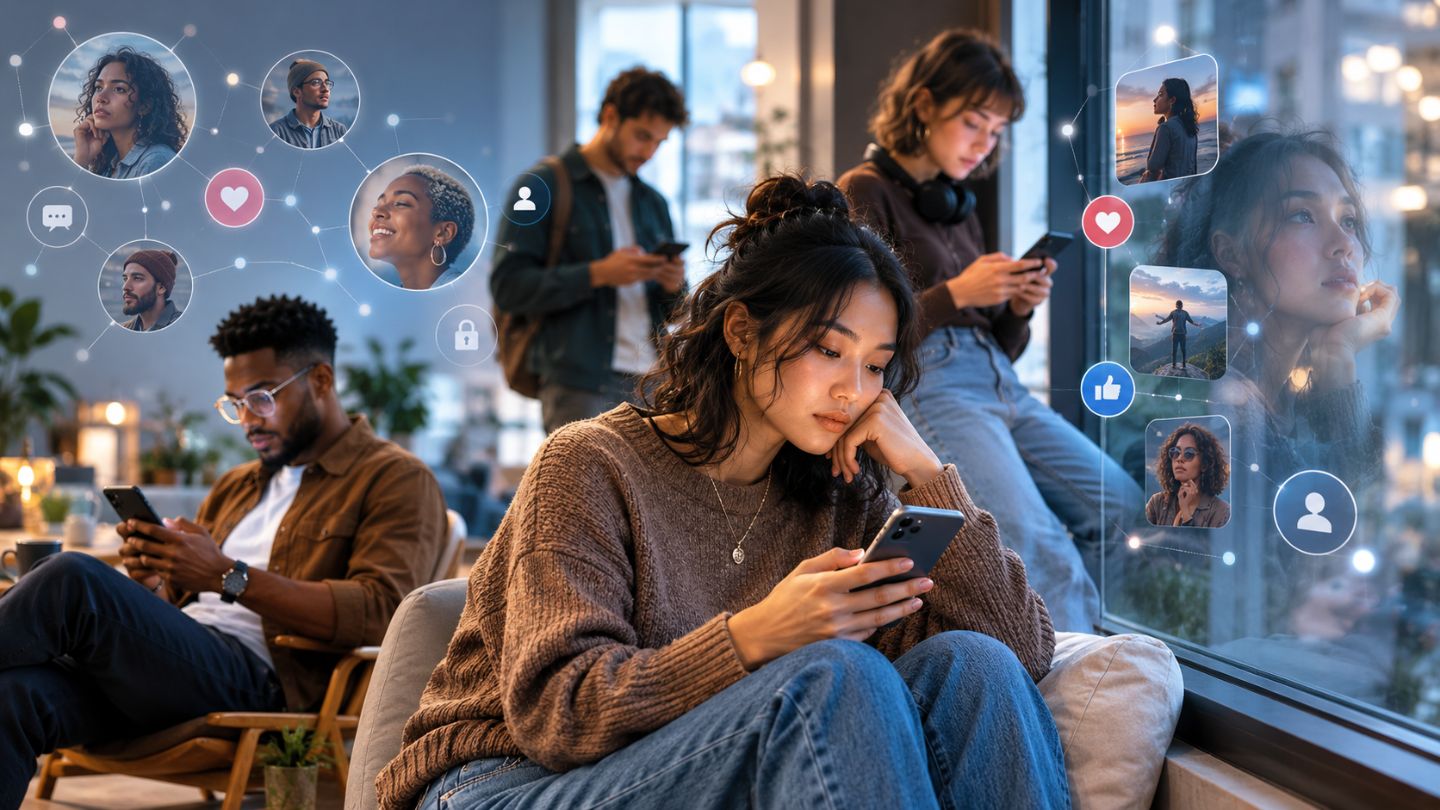
Social media is now one of the everyday spaces where people express, test, compare, and revise identity. A profile photo, username, bio, post, comment, group membership, follower list, private message, or recommendation feed can influence how people present themselves and how they think others see them.
The impact of social media on identity is not one simple story. It can support creativity, belonging, learning, visibility, and self-expression. It can also intensify comparison, performance pressure, harassment, privacy loss, impersonation, and confusion between public image and personal values.
Research on adolescents is especially relevant because identity development is active during the teen years, but the same mechanisms also matter for adults, students, professionals, creators, activists, and communities. A systematic review published online in 2024 in Adolescent Research Review examined how social media use relates to adolescent identity development, including identity exploration, self-concept clarity, and identity distress.
Answer Summary:
Social media affects identity by making self-expression visible, interactive, measurable, and partly shaped by algorithms. People choose what to show, receive feedback, compare themselves with others, join communities, follow role models, and leave digital traces. These processes can support confidence and belonging, but they can also create pressure, insecurity, privacy risks, and reputation concerns.
Table of Content
- What Identity Means in the Social Media Age
- How Social Media Shapes Identity
- Positive Impacts of Social Media on Identity
- Negative Impacts and Identity Risks
- Why the Impact Is Different for Different People
- Online Identity vs Offline Identity
- How to Reflect on Your Own Social Media Identity
- What Research Still Cannot Prove
- Conclusion
- Sources Used
Key Takeaways:
-
Social media shapes identity through self-presentation, feedback, comparison, belonging, role models, algorithms, and digital footprints.
-
Online identity is not automatically fake; it is usually a selective version of a real person.
-
Benefits include creativity, representation, connection, learning, and community.
-
Risks include comparison pressure, harassment, privacy loss, impersonation, and feeling trapped by a curated image.
-
Youth-focused evidence should be used carefully because findings depend on age, context, platform use, and individual circumstances.
-
A healthier approach starts with noticing what social media rewards, pressures, and leaves out.
What Identity Means in the Social Media Age
Identity is the way a person understands who they are. It includes values, interests, beliefs, relationships, culture, language, roles, goals, and the groups a person feels connected to.
Online identity is the part of identity that becomes visible in digital spaces. It may include a username, profile image, bio, posts, comments, saved interests, followed accounts, group memberships, and interaction style. It can be authentic, selective, playful, professional, private, experimental, or strategic.
Personal identity, social identity, and online identity
Personal identity refers to what makes a person feel like themselves: memories, values, interests, personality, ambitions, and life experiences. Social identity refers to belonging: culture, profession, generation, school group, faith community, fandom, language group, or shared cause.
Online identity connects both. A person may use social media to express personal taste, show group belonging, test new ideas, or build a public image. That image may be sincere, but it is usually incomplete.
This distinction matters because social media makes identity more visible, searchable, and measurable. A post meant for close friends may also be seen by relatives, classmates, employers, strangers, or future audiences. That audience overlap can change how people present themselves.
Why identity is not fixed
People express different sides of themselves in different settings. A student may act differently with friends, teachers, family, and teammates. A professional may speak differently on LinkedIn than in a private chat. That does not automatically mean the person is being false. It means identity is partly shaped by context.
Social media changes the context by recording, ranking, recommending, and redistributing identity signals. A small post can become searchable. A private joke can be screenshotted. A temporary trend can shape how someone is perceived later.
How Social Media Shapes Identity
Social media shapes identity through connected mechanisms. The clearest way to understand the impact is to look at how platforms turn expression into feedback, comparison, visibility, and reputation.
Self-presentation and profile curation
Every platform asks users to make choices about visibility. A profile photo, username, caption, repost, comment, reaction, or followed account can signal something about identity.
Self-presentation is not automatically dishonest. People present different parts of themselves in different spaces. The risk begins when the online version becomes so curated that the person feels trapped by it.
A student may feel pressure to appear successful. A creator may feel unable to change style because followers expect a certain image. A young person may avoid exploring interests because they fear judgment from peers.
Social comparison and feedback
Likes, comments, views, shares, and follower counts can turn identity into feedback. Positive feedback may feel validating, especially when it comes from a valued community. Negative feedback, silence, or constant comparison can make people question their appearance, talent, lifestyle, popularity, or worth.
Comparison is not always harmful. It can inspire learning, creativity, fitness, style, or career goals. But it becomes risky when people compare their ordinary life with someone else’s selected and edited public image.
For related context on confidence and comparison, readers may also review Collegenp’s article on The Impact of Social Media Culture on Self Esteem.
Communities, belonging, and identity exploration
Social media can help people find communities that may be difficult to access offline. A person may connect around language, disability, culture, study goals, creative work, faith, hobbies, migration experience, or shared life challenges.
For people who feel isolated locally, online communities may provide vocabulary, representation, peer support, and a sense of being understood. This is one reason the topic should not be framed only as a warning. Social media can create risk, but it can also help people discover that their experiences are not unusual.
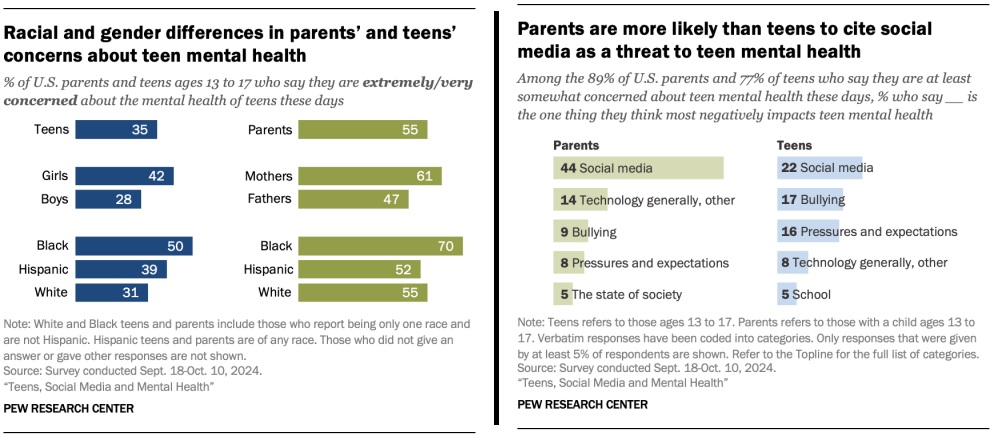
Pew Research Center’s April 2025 U.S. teen survey found that 74% of teens said what they see on social media makes them feel more connected to what is happening in friends’ lives, and 63% said social media gives them a place to show their creative side. This is U.S. teen data, not a global result, but it helps show why many users experience social media as both useful and stressful.
For a broader communication lens, Collegenp’s article on Effects of Social Media on Relationships and Communication may be useful.
Influencers, trends, and role models
Influencers and creators can shape identity by modeling styles, beliefs, habits, language, careers, activism, body ideals, and lifestyles. Some role models can be useful because they teach skills, show possibilities, or normalize forms of self-expression. Others may create unrealistic standards or blur the line between personal identity and commercial branding.
The key distinction is inspiration versus imitation. Inspiration helps a person clarify what they value. Imitation may pressure a person to perform an identity that does not fit their circumstances, culture, body, budget, or beliefs.
Algorithms and repeated identity cues
Recommendation systems influence identity indirectly by shaping what users repeatedly see. A feed that often shows the same beauty ideal, lifestyle goal, political frame, or success narrative can make that version of reality feel more common or more rewarded than it is.
Algorithms do not need to “control” identity to affect it. Repeated exposure can narrow what feels visible, normal, desirable, or socially approved. Because platform systems change and are not fully transparent to users, claims about exact algorithm behavior should remain cautious.
For a related media literacy discussion, see Collegenp’s guide to Social Media Algorithms and Perceived Reality.
Positive Impacts of Social Media on Identity
Social media can strengthen identity when it supports expression, learning, connection, and belonging.
First, it can support self-expression. People can share art, writing, music, humor, language, opinions, achievements, and everyday experiences. For someone still exploring interests, trying different forms of expression can be meaningful.
Second, it can provide representation. Seeing people with similar backgrounds, accents, disabilities, cultures, professions, or life paths can help users imagine possibilities they may not see around them.
Third, it can build connection. Friendships, study groups, creative circles, support communities, and professional networks can all contribute to identity. The benefit depends on the quality of interaction, the safety of the space, and whether online connection supports rather than replaces healthy offline relationships.
Fourth, social media can support learning and civic identity. People may follow educators, cultural organizations, researchers, local groups, professional communities, or public-interest campaigns. Over time, these networks can shape interests, values, and a sense of belonging.
Negative Impacts and Identity Risks
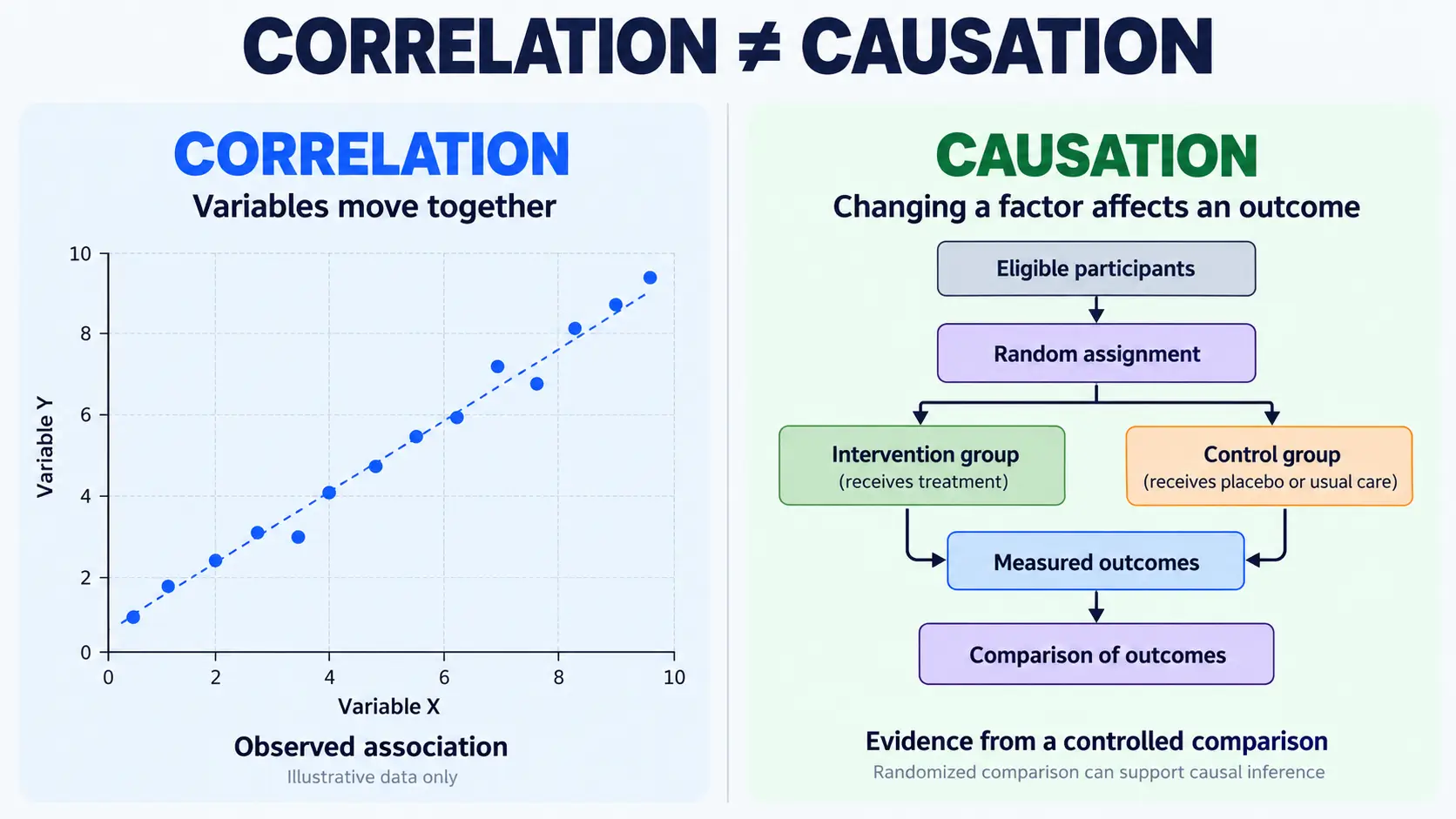
The risks are real, but they should be explained without panic or exaggerated claims. Social media does not affect every person in the same way, and research often shows associations rather than simple cause and effect.
Performance pressure
When identity becomes public, people may feel pressure to maintain a certain image. This can affect what they post, what they avoid posting, and how they interpret feedback.
A person may begin asking, “Will this get approval?” before asking, “Does this reflect me?” Over time, that can make identity feel like a performance rather than a fuller expression of values, relationships, and growth.
Self-esteem and body image concerns
Some users may feel worse about themselves after repeated comparison with edited images, idealized lifestyles, or popularity signals. This is especially sensitive for young people, so claims need careful wording.
The U.S. Surgeon General’s advisory on social media and youth mental health states that social media can offer benefits and risks for children and adolescents, and that current evidence does not allow a simple conclusion that social media is sufficiently safe for them.
This does not mean every young person is harmed by social media. It means design features, content exposure, comparison patterns, harassment, sleep disruption, and individual vulnerability should be taken seriously.
Harassment, exclusion, and public judgment
Identity is social, so online rejection or harassment can affect how safe a person feels expressing themselves. Mockery, bullying, hate, exclusion from groups, or pressure to perform can discourage authentic participation.
Public judgment can also lead to self-censorship. A user may stop sharing interests, cultural identity, language, opinions, creative work, or personal milestones because the response feels unsafe or humiliating.
Privacy, impersonation, and reputation
Digital identity can be copied, screenshotted, misrepresented, or taken out of context. UNICEF Innocenti’s 2026 report on children’s best interests in digital policy discusses concerns raised by children and adolescents about identity misuse, including impersonation, fake accounts, misrepresentation, and reputation damage.
Adults face similar concerns. A post can become searchable. A private message can be shared outside its intended audience. Professional and personal identities can collide when different audiences see the same content.
Why the Impact Is Different for Different People
Social media does not shape every identity in the same way. The effect depends on age, culture, offline support, platform design, privacy settings, purpose of use, and personal circumstances.
Age matters because adolescents and young adults are often still developing values, confidence, peer relationships, and future goals. But adults also manage identity online, especially when professional, family, community, and public audiences overlap.
Culture matters too. A public post may carry different meanings depending on family expectations, gender norms, religion, politics, language, disability, class, and local safety. A joke, photo, or opinion that seems harmless in one setting may be risky in another.
Offline support is another key factor. A person with stable friendships, trusted adults, safe communities, and a clear sense of values may experience online feedback differently from someone who feels isolated or unsupported.
Online Identity vs Offline Identity
The phrase “online identity vs real identity” can be misleading. Online identity is not automatically fake, and offline identity is not always complete.
People also perform roles offline: student, sibling, employee, friend, leader, beginner, expert, caregiver, or community member. Social media makes some roles more visible, recorded, searchable, and responsive to audience feedback.
A healthier distinction is not fake versus real, but partial versus whole. A profile is a partial version of a person. It may show real interests and values, but it cannot represent every emotion, contradiction, struggle, relationship, or private belief.
Problems arise when a partial identity is mistaken for the whole person, or when a person starts shaping life around the partial identity that receives the most online approval.
How to Reflect on Your Own Social Media Identity
A healthier relationship with social media starts with noticing patterns. The goal is not to reject every platform, but to understand what each platform rewards, pressures, and hides.
Questions to ask before posting
Before posting, ask:
-
Am I sharing this because it reflects something I value, or because I feel pressured to prove something?
-
Could this be misunderstood outside its intended audience?
-
Would I be comfortable if this resurfaced later?
-
Am I sharing something private that belongs to someone else too?
Questions to ask before following or comparing
Before following an account, ask:
-
Does this account help me learn, connect, laugh, or feel grounded?
-
Does it repeatedly make me feel inadequate, angry, excluded, or pressured?
-
Is this content edited, sponsored, staged, filtered, or missing context?
Before comparing yourself, ask:
-
Am I comparing my full life with someone’s selected moment?
-
Do I know what is not being shown?
-
What would I tell a friend making the same comparison?
For practical boundary ideas, Collegenp’s guide on How to Build a Healthy Relationship with Social Media can support further reading.
When to seek trusted support
If social media use consistently interferes with sleep, school, work, relationships, confidence, safety, or daily functioning, it may help to speak with a trusted person. For younger readers, that may be a parent, caregiver, teacher, counselor, or another safe adult. For adults, it may be a trusted friend, mentor, counselor, or qualified professional.
The American Psychological Association’s health advisory on adolescent social media use recommends that social media use should not interfere with sleep or physical activity, and notes that technology use close to bedtime, especially social media use, is associated with sleep disruption.
What Research Still Cannot Prove
The evidence on social media and identity is growing, but it has limits. Many studies focus on adolescents, specific countries, specific platforms, or self-reported experiences. Platforms also change quickly, making older findings harder to apply without context.
Causality is another limitation. If a person with low self-esteem uses social media heavily, social media may worsen comparison. But low self-esteem may also influence how that person uses social media. Responsible wording should use terms such as “can,” “may,” “is associated with,” and “research suggests” unless a stronger causal claim is directly supported.
Global evidence is also uneven. Much visible research and survey data comes from North America and Europe. A global article should not treat U.S. teen data, Western platform habits, or English-language research as universal.
Conclusion
The impact of social media on identity is best understood as a set of mechanisms, not a simple verdict. Social media gives people tools for self-expression, belonging, learning, representation, and community. It also creates conditions for comparison, performance pressure, harassment, privacy loss, impersonation, and reputation risk.
Social media does not create identity by itself. Family, culture, school, work, community, values, offline relationships, and personal experience still matter. But social media has become one of the major places where identity is explored, displayed, validated, challenged, and sometimes distorted.
The better question is not only “Is social media good or bad?” It is: What does this platform reward? What does it pressure me to become? What does it leave out? How much control do I have over my digital identity?
Sources Used
-
Avci, H., Baams, L., & Kretschmer, T. A Systematic Review of Social Media Use and Adolescent Identity Development. Adolescent Research Review. Published online 2024; volume 10, 2025.
-
Pew Research Center. Teens, Social Media and Mental Health, 2025.
-
U.S. Surgeon General / U.S. Department of Health and Human Services. Social Media and Youth Mental Health: The U.S. Surgeon General’s Advisory, 2023.
-
UNICEF Innocenti. Children’s Best Interests in Digital Policy and Practice, 2026.
-
American Psychological Association. Health Advisory on Social Media Use in Adolescence, 2023.
Editorial note: This article is for general information. It is not medical, legal, or psychological advice.





Comments 0
No comments yet. Be the first to start the conversation.