



The Importance of Student-Teacher Relationships in Learning
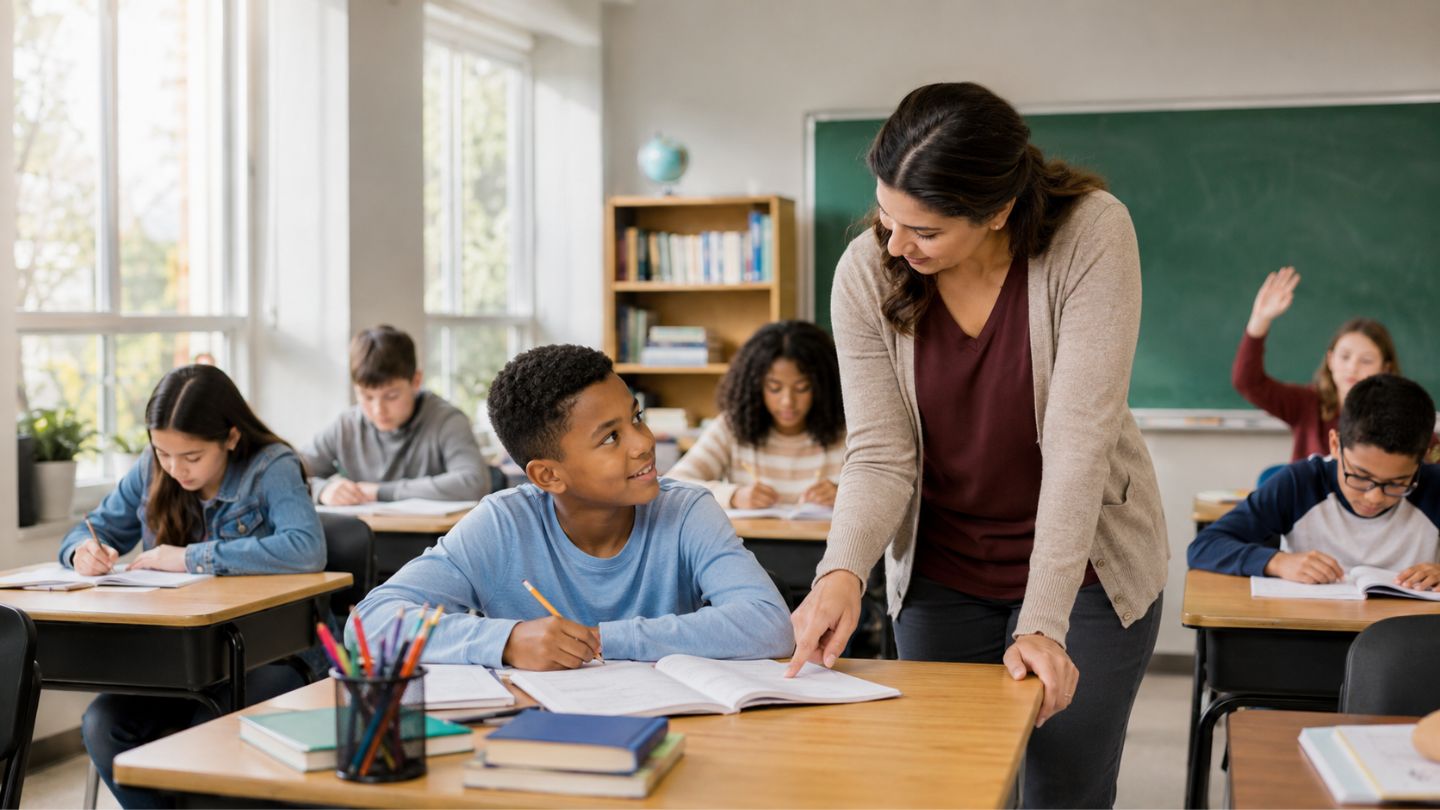
Student-teacher relationships matter because students learn in social settings, not in isolation. A respectful and supportive teacher can make it easier for students to ask questions, accept feedback, take part in class, and recover from mistakes.
This does not mean that a warm relationship replaces good teaching. Students still need clear instruction, useful feedback, fair assessment, strong curriculum, regular practice, and school support. The relationship works as a foundation that helps those parts of teaching reach the learner.
The American Psychological Association (APA) says improving students’ relationships with teachers has positive implications for students’ academic and social development. The Australian Education Research Organisation describes positive teacher-student relationships as supportive and fair, developing where students feel safe, understood, and appreciated. OECD’s PISA 2022 policy paper examines teacher support for students in mathematics lessons using PISA 2022 and earlier cycles.
Summary
Student-teacher relationships are important because they shape trust, engagement, classroom behavior, confidence, feedback, and school belonging. A healthy relationship helps students participate and seek help while keeping clear professional boundaries. Research supports links between teacher support, engagement, achievement, behavior, and wellbeing, but relationships work best when combined with quality instruction and fair school systems.
Table of Content
- The Importance of Student-Teacher Relationships in Learning
- What Is a Student-Teacher Relationship?
- Why Student-Teacher Relationships Are Important
- What Research Says
- Benefits for Students, Teachers, Parents, and Schools
- Examples of Positive Student-Teacher Relationships
- How Teachers Can Build Better Relationships
- What Students and Parents Can Do
- Healthy Boundaries and Warning Signs
- Common Mistakes to Avoid
- Conclusion
Key Takeaways
-
Trust helps students ask questions and take part.
-
Fairness matters as much as warmth.
-
Teacher support is linked with engagement and belonging.
-
Good relationships do not replace strong instruction.
-
Feedback should correct work without humiliating students.
-
Healthy relationships need professional boundaries.
-
Schools should give teachers time to know students.
What Is a Student-Teacher Relationship?
A student-teacher relationship is the professional connection between a learner and an educator. It includes trust, communication, fairness, respect, expectations, feedback, classroom routines, and the student’s sense of being seen as a learner.
Academic connection
The academic side includes instruction, feedback, assessment, questioning, and help when students struggle. A teacher builds this connection when they explain mistakes clearly and give students a practical next step.
For example, saying “Your answer needs evidence from the paragraph” is more useful than saying “This is wrong.” The first response tells the student how to improve.
Students also need study habits that work beyond the classroom. A related guide on effective learning strategies for school students can support this part of the learning process.
Emotional connection
The emotional side includes safety, patience, confidence, and the student’s belief that mistakes will not lead to shame. Students often avoid questions when they expect ridicule.
A teacher does not need to lower standards to create emotional safety. Students can face difficult work when the classroom tone is calm, respectful, and predictable.
Social connection
The social side includes belonging, peer interaction, classroom norms, and how the teacher models respect. Students watch whether the teacher listens, applies rules fairly, and treats different learners with dignity.
AERO notes that trust grows over time through repeated positive verbal and non-verbal interactions, consistency, routines, and reliability.
Why Student-Teacher Relationships Are Important
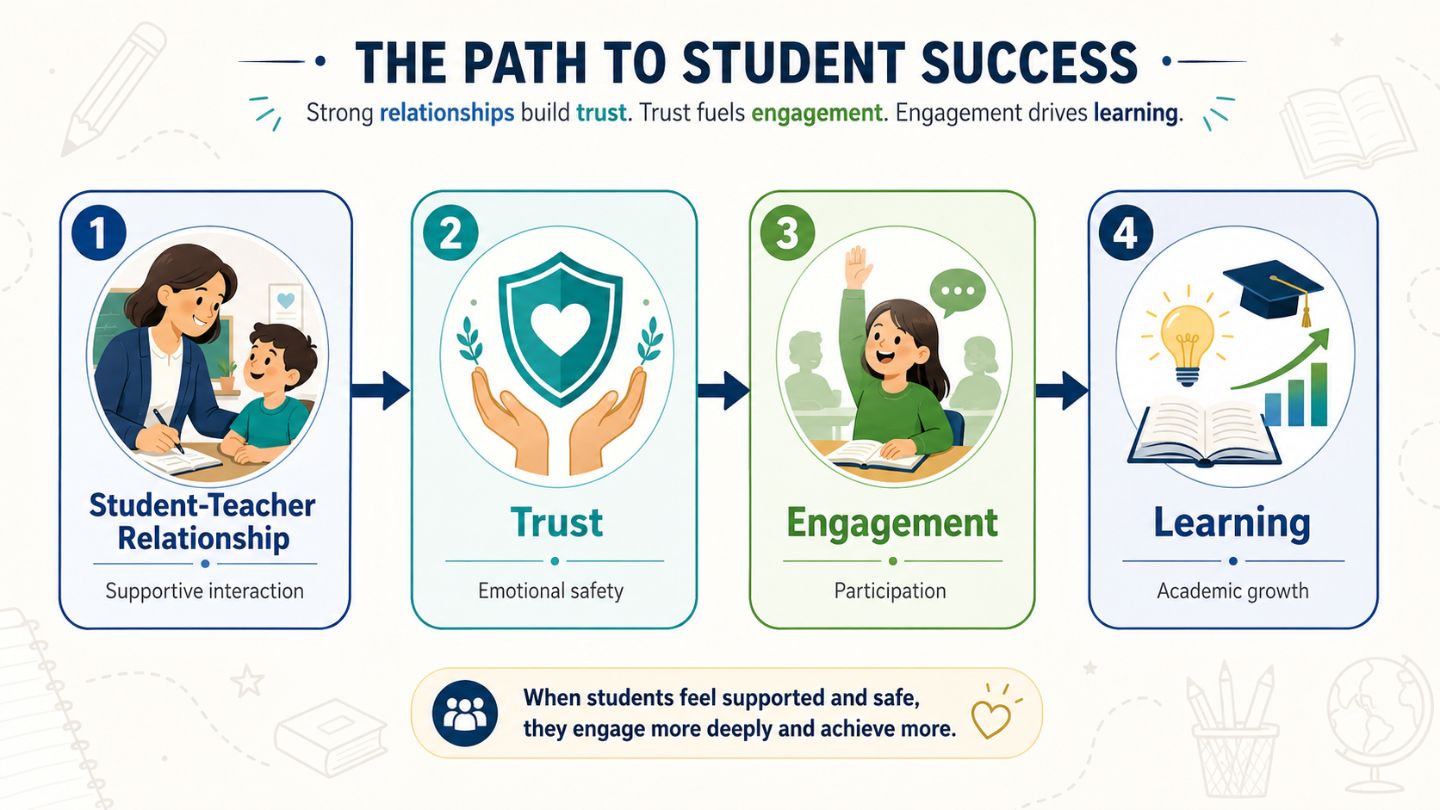
Student-teacher relationships are important because they affect how students experience learning, correction, feedback, behavior, and belonging. A student who trusts a teacher is more likely to participate, admit confusion, and try again after mistakes.
They build trust and emotional safety
Trust helps students take learning risks. A student may ask for help, attempt a difficult answer, or revise weak work when the teacher’s response feels fair.
Emotional safety does not mean avoiding correction. It means correction is given in a way that protects dignity. A calm teacher can still set firm expectations.
They improve engagement and participation
Engagement includes attention, effort, participation, attendance, persistence, and emotional connection to schoolwork. Students are more likely to engage when they see the teacher as approachable and fair.
Roorda and colleagues’ 2017 meta-analysis examined whether engagement mediates the association between affective teacher-student relationships and achievement. The ERIC record states that the sample included 189 studies and 249,198 students from preschool to high school.
In daily classroom life, this means a student who trusts the teacher is more likely to ask, “Can you explain that again?” instead of staying silent. Teachers looking for practical class activities can also connect this topic with student engagement activities in the classroom.
They support learning habits
Student-teacher relationships support learning by improving the conditions that make learning possible. These include asking questions, listening to feedback, staying with a hard task, and returning to work after correction.
The 2011 Roorda meta-analysis found associations between affective qualities of teacher-student relationships and students’ school engagement and achievement across 99 studies from preschool to high school. The practical point is not that relationships alone produce achievement. The point is that relationship quality can influence the habits that support achievement.
They help classroom behavior
Students often respond better to guidance from adults they see as fair. A respectful relationship can make correction less confrontational.
The University of Cambridge reported that a positive relationship with a teacher around age 10–11 was linked with prosocial behavior and reduced problem classroom behavior in the study discussed. This finding should be read carefully: behavior is shaped by many factors, but teacher relationships are part of the picture.
Teachers can connect relationship-building with practical classroom management tips for teachers, especially when routines, fairness, and correction are recurring concerns.
They increase belonging and confidence
Belonging matters because students who feel invisible or judged may withdraw from school life. Teacher support can help students feel that they have a place in the classroom.
OECD’s 2025 policy paper based on PISA 2022 reports that students who felt supported by teachers in mathematics lessons showed stronger school belonging and less mathematics anxiety on average across OECD countries after socio-economic controls.
What Research Says
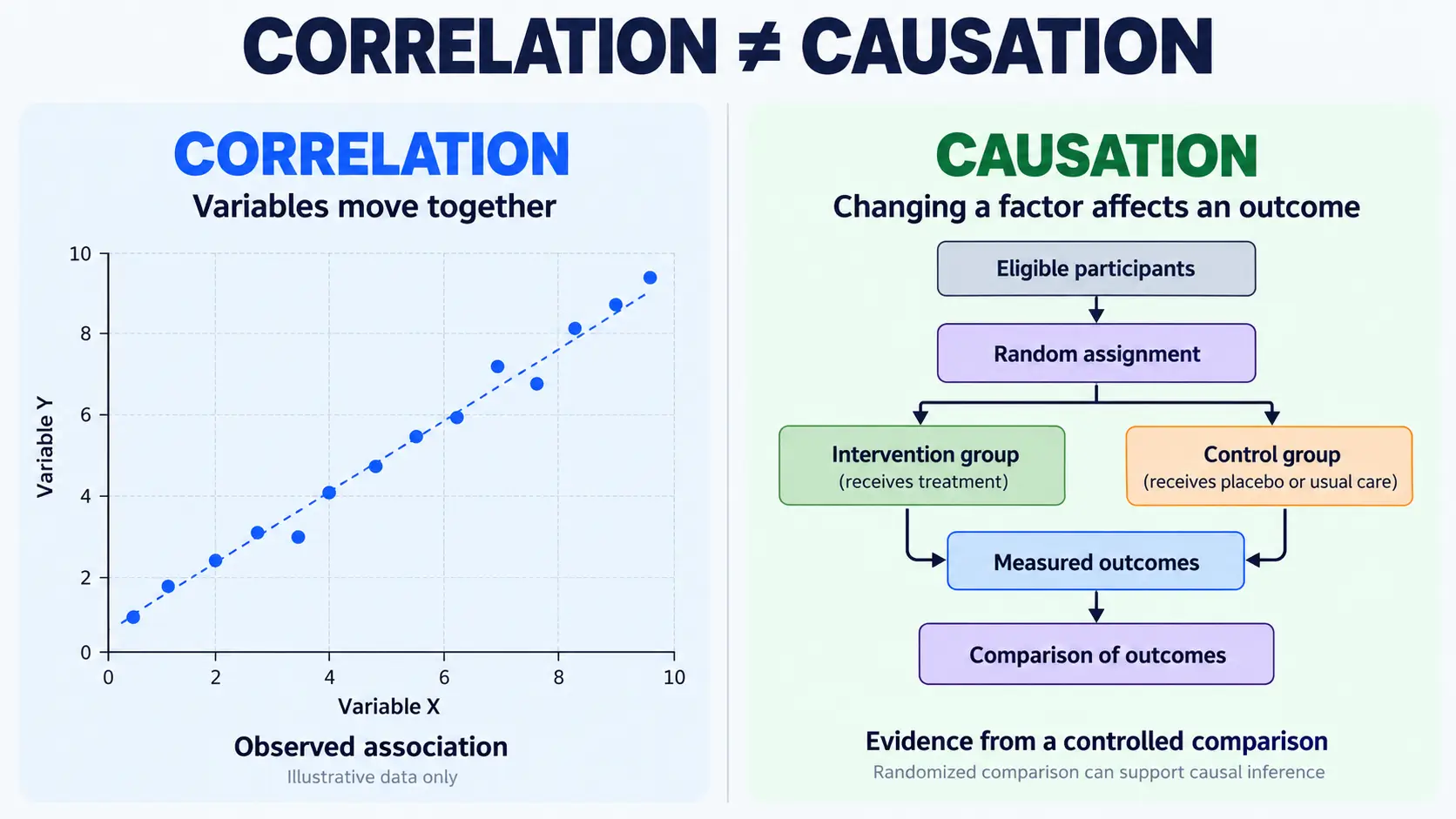
Research supports the importance of student-teacher relationships, especially in relation to engagement, achievement, behavior, and wellbeing. The safest wording is “linked with,” “associated with,” or “supports,” unless a source clearly proves causation.
Evidence from psychology and education
The American Psychological Association states that better relationships with teachers have positive and long-lasting implications for students’ academic and social development.
AERO’s classroom management explainer connects relationship-building with respect, empathy, trust, predictability, and consistent teacher behavior.
The ERIC record for the 2017 Roorda meta-analysis reports a large evidence base covering preschool through high school. The 2011 meta-analysis adds earlier evidence connecting affective teacher-student relationships with engagement and achievement.
Evidence from early childhood and adolescence
The Society for Research in Child Development reported in 2024 that relationship quality between kindergarten and third grade may benefit children’s early learning and development, with evidence that relationships across early elementary years have cumulative effects over time.
For adolescence, Cambridge’s report highlights links between teacher relationships and later prosocial or problem classroom behavior. García-Moya’s Springer book frames connectedness in student-teacher relationships as important for adolescent wellbeing in schools.
What the evidence does not mean
The evidence does not mean every student with a caring teacher will automatically earn higher grades. Learning is affected by instruction, curriculum, assessment, study habits, language background, family context, school resources, attendance, health, and peer climate.
Relationships matter because they influence how students respond to teaching. They are one part of educational quality, not the whole system.
Benefits for Students, Teachers, Parents, and Schools
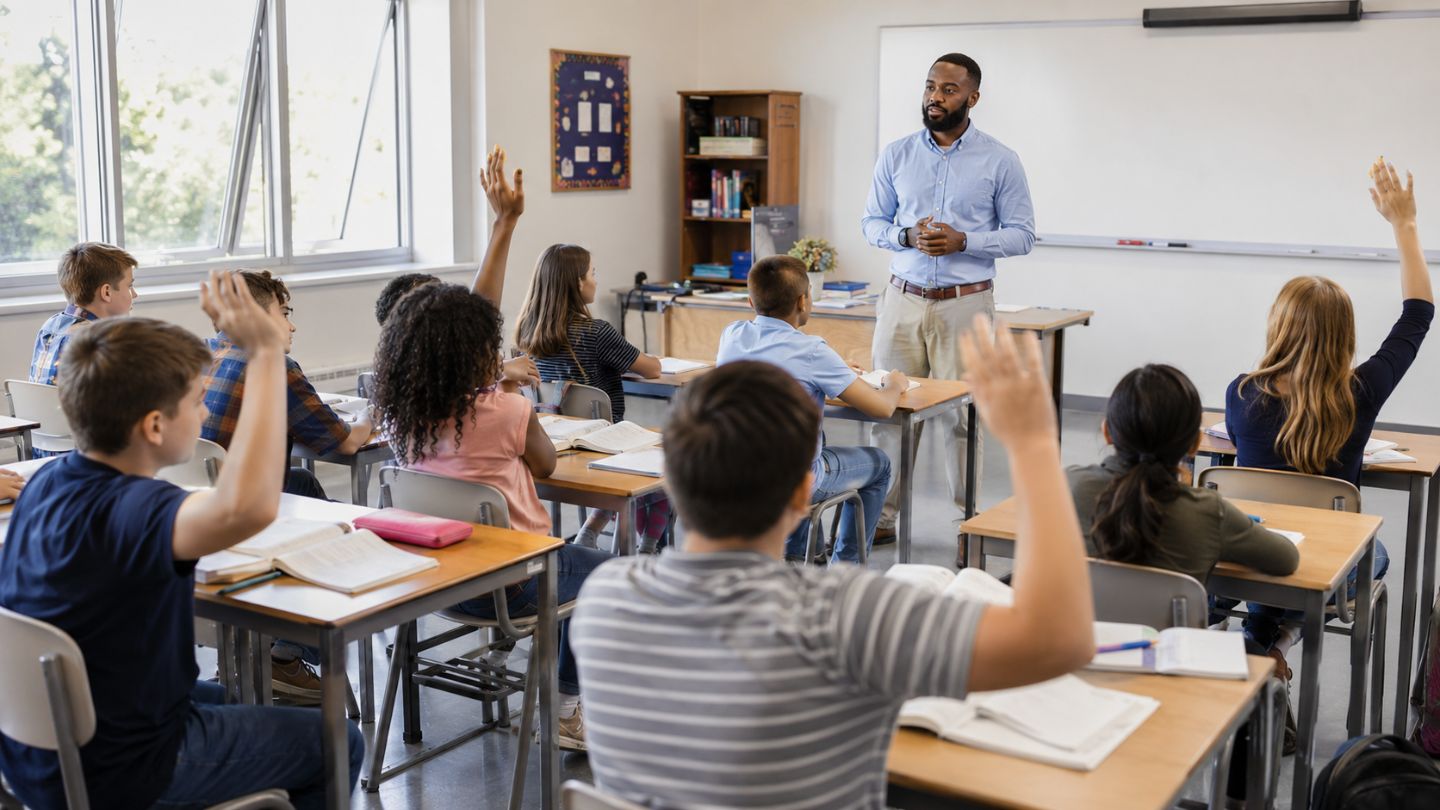
Student-teacher relationships benefit more than one learner. They influence classroom climate, teacher decision-making, parent communication, and school belonging.
Benefits for students
Students benefit when teachers combine care with academic clarity. The most useful relationship is not based on popularity; it is based on trust and learning.
Student benefits include:
-
More willingness to ask questions
-
Better participation in lessons
-
More comfort with mistakes
-
Stronger response to feedback
-
Better classroom belonging
-
More confidence with difficult work
-
More trust during correction
A student who feels respected can bring confusion into the open. That gives the teacher a chance to correct misunderstandings before it becomes a larger learning gap.
Benefits for teachers
Teachers benefit because relationships help them understand students’ strengths, needs, habits, and barriers. A teacher who knows students better can plan examples, questions, groups, and interventions with more care.
AERO states that positive teacher-student relationships can help teachers intervene more effectively when student learning or behavior needs arise.
Teachers still need support. Relationship-building takes time, emotional skill, workload balance, and leadership backing.
Benefits for parents
Parents benefit when teachers communicate with clarity and fairness. A teacher who knows a student well can discuss learning habits, effort, concerns, and next steps more accurately.
Parents can support the relationship by sharing relevant learning context, responding respectfully to school communication, and helping students follow agreed routines.
Benefits for schools
Schools benefit when students feel connected to adults and expectations are consistent across classrooms. This can support school belonging, attendance habits, behavior systems, and learning culture.
School leaders should not leave relationship-building to individual personality. They can support it through mentoring systems, advisory time, teacher collaboration, counseling referral pathways, and reasonable communication expectations.
Examples of Positive Student-Teacher Relationships
Positive student-teacher relationships appear in small repeated actions. They show in greetings, feedback, correction, listening, routines, and how teachers respond when students struggle.
Early childhood and primary school examples
In early grades, students often depend on one main teacher for much of the school day. Relationship quality can shape how children experience school.
Examples include:
-
A teacher greets each child by name.
-
A teacher notices when a normally active child is unusually quiet.
-
A teacher corrects behavior calmly and helps the child return to the task.
-
A reading teacher praises a specific strategy, such as using evidence from a page.
-
A teacher explains routines with modeling, not only commands.
SRCD’s 2024 summary highlights kindergarten through third grade as an important period for student-teacher relationship quality.
Secondary school examples
In secondary school, students may meet several teachers each day. Relationship-building can weaken unless schools create structures that help teachers know learners.
Examples include:
-
A mathematics teacher invites students to explain their process, not only the answer.
-
A science teacher checks why work has stopped before assuming laziness.
-
A class teacher corrects behavior privately when possible.
-
A language teacher uses student interests as writing or speaking prompts.
-
A teacher follows up after a conflict instead of letting resentment continue.
College and adult-learning examples
In college and adult-learning settings, relationships remain professional but can still affect confidence and persistence.
Examples include:
-
A lecturer explains assessment criteria before a deadline.
-
A tutor gives clear revision feedback on a draft.
-
An instructor invites questions from first-generation or career-switching learners.
-
A teacher uses respectful discussion rules in online classes.
-
A supervisor gives research guidance without taking over the student’s work.
Adult learners may balance study with work, family, language learning, or confidence concerns. Respectful teacher support can help them stay engaged while maintaining independence.
How Teachers Can Build Better Relationships
Teachers build better relationships through consistent actions, not one-time speeches. The goal is trust that supports learning.
Learn names and use them respectfully
Names signal recognition. AERO includes greeting students warmly and using their names among practical ways to build connection.
Teachers should also learn correct pronunciation and preferred names where school policy allows. Misnaming students repeatedly can make them feel unseen.
Notice effort and progress
Students need feedback that tells them what to repeat or improve. Specific feedback is stronger than vague praise.
Useful examples include:
-
“Your paragraph uses evidence from the text.”
-
“Your diagram is clearer than the first version.”
-
“You corrected the calculation method.”
-
“You stayed with the problem after the first mistake.”
This helps students connect effort with learning.
Use fair rules and predictable routines
Fairness is one of the clearest signals in a classroom. Students notice whether rules apply evenly and whether correction depends on the teacher’s mood.
Teachers can build fairness by:
-
Teaching routines directly
-
Applying rules consistently
-
Explaining learning reasons behind routines
-
Giving students a way to return to the task after mistakes
-
Keeping consequences proportionate
Give feedback without humiliation
Feedback should correct the work or behavior, not attack the student’s character. Public embarrassment may stop a behavior for the moment but can weaken trust.
Better feedback is specific, calm, and focused on the next step. Sensitive correction should be private when possible.
Include quiet and hesitant students
Relationship-building should not center only on students who speak often. Quiet students, new students, multilingual learners, students with disabilities, and students who have faced repeated failure may need different routes into participation.
Teachers can use:
-
Written thinking time
-
Low-pressure pair discussion
-
Clear group roles
-
Private check-ins
-
Varied question formats
-
Participation tracking to avoid calling on the same students every time
Teachers can also connect this section with practical guidance on how to build strong relationships with your teachers, especially for student-facing follow-up reading.
What Students and Parents Can Do
Student-teacher relationships are mainly a professional responsibility of teachers and schools, but students and parents can also support healthy communication.
What students can do
Students can help by using respectful communication, asking for clarification, and seeking help through proper school channels.
Useful student actions include:
-
Ask questions when instructions are unclear.
-
Use office hours, help desks, or approved communication tools.
-
Respond to feedback with a revision attempt.
-
Tell a trusted school adult if a classroom issue is affecting learning.
-
Avoid turning one difficult interaction into a fixed judgment about the teacher.
Students who need more help with school communication can read about effective communication with teachers and professors.
Students should not feel responsible for managing an adult’s behavior. If a teacher’s conduct feels unfair, unsafe, or inappropriate, students should speak with a parent, counselor, class teacher, school leader, or another trusted adult.
What parents can do
Parents can support the relationship by sharing relevant learning context and keeping communication focused on the student’s needs.
Useful parent actions include:
-
Ask what the student is expected to learn.
-
Share relevant concerns without blaming at the first step.
-
Ask what support is possible at school and at home.
-
Encourage the student to ask questions respectfully.
-
Follow school communication procedures.
Parents should raise concerns promptly when a child feels humiliated, excluded, unsafe, or unable to access learning.
Healthy Boundaries and Warning Signs
A healthy student-teacher relationship is supportive, fair, transparent, and professional. It should help the student learn without creating favoritism, dependency, secrecy, or unequal treatment.
Signs of a healthy relationship
Healthy signs include:
-
The teacher treats students with dignity.
-
Rules are clear and fair.
-
Feedback is useful and respectful.
-
Students can ask questions without ridicule.
-
The teacher keeps communication school-appropriate.
-
The teacher refers serious concerns to proper support staff.
-
Students are not pressured to share personal information beyond what is needed for school support.
Signs of a weak or risky relationship
Weak or risky signs include:
-
Frequent public humiliation
-
Favoritism
-
Inconsistent rules
-
Sarcasm aimed at students
-
Ignoring quiet students
-
Unclear communication boundaries
-
Private secrecy outside school procedures
-
Making students feel dependent on one adult
Schools should have safeguarding, reporting, and professional conduct procedures for concerns about adult-student interactions.
Common Mistakes to Avoid
Student-teacher relationships can weaken when teachers confuse care with favoritism, discipline with humiliation, or warmth with unclear boundaries.
Favoritism
Favoritism damages trust because students notice unequal attention, praise, extensions, and patience.
Teachers can reduce this risk by using transparent criteria, rotating roles, tracking participation, and applying policies consistently.
Public embarrassment
Public embarrassment can make students defensive or silent. It can also discourage other students from asking questions.
Correction should name the behavior or learning issue while protecting the student’s dignity.
Focusing only on grades
Grades give a result, but they do not always explain how to improve. Students need feedback on process, strategy, effort, and next steps.
A score without guidance may leave the student stuck. A clear comment can help the student act.
Ignoring quiet students
Quiet students are not always fine. Some may be confused, anxious, new to the language of instruction, or unsure how to join.
Teachers should vary participation methods so that attention does not go only to confident speakers.
When student wellbeing concerns are part of the issue, the article can internally connect to teachers support students mental health as a related support topic.
Conclusion
Student-teacher relationships are important because they shape how students experience learning, feedback, correction, and belonging. A fair and supportive teacher can help students ask questions, participate, and keep working through difficulty.
The strongest classrooms combine respectful relationships with clear instruction, good routines, high expectations, useful feedback, and professional boundaries. Teachers, students, parents, and school leaders all have roles, but schools carry the responsibility to create systems where healthy relationships can develop safely.




Comments 0
No comments yet. Be the first to start the conversation.