




Impact of Social Media on Focus and Study Habits
Many students struggle with study performance not only because they “run out of time,” but because their attention repeatedly breaks (attention fragmentation) and their study routines gradually deteriorate (study habit drift).
Today’s social platforms are designed to pull users back repeatedly through notifications, endless scrolling, and algorithmic recommendations. In child health and policy discussions, there is also concern that when “engagement-centered” design dominates over children’s and adolescents’ developmental needs, healthy routines—sleep, studying, sports, and other activities—face a higher risk of being displaced.
The goal of this article is not to create fear. The goal is to understand, using evidence, why and how the problem happens, and then adopt practical, real-life measures to improve study quality.
What focus and study habits actually are
Focus
Focus is the ability to use limited mental resources (working memory/mental bandwidth) to stay on one task for some time—understand meaning, connect ideas, and make decisions.
When focus deteriorates, studying can feel like “I read it,” but comprehension and memory become weak.
Study habits
Study habits mainly include:
-
When you start studying and how consistent you are
-
A study environment with fewer distractions
-
Methods for note-taking, revision, and practice
-
Understanding-centered study rather than “rote memorization”
Social media can affect all of these directly or indirectly—especially through the habit of checking the phone in between tasks.
Key ways social media/smartphones affect attention
Notifications can disrupt attention even if you do not open them
Many people feel, “I don’t open it anyway.” But research suggests that reducing notification-based interruptions can improve performance and reduce strain.
Practical meaning:
-
A “ding/vibration” during study can pull part of your attention away
-
It can take time to regain your flow
-
During study time, muting the phone helps, but turning off non-essential notifications can be more effective
Multitasking reduces learning
Studies in classroom/lecture contexts have found that when students do other tasks on a laptop during a lecture, their comprehension decreases—and even students sitting nearby who observe that multitasking can show reduced performance.
In simple terms:
-
Avoid trying to do two complex tasks “at the same time”; it is usually task switching
-
Frequent switching increases superficial reading and reduces deep understanding
Overall, social media/smartphone use shows a “small but negative” link with academic performance
Meta-analyses combining multiple studies report that social media use and academic achievement (such as GPA/achievement) show, on average, a small but negative association.
Nuance:
-
Not all use is harmful
-
Effects vary depending on what you view, why, when, and how much
-
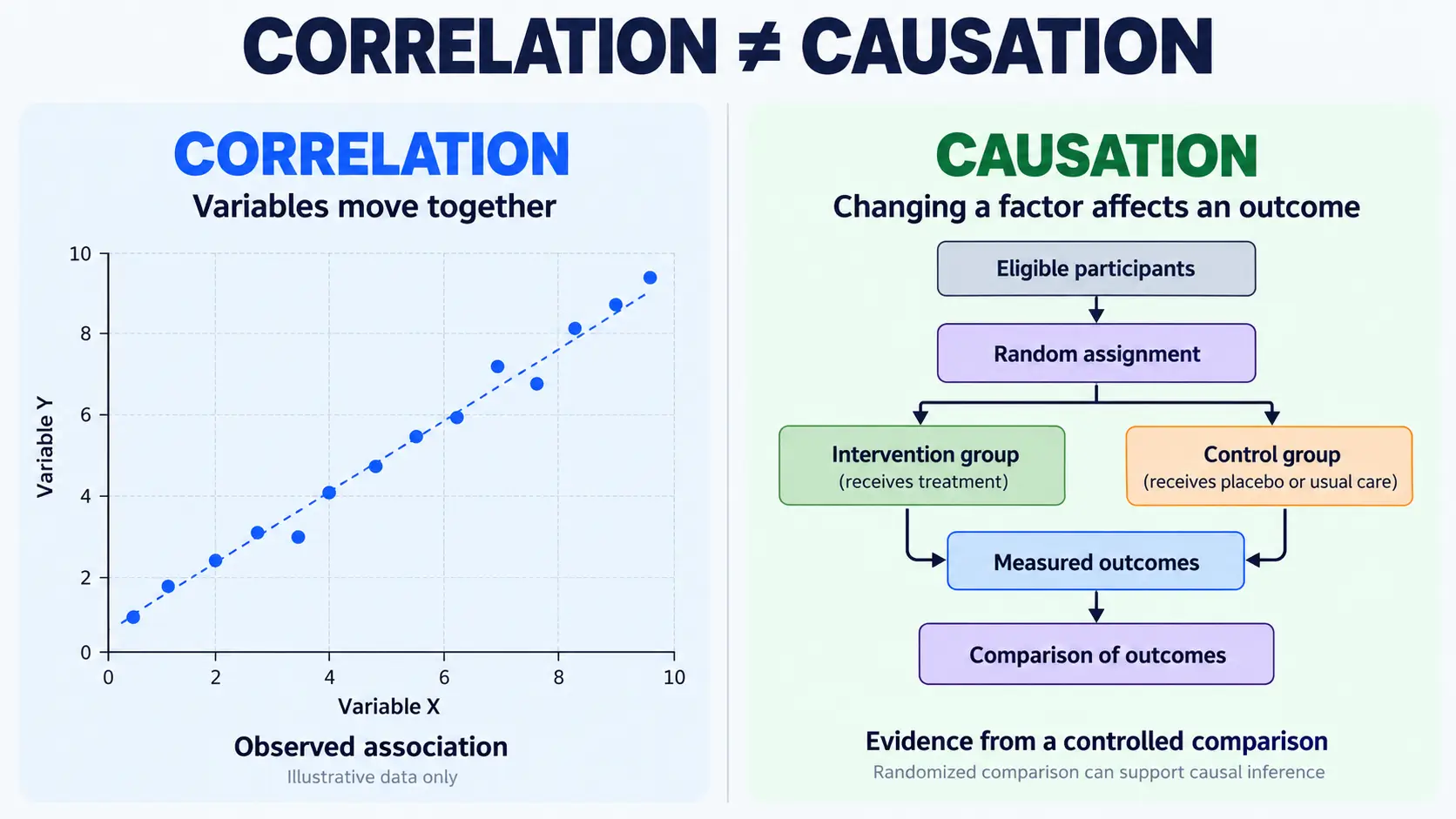
Many studies are observational (correlational), so you should not draw a single cause-and-effect conclusion
Evidence is mixed on “the phone affects you even when it is nearby”
Some studies suggest that cognitive capacity may drop when the phone is simply nearby.
However, reports also exist that the same “brain drain” effect could not be replicated.
Practical takeaway:
-
You cannot say the effect is identical for everyone
-
But evidence is strong that notifications, easy access, and habit increase distraction
-
For many people, the “phone in another room/bag/drawer” method is useful because it increases friction to access the phone
Behavioral effects seen in study habits
Delayed start to studying (procrastination-by-scroll)
What begins as “just 5 minutes” can easily become 20–30 minutes because scrolling is designed without a natural stopping point. This delays the start of study.
“Fragmented studying” and superficial learning
With frequent interruptions:
-
Students tend to “scan” notes/books
-
Deep processing decreases
This aligns with findings related to multitasking.
When sleep worsens, studying weakens automatically
Many studies/reviews show links between digital media use in adolescence (especially at night/before sleep) and later bedtimes, shorter sleep, and poorer sleep quality.
For adolescents aged 13–18, 8–10 hours of regular sleep is recommended, which is connected with attention, learning, and memory.
Social media is not always negative: when it can be useful
With the right purpose and boundaries, benefits are possible, such as:
-
Study groups, Q&A, and peer support
-
Public lectures/educational materials (with careful selection of reliable sources)
-
Writing/language practice (in time-bounded ways)
The AAP also emphasizes planning based on content, context, and the family/individual situation rather than using a single “one-hour limit for everyone.”
Practical solutions for real life
Behavior change lasts not only through motivation, but through systems. The measures below are practical and align with available evidence.
Study mode: a 3-layer safeguard
A. Control notifications
-
Turn off non-essential notifications from social apps during study/class time
-
Use Do Not Disturb/Focus mode
This aligns with findings that reducing interruptions can improve performance and reduce strain.
B. Reduce access
-
Instead of keeping the phone on the desk, keep it in a bag/drawer
-
If possible, keep it in another room
Phone presence may not affect everyone equally, but reducing access often reduces the practical likelihood of “checking” behavior.
C. Routine (time limit)
-
25–30 minutes study + 5 minutes break
-
During breaks only, do a “planned check” (with a timer)
This structure supports single-task focus during the main session.
A 7-day “social media audit”
To solve a problem, measure first. For 7 days, track:
-
How often each app is opened (frequency)
-
How many times apps are opened during study time
-
How long you use the phone before sleep
Only after this does it become clear where to cut back.
Clean up content and purpose (Quality > Quantity)
Organizations like the AAP emphasize not only “hours,” but also type and context of use.
Practical steps:
-
Unfollow accounts/pages that repeatedly distract you
-
If you need study content, keep a separate list/saved collection
-
Prefer saved/playlist-based material over highly algorithmic feeds such as “For You”
Rules to protect sleep (a foundation for better study)
-
45–60 minutes screen-down before sleep
-
Do not keep the phone at the bedside (use a clock/separate device for alarms)
-
Turn off social app notifications at night
Many reviews/studies show links between night-time digital media use and sleep outcomes.
A “digital agreement” for studying
-
Tell friends/groups your study-time rule in advance
-
Use a stable message such as: “I’m studying 7–9; I’ll reply after 9.”
This reduces social expectations and protects focus.
Short protocol for students
Before starting study (2 minutes)
-
Phone: DND/Focus ON
-
Social notifications: OFF
-
Phone location: bag/drawer/another room
-
Goal: one sentence—“What will I complete today?”
Study session (25–30 minutes)
-
One subject, one task
-
If a thought comes up, note it on paper as “I’ll check later”
Break (5 minutes)
-
Water/stretch
-
Only if necessary: 2–3 minutes social check (with a timer)
End of day (10 minutes)
-
How many sessions did I complete today?
-
Which app disrupted me most?
-
One change for tomorrow (too many rules at once does not sustain)
Fair interventions for parents/teachers
-
Instead of “Stop it,” understand why/when/what type of use is happening
-
Create a single-task zone at home/in class (homework time = notifications off)
-
Focus dialogue on content, risk, and digital literacy
The AAP also recognizes that personal self-control alone may not be enough; strategies may be needed at the digital environment/design level and at the family–community level.
Signs that it may be time to seek support
If these problems continue consistently for more than 2–4 weeks, it may be helpful to consult a school counselor or a qualified health/mental health professional:
-
Unable to sit for study, repeatedly opening the phone in ways that feel out of control
-
Sleep consistently deteriorating
-
Clear decline in study performance/daily responsibilities
Conclusion
The main message from the evidence is simple:
-
Notifications and multitasking disrupt attention and can reduce learning
-
Overall, excessive/problematic use shows an average small but negative link with academic performance
-
When night-time digital media use displaces or worsens sleep, studying weakens automatically
-
The solution is not only counting hours; it is building a system—controlling notifications, reducing access, creating a regular study structure, and protecting sleep
If social media is not allowed to “enter in the middle of study,” but is used “after studying in time-bounded ways,” the likelihood of improving both focus and study habits increases.
Information/Disclaimer: This article is informational content related to education and behavior. It is not a mental health diagnosis or treatment. If attention, sleep, or digital use is seriously affecting daily life or study, consulting a qualified health/mental health professional or a school counselor is appropriate.
Sources
-
American Academy of Pediatrics: Screen Time Guidelines (no universal hour-based limit; focus on context/plan).
-
American Academy of Pediatrics: Digital Ecosystems, Children, and Adolescents (policy statement).
-
Sana, Weston, Cepeda (2013): Laptop multitasking harms learning for users and nearby peers.
-
Ohly et al. (2023): Notification-related interruptions and performance/strain.
-
Huang (2018): Meta-analysis—SNS use and academic achievement small negative correlation.
-
Kuş et al. (2025): Meta-analysis—technology use and academic performance small negative association.
-
LeBourgeois et al. (2017): Systematic review—screen media and sleep outcomes in youth.
-
Brautsch et al. (2023): Digital media use and sleep in late adolescence.
-
AASM consensus/advisory: Teen sleep 8–10 hours (13–18).
-
Ward et al. (2017) “Brain Drain” + replication study (Pardo et al., 2022).




Comments 0
No comments yet. Be the first to start the conversation.