MA in English
- Master Degree
- MA
- Tribhuvan University (TU)
- Duration2 Years
- Total Seats50
- Study ModeFull Time
- MediumEnglish
About MA in English
MA in English at Kathmandu Model College, Bagbazar (TU Affiliated)
The MA in English is a semester-based program that builds advanced competence in literature, language, culture, and critical inquiry. TU’s course design emphasizes intensive reading, academic writing, interpretive and cultural theories, and an inquiry-based classroom where students learn through discussion, research, and sustained writing practice.
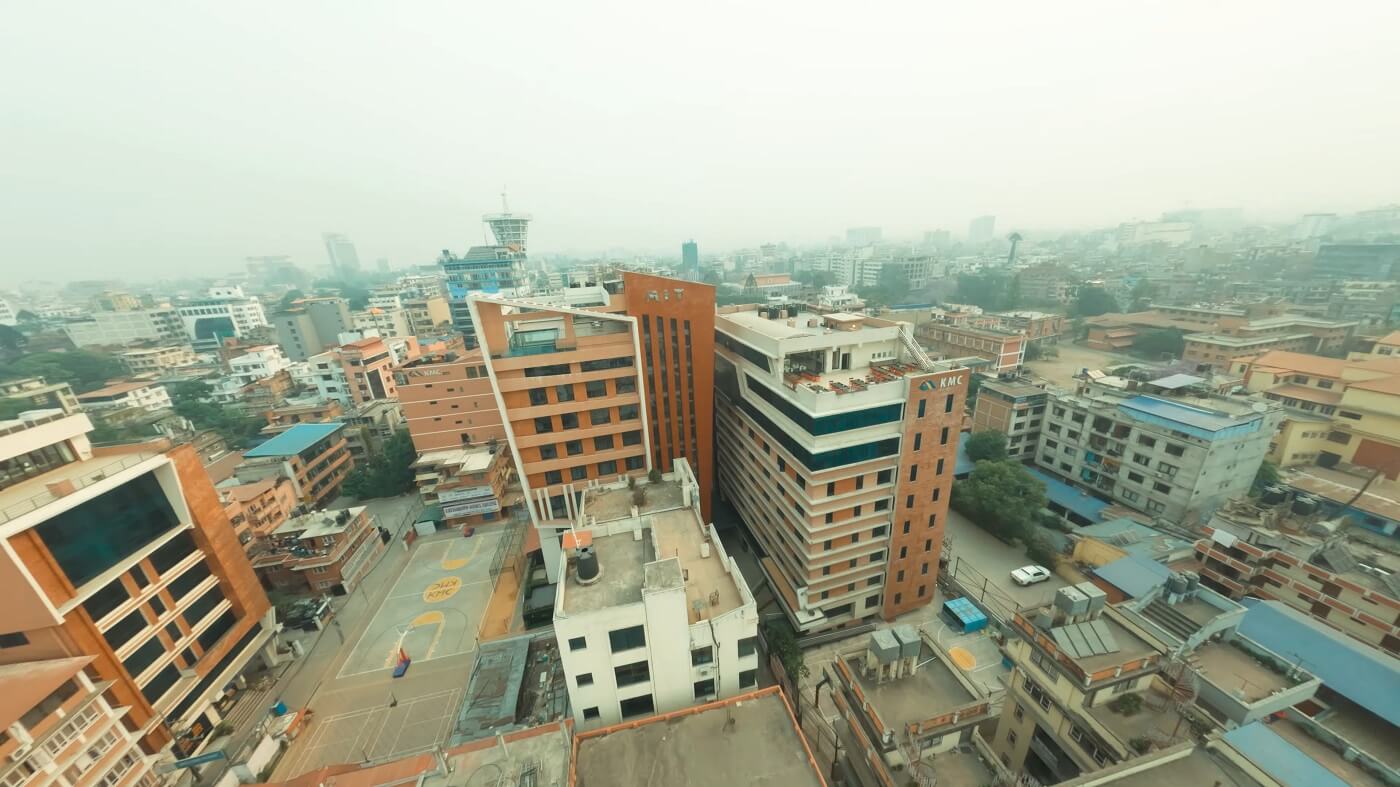
At KMC Bagbazar, the program sits within TU’s academic framework while being delivered in a campus setting that (as publicly described) supports postgraduate learning through learning spaces and academic support structures.
Category: Master’s Degree (Humanities)
Program: Master of Arts in English (MA English)
College: Kathmandu Model College (KMC Bagbazar), Bagbazar, Kathmandu, Nepal
University Affiliation: Tribhuvan University (Faculty of Humanities and Social Sciences)
Quality Status: UGC QAA-accredited on March 28, 2023 (12/14/2079 BS), valid until March 27, 2028 (12/13/2084 BS)
Duration, credits, and structure (TU semester system)
Structure: Four semesters
Total course requirement: Twenty courses, each carrying three credits (total sixty credits)
Per semester load: Five courses (fifteen credits)
Course type: Required courses plus elective groups (students select electives each semester as specified)
What you study (high-level curriculum map)
TU’s MA English syllabus combines core foundations with choice-based electives. The overall design moves from methods (literary analysis and academic writing) to theory, genres, and specialized areas.
Semester one
Focus areas include literary analysis and academic writing, along with structured reading in poetry and fiction.
Semester two
Students study literary history and stylistics, along with modern/contemporary theory. Electives may include areas such as postcolonial studies, media studies, environmental literature, war/trauma literature, and others (selection depends on the semester’s elective offering).
Semester three
The semester includes drama, contemporary poetry, and advanced academic writing, plus electives such as translation studies, gender studies, modernist studies, Nepal/South Asia studies, and related areas.
Semester four
Courses cover experimental fiction, cultural studies, and language/communication, plus elective options that can include ELT, performance/theatre studies, postmodernist studies, interpersonal communication, and more.
Thesis option and research expectations
In the fourth semester, TU allows an optional thesis worth three credits. The thesis requirement includes a literature review (about ten to fifteen pages), a research paper (about twenty to twenty-five pages), and a viva voce where oral performance contributes to the thesis grade.
Even if you do not select the thesis route, the program still expects continuous research-based writing through essays, presentations, and reading-led discussions.
Assessment and classroom practice
TU’s evaluation model is built around two parts:
Internal (continuous) evaluation: Forty percent
-
One research essay (five to seven pages): fifty percent of internal grade
-
Mid-term exam: thirty percent of internal grade
-
Presentation/attendance/participation/quizzes: twenty percent of internal grade
End-of-semester final exam: Sixty percent
Attendance policy: TU’s program policy notes that six hours of absence in a course can be grounds for failure in that course.
Academic integrity: The syllabus defines plagiarism and notes penalties that can range from failing an assignment to expulsion, depending on severity.
Eligibility and admission
Minimum academic background (TU): A bachelor’s degree in English from a university recognized by Tribhuvan University.
Entrance requirement (TU): Applicants must take an entrance examination as required by the Dean’s Office, Faculty of Humanities and Social Sciences.
Selection basis: Admissions are strictly merit-based (as stated in the syllabus).
Scholarships and financial support
KMC’s published scholarship note for MA-level study states that scholarships/financial aid are targeted to students who completed SLC from community schools and earned a bachelor’s degree from a TU constituent or community college.
It also states scholarships are initially awarded based on merit in the first semester entrance exam, followed by additional merit-based scholarships based on semester performance, with limits such as “one scholarship per student” and ineligibility if a student fails an exam.
Because policies can change by intake, students should confirm the current criteria with the admission office before relying on it.
Learning resources and support at KMC Bagbazar
Public information about KMC Bagbazar highlights learning spaces and support units such as labs/learning centers and a placement/career support function. For MA English students, these supports typically matter most for research access, writing practice, presentations, and career direction after graduation.
Career and next-step pathways
An MA in English is useful when your work demands strong reading judgment, research discipline, and high-level writing. Common pathways include:
-
Teaching and academic support roles (with required licensing/requirements depending on role and employer)
-
Research, editorial work, and publishing support
-
Journalism, communications, and institutional content roles
-
Translation, localization, and language services
-
Cultural/heritage and development-sector roles where analysis and writing are central
-
Further study and research (MPhil/PhD track where relevant)
Who this program fits best
This program is a strong fit if you want a structured, writing-intensive graduate degree where you regularly produce research essays, engage theory, and learn to defend interpretations with evidence—rather than only studying for final exams. TU’s syllabus explicitly centers inquiry-based pedagogy, academic writing, and critical interpretation across literature, language, and culture.
Contact Details
Contact Kathmandu Model College's administrative office for detailed information on the MA in English course, including fees, scholarships, facilities, counseling, eligibility criteria, etc.
Kathmandu Model College (KMC Bagbazar)
Bagbazar, Kathmandu, Nepal
Phone: : +977-1-5327447, +977-1-5358983, +977-9847692039
Email: info@kmcen.edu.np
Website: www.kmcen.edu.np
Course Details
- Course TypeMA
- LevelMaster Degree
- Duration2 Years
- Affiliated To Tribhuvan University (TU)
- Study ModeFull Time
- Total Seats50
- MediumEnglish
- RecognitionUGC Approved.
-
Offered At
Kathmandu Model College (KMC)
Bagbazar, Kathmandu
Other Courses at Kathmandu Model College (KMC) 9
Latest Updates & Notices
Reviews
Questions & Discussions
Contact Kathmandu Model College (KMC), Kathmandu
- AddressBagbazar, Kathmandu, Nepal
- Phone+977-1-5327447
- Phone+977-1-5358983
- Phone+977-9847692039
- Emailinfo@ktmmodelcollege.edu.np
- Websitekmcen.edu.np
- Contact personKMC Bagbazar, Kathmandu