BA in Social Work (BSW)
- Bachelor Degree
- BSW
- Tribhuvan University (TU)
- Duration4 Years
- Total Seats50
- Study ModeFull Time
- MediumEnglish
About BA in Social Work (BSW)
BSW at Kathmandu Model College (KMC Bagbazar), Kathmandu
Bachelor of Social Work (BSW) at Kathmandu Model College (KMC Bagbazar) is delivered under Tribhuvan University’s academic framework. At KMC, Social Work is presented within the BA/BSW stream (alongside other BA areas), and the college also lists Social Work (BSW) among its offered bachelor’s programs.
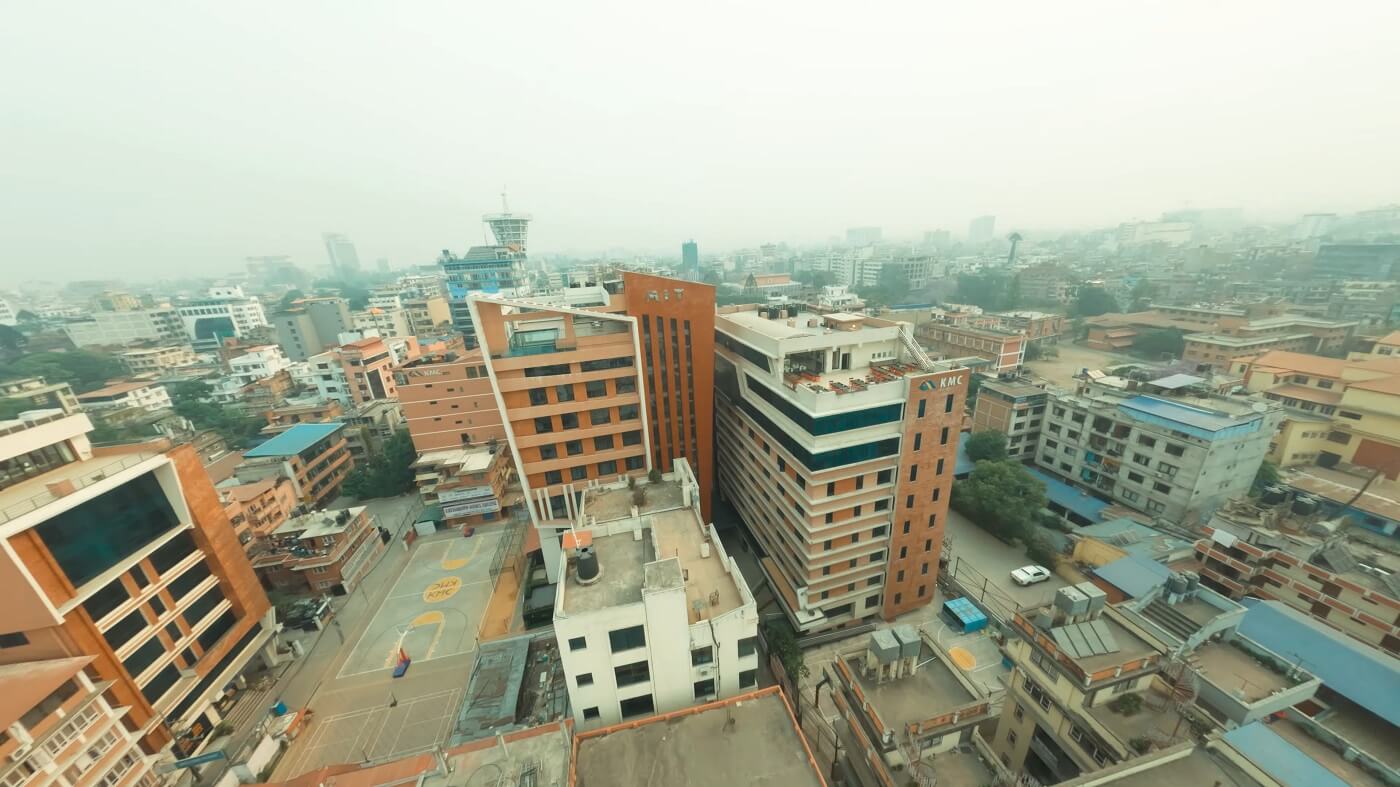
Program snapshot
Affiliation: Tribhuvan University (TU) (University Grant Commission Nepal)
Location: Bagbazar, Kathmandu, Nepal
Degree framework (TU): Bachelor of Arts in Social Work (BASW) under TU Faculty of Humanities and Social Sciences
Duration: Four academic years (annual system), with a final exam at the end of each year
Core direction: Generalist social work—skills and knowledge built through theory plus intensive fieldwork
What this program is really about
Social work is not only “helping people.” It is a disciplined way of understanding social problems, assessing needs, planning interventions, and working with individuals, families, groups, and communities—while protecting dignity, rights, and safety.
TU’s BASW course design explicitly targets generalist capability for Nepal and beyond, combining core social work papers with fieldwork, research, academic writing, and report writing.
At KMC Bagbazar, this typically becomes a structured path where students build:
-
A social science base (how society works, what shapes inequality, how institutions affect people)
-
Practice methods (case work, group work, community organization)
-
Field skills (documentation, observation, interviewing, community mapping, referral, follow-up)
-
Professional habits (ethics, confidentiality, responsible communication, evidence-based thinking)
Curriculum structure
TU’s BASW includes eight papers and explicitly includes fieldwork, research work, academic writing, and report writing, plus required courses from related disciplines and some optional/specialization courses in later years.
Core papers you can expect
TU’s syllabus lists papers such as:
-
SW 421 Introduction to Social Work
-
SW 422 Basic Sociology for Social Work
-
SW 423 Basic Psychology for Social Work
-
SW 424A / SW 424B Social Case Work Practice / Social Work Practice with Groups
-
SW 425A / SW 425B Community Organization (Practical) / Development and Social Work (Practical)
-
SW 410 Social Policy and Welfare (Elective)
-
SW 426 Research Method and Academic Writing
-
SW 427 Indigenous Social Work Practice of Nepal (Practical)
Fieldwork and practice load
TU’s BASW framework states that there are two practical (social work practice) courses in the third and fourth year, and that the overall practical hours exceed 45 hours at bachelor level.
In real student life, that means you should be ready for:
-
Regular community/field engagement (not just classroom learning)
-
Maintaining field diaries/logbooks, case notes, and reports
-
Presentations and reflective discussions based on what you observe and do
-
Learning how to work with supervision and feedback (a key professional skill in social work)
How you are assessed
TU’s syllabus states evaluation is 30% internal and 70% external; internal evaluation is done by the department/campus based on field/community practice guided by social work theories and methods, while external evaluation is managed through TU’s examination process.
This matters because success in BSW is not only exam performance—consistent participation, documentation quality, and ethical field conduct shape your internal assessment.
Who this program fits (and who should think twice)
BSW at KMC Bagbazar tends to fit students who:
-
Prefer people-centered work and social problem-solving
-
Can listen carefully and communicate respectfully
-
Are willing to read, write, and reflect (field reports are not optional in practice)
-
Want a degree that connects theory to community realities
You should think twice if you want a course with minimal writing/field engagement—TU’s BASW is designed around practice and documentation.
Learning environment at KMC Bagbazar
KMC publicly positions itself as offering programs in humanities and management, and it lists BA/BSW among its programs.
It also publishes student-facing academic activities (for example, a research article writing workshop and a World Social Work Day celebration), which aligns well with the research-writing and field orientation of TU’s BASW framework.
Career paths after BSW
A BSW graduate commonly moves into roles where social assessment, community coordination, documentation, and service delivery matter. A TU-aligned BSW listing for KMC notes pathways such as I/NGOs, social mobilization, social service organizations, and teaching.
Practical directions many graduates explore:
-
Community development projects (local-level programs, NGOs/INGOs)
-
Case management and client support roles (child protection, disability services, gender-based violence support)
-
Program coordination (training, outreach, field supervision support)
-
Research/data collection roles (baseline surveys, monitoring support, community studies)
-
Social enterprise/community initiatives (youth, livelihood, inclusion-focused work)
Fees and scholarships
Fees vary by institution and intake, so it’s safest to confirm directly with KMC for the current year.
On scholarships/financial support, KMC describes providing scholarships and support typically based on merit, financial need, or combined criteria.
Practical tip: When you inquire, ask for (1) total program fee estimate, (2) payment schedule, (3) scholarship categories and eligibility, and (4) whether fieldwork has additional costs (travel, materials, etc.).
Quick checklist before you enroll
-
Can you commit time for fieldwork alongside classes?
-
Are you comfortable with consistent writing (reports, academic writing, documentation)?
-
Are you ready to learn ethics and professional boundaries seriously (confidentiality, respectful conduct)?
-
Do you want a career built on people-skills plus evidence and documentation (not only “theory”)?
Contact Details
Contact Kathmandu Model College's administrative office for detailed information on the BA in Social Work (BSW) course, including fees, scholarships, facilities, counseling, eligibility criteria, etc.
Bagbazar, Kathmandu, Nepal
Phone: : +977-1-5327447, +977-1-5358983, +977-9847692039
Email: info@kmcen.edu.np
Website: www.kmcen.edu.np
Disclaimer: This content is for general information only and is not a substitute for professional advice. For counseling, mental health, legal, or clinical matters, consult qualified professionals and follow applicable laws and institutional guidelines.
Course Details
- Course TypeBSW
- LevelBachelor Degree
- Duration4 Years
- Affiliated To Tribhuvan University (TU)
- Study ModeFull Time
- Total Seats50
- MediumEnglish
- RecognitionUGC Approved.
-
Offered At
Kathmandu Model College (KMC)
Bagbazar, Kathmandu
Other Courses at Kathmandu Model College (KMC) 9
Latest Updates & Notices
Reviews
Questions & Discussions 13

Contact Kathmandu Model College (KMC), Kathmandu
- AddressBagbazar, Kathmandu, Nepal
- Phone+977-1-5327447
- Phone+977-1-5358983
- Phone+977-9847692039
- Emailinfo@ktmmodelcollege.edu.np
- Websitekmcen.edu.np
- Contact personKMC Bagbazar, Kathmandu