Bachelor of Computer Application (BCA)
- Bachelor Degree
- BCA
- Tribhuvan University (TU)
- Duration4 Years
- Total Seats35
- Study ModeFull Time
- MediumEnglish
About Bachelor of Computer Application (BCA)
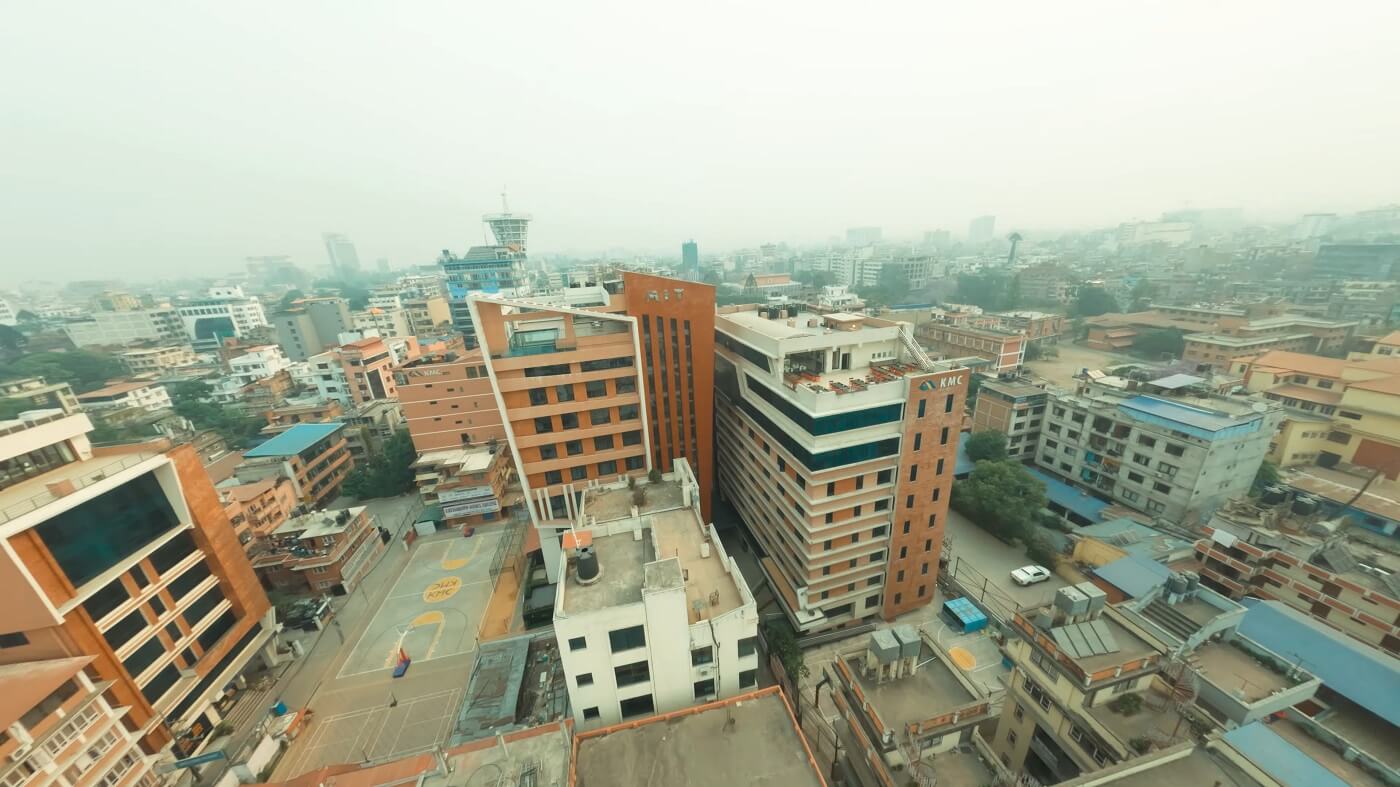
Bachelor of Computer Application (BCA) at Kathmandu Model College (KMC Bagbazar), Kathmandu
Program: Bachelor of Computer Application (BCA)
College: Kathmandu Model College (KMC Bagbazar), Bagbazar, Kathmandu
Affiliation: Tribhuvan University (TU)
Academic system: Semester (eight semesters over four academic years)
Faculty/School (TU): Faculty of Humanities and Social Sciences (FOHSS)
Medium: English (instruction and examinations)
TU launch context: TU launched BCA from the academic year 2074/75
What the BCA at KMC is designed to build
At its core, TU’s BCA is structured to produce computer-application users and developers through a four-year pathway that blends programming fundamentals, application development, systems thinking, and professional practice.
In practical terms, students gradually move through:
-
Programming foundations and problem-solving habits (logic, structured coding, debugging)
-
Web and application development concepts (front-end/back-end patterns, databases, APIs)
-
Systems and network awareness (how applications run in real environments)
-
Project work, documentation, and presentation skills (proposal → build → defend)
KMC frames the program around lab-based learning, guided practice, and student support units (LMS, library access, counseling/placement services, and an innovation lab), which are presented as part of the BCA learning environment.
How learning typically happens in the semester system
Because BCA runs in a semester format, your performance usually comes from a combination of:
-
Continuous learning activities (assignments, lab tasks, presentations, internal evaluations)
-
Semester-end examinations (TU board exams, as applicable)
-
Project and practical components where you demonstrate working systems and defend your work
KMC publicly describes a centralized Learning Management System (LMS) for course materials and progress tracking, plus structured academic spaces (seminar hall/auditorium) used for presentations and skill-building activities.
Project work at TU BCA
A strong BCA outcome depends on whether you can build and explain real applications—not just study concepts.
TU’s “Project I” guideline (BCA, Course Code: CACS256) shows how early project work is expected to function:
-
Course nature: fully practical and focused on implementing concepts learned in the first two years
-
Work mode: students work individually or in pairs on a real-life application idea
-
Three formal stages: proposal defense (within ~20 days), mid-term defense (around week 12), and final submission/defense before board exams
-
Evaluation approach: marks allocated across proposal/presentation, work done + documentation, and viva/demo by an evaluation committee (supervisor/internal/external)
This is important for students choosing KMC: you should expect your semester workload to include planning, documentation, and presentation—not only coding.
Admission and entrance exam
Eligibility
An official FOHSS entrance notice for the BCA program (academic year 2082/83) lists eligibility in terms of minimum grades/CGPA or second-division completion in 10+2/PCL/equivalent.
KMC and other TU-affiliated colleges may also use interviews/presentations as part of their internal selection steps, depending on the intake process.
Entrance exam focus areas
The BCA entrance test is commonly prepared around three areas:
-
English Grammar (40%)
-
Mathematics (50%)
-
General Knowledge (10%)
Recent collections of past/old questions also show the exam format as 100 marks with two hours duration (used across multiple years’ papers).
Where registration typically happens (official portal)
TU FOHSS provides an entrance registration portal with OTP-based registration and login for applicants.
Fees and scholarships
KMC’s BCA page publishes a fee breakdown and notes that additional TU charges (registration/board/service) may apply and may not be included in the stated totals.
KMC also lists scholarship/discount schemes tied to academic performance and entrance ranking, with rules guided by its scholarship policy.
Note: Fees and scholarship amounts can change intake-to-intake, so use the published figures as a reference and verify with the college at the time you apply.
Facilities and student support
KMC’s published BCA facilities and support descriptions include:
-
IT labs and learning spaces (including innovation labs and a library)
-
LMS-based access to learning resources and progress tracking
-
Seminar hall/auditorium spaces used for workshops, presentations, and events
-
Counseling and placement support services (including counseling classes and placement services)
Quality assurance signal
For students comparing colleges, quality signals matter. UGC’s QAA receiving list includes “Kathmandu Model College,
Kathmandu” with accreditation dated March 28, 2023 (12/14/2079) and validity until March 27, 2028 (12/13/2084). (University Grant Commission Nepal)
Career pathways after BCA
A TU BCA foundation can support roles that reward applied skills and a strong portfolio, such as:
-
Software development (web/app), QA/testing, and junior engineering roles
-
Database and systems support roles (depending on skill focus)
-
UI/UX support roles (when paired with portfolio work)
-
Entry-level cybersecurity/network support pathways (with extra certification and practice)
-
Tech operations and IT support roles in banks, corporate houses, NGOs, startups, and service companies
Your direction depends less on the title “BCA” and more on what you can demonstrate: projects, internships, GitHub/portfolio, and communication skills—especially because TU’s project work expects formal documentation and defenses.
Practical checklist before joining BCA at KMC
-
Strengthen basic math used in computing (algebra, functions, logic) because math is a major entrance focus
-
Build typing + basic computer fluency early (file systems, CLI basics, simple scripting)
-
Plan for semester discipline: weekly lab practice + documentation habit.
-
Ask KMC for the intake’s current fee schedule and scholarship rules.
Contact Details
Contact Kathmandu Model College's administrative office for detailed information on the Bachelor of Computer Application (BCA) course, including fees, scholarships, facilities, counseling, eligibility criteria, etc.
Kathmandu Model College (KMC Bagbazar)
Bagbazar, Kathmandu, Nepal
Phone: : +977-1-5327447, +977-1-5358983, +977-9847692039
Email: info@kmcen.edu.np
Website: www.kmcen.edu.np
Course Details
- Course TypeBCA
- LevelBachelor Degree
- Duration4 Years
- Affiliated To Tribhuvan University (TU)
- Study ModeFull Time
- Total Seats35
- MediumEnglish
- RecognitionUGC Approved
-
Offered At
Kathmandu Model College (KMC)
Bagbazar, Kathmandu
Other Courses at Kathmandu Model College (KMC) 9
Latest Updates & Notices
- 23 Feb 26 Kathmandu Model College (KMC) Secures Top Result in TU BBA 2nd Semester Exam
- 07 Feb 26 KMC Concludes Four-Day IJCC 2026 Conference
- 07 Dec 25 12th IJCC 2026 at Kathmandu Model College
- 04 Aug 25 Festa De Kathmandu 2025 Held at KMC College, Bagbazar
- 02 Aug 25 Kathmandu Model College Marks Anti-Trafficking Day
Reviews
Questions & Discussions
Contact Kathmandu Model College (KMC), Kathmandu
- AddressBagbazar, Kathmandu, Nepal
- Phone+977-1-5327447
- Phone+977-1-5358983
- Phone+977-9847692039
- Emailinfo@ktmmodelcollege.edu.np
- Websitekmcen.edu.np
- Contact personKMC Bagbazar, Kathmandu