Bachelor of Business Administration (BBA)
- Bachelor Degree
- BBA
- Tribhuvan University (TU)
- Duration4 Years
- Total Seats84
- Study ModeFull Time
- MediumEnglish
About Bachelor of Business Administration (BBA)
BBA at Kathmandu Model College, Bagbazar (TU Affiliated)
Bachelor of Business Administration (BBA) at Kathmandu Model College (KMC Bagbazar) follows Tribhuvan University’s Faculty of Management framework and is built for students who want a structured undergraduate route into business and managerial work.
TU’s BBA design combines business foundation courses, management and allied courses, computer-related courses, specialization-area courses, and applied components (summer project and internship) so that graduates leave with both conceptual understanding and workplace-facing skills.
At KMC, the program is presented as a semester-based journey where learning includes coursework, seminars (in some subjects), and intake-wise academic activities. KMC’s published semester-wise subject listing also signals that students will study English, economics, mathematics, accounting, statistics, finance, organizational behavior/leadership, and other core business areas early in the program.
Program: Bachelor of Business Administration (BBA)
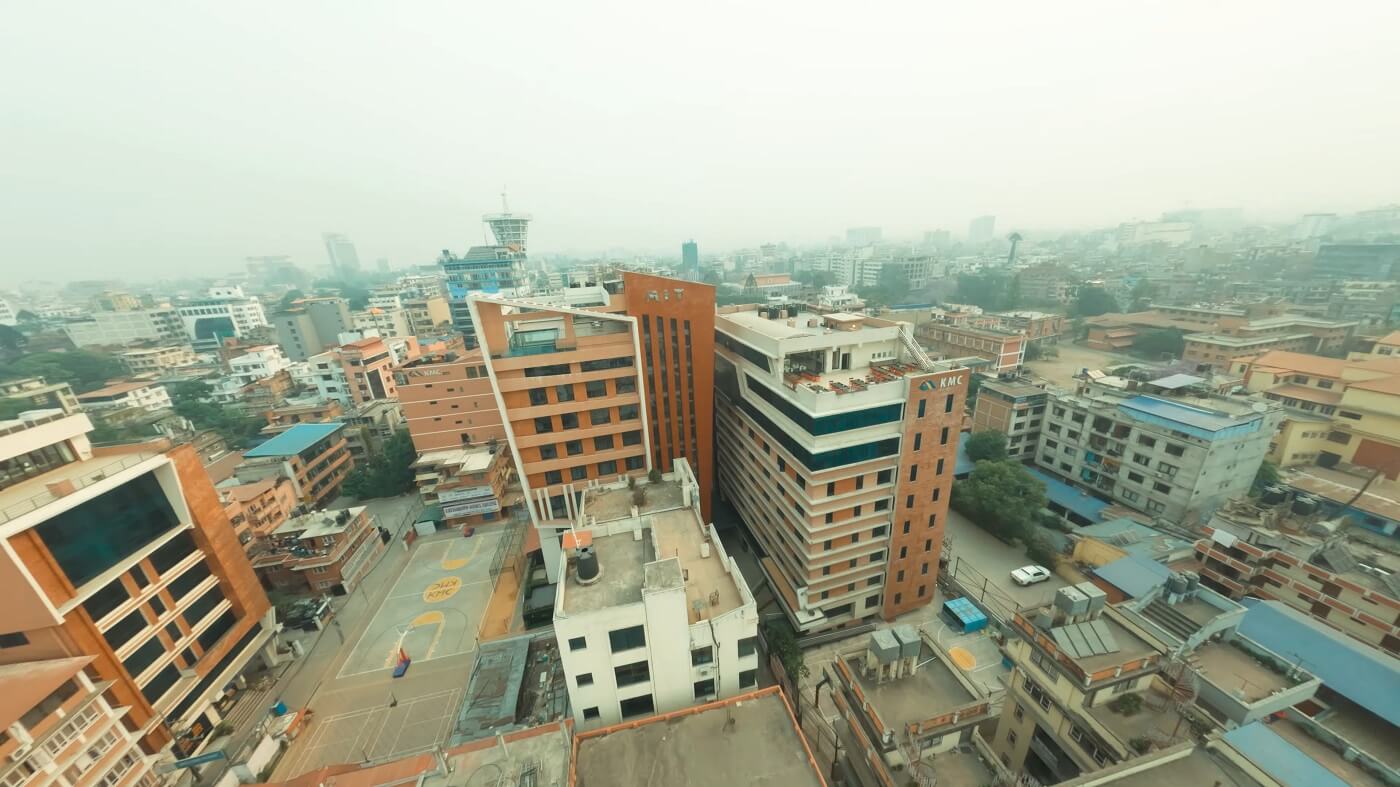
College: Kathmandu Model College (KMC Bagbazar), Bagbazar, Kathmandu
Affiliation: Tribhuvan University (TU), Faculty of Management
Duration: Four years (eight semesters)
Total credit hours: One hundred twenty
What you study and how the curriculum is organized
TU’s BBA curriculum is structured around multiple course components and totals one hundred twenty credit hours.
Depending on the version in effect for your admission year, the program includes:
-
Management and allied / business foundation courses
-
Computer-related courses
-
Specialization-area courses
-
Applied learning components such as a summer project and an internship
Specialization areas (TU)
TU lists BBA specialization areas such as:
-
Banking and Finance
-
Industrial Management
-
Marketing Management
-
Travel and Tourism Management
-
Management Information System
Availability of a specific specialization can depend on campus capacity and intake planning, so students should confirm the specialization options offered at KMC for the year they apply.
Practical exposure: summer project and internship
A major strength of TU’s BBA structure is that it includes applied work, not only exams. The revised structure includes a summer project (three credits) and an internship (three credits) as part of the one hundred twenty credit hours.
TU’s internship guidelines in the curriculum describe evaluation based on organizational feedback, the project report, and presentation, and it notes that the report must be submitted by the end of the eighth semester. It also specifies a minimum grade requirement in the internship component.
For students, the practical meaning is simple: you are expected to document what you do, defend what you learn, and demonstrate workplace readiness—not just pass written exams.
How students are evaluated (TU)
TU’s BBA evaluation model includes both internal (ongoing) evaluation and end-of-semester examination, with weightage shown as forty percent internal and sixty percent external.
Attendance also matters: TU’s curriculum states students must attend at least eighty percent of required academic activities to qualify for semester examinations.
Because assessment rules can be implemented through Faculty of Management’s semester guidelines, students should follow the latest campus notices for internal evaluation requirements used in practice.
Admission pathway
KMC’s published BBA admission information states that applicants must meet basic academic eligibility and then sit for the Central Management Admission Test (CMAT) administered by TU’s Faculty of Management.
Academic eligibility (as commonly stated):
-
Minimum D+ grade in each subject of Grades 11 and 12 with CGPA thresholds, or second division in +2/PCL/equivalent (intake rules can vary by year).
CMAT requirement:
-
KMC states applicants must score at least forty out of one hundred in CMAT to proceed in the admission process.
KMC also notes it may conduct presentations/interviews as part of its selection process and that only those who pass the interview step are admitted.
Program objectives
A well-structured BBA should help students build competence in both management and professional practice. Under the TU framework and KMC’s stated approach, the program aims to help students:
-
Understand core business functions (accounting, finance, marketing, operations, HR, strategy) through a step-by-step curriculum.
-
Develop analytical thinking, business communication, and decision-making habits through continuous evaluation, presentations, and applied tasks.
-
Gain workplace exposure through applied components (summer project/internship) and professional reporting.
-
Prepare for early managerial roles and business responsibility within Nepal’s and the global market context through specialization learning.
Learning environment at KMC
KMC’s BBA page publishes semester-wise subject lists and describes a process that includes CMAT, interviews, and academic progression across semesters.
For many students, the most practical “KMC advantage” is how consistently the college organizes learning support (classroom engagement, mentoring, and academic units) and connects student development with real expectations like presentation skills, teamwork, and report writing—skills you will need for projects and internships under TU’s structure.
Fees and scholarships
Fees vary by institution and intake year. The most reliable approach is to publish fee information only when it comes from KMC’s current intake notice or official communication.
On scholarships, KMC states it offers scholarships and fee support based on merit and other criteria, and it advises students to check eligibility and details with admissions.
Career directions after BBA
BBA is commonly used as a foundation for early career roles and future master’s study. With specialization choices and applied learning (projects/internship), common pathways include:
-
Banking and finance support roles (credit operations, customer service, junior analyst tracks)
-
Marketing and sales roles (brand support, digital marketing support, sales coordination)
-
HR and administration support roles
-
Operations and supply chain support roles
-
Travel and tourism management roles (depending on specialization and experience)
-
Management information systems–adjacent roles (business analysis support, operations reporting, coordination roles)
-
Entrepreneurship and small business operations (especially when paired with strong project work and industry exposure)
Quick checklist for students before joining
-
Confirm which specialization options are active at KMC for your intake.
-
Ask how summer project and internship are supervised and evaluated, and what documentation is expected.
-
Ask the current fee schedule and scholarship categories from the admission office (latest intake only).
-
Prepare for CMAT early (English, math/quant, reasoning, general awareness), then plan for interview readiness.
Contact Details
Contact Kathmandu Model College's administrative office for detailed information on the Bachelor of Business Administration (BBA) course, including fees, scholarships, facilities, counseling, eligibility criteria, etc.
Bagbazar, Kathmandu, Nepal
Phone: : +977-1-5327447, +977-1-5358983, +977-9847692039
Email: info@kmcen.edu.np
Website: www.kmcen.edu.np
Course Details
- Course TypeBBA
- LevelBachelor Degree
- Duration4 Years
- Affiliated To Tribhuvan University (TU)
- Study ModeFull Time
- Total Seats84
- MediumEnglish
- RecognitionUGC Approved.
-
Offered At
Kathmandu Model College (KMC)
Bagbazar, Kathmandu
Other Courses at Kathmandu Model College (KMC) 9
Latest Updates & Notices
- 23 Feb 26 Kathmandu Model College (KMC) Secures Top Result in TU BBA 2nd Semester Exam
- 07 Feb 26 BBA and BBM Students Present MVPs and Business Plans at KMC
- 07 Feb 26 KMC Holds Self-Awareness and Conflict Resolution Workshop
- 07 Feb 26 KMC Concludes Four-Day IJCC 2026 Conference
- 07 Dec 25 12th IJCC 2026 at Kathmandu Model College
- 04 Aug 25 Festa De Kathmandu 2025 Held at KMC College, Bagbazar
- 02 Aug 25 Kathmandu Model College Marks Anti-Trafficking Day
Reviews
Questions & Discussions
Contact Kathmandu Model College (KMC), Kathmandu
- AddressBagbazar, Kathmandu, Nepal
- Phone+977-1-5327447
- Phone+977-1-5358983
- Phone+977-9847692039
- Emailinfo@ktmmodelcollege.edu.np
- Websitekmcen.edu.np
- Contact personKMC Bagbazar, Kathmandu