



The Bachelor of Science in Medical Imaging Technology (BSc MIT) at Kathmandu University School of Medical Sciences (KUSMS) is a four-academic-year undergraduate health-science program under Kathmandu University.
The course focuses on medical imaging used in disease diagnosis, including X-ray, CT scan, MRI, ultrasonography (USG), and PET-CT.
Students enter the program through the Medical Education Commission framework for bachelor-level medical education. Curriculum, examinations, academic requirements, and degree award follow Kathmandu University rules and regulations.
| Item | Details |
|---|---|
| Course | Bachelor of Science in Medical Imaging Technology |
| Abbreviation | BSc MIT / B.Sc. MIT |
| Level | Bachelor |
| Institution | Kathmandu University School of Medical Sciences |
| University | Kathmandu University |
| Location | Dhulikhel, Kavrepalanchok, Nepal |
| Duration | 4 academic years |
| Reference seats | 10 |
| Eligibility | According to applicable MEC requirements |
| Entrance | MECEE-BL |
| Selection | According to applicable MEC guidelines |
| Academic area | Medical imaging and radiological techniques |
| Degree award | Kathmandu University |
| Professional regulation | Applicable Nepal Health Professional Council requirements |
BSc Medical Imaging Technology is an undergraduate health-science program offered by Kathmandu University School of Medical Sciences (KUSMS).
KUSMS is the School of Medical Sciences of Kathmandu University in Dhulikhel, Kavrepalanchok. Medical imaging forms part of its wider academic portfolio alongside medicine, dentistry, nursing, midwifery, physiotherapy, and laboratory medicine.
The BSc MIT program deals with radiological techniques used in disease diagnosis. Its identified imaging modalities include CT scan, MRI, ultrasonography, X-ray, and PET-CT.
Medical Imaging Technology and Laboratory Medicine are separate academic fields. Medical Imaging Technology centers on diagnostic imaging, while Laboratory Medicine focuses on laboratory-based investigation and testing.
Duration: 4 academic years
The BSc Medical Imaging Technology program is completed over four academic years.
Academic study, examinations, progression, and degree completion operate under Kathmandu University rules and regulations.
The program introduces students to medical imaging technologies used in diagnostic services. Identified imaging techniques include:
X-ray
Computed Tomography (CT scan)
Magnetic Resonance Imaging (MRI)
Ultrasonography (USG)
Positron Emission Tomography combined with Computed Tomography (PET-CT)
These modalities use different technologies to generate images for clinical assessment and diagnosis. BSc MIT prepares students within the technical and health-science setting associated with medical imaging rather than laboratory testing or general medical practice.
Medical imaging contributes to diagnosis by producing images through radiological and related imaging techniques.
Within the BSc MIT pathway, students prepare for work involving imaging systems used in radio-diagnostic services. The academic direction is therefore closely connected with both health science and the technical operation of medical imaging equipment.
The program leads toward the professional role of an Imaging Technologist. Graduates may work as Imaging Technologists in hospitals with radio-diagnostic facilities in public or private sectors.
Eligibility: According to the applicable requirements of the Medical Education Commission (MEC).
BSc MIT eligibility follows the Medical Education Commission framework for the relevant bachelor-level admission process.
Applicants enter through the regulated medical education admission system rather than a separate institutional entrance arrangement.
Admission follows the Medical Education Common Entrance Examination for Bachelor Level, commonly known as MECEE-BL.
The Medical Education Commission (MEC), Government of Nepal, conducts the entrance examination, and selection follows applicable MEC guidelines.
The admission framework covers applicable provisions related to:
Eligibility
MECEE-BL entrance
Selection
Seat allocation
Matching
Scholarship provisions
Admission procedures
MEC rules and code of conduct
Once admitted, students enter the Kathmandu University academic system.
Reference seats: 10
The KUSMS program context carries a reference intake of 10 seats for BSc Medical Imaging Technology.
Seat allocation for regulated medical and health-science education is determined through the MEC system. The reference intake should therefore not be treated as permanent annual capacity because seat determination may vary between admission cycles.
Scholarship allocation and other admission categories are also governed through applicable MEC provisions.
The BSc Medical Imaging Technology curriculum follows Kathmandu University rules and regulations.
The course framework establishes four academic years of study and an academic focus on medical imaging technologies used in diagnosis.
| Stage | Governing framework |
|---|---|
| Eligibility and entrance | Medical Education Commission |
| Selection and matching | Medical Education Commission |
| Curriculum | Kathmandu University |
| Academic examinations | Kathmandu University |
| Degree award | Kathmandu University |
| Professional entry | Applicable professional council requirements |
MEC governs the regulated entrance and selection process, while Kathmandu University governs academic study after enrollment.
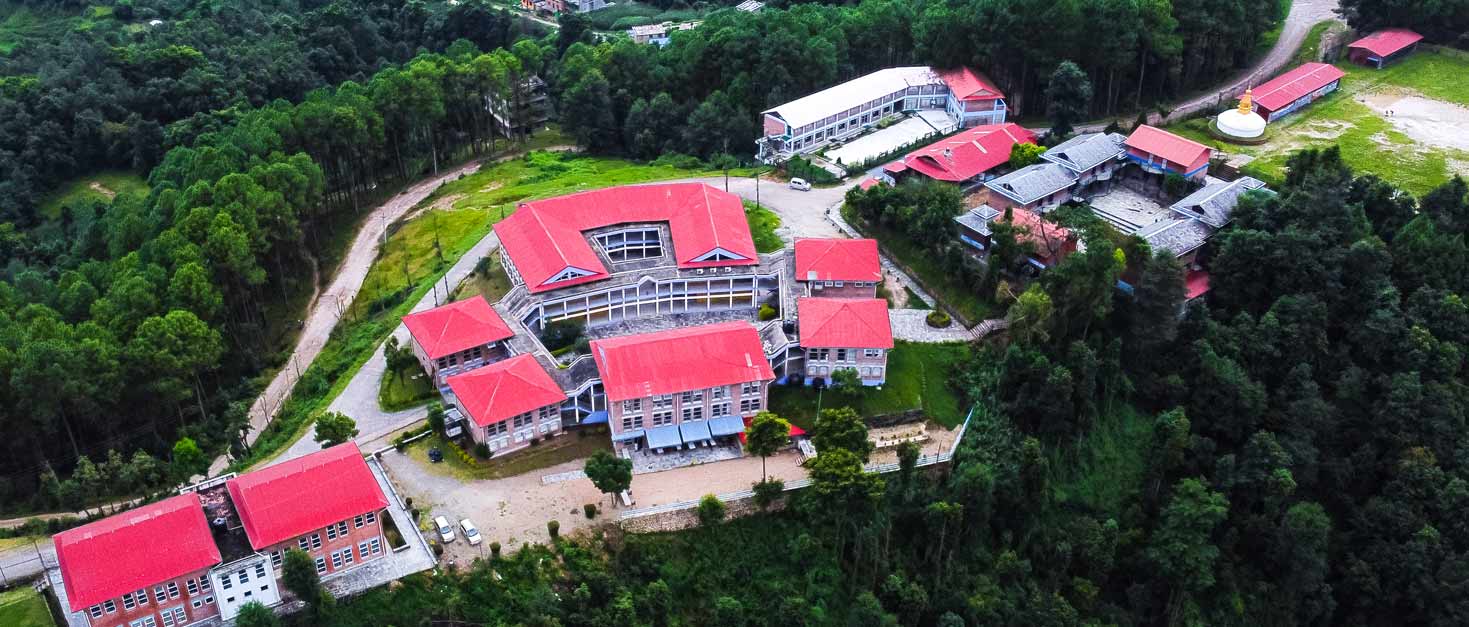
KUSMS operates through a basic-science site at Chaukot in the Panauti area and a university-hospital setting in Dhulikhel. Dhulikhel Hospital serves as the university hospital within the Kathmandu University–Dhulikhel Hospital collaboration.
The wider basic-science setting includes laboratories, lecture halls, Problem-Based Learning classrooms, audio-visual facilities, and library resources.
These facilities form part of the KUSMS academic environment. BSc MIT belongs specifically to the medical imaging area within that wider health-science setting.
BSc MIT prepares graduates for the role of Imaging Technologist in hospitals with radio-diagnostic facilities. The professional setting can include public and private health institutions.
Completion of the Kathmandu University degree and professional entry are separate stages. Graduates entering a regulated health profession must satisfy the applicable professional licensing and registration requirements.
For Medical Imaging Technology, the relevant regulatory pathway is associated with the Nepal Health Professional Council (NHPC).
The pathway therefore involves academic admission, completion of the Kathmandu University degree, and the applicable professional licensing process.
BSc MIT graduates can continue to master's-level study and may pursue specialization in particular imaging modalities.
Further study represents a separate academic stage with its own eligibility and admission requirements. The undergraduate degree does not by itself guarantee entry into a particular postgraduate program or specialization.
Both programs belong to the health-science portfolio at KUSMS and both have a four-academic-year duration, but their academic focus is different.
BSc Medical Imaging Technology focuses on diagnostic imaging techniques such as X-ray, CT, MRI, USG, and PET-CT. BSc Laboratory Medicine focuses on laboratory testing, interpretation of laboratory results, laboratory analyzers, and laboratory quality management.
Students comparing the two should consider whether their interest is primarily in medical imaging systems or laboratory-based diagnostic investigation.
BSc Medical Imaging Technology is a four-year undergraduate health-science program under Kathmandu University that focuses on imaging technologies used in disease diagnosis.
The program has a duration of four academic years.
The identified imaging techniques include X-ray, CT scan, MRI, ultrasonography (USG), and PET-CT.
Eligibility follows the applicable requirements of the Medical Education Commission.
Admission follows MECEE-BL under the Medical Education Commission framework.
The Medical Education Commission, Government of Nepal, conducts the entrance examination, and selection follows applicable MEC guidelines.
Kathmandu University awards the degree. KUSMS is its School of Medical Sciences.
The program prepares graduates for work as Imaging Technologists in hospitals with radio-diagnostic facilities.
Yes. Graduates can pursue master's-level study and may continue into specialization in medical imaging modalities, subject to the requirements of the postgraduate program.
Graduates entering regulated professional practice must satisfy the applicable licensing and registration requirements associated with the Nepal Health Professional Council.






