



The Bachelor of Dental Surgery (BDS) at Kathmandu University School of Medical Sciences (KUSMS) is a five-and-a-half-year undergraduate dental program under Kathmandu University. Its structure includes two years of pre-clinical and para-clinical study, two and a half years of clinical study, and one year of compulsory rotating residential internship.
Admission follows the Medical Education Commission framework for bachelor-level medical education, while curriculum, examinations, academic requirements, and degree award follow Kathmandu University rules and regulations.
After completing the academic program, graduates entering professional dental practice must meet the applicable Nepal Medical Council licensing and registration requirements.
| Item | Details |
|---|---|
| Course | Bachelor of Dental Surgery (BDS) |
| Level | Bachelor |
| Institution | Kathmandu University School of Medical Sciences |
| University | Kathmandu University |
| Location | Dhulikhel, Kavrepalanchok, Nepal |
| Duration | Five and a half years |
| Pre-clinical and para-clinical study | Two years |
| Clinical study | Two and a half years |
| Internship | One year of compulsory rotating residential internship |
| Entrance | MECEE-BL under the MEC framework |
| Curriculum and examinations | Kathmandu University rules and regulations |
| Degree award | Kathmandu University |
| Professional licensing | Applicable Nepal Medical Council requirements |
BDS is the undergraduate dental degree offered at Kathmandu University School of Medical Sciences (KUSMS). It provides the academic route into dentistry within the broader medical and health-science structure of KUSMS.
The program is distinct from MBBS even though both belong to the school's undergraduate professional education portfolio. BDS is directed toward dental and oral-health education, while MBBS follows the medical pathway.
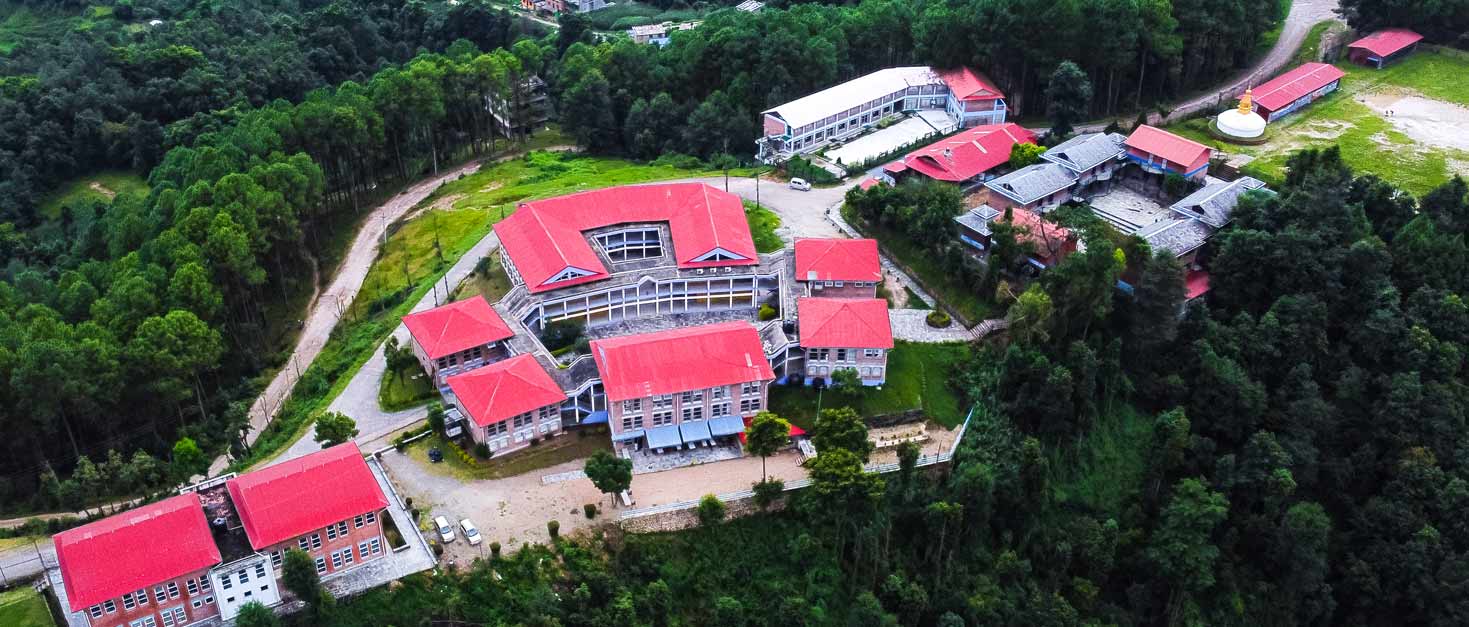
KUSMS operates as the School of Medical Sciences of Kathmandu University. The institution is based in Dhulikhel, Kavrepalanchok, with basic-science facilities at Chaukot in the Panauti area and Dhulikhel Hospital serving as the university hospital within the Kathmandu University–Dhulikhel Hospital collaboration.
The BDS pathway combines foundational scientific study, dental and clinical education, and compulsory internship within one five-and-a-half-year program.
Duration: Five and a half years
The program is divided into three broad stages:
| Stage | Duration |
|---|---|
| Pre-clinical and para-clinical study | 2 years |
| Clinical study | 2.5 years |
| Compulsory rotating residential internship | 1 year |
The first two years cover the pre-clinical and para-clinical stage. Students then progress to two and a half years of clinical study, followed by one year of compulsory rotating residential internship.
The internship is part of the stated five-and-a-half-year BDS structure rather than an additional period outside the course duration.
This sequencing is important when students calculate how long the complete dental degree pathway takes. Completion involves more than classroom study; the stated course period also incorporates clinical education and the compulsory internship stage.
The first two years constitute the pre-clinical and para-clinical component of BDS.
This stage comes before the two-and-a-half-year clinical component and forms the initial academic phase of the degree. KUSMS has a separate basic-science site at Chaukot in the Panauti area, where its basic-science infrastructure includes laboratories, lecture halls, Problem-Based Learning classrooms, audio-visual facilities, and library resources.
The available course information establishes the duration and broad division of this stage but does not provide a complete subject-by-subject BDS curriculum. A detailed subject list is therefore not reproduced here.
Clinical study occupies two and a half years of the BDS program.
It follows the two-year pre-clinical and para-clinical phase and precedes the compulsory rotating residential internship. The clinical period forms an integral part of the degree rather than a separate qualification.
KUSMS operates within an institutional setting that connects university teaching with Dhulikhel Hospital. The school also offers postgraduate dental study through MDS programs, placing BDS within a wider dental-education structure at Kathmandu University School of Medical Sciences.
The exact clinical timetable, departmental rotations, assessment pattern, and detailed curriculum are governed through the applicable Kathmandu University academic framework.
The final year of the BDS program is a compulsory rotating residential internship.
Internship duration: One year
The internship follows completion of the pre-clinical, para-clinical, and clinical stages. It is included within the total five-and-a-half-year duration of BDS.
This means students considering BDS should account for the internship when planning the full duration of their undergraduate dental education.
The internship also remains part of the academic pathway before a graduate moves toward the professional licensing and registration requirements associated with dental practice.
Eligibility: According to the applicable requirements of the Medical Education Commission (MEC).
KUSMS places BDS eligibility under the MEC framework rather than establishing a separate permanent eligibility formula for the course.
Applicants therefore enter the BDS admission process under the eligibility provisions applicable to bachelor-level medical education. Those requirements operate together with the relevant Kathmandu University rules governing admission to the program.
Specific academic thresholds or applicant categories are not fixed within this course profile because the eligibility framework is governed through the prevailing MEC admission system.
BDS admission follows the Medical Education Common Entrance Examination for Bachelor Level, commonly known as MECEE-BL.
The entrance examination is administered within the Medical Education Commission (MEC) framework. Selection for BDS follows the applicable MEC guidelines.
The admission framework may include:
Eligibility under applicable MEC requirements
MECEE-BL entrance examination
Merit and selection procedures
Seat allocation
Matching procedures
Scholarship provisions
Institutional admission requirements
Applicable MEC rules and code of conduct
These components belong to the admission stage. Once admitted, students enter the Kathmandu University academic system for their BDS studies.
BDS admission at KUSMS involves the Medical Education Commission framework together with the applicable institutional and university requirements.
For an applicant, it is useful to separate the major stages:
Meeting the applicable eligibility requirements
Participating in MECEE-BL
Completing the applicable selection and matching process
Receiving placement under the prevailing seat-allocation system
Completing the institutional admission requirements
Beginning the Kathmandu University BDS academic program
Seat allocation, scholarships, admission procedures, and related conditions remain subject to the prevailing MEC system. These are regulatory admission matters rather than permanent features of the BDS curriculum.
For this reason, a fixed seat figure is not used as a permanent characteristic of the course.
The BDS curriculum follows the rules and regulations of Kathmandu University.
The confirmed academic structure consists of:
Two years of pre-clinical and para-clinical study
Two and a half years of clinical study
One year of compulsory rotating residential internship
The university framework governs the academic course after enrollment, including curriculum, examinations, academic progression, completion requirements, and degree award.
MEC and Kathmandu University therefore have different functions within the BDS pathway. MEC governs the applicable entrance and admission framework, while Kathmandu University governs the academic program and awards the degree.
BDS students complete their academic examinations according to Kathmandu University rules and regulations.
Entrance examination and university examination should be understood separately. MECEE-BL is used in the admission process before enrollment. University examinations assess progress within the BDS program after admission.
Degree award: Kathmandu University
Students must complete the academic, clinical, examination, and compulsory internship requirements applicable to the program before completing the BDS degree pathway.
KUSMS has facilities at two principal locations: the basic-science site at Chaukot in the Panauti area and the university-hospital setting in Dhulikhel.
Academic facilities associated with the basic-science site include:
Laboratories
Lecture halls
Problem-Based Learning classrooms
Audio-visual and media technology facilities
Library resources
Basic-science departmental spaces
The two institutional sites are approximately three kilometres apart.
These facilities form part of the wider KUSMS academic setting. The exact use of particular facilities by BDS students depends on the structure and requirements of their academic and clinical stages.
BDS is an academic degree, while permission to enter a regulated dental profession involves a separate professional licensing and registration stage.
After completing BDS, graduates must meet the applicable requirements of the Nepal Medical Council before entering professional dental practice.
This distinction separates three parts of the pathway:
Admission through the applicable medical education entrance system
Completion of the Kathmandu University BDS degree
Professional licensing and registration
Graduation from the university confirms completion of the academic qualification. Professional practice remains subject to the relevant council requirements.
KUSMS also has postgraduate dental education through Master of Dental Surgery (MDS) programs.
The MDS disciplines associated with the wider KUSMS dental academic structure include Conservative Dentistry and Endodontics, Oral and Maxillofacial Surgery, Oral Pathology, Orthodontics, Periodontics, and Prosthodontics. The stated duration of the MDS program is three years.
For MDS admission, the listed academic pathway includes a BDS or equivalent degree recognized by Kathmandu University, clinical experience after Nepal Medical Council registration, and registration with the Nepal Medical Council. Selection is linked with the applicable entrance process.
BDS graduates should regard postgraduate admission as a separate stage with its own eligibility and selection requirements rather than as an automatic continuation of the undergraduate degree.
BDS is suited to students whose intended professional direction is dentistry and oral health rather than general medical practice.
A prospective student should consider the complete structure of the course: two years of pre-clinical and para-clinical education, two and a half years of clinical study, and one year of compulsory rotating residential internship.
The pathway also involves several separate requirements beyond academic admission:
MECEE-BL entrance and selection
Kathmandu University academic regulations
Clinical and internship requirements
University examinations
Completion of the BDS degree
Professional council licensing and registration
Students comparing BDS with MBBS or another health-science program should treat each as a separate professional route with its own curriculum, training structure, and regulatory requirements.
The Bachelor of Dental Surgery is the undergraduate dental degree offered at Kathmandu University School of Medical Sciences under Kathmandu University. It combines pre-clinical and para-clinical study, clinical study, and a compulsory internship.
The BDS program takes five and a half years. It includes two years of pre-clinical and para-clinical study, two and a half years of clinical study, and one year of compulsory rotating residential internship.
Yes. BDS includes one year of compulsory rotating residential internship as part of its five-and-a-half-year course structure.
BDS eligibility follows the applicable Medical Education Commission requirements together with the relevant Kathmandu University academic regulations.
Admission follows the Medical Education Common Entrance Examination for Bachelor Level, or MECEE-BL, under the Medical Education Commission framework.
The Medical Education Commission conducts the applicable entrance process, and selection follows MEC guidelines.
Kathmandu University awards the BDS degree. KUSMS is the School of Medical Sciences of Kathmandu University.
KUSMS is based in Dhulikhel, Kavrepalanchok, Nepal. Its basic-science site is located at Chaukot in the Panauti area, while Dhulikhel Hospital serves as the university hospital within the institutional collaboration.
Yes. The BDS structure includes two and a half years of clinical study after two years of pre-clinical and para-clinical education.
Graduates entering regulated dental practice must meet the applicable Nepal Medical Council licensing and registration requirements.
KUSMS has MDS programs in several dental specialties. Entry into MDS is a separate postgraduate admission process with its own qualification, experience, professional registration, and selection requirements.






