



The Bachelor of Medicine, Bachelor of Surgery (MBBS) at Kathmandu University School of Medical Sciences (KUSMS) is a five-and-a-half-year undergraduate medical program under Kathmandu University. The academic structure consists of two years of pre-clinical study, two and a half years of clinical study, and one year of compulsory rotating residential internship.
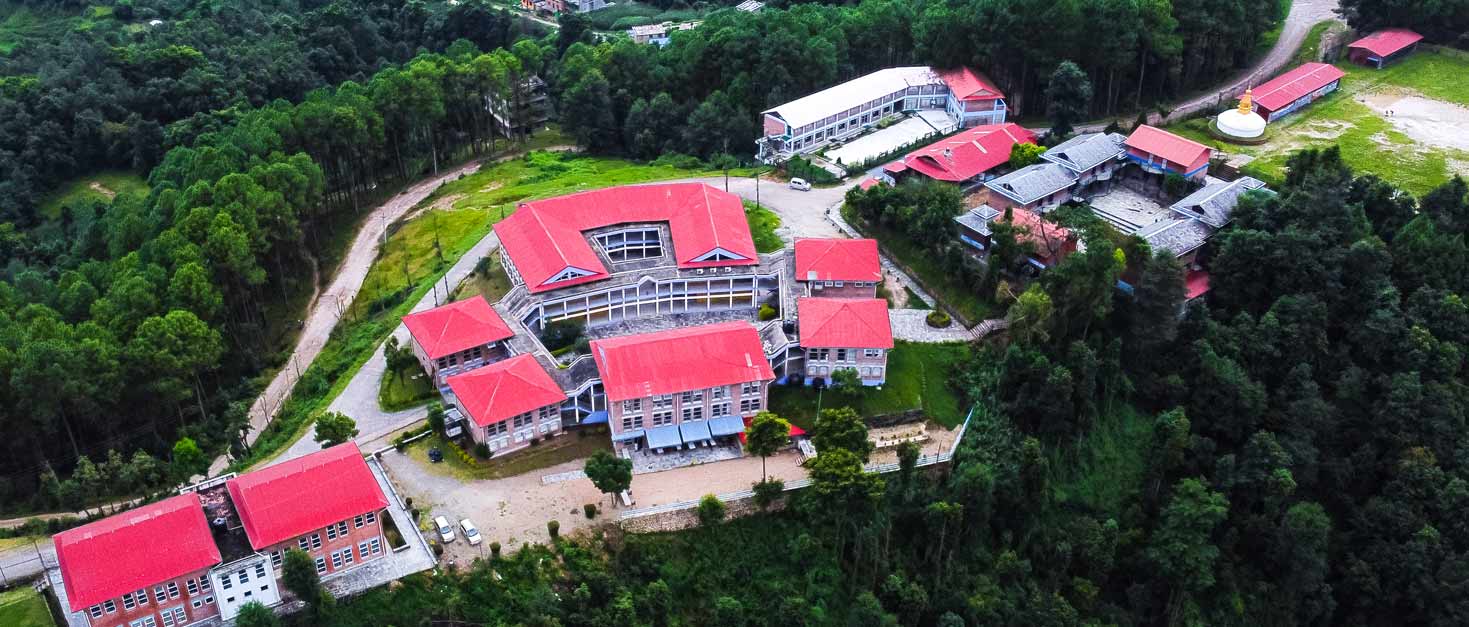
KUSMS is based in Dhulikhel, Kavrepalanchok, with a basic-science site at Chaukot in the Panauti area and Dhulikhel Hospital serving as the university hospital within the Kathmandu University–Dhulikhel Hospital collaboration.
| Item | Details |
|---|---|
| Course | Bachelor of Medicine, Bachelor of Surgery (MBBS) |
| Level | Bachelor |
| Institution | Kathmandu University School of Medical Sciences |
| University | Kathmandu University |
| Location | Dhulikhel, Kavrepalanchok, Nepal |
| Duration | Five and a half years |
| Pre-clinical study | Two years |
| Clinical study | Two and a half years |
| Internship | One year of compulsory rotating residential internship |
| Entrance | MECEE-BL under the Medical Education Commission framework |
| Degree award | Kathmandu University |
| Professional licensing | Applicable Nepal Medical Council licensing and registration requirements |
KUSMS offers MBBS as one of its undergraduate medical programs. Its own constituent MBBS program in Dhulikhel began in August 2001.
The course combines pre-clinical education, clinical education, and a compulsory internship within a five-and-a-half-year structure. Rather than treating classroom study, clinical training, and internship as separate qualifications, the MBBS program brings them together as stages of one Kathmandu University degree pathway.
KUSMS operates within the academic framework of Kathmandu University. Curriculum, examinations, academic requirements, and degree award follow the applicable rules and regulations of the university.
The MBBS program takes five and a half years to complete.
| Stage | Duration |
|---|---|
| Pre-clinical study | 2 years |
| Clinical study | 2.5 years |
| Compulsory rotating residential internship | 1 year |
The first two years form the pre-clinical component of the course. This is followed by two and a half years of clinical study. Students then complete one year of compulsory rotating residential internship.
The structure makes internship part of the stated MBBS duration rather than an unrelated activity after the academic course.
KUSMS has academic infrastructure at Chaukot in the Panauti area and a university-hospital setting in Dhulikhel. The basic-science site includes laboratories, lecture halls, Problem-Based Learning classrooms, audio-visual facilities, and library resources.
Dhulikhel Hospital serves as the university hospital for constituent medical programs under the collaboration between Kathmandu University and Dhulikhel Hospital. The two institutional locations are approximately three kilometres apart.
This two-site arrangement gives the MBBS program an academic setting that includes basic-science facilities as well as the university-hospital environment associated with clinical medical education.
Eligibility: MBBS eligibility follows the requirements of the Medical Education Commission (MEC) together with the applicable Kathmandu University rules governing the program.
The KUSMS MBBS information directs applicants to MEC requirements rather than setting a separate permanent eligibility formula within the course description.
Because MBBS falls under regulated medical education, eligibility operates within the prevailing MEC framework for bachelor-level medical admission.
Admission to MBBS is based on the Medical Education Common Entrance Examination for Bachelor Level (MECEE-BL).
The entrance examination for MBBS is conducted by the Medical Education Commission (MEC), Government of Nepal. Selection follows the applicable MEC guidelines.
The admission framework covers matters such as:
MECEE-BL entrance examination
Eligibility under applicable MEC requirements
Selection according to MEC guidelines
Seat allocation under the prevailing MEC system
Scholarship provisions where applicable
Matching and admission procedures
Applicable MEC rules and code of conduct
These admission components operate within the MEC system, while the enrolled student studies under Kathmandu University academic regulations.
The MBBS curriculum follows the applicable rules and regulations of Kathmandu University.
The confirmed course structure divides study into pre-clinical and clinical stages followed by compulsory rotating residential internship. A detailed subject-by-subject curriculum is not reproduced here.
Academic progression remains part of the Kathmandu University framework throughout the course. This includes the curriculum, university examinations, academic requirements, and conditions attached to completion of the degree.
The distinction between MEC and Kathmandu University is useful for understanding the course. MEC is responsible for the applicable entrance and selection framework, while Kathmandu University governs the academic program and awards the degree.
Clinical study accounts for two and a half years of the MBBS course. KUSMS is connected with Dhulikhel Hospital as its university hospital for constituent medical programs.
After the pre-clinical and clinical stages, students complete one year of compulsory rotating residential internship. The internship forms part of the five-and-a-half-year MBBS structure.
Students considering MBBS should therefore account for the complete course duration rather than viewing the academic study period separately from the compulsory internship year.
MBBS examinations and degree requirements are governed by Kathmandu University rules and regulations.
Students must complete the academic and internship requirements attached to the program for the degree to be awarded by Kathmandu University. Entrance examination and university examinations serve different functions: MECEE-BL is part of admission, while academic examinations belong to the university course after enrollment.
Completion of MBBS and entry into professional medical practice are separate stages.
After completing the course, graduates must meet the applicable licensing examination and registration requirements of the Nepal Medical Council before entering the medical profession.
The Kathmandu University degree establishes completion of the academic program, while professional practice remains subject to the applicable medical council requirements.
MBBS is the KUSMS undergraduate pathway for students intending to pursue medical education and move toward the medical profession.
Students considering the program should be prepared for its full five-and-a-half-year structure, which includes:
Two years of pre-clinical study
Two and a half years of clinical study
One year of compulsory rotating residential internship
MECEE-BL admission requirements
Kathmandu University academic and examination requirements
Professional licensing requirements after completion
The course should be considered in relation to the student's eligibility, readiness for the duration and academic structure, and intention to enter a regulated medical profession.
The MBBS program is five and a half years long. It consists of two years of pre-clinical study, two and a half years of clinical study, and one year of compulsory rotating residential internship.
The MBBS degree is awarded by Kathmandu University. KUSMS is the School of Medical Sciences of Kathmandu University.
MBBS admission follows the Medical Education Common Entrance Examination for Bachelor Level (MECEE-BL) framework administered by the Medical Education Commission.
The Medical Education Commission, Government of Nepal, conducts the MBBS entrance examination, and selection is carried out according to the applicable MEC guidelines.
Yes. The five-and-a-half-year program includes one year of compulsory rotating residential internship after the pre-clinical and clinical study stages.
The program is offered by Kathmandu University School of Medical Sciences in Dhulikhel, Kavrepalanchok. KUSMS also has its basic-science site at Chaukot in the Panauti area, while Dhulikhel Hospital serves as the university hospital.
The curriculum, examinations, academic requirements, and degree award follow the applicable rules and regulations of Kathmandu University.
Yes. Graduates must meet the applicable Nepal Medical Council licensing examination and registration requirements before entering professional medical practice.






