



The Bachelor of Physiotherapy (BPT) at Kathmandu University School of Medical Sciences (KUSMS) is a four-academic-year undergraduate physiotherapy program under Kathmandu University. The course is designed around the science and practice of physiotherapy, with attention to problem-solving, decision-making, communication, patient-centred practice, health promotion, injury prevention, and physiotherapy work in clinical and community settings.
Admission follows the Medical Education Commission framework for bachelor-level medical and health-professional education. Curriculum, examinations, academic requirements, and degree award operate under Kathmandu University rules and regulations.
| Item | Details |
|---|---|
| Course | Bachelor of Physiotherapy (BPT) |
| Level | Bachelor |
| Institution | Kathmandu University School of Medical Sciences |
| University | Kathmandu University |
| Location | Dhulikhel, Kavrepalanchok, Nepal |
| Duration | 4 academic years |
| Reference seats | 40 |
| Eligibility | According to applicable MEC requirements |
| Entrance | MECEE-BL under the MEC framework |
| Selection | According to applicable MEC guidelines |
| Academic regulation | Kathmandu University |
| Degree award | Kathmandu University |
| Learning orientation | Physiotherapy science and practice in clinical and community settings |
BPT is the undergraduate physiotherapy degree offered at Kathmandu University School of Medical Sciences (KUSMS).
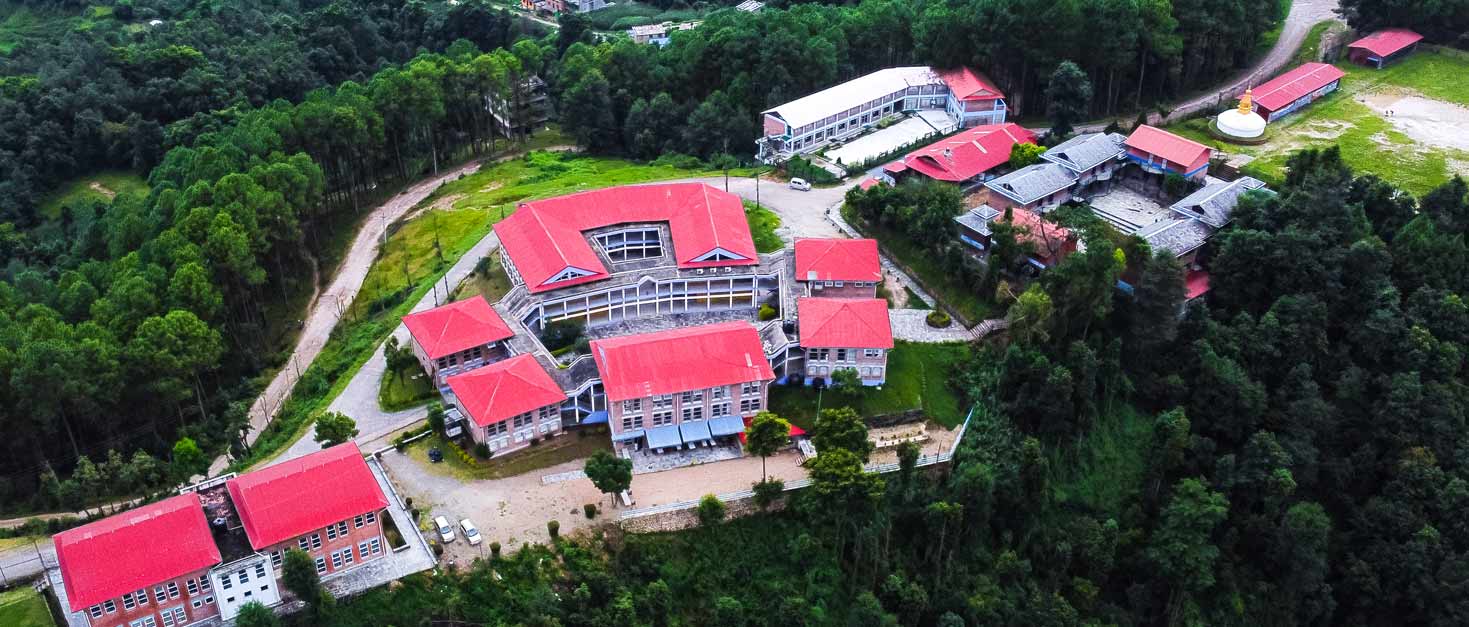
KUSMS is the School of Medical Sciences of Kathmandu University and is based in Dhulikhel, Kavrepalanchok. The school developed through collaboration between Kathmandu University and Dhulikhel Hospital, with academic facilities at Chaukot in the Panauti area and a university-hospital setting in Dhulikhel.
Within this setting, BPT is concerned with the science and practice of physiotherapy. The program aims to prepare graduates who can apply physiotherapy knowledge safely and effectively across clinical and community settings while keeping patient needs central to practice.
The course also places importance on health and well-being promotion and injury prevention. These elements give the program a scope that includes treatment-related physiotherapy as well as preventive and community-oriented dimensions of the profession.
Duration: 4 academic years
The BPT program is completed over four academic years.
The available BPT information establishes the overall duration but does not provide a year-by-year or semester-by-semester undergraduate curriculum. Subjects, academic progression, examinations, and other course requirements follow the applicable Kathmandu University academic structure.
The four-year period should be considered the complete stated academic duration of the BPT program at KUSMS.
The program is designed to prepare trained health professionals with knowledge of physiotherapy science and practice.
Its academic purpose brings together several abilities relevant to physiotherapy:
Problem-solving
Decision-making
Communication
Knowledge of physiotherapy science and practice
Safe and effective practice
Patient-centred physiotherapy
Practice in clinical settings
Practice in community settings
Health and well-being promotion
Injury prevention
The course also connects physiotherapy education with Nepal's need for trained physiotherapy professionals.
These objectives describe the educational direction of the degree. They do not guarantee a particular employment outcome, position, or professional setting after graduation.
BPT combines the scientific basis of physiotherapy with preparation for professional practice.
The program expects students to develop an understanding of physiotherapy that can be applied when assessing problems, making decisions, communicating with patients and other people involved in care, and working across different clinical and community contexts.
Patient-centred practice is part of this educational direction. Rather than treating physiotherapy only as the application of procedures, the course places the patient within the decision-making and care process.
Health promotion and injury prevention are also identified within the intended practice of graduates. This places physiotherapy within a broader health context that includes preventing problems and supporting well-being alongside physiotherapy management.
The BPT program is intended to prepare graduates for physiotherapy practice in both clinical and community settings.
This dual focus is significant because physiotherapy education is not presented as being confined to one type of health-care environment. Clinical practice and community-based work are both included in the stated scope of graduate preparation.
The course description does not provide a detailed undergraduate clinical-placement schedule, number of practical hours, or rotation plan. Those details are not assigned here.
What is clear is that the program's intended graduate profile includes the ability to apply physiotherapy knowledge safely and effectively in varied clinical and community settings.
Problem-solving and decision-making are specifically included among the abilities the BPT program seeks to develop.
In the context of physiotherapy education, these abilities sit alongside scientific knowledge and practical understanding. Students are expected to learn how knowledge of physiotherapy can inform decisions rather than relying only on isolated technical tasks.
Communication is another stated part of graduate preparation. It is presented alongside problem-solving, decision-making, and physiotherapy knowledge, indicating that professional interaction is treated as part of physiotherapy practice.
The program does not claim that completion alone produces identical levels of ability in every graduate. Development of these abilities remains connected with academic participation, practical learning, assessment, and individual performance during the course.
Eligibility: According to the applicable requirements of the Medical Education Commission (MEC).
KUSMS places BPT eligibility under the Medical Education Commission framework.
This means applicants enter through the eligibility system applicable to bachelor-level medical and health-professional education rather than through a separate permanent eligibility formula created by KUSMS.
Kathmandu University requirements also govern the academic program. Eligibility and admission should therefore be understood separately from the university requirements that apply after enrollment.
Admission to BPT follows the Medical Education Common Entrance Examination for Bachelor Level, or MECEE-BL, under the Medical Education Commission (MEC) framework.
The BPT entrance test is conducted by MEC, Government of Nepal, and selection follows applicable MEC guidelines.
The regulated admission framework covers matters associated with:
Eligibility
MECEE-BL entrance examination
Selection
Merit-based admission procedures
Seat allocation
Matching
Scholarship provisions
Applicable admission rules and procedures
These matters belong to the admission stage. Academic study after enrollment follows Kathmandu University regulations.
BPT admission can be understood through two connected systems: the MEC admission framework and the Kathmandu University academic framework.
| Stage | Governing framework |
|---|---|
| Eligibility | Applicable MEC requirements |
| Entrance examination | MECEE-BL through MEC |
| Selection | Applicable MEC guidelines |
| Seat allocation and matching | MEC framework |
| Academic curriculum | Kathmandu University |
| Academic examinations | Kathmandu University |
| Degree award | Kathmandu University |
An applicant must first satisfy the admission requirements applicable to BPT and complete the MEC entrance and selection process.
After enrollment, the student enters a Kathmandu University academic program. Curriculum, examinations, progression, and degree completion then operate through the university's rules and regulations.
Reference seats: 40
The BPT program has a reference intake of 40 seats.
Medical and health-professional education seats are determined within the Medical Education Commission framework. The number available for a particular admission cycle can therefore be revised according to MEC decisions and seat determination.
The reference figure should be read as the stated KUSMS program intake rather than as a permanent guarantee of the number of seats available in every admission cycle.
Scholarship allocation, matching, and admission categories are also governed through applicable MEC provisions.
The BPT curriculum and academic requirements follow Kathmandu University rules and regulations.
The undergraduate BPT information identifies the program's purpose and overall four-year duration but does not provide a complete subject list. A subject-by-subject curriculum is therefore not added.
The program's stated academic direction covers the science and practice of physiotherapy together with:
Clinical and community practice
Problem-solving
Decision-making
Communication
Patient-centred practice
Health promotion
Injury prevention
Students progress through the university program according to the academic and examination requirements attached to BPT.
BPT examinations follow applicable Kathmandu University rules and regulations.
The MECEE-BL entrance examination and Kathmandu University academic examinations serve different purposes. MECEE-BL is used during admission, while university examinations form part of the academic program after enrollment.
Degree award: Kathmandu University
Students must complete the academic requirements attached to the BPT program before the university degree is awarded.
KUSMS operates through basic-science facilities at Chaukot in the Panauti area and the university-hospital setting in Dhulikhel.
The Chaukot academic site includes:
Laboratories
Lecture halls
Problem-Based Learning classrooms
Audio-visual facilities
Library resources
Basic-science departmental spaces
Dhulikhel Hospital serves as the university hospital within the Kathmandu University–Dhulikhel Hospital collaboration. The two institutional locations are approximately three kilometres apart.
These facilities form part of the wider KUSMS learning environment. Their exact use within BPT depends on the requirements of the physiotherapy curriculum rather than applying identically to every KUSMS program.
The stated BPT objectives identify a practical set of abilities that students are expected to develop during the degree.
Physiotherapy education is intended to develop the ability to approach patient-related and practice-related problems systematically.
Decision-making is included alongside scientific and practical physiotherapy knowledge, reflecting its place in patient-centred practice.
Communication skills form part of the intended graduate profile. Physiotherapy involves interaction within clinical and community settings, making communication relevant to the program's stated practice orientation.
Students are expected to develop knowledge of both the science and practice of physiotherapy and apply that knowledge within professional settings.
The program identifies patient-centred practice as part of the expected approach to physiotherapy.
Graduate practice is also expected to include promotion of health and well-being and prevention of injury.
These abilities are educational objectives rather than guaranteed outcomes for every student.
The BPT degree is intended to prepare trained health professionals for physiotherapy services.
The course identifies clinical and community settings as areas in which graduates are expected to apply physiotherapy knowledge and practice. It does not provide a fixed employment list or guarantee placement after graduation.
Professional opportunities depend on factors such as individual competence, experience, licensing and registration requirements, available positions, and the setting in which a graduate intends to practise.
Health-professional practice also remains subject to the applicable professional regulatory framework. Graduates entering regulated physiotherapy practice must complete the professional licensing and registration requirements that apply to their field.
Students researching the regulatory side of physiotherapy can also refer to the Nepal Health Professional Council (NHPC) in relation to health-professional regulation.
The BPT pathway can continue into postgraduate study.
Physiotherapy graduates may pursue master's and PhD-level study in physiotherapy. Related academic areas identified in the BPT information include anatomy and kinesiology.
KUSMS also offers a separate Master of Physiotherapy (MPT) program. Its postgraduate physiotherapy areas include Musculoskeletal & Sports, Neurological Sciences, and Community Rehabilitation.
Admission to a postgraduate program is a separate process with its own qualification, eligibility, entrance, and other academic requirements. Completing BPT does not create automatic admission to MPT or another postgraduate course.
BPT may suit students whose academic and professional interest is centered on physiotherapy, physical movement, rehabilitation, patient care, health promotion, and injury prevention.
The course may also be relevant for students interested in working with people in both clinical and community contexts and who are prepared to develop problem-solving, decision-making, communication, and physiotherapy-related knowledge over a four-year university program.
Students considering BPT should distinguish it from medicine, nursing, laboratory medicine, and medical imaging. Although these programs belong to the wider health-science field, they prepare students for different academic and professional roles.
The decision should be based on the student's interest in physiotherapy, eligibility for admission, readiness for the academic commitment, and longer-term professional or postgraduate study plans.
Bachelor of Physiotherapy is a four-year undergraduate physiotherapy program offered by Kathmandu University School of Medical Sciences under Kathmandu University.
The BPT program has a duration of four academic years.
The program focuses on the science and practice of physiotherapy, with attention to clinical and community practice, patient-centred care, health promotion, injury prevention, problem-solving, decision-making, and communication.
Eligibility follows the applicable requirements of the Medical Education Commission.
BPT admission follows MECEE-BL under the Medical Education Commission framework.
The Medical Education Commission, Government of Nepal, conducts the entrance test, and selection follows applicable MEC guidelines.
The reference intake is 40 seats. Seat determination operates under the MEC framework and may change between admission cycles.
Kathmandu University awards the BPT degree. KUSMS is Kathmandu University's School of Medical Sciences.
The program is designed to prepare graduates to apply physiotherapy knowledge and practice in both clinical and community settings.
The program identifies problem-solving, decision-making, communication, physiotherapy knowledge, patient-centred practice, health promotion, and injury prevention among its intended areas of graduate development.
Yes. The academic pathway can continue to master's and PhD study in physiotherapy and related areas such as anatomy or kinesiology. KUSMS also offers a separate Master of Physiotherapy program.
Physiotherapy is a health-professional pathway, and professional practice is subject to the applicable licensing and registration requirements governing the profession.






