The Diploma in Physiotherapy at Koshi Health Institute, Biratnagar, is a three-year health science program affiliated with the Council for Technical Education and Vocational Training (CTEVT). Its current CTEVT curriculum uses the official title Proficiency Certificate Level in Medical Science (Physiotherapy).
The program prepares middle-level technical personnel for physiotherapy practice in clinical and community settings, combining foundational sciences, physiotherapy subjects, rehabilitation, hospital-based clinical practice, and community physiotherapy. The curriculum received its second revision in 2025 (2082 BS), with the revised second and third years effective from the 2082/83 academic intake.
| Field | Details |
|---|---|
| Course: | Diploma in Physiotherapy |
| Official Curriculum Title: | Proficiency Certificate Level in Medical Science (Physiotherapy) |
| Institution: | Koshi Health Institute |
| Location: | Biratnagar, Morang |
| Affiliation: | CTEVT |
| Duration: | 3 academic years |
| Academic System: | Yearly system |
| Curriculum Revision: | Second Revision, 2025 (2082 BS) |
| Clinical Practicum: | 20 weeks in the third year |
| Community Practice: | 4 weeks in the third year |
The three-year structure moves from basic science and foundational study to physiotherapy theory and practical learning, followed by clinical and community application in the final year.
Physiotherapy education at this level concentrates on physical function, mobility, rehabilitation, and the application of physiotherapy techniques in clinical and community settings.
Students study how physiotherapy relates to musculoskeletal, neurological, cardiopulmonary, pediatric, geriatric, rehabilitation, and women's health conditions. The program also introduces healthcare management, public health, environmental health, disability management, and community-based physiotherapy.
Admission follows the prevailing requirements for medical education under the Medical Education Commission (MEC), Nepal. Where MECEE-BL applies, the admission process follows the applicable MEC entrance, matching, code of conduct, scholarship, seat allocation, fee, and admission provisions.
MEC decisions and its academic calendar govern the applicable seats, scholarships, fees, and admission arrangements for each intake. Seat numbers may therefore change from one academic year to another.
The first year concentrates on basic science and foundational subjects that prepare students for later physiotherapy study.
The second year moves into core physiotherapy and related health science areas. Subjects in the revised curriculum include:
Applied Anatomy and Physiology
Basics of Physiotherapy
Biomechanics
Pathology and Pharmacology
Medicine and Surgery I
Medicine and Surgery II
Behavioural Science
Rehabilitation and Disability Management
This stage combines theory with practical and clinical learning before students progress to the final-year practicum.
Third-year study focuses on physiotherapy management and professional application through:
Physiotherapy in Medical and Surgical Conditions I
Physiotherapy in Medical and Surgical Conditions II
Rehabilitation and Healthcare Management
Clinical Practicum
Comprehensive Community Physiotherapy
Physiotherapy in Medical and Surgical Conditions I covers orthopedics, pediatrics, and geriatrics, while the second course covers neurology, cardiopulmonary conditions, and women's health.
Clinical experience forms a substantial part of the final year. Students complete a 20-week Clinical Practicum in hospital and clinical settings. This component includes assessment by the health facility supervisor, the institute, and final evaluation.
A further four weeks are assigned to Comprehensive Community Physiotherapy. This gives students experience in applying physiotherapy knowledge beyond hospital settings and connects the program with rehabilitation and community health practice.
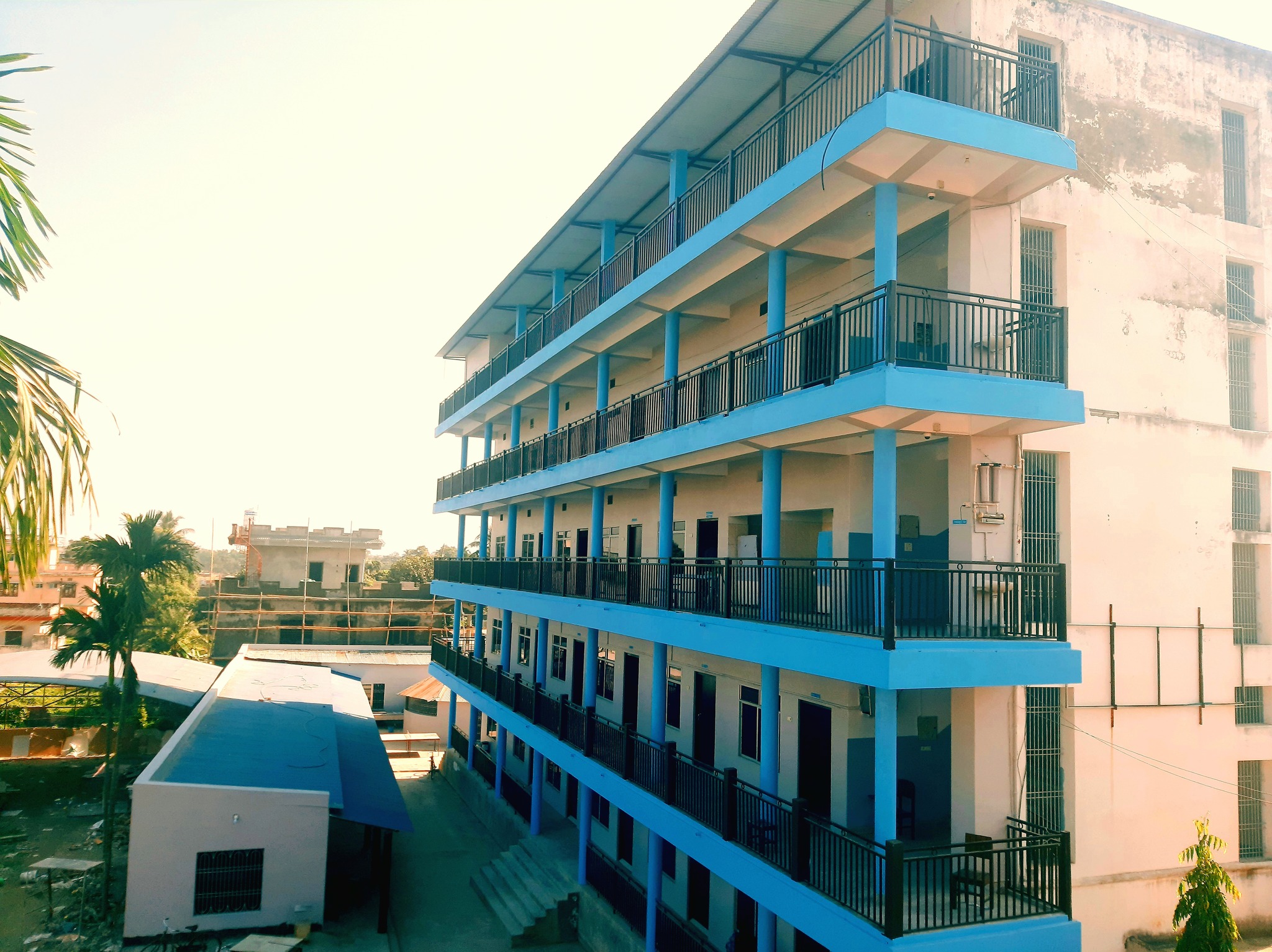
Koshi Health Institute also operates within the same cooperative structure as Morang Cooperative Hospital. The college environment includes classrooms, library resources, health science laboratories, and practical learning facilities relevant to its health programs.
Students are assessed through internal assessment, final theory examinations, practical examinations, and practicum evaluation.
The minimum pass requirements are:
40% in theory
50% in practical
Students must pass both theory and practical components of all subjects. Final practicum evaluation considers attendance, practicum or logbook maintenance, practical performance, and viva voce.
The grading structure includes Distinction, First Division, Second Division, and Pass Division. Students who successfully complete all required components of the three-year program receive the qualification Proficiency Certificate Level in Medical Science (Physiotherapy).
The program prepares graduates for physiotherapy assistant-level responsibilities in clinical and community settings. Koshi Health Institute is associated with the Nepal Health Professional Council (NHPC) for applicable health professional programs.
After completing the academic program, graduates must meet the prevailing professional council licensing requirements before entering regulated professional practice.
Diploma in Physiotherapy may suit students interested in human movement, rehabilitation, physical function, clinical care, disability management, and community-based health services.
The course requires both academic and practical commitment. Students move from foundational sciences into condition-specific physiotherapy and then spend a substantial part of the final year in hospital, clinical, and community settings.
The program runs for three academic years under the CTEVT yearly system.
The current curriculum title is Proficiency Certificate Level in Medical Science (Physiotherapy).
The Diploma in Physiotherapy at Koshi Health Institute is affiliated with CTEVT.
Yes. The third year includes a 20-week Clinical Practicum in hospital and clinical settings.
Yes. Students complete four weeks of Comprehensive Community Physiotherapy in the third year.
Third-year study includes orthopedics, pediatrics, geriatrics, neurology, cardiopulmonary physiotherapy, women's health, rehabilitation, healthcare management, clinical practicum, and community physiotherapy.
Students must secure at least 40% in theory and 50% in practical components.
Students who complete all required components receive the Proficiency Certificate Level in Medical Science (Physiotherapy) qualification.