PCL Nursing at Koshi Health Institute is a three-year proficiency certificate program in Biratnagar, Morang. The program is affiliated with the Council for Technical Education and Vocational Training (CTEVT) and prepares students for nursing responsibilities in hospital and community settings.
Its curriculum combines nursing theory with clinical, practical, and community-based learning across all three years. At KHI, the program is connected with the institution's health science learning environment and its 100-bed Morang Cooperative Hospital for clinical field practice. The institute records PCL Nursing as a program started in 2080 B.S.
| Field | Details |
|---|---|
| Course: | PCL Nursing (Staff Nurse) |
| Institution: | Koshi Health Institute |
| Location: | Tinpaini, Biratnagar-01, Morang, Koshi Province, Nepal |
| Affiliation: | CTEVT |
| Duration: | 3 academic years |
| Academic System: | Yearly system |
| Program Level: | Proficiency Certificate Level |
| Medium: | English and/or Nepali |
| Attendance: | Minimum 90% in each subject for the respective final examination |
The CTEVT curriculum defines PCL Nursing as a three-year yearly-system program, with each academic year extending up to 40 weeks and up to 40 hours per academic week, excluding the evaluation period.
The program is designed to prepare middle-level nursing personnel for preventive, promotive, curative, rehabilitative, and comprehensive nursing care in hospitals and communities.
Students develop a foundation in caring for individuals, families, and communities while learning nursing processes, communication, health promotion, therapeutic care, supervision, leadership, and community health responsibilities.
The curriculum combines classroom study with demonstration, skill-lab practice, clinical practice, observation visits, fieldwork, case analysis, project work, and institutional clinical experience.
The 2018 CTEVT curriculum sets the following academic entry routes:
SLC in second division with 45% and English, Science, and Mathematics; or
SEE with a minimum GPA of 2.0 and C grade in Compulsory Mathematics, English, and Science; or
SLC plus TSLC in Auxiliary Nurse Midwife (ANM) with a minimum of 68.33%.
Nursing education admission is governed by the prevailing rules of the Medical Education Commission (MEC). Admission is based on MECEE-BL where applicable and follows the prevailing MEC admission procedure, seat allocation framework, code of conduct, scholarship provisions, fee structure, and academic calendar.
Seats, fees, scholarship arrangements, and admission procedures can change according to MEC decisions for the concerned academic year. Applicants therefore need to meet the prevailing MEC requirements in addition to the academic requirements applicable to the program.
The curriculum is arranged so that each year has a different nursing focus.
First-year study develops the foundations of nursing and community care. Major areas include:
Fundamental of Nursing
Fundamental of Nursing Clinical
Community Health Nursing I
Community Health Nursing I Practical
Anatomy and Physiology
Basic Science Applied to Nursing
English
Nepali
The first-year academic plan includes both study blocks and clinical or community field experience.
The second year moves into nursing care for adults, older people, mental health, and community settings. Subjects include:
Medical and Surgical Nursing I
Medical and Surgical Nursing I Practical
Medical and Surgical Nursing II
Medical and Surgical Nursing II Practical
Geriatric Nursing
Geriatric Nursing Practical
Behavioural Science and Mental Health Nursing
Mental Health Nursing Practical
Community Health Nursing II
Community Health Nursing II Practical
Social Studies
The final year concentrates on maternal, child, reproductive, and management areas. It includes:
Midwifery Nursing I
Midwifery Nursing II
Midwifery Nursing III
Gynecology Nursing
Child Health Nursing
Leadership and Management
related practical components
Third-year study places substantial time on practical nursing work, including midwifery, child health, gynecology, and leadership and management practice.
Practical education is an integral part of PCL Nursing. Teaching methods include demonstration, guided practice, independent skill practice, simulation, clinical work, fieldwork, observation, case analysis, and project activities.
The curriculum sets teacher-to-student ratios of 1:40 for theory, 1:10 for demonstration, 1:6–8 for hospital clinical practice, and 1:10–12 for community field practice.
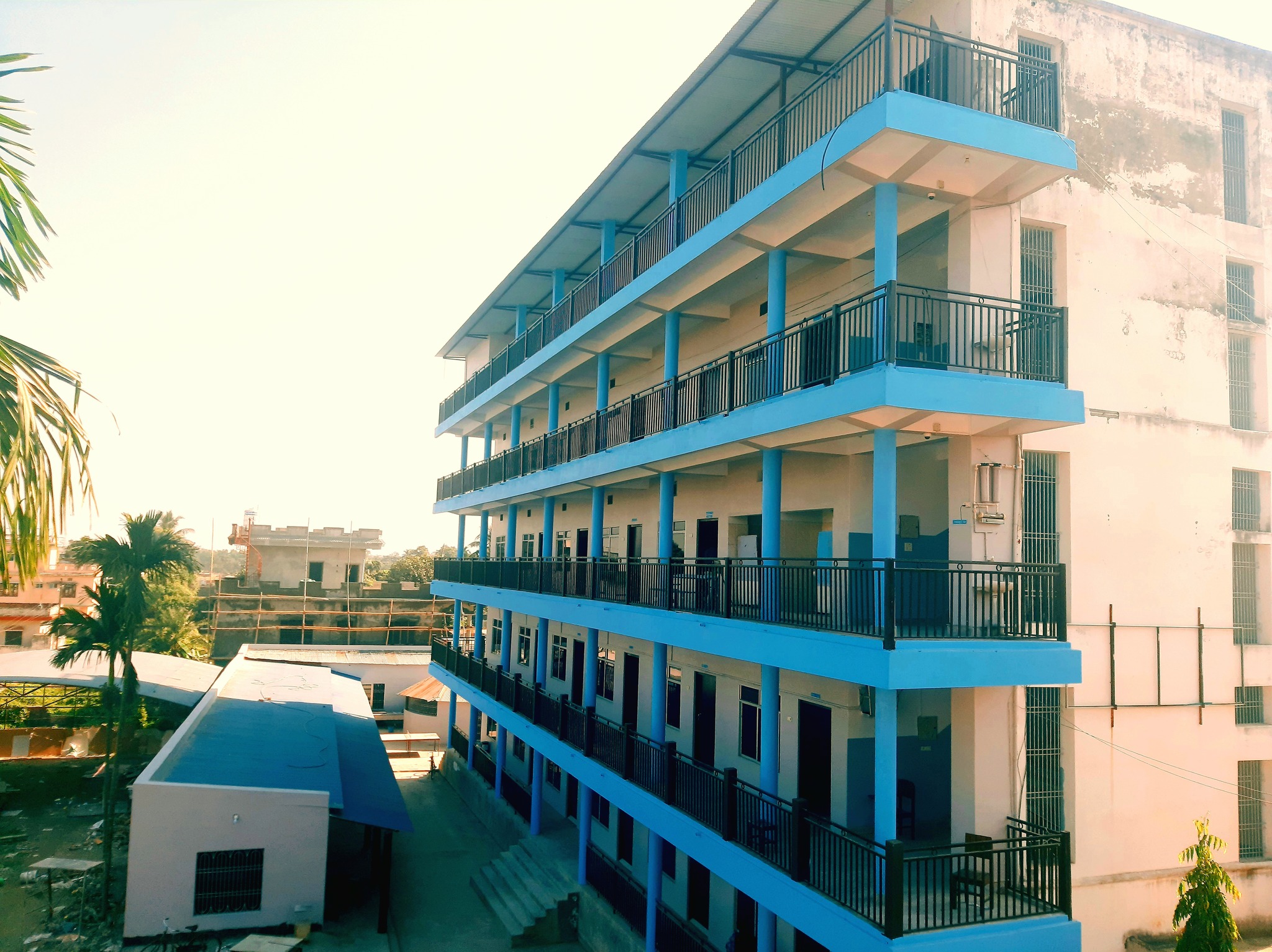
Koshi Health Institute operates within the same organizational structure as the 100-bed Morang Cooperative Hospital, which is used for clinical field practice. The institute also has classrooms, library resources, nursing-related laboratories, and other health science practical facilities relevant to its academic programs.
Assessment includes internal evaluation and final examinations in both theory and practical components. Students receive internal assessments at regular intervals, while practical performance is assessed through continuous evaluation.
Students must pass theory and practical components separately. The curriculum sets minimum pass marks of 40% in theory and 50% in practical work. Students must also complete internal assessment requirements before appearing in the final examination.
Final practicum evaluation includes attendance, logbook or practicum-book maintenance, practical performance, and viva voce conducted through internal and external evaluation.
The grading structure includes Distinction, First Division, Second Division, and Pass Division. Students who complete all required components across the three years receive the Proficiency Certificate Level in Nursing qualification.
PCL Nursing is connected with the professional regulatory framework of the Nepal Nursing Council.
After completing the course, graduates must meet the applicable professional council licensing requirements before entering regulated nursing practice. The curriculum also provides a pathway for registration or examination with the relevant council under the applicable council provisions.
The curriculum identifies Staff Nurse as the professional pathway associated with PCL Nursing and also provides for further study in Bachelor of Nursing or an equivalent course according to university rules.
Employment or further academic progression depends on professional registration, licensing requirements, academic performance, applicable institutional rules, and available opportunities. Completion of the academic program alone does not replace the professional licensing requirements for nursing practice.
This course suits students interested in direct patient care, community health, maternal and child health, medical-surgical nursing, mental health nursing, and practical clinical work.
Students should be prepared for a program that combines academic study with substantial practical responsibilities. The curriculum requires regular attendance, clinical participation, field-based learning, internal assessment, practical evaluation, and final examinations.
The program runs for three academic years under the CTEVT yearly system.
The program is affiliated with CTEVT.
Yes. Clinical practice, skill-lab work, community field experience, demonstration, guided practice, and other practical activities are integrated into the curriculum.
Students need a minimum of 90% attendance in each subject to appear in the respective final examination.
The curriculum requires at least 40% in theory and 50% in practical components.
Yes. The curriculum allows graduates to pursue Bachelor of Nursing or an equivalent course according to the rules of the concerned university.
Yes. Graduates must meet the applicable professional council licensing requirements before entering regulated nursing practice.