The Certificate in Medical Laboratory Technology (CMLT) at Koshi Health Institute, Biratnagar, is a three-year health science program affiliated with the Council for Technical Education and Vocational Training (CTEVT).
The course prepares middle-level laboratory personnel through classroom study, laboratory practice, and clinical training. Students study clinical microbiology, hematology, blood banking, biochemistry, parasitology, pathology, histopathology, laboratory automation, and laboratory management. The third year includes three eight-week clinical practicum blocks covering major laboratory disciplines.
| Field | Details |
|---|---|
| Course: | Certificate in Medical Laboratory Technology (CMLT) |
| Institution: | Koshi Health Institute |
| Location: | Biratnagar, Morang |
| Affiliation: | CTEVT |
| Duration: | 3 academic years |
| Academic System: | Yearly system |
| Medium: | English and/or Nepali |
| Attendance: | Minimum 90% in each subject |
The CTEVT curriculum currently in use is the third revision of 2024. One academic year consists of up to 35 weeks, with up to 40 hours per academic week excluding the evaluation period.
CMLT is structured around the laboratory work used to support diagnosis, treatment, prevention, and health services. Students learn to collect and process specimens, perform laboratory investigations, prepare reagents, handle laboratory instruments, interpret test findings within their technical scope, maintain quality-control procedures, and carry out laboratory management tasks.
The course moves from foundational study to laboratory-specific subjects and then to extended clinical practice. Practical learning includes demonstrations, simulation, guided practice, experiments, project work, fieldwork, report writing, and laboratory-based exercises.
The CTEVT curriculum specifies the following entry routes:
SLC, SEE, or equivalent pass with a minimum GPA of 2.0 and grades in Compulsory Mathematics, English, and Science; or
TSLC in Medical Laboratory Technology with a minimum of 68.33%.
Admission to health science education is governed by the prevailing rules of the Medical Education Commission (MEC). Where MECEE-BL applies, admission follows the prevailing MEC entrance, matching, seat allocation, scholarship, fee, code of conduct, and admission procedures.
Seats, fees, scholarships, and admission arrangements may change from one academic year to another according to MEC decisions and the official academic calendar.
The three years have different academic purposes.
The first year provides the basic science and foundational study required before students move into specialized medical laboratory subjects.
The second year concentrates on core laboratory disciplines:
Clinical Microbiology and Immunology
Hematology and Blood Banking
Clinical Biochemistry
Medical Parasitology
Clinical Pathology
Public Health and First Aid
Both theory and practical components are included in these subjects.
The third year moves into specialized laboratory subjects and sustained clinical practice. Major academic areas include:
Histopathology and Cytopathology
Automation in Clinical Laboratory
Clinical Laboratory Management
Students then complete three clinical practicum areas:
Clinical Practicum I: Microbiology and Parasitology
Clinical Practicum II: Hematology and Blood Banking
Clinical Practicum III: Biochemistry, Histopathology and Cytopathology
Each clinical practicum runs for eight weeks, giving the third year a total of 24 weeks of clinical practicum across the three areas.
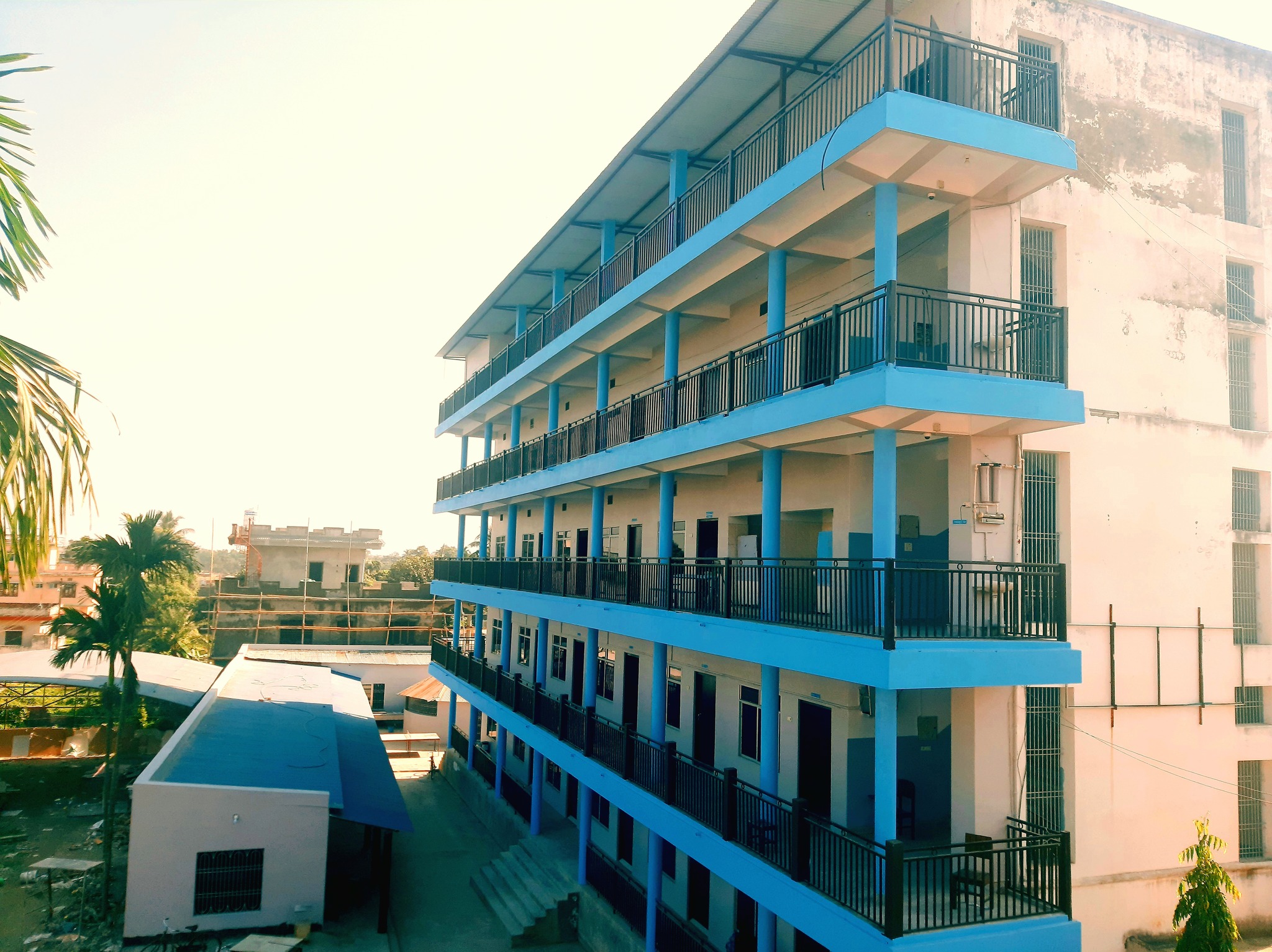
Koshi Health Institute has laboratory facilities used for health science teaching and practical classes. Relevant laboratory areas include biochemistry, microbiology, parasitology, hematology, anatomy, physics, chemistry, and biology.
The institute also operates within the same cooperative structure as Morang Cooperative Hospital, a 100-bed healthcare facility. This institutional setting aligns with the course's emphasis on practical and clinical laboratory learning.
Students need at least 90% attendance in each subject to appear in the respective final examination.
Assessment is divided between internal or continuous assessment and final examinations according to the teaching and examination scheme of each subject. Clinical practicum assessment includes internal and final evaluation components.
The CTEVT grading categories are:
Distinction: 80% and above
First Division: 65% to below 80%
Second Division: 50% to below 65%
Pass Division: pass marks to below 50%
Students must complete all components of all subjects across the three academic years to complete the program and receive the Certificate in Medical Laboratory Technology.
The curriculum connects CMLT graduates with registration provisions of the relevant health professional council. Koshi Health Institute is associated with the Nepal Health Professional Council (NHPC) for applicable health professions.
After completing the course, graduates must meet the prevailing professional council licensing or registration requirements before entering regulated professional practice.
The curriculum identifies work settings that can include hospitals, diagnostic laboratories, clinics, blood banks, research centers, industry, physicians' offices, and crime investigation laboratories. Employment depends on professional registration, competency, recruitment requirements, experience, and available positions.
CMLT may suit students interested in laboratory investigation rather than direct bedside care. The course involves regular practical work with specimens, laboratory procedures, instruments, testing methods, quality-control practices, and clinical laboratory environments.
Students should also be prepared for a demanding attendance requirement and a third year with extended clinical practicum. The program is particularly relevant for those whose academic interests include microbiology, hematology, biochemistry, pathology, and diagnostic laboratory work.
CMLT stands for Certificate in Medical Laboratory Technology.
The course runs for three academic years under the CTEVT yearly system.
Students must maintain at least 90% attendance in each subject to appear in the respective final examination.
The curriculum includes clinical microbiology and immunology, hematology and blood banking, clinical biochemistry, medical parasitology, clinical pathology, histopathology and cytopathology, laboratory automation, and clinical laboratory management.
Yes. The third year includes three separate eight-week clinical practicum blocks in microbiology and parasitology, hematology and blood banking, and biochemistry, histopathology and cytopathology.
Students who successfully complete all required components across the three years are awarded the Certificate in Medical Laboratory Technology.
Yes. Professional practice is connected with the registration and licensing requirements of the relevant health professional council.