The Diploma in Pharmacy at Koshi Health Institute, Biratnagar, is a three-year health science program affiliated with the Council for Technical Education and Vocational Training (CTEVT). The course prepares middle-level pharmacy personnel for work related to medicines, dispensing, pharmaceutical services, medicine supply, community and hospital pharmacy, and pharmaceutical production.
The curriculum moves from basic academic sciences in the first year to pharmacy disciplines in the second and third years, with practical work and an eight-week comprehensive field practice in the final year.
| Field | Details |
|---|---|
| Course: | Diploma in Pharmacy |
| Institution: | Koshi Health Institute |
| Location: | Biratnagar, Morang |
| Affiliation: | CTEVT |
| Duration: | 3 years |
| Academic System: | Yearly system |
| Curriculum Revision: | Second Revision, 2021 |
| Field Practice: | 8 weeks in the third year |
The program runs for three years. Each academic year consists of 35 academic weeks or 210 working days, with 40 hours per academic week excluding the examination period.
Diploma in Pharmacy is designed around the work expected of pharmacy assistants in public and private health institutions. Its academic scope includes safe and effective medicine use, prescription interpretation, medicine dispensing, pharmaceutical supply, community and hospital pharmacy services, medicine production, and quality-related pharmaceutical work.
Students also study professional ethics, pharmacy laws and regulations, medicine management, pharmacotherapy, and the responsibilities connected with pharmacy practice. The curriculum includes the professional code of conduct of the Nepal Pharmacy Council within Pharmaceutical Jurisprudence and Community Pharmacy Practice.
The curriculum identifies students who have completed SEE with a minimum GPA of 2.0 and C grade in Compulsory English, Mathematics, and Science as eligible for the program. It also includes SLC applicants who studied English, Science, and Mathematics or hold an equivalent qualification.
Admission to health education programs is also subject to the prevailing rules and decisions of the Medical Education Commission (MEC). Seats, fees, scholarship provisions, admission procedures, and related arrangements may change according to the applicable MEC decision and academic calendar.
The three-year curriculum is arranged in stages, beginning with academic foundations and moving into pharmacy-specific study and workplace practice.
The first year builds the basic academic foundation required for later pharmacy subjects. It includes:
English
Nepali
Social Studies
Anatomy and Physiology
Physics
Chemistry
Zoology
Botany
Mathematics and Statistics
The second year introduces the main pharmacy disciplines:
Pharmaceutics I
Pharmacology I
Pharmaceutical Chemistry I
Pharmacognosy
Biochemistry and Microbiology
Pharmacotherapeutics I
Pharmaceutical Management
Public Health Pharmacy
Several of these subjects include separate practical components, allowing students to connect scientific concepts with pharmacy procedures and laboratory work.
The third year continues with advanced pharmacy subjects and professional practice:
Pharmaceutics II
Pharmacology II
Pharmaceutical Chemistry II
Hospital and Clinical Pharmacy
Pharmaceutical Jurisprudence and Community Pharmacy Practice
Pharmacotherapeutics II
Comprehensive Field Practice
This stage brings together medicine-related knowledge, pharmacy practice, legal and ethical study, clinical application, and workplace learning.
Practical work is built into major pharmacy subjects throughout the program. Students work with pharmaceutics, pharmacology, pharmaceutical chemistry, pharmacognosy, microbiology, public health pharmacy, hospital pharmacy, and community pharmacy concepts through their respective practical components.
The third year includes eight weeks of comprehensive field practice. It is divided into:
four weeks of Hospital Pharmacy Practice; and
four weeks in a health facility, community pharmacy, pharmaceutical industry, or regulatory body.
The field-practice component carries internal supervision, internal examination, and final examination marks.
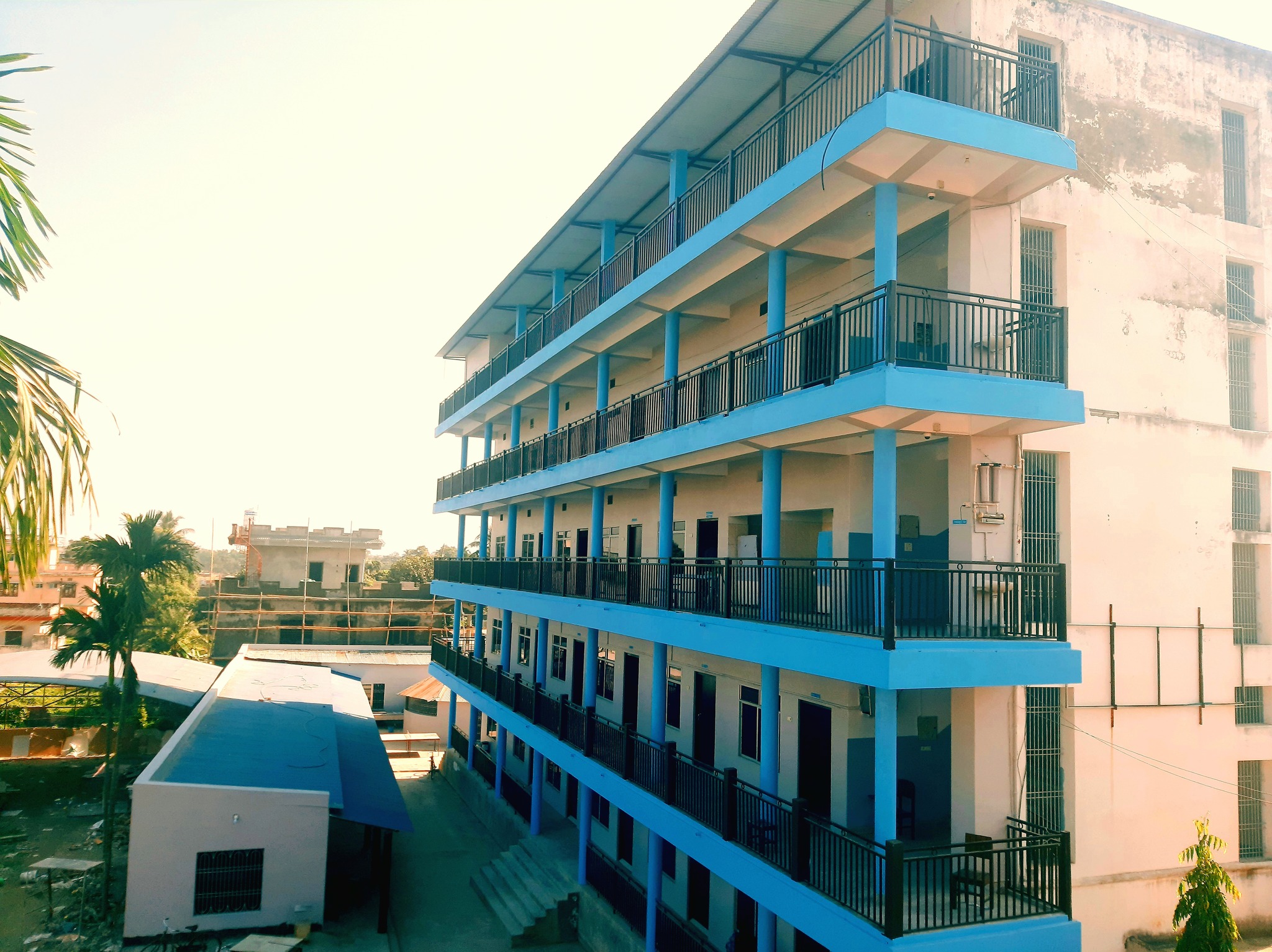
At Koshi Health Institute, students study within a health science setting that includes classrooms, laboratory facilities, and a library. The institute also operates within the same cooperative structure as Morang Cooperative Hospital, a 100-bed healthcare facility.
Koshi Health Institute is associated with the Nepal Pharmacy Council in relation to its pharmacy education.
After completing the Diploma in Pharmacy, graduates must meet the prevailing professional council licensing requirements before entering regulated pharmacy practice. Academic completion and professional licensing are separate requirements.
The curriculum prepares graduates for pharmacy-assistant-level responsibilities in settings connected with hospital pharmacy, community pharmacy, pharmaceutical production, medicine supply, and pharmaceutical services.
Actual employment depends on professional licensing, recruitment requirements, individual competence, experience, and available positions. The qualification does not guarantee employment or a particular career outcome.
The course may suit students interested in medicines, chemistry, healthcare services, pharmaceutical calculations, dispensing, medicine management, and practical laboratory work.
Students should be comfortable with both science-based study and applied pharmacy responsibilities. The program requires sustained academic work across three years and ends with workplace-based field practice in pharmacy-related settings.
The program runs for three years under the CTEVT yearly system. Each academic year consists of 35 academic weeks or 210 working days, excluding the examination period.
The program at Koshi Health Institute is affiliated with CTEVT.
First-year subjects include English, Nepali, Social Studies, Anatomy and Physiology, Physics, Chemistry, Zoology, Botany, and Mathematics and Statistics.
Second-year study includes Pharmaceutics I, Pharmacology I, Pharmaceutical Chemistry I, Pharmacognosy, Biochemistry and Microbiology, Pharmacotherapeutics I, Pharmaceutical Management, and Public Health Pharmacy.
Yes. The third year includes eight weeks of comprehensive field practice: four weeks in Hospital Pharmacy Practice and four weeks in a health facility, community pharmacy, pharmaceutical industry, or regulatory body.
Yes. Hospital and Clinical Pharmacy and Pharmaceutical Jurisprudence and Community Pharmacy Practice are included in the third-year curriculum.
Yes. Graduates must meet the applicable licensing requirements of the Nepal Pharmacy Council before entering regulated professional practice.