Diploma in Civil Engineering at Mansarovar Institute of Science and Technology (MIST) is a three-year technical program affiliated with the Council for Technical Education and Vocational Training (CTEVT). MIST offers 48 seats for the program in Damak, Jhapa, Koshi Province, Nepal.
The CTEVT curriculum follows a six-semester system and was first revised in 2021. Its purpose is to prepare middle-level civil engineering personnel with academic knowledge and technical skills for work related to roads, irrigation, water supply, buildings, urban development, and other civil infrastructure.
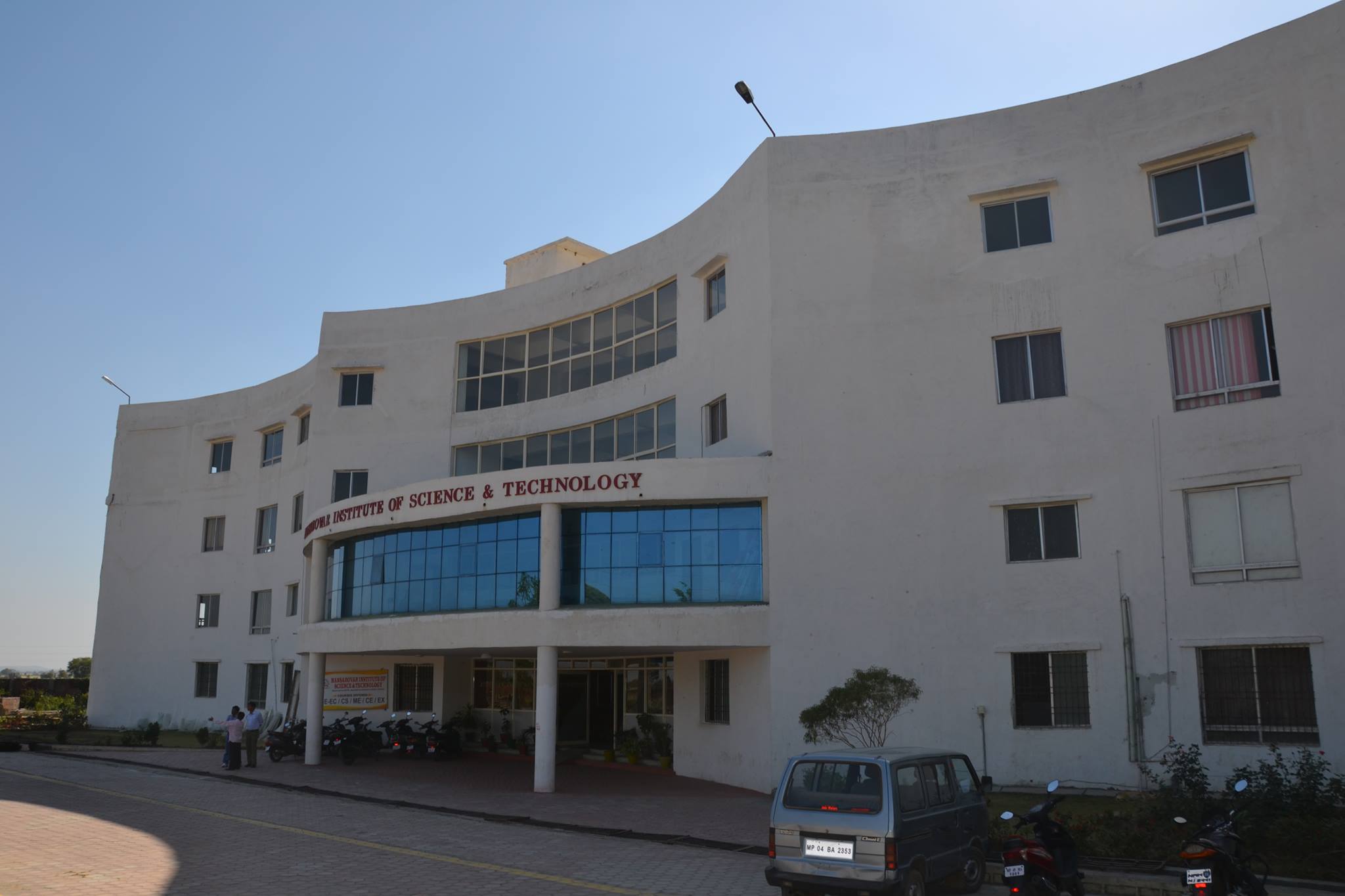
Three-year diploma divided into six semesters
CTEVT-affiliated program
48 seats at MIST
Curriculum first revision: 2021
CTEVT entrance examination required
Minimum 90% attendance in each subject
Surveying, construction, estimating, structures, transportation, water supply, and irrigation
Eight-day Field Survey Camp in the sixth semester
Final-semester Project Work
One elective from five civil engineering areas
Eligibility: The 2021 curriculum specifies SLC pass or SEE with a minimum C grade in Compulsory Mathematics and Science and D+ in English. Applicants with Pre-Diploma in Civil Engineering require a minimum of 67.00%.
Applicants must also pass the entrance examination administered by CTEVT.
Seats: 48
Duration: Three academic years
Academic System: Six semesters
Each semester consists of 19.5 academic weeks including the evaluation period, with at least 15 weeks of teaching and learning. The medium of instruction is English and/or Nepali. Students need at least 90% attendance in each subject to appear in its final examination.
The first year establishes foundations in Applied Nepali, Applied English, Engineering Mathematics, Engineering Physics, Engineering Chemistry, Engineering Drawing, Computer Application, Workshop Practice, and Applied Mechanics.
From the third semester onward, the curriculum concentrates more directly on civil engineering.
| Semester | Main academic areas |
|---|---|
| Third | Engineering Mathematics III, Surveying I, Workshop Practice II, Fluid Mechanics and Hydraulics, Building Construction, Engineering Materials |
| Fourth | Social Engineering, Construction Drawing and CAD, Surveying II, Estimating and Costing I, Mechanics of Structure, Soil Mechanics and Foundation Engineering, Water Supply Engineering |
| Fifth | Surveying III, Estimating and Costing II, RC Structures, Transportation Engineering I, Sanitary Engineering, Construction Management, Steel and Timber Structures |
| Sixth | Field Survey Camp, Transportation Engineering II, Estimating and Costing III, Water Resources and Irrigation Engineering, Entrepreneurship Development, Project Work, Elective |
The sixth-semester elective is selected from Trail Bridge, Hill Road, Hill Irrigation Engineering, Gravity Flow Water Supply System, and Micro Hydro Power Engineering.
Practical work is integrated into subjects such as engineering drawing, computer application, workshop practice, surveying, construction drawing and CAD, structural subjects, and water-related engineering.
The sixth semester includes a Field Survey Camp conducted for eight days at 10 hours per day, giving a total of 80 hours. Project Work is also included as a separate final-semester component.
These activities give students structured opportunities to apply surveying, measurement, drawing, estimation, construction, and project-related concepts alongside classroom study.
The evaluation system includes internal assessment and final examinations. Students must complete the required internal assessment before appearing in the final examination.
The minimum pass mark is 40% in theory and 50% in practical. Students must pass the internal and semester-final components of each subject. All subjects across the six semesters must be completed successfully to receive the Diploma in Civil Engineering.
Graduates are eligible for positions equivalent to Non-gazette 1st class/Level 5 (technical), as prescribed by the Public Service Commission of Nepal and other related agencies.
The curriculum prepares civil engineering technicians for technical and supervisory activities connected with roads, irrigation, water supply, buildings, urban development, surveying, estimating, construction, and related infrastructure work. Career outcomes depend on individual skills, experience, recruitment requirements, and available positions.
Institution: Mansarovar Institute of Science and Technology (MIST)
Location: Damak-15, Jhapa, Koshi Province, Nepal
Affiliation: CTEVT
Seats: 48
Telephone: 023-400160
Mobile: +977-9851128404, 9841416427, 9852626020, 9810540005
Email: mist.damak@gmail.com
The administrative office handles enquiries on admission, fees, scholarships, counselling, and course arrangements.