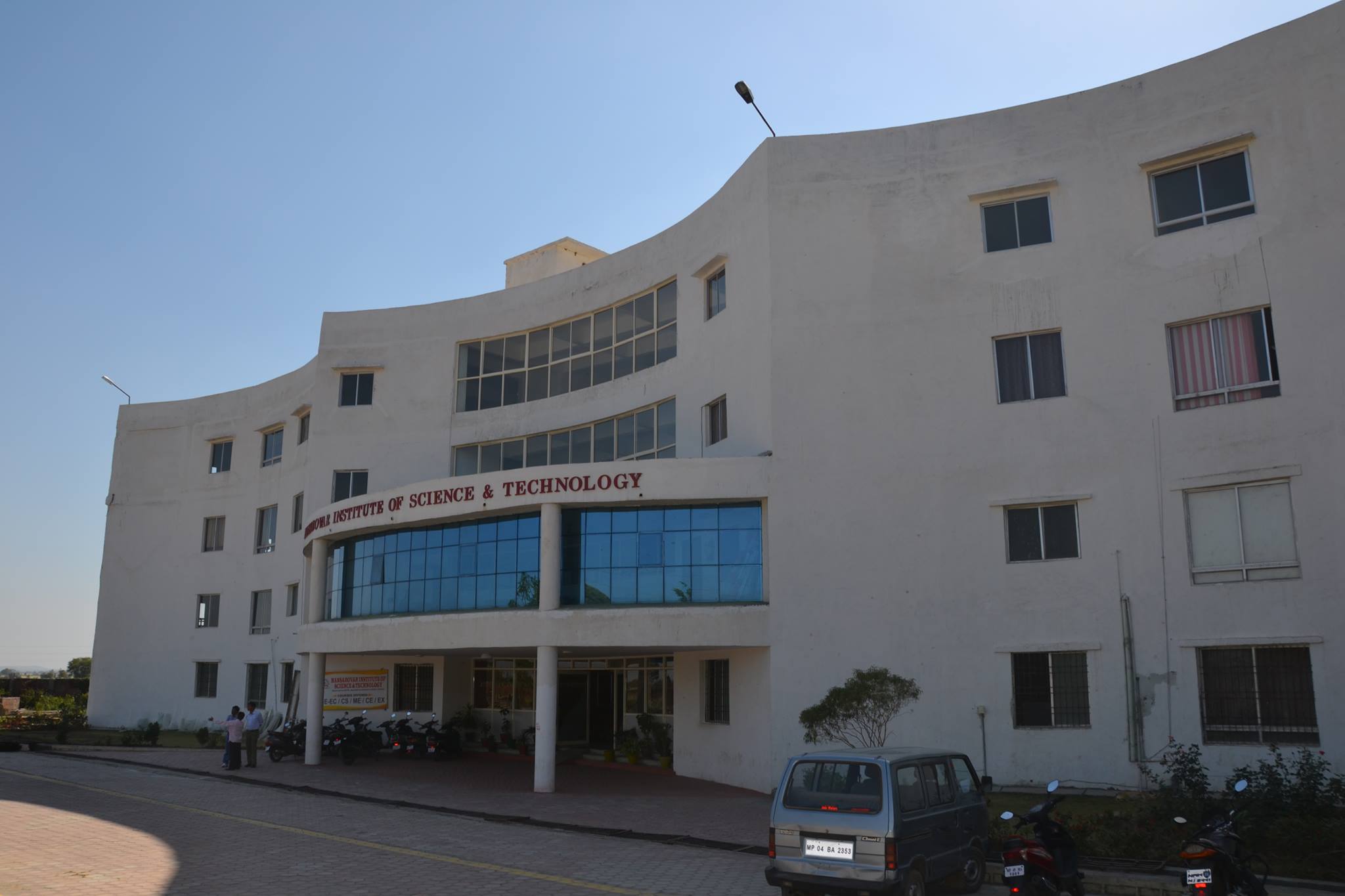
Diploma in Pharmacy at Mansarovar Institute of Science and Technology (MIST) is a three-year health science program offered in Damak, Jhapa, Koshi Province, Nepal. The program is affiliated with the Council for Technical Education and Vocational Training (CTEVT), and MIST has 40 seats for Diploma in Pharmacy.
The curriculum follows a yearly system and is designed to prepare middle-level pharmacy professionals for medicine-related services in hospital and community settings, as well as pharmaceutical production, preparation, and quality-related work. The current curriculum is the second revision from 2021.
Three-year Diploma in Pharmacy program under the yearly system
Affiliated with CTEVT
40 seats at MIST
Curriculum second revision: 2021
SEE/SLC entry route with specified academic requirements
CTEVT entrance examination required
Admission selection based on merit
Minimum 90% attendance in each subject
First-year foundation in science, mathematics, anatomy, and general subjects
Second- and third-year pharmacy disciplinary subjects
Pharmaceutics, Pharmacology, Pharmaceutical Chemistry, Pharmacognosy, Pharmacotherapeutics, and pharmacy practice
Hospital and Clinical Pharmacy in the third year
Eight-week Comprehensive Professional Field Practice
Theory, practical, internal, and final assessment components
The Diploma in Pharmacy curriculum prepares students for work performed by pharmacy assistants at different levels of public and private health institutions. Its academic objectives include prescription interpretation, medicine dispensing, patient counselling, safe and effective medication use, pharmaceutical supply management, medicine preparation, production-related activities, and assessment of medicine quality.
The program develops in stages. The first year provides general academic and health science foundations. Pharmacy-specific disciplinary study becomes central in the second year, while the third year combines advanced pharmacy subjects with professional field practice.
Eligibility: Applicants must have passed SEE or SLC. The entry qualification specifies a minimum GPA of 2.0 with C grade in Compulsory English, Mathematics, and Science, or eligibility under the applicable admission provisions of the Office of the Controller of Examinations, CTEVT.
Applicants are required to submit SEE/SLC pass certificates and a citizenship or birth registration certificate. They must pass the entrance examination administered by CTEVT. Candidates who meet the entry requirements are selected for admission on the basis of a merit list.
Seats: 40
Duration: Three years
Academic System: Yearly system
Each academic year consists of 35 academic weeks or 210 working days, with 40 hours in an academic week excluding the examination period. The medium of instruction is English or Nepali.
Students must maintain at least 90% attendance in each subject to appear in the respective final examination.
The curriculum moves from general science and health foundations into pharmacy-specific study and professional practice.
| Year | Main subjects and academic focus |
|---|---|
| First Year | English, Nepali, Social Studies, Anatomy & Physiology, Physics, Chemistry, Zoology, Botany, Mathematics & Statistics |
| Second Year | Pharmaceutics-I, Pharmacology I, Pharmaceutical Chemistry I, Pharmacognosy, Biochemistry & Microbiology, Pharmacotherapeutics I, Pharmaceutical Management, Public Health Pharmacy |
| Third Year | Pharmaceutics II, Pharmacology II, Pharmaceutical Chemistry II, Hospital & Clinical Pharmacy, Pharmaceutical Jurisprudence and Community Pharmacy Practice, Pharmacotherapeutics II, Comprehensive Professional Field Practice |
The first year carries 36 credit hours and provides the science and academic base for later pharmacy study.
The second year carries 34 credit hours. Practical components are included with Pharmaceutics-I, Pharmacology I, Pharmaceutical Chemistry I, Pharmacognosy, Biochemistry & Microbiology, and Public Health Pharmacy.
The third year carries 36 credit hours and combines advanced disciplinary study with practical work and field-based professional learning.
Pharmaceutics introduces the preparation and properties of pharmaceutical dosage forms and related physical and biopharmaceutical principles. Practical exercises include preparation activities, filtration, powder-related work, viscosity measurement, and calculations associated with drug concentration and dosage.
Pharmacology and Pharmacotherapeutics address medicines and their application in treatment. Pharmaceutical Chemistry develops the chemistry-related component of pharmacy study, while Pharmacognosy covers pharmacy-related study of natural drug materials.
Hospital and Clinical Pharmacy brings medicine use into a health-service setting. Pharmaceutical Jurisprudence and Community Pharmacy Practice covers legal, ethical, regulatory, and community pharmacy areas, including pharmacy-related acts, regulations, codes, professional conduct, and practical procedures.
The third year includes Comprehensive Professional Field Practice designed to apply classroom and practical learning in professional settings.
The field practice runs for eight weeks at 40 hours per week. Four weeks are allocated to Hospital Pharmacy Practice. Another four weeks cover health facility or community pharmacy practice, pharmaceutical industry, and regulatory-body exposure.
During field practice, students work with activities related to prescription reading and dispensing, patient communication, medicine distribution, pharmaceutical manufacturing processes, quality assurance, and regulatory functions within supervised settings.
Through laboratory work, practical classes, disciplinary subjects, and workplace learning, students may develop abilities related to prescription interpretation, medicine dispensing, patient counselling, pharmaceutical preparation, medicine-supply management, basic quality-assurance activities, hospital and community pharmacy practice, and professional documentation.
The curriculum also introduces legal and ethical aspects of pharmacy practice and the regulatory framework connected with pharmaceutical products and services.
The evaluation system includes internal assessment and yearly final examinations. Practical subjects are assessed through practical examinations, and field-practice evaluation includes attendance, practicum or logbook work, performance, and viva voce.
Students must secure at least 40% in theory and 50% in practical. The required pass marks must be obtained separately in internal assessment and the yearly final examination of each subject.
The grading system classifies 80% and above as Distinction, 65% to below 80% as First Division, 50% to below 65% as Second Division, and marks from the applicable pass level to below 50% as Pass Division.
Students who pass all components of all subjects across the three years are awarded the Diploma in Pharmacy.
The curriculum states that graduates are eligible for positions equivalent to Non-gazette 1st class/Level 5 (technical), as prescribed by the Public Service Commission of Nepal and other related agencies. It also provides for registration with the related council in the grade specified under the applicable council act, where applicable.
The course prepares students for pharmacy-related activities in hospital and community settings and introduces pharmaceutical manufacturing, medicine preparation, quality-related work, and regulatory practice. Career outcomes depend on professional eligibility, individual competence, recruitment requirements, experience, and available positions.
MIST offers 40 seats in Diploma in Pharmacy at its Damak campus. The institute's health science profile includes approval from the Nepal Pharmacy Council.
Students at MIST also have access to academic support such as practical exercises, smart-board teaching, weekly sample examinations, digital notes, scholarship counselling, and e-library facilities.
Institution: Mansarovar Institute of Science and Technology (MIST)
Location: Damak-15, Jhapa, Koshi Province, Nepal
Affiliation: CTEVT
Seats: 40
Telephone: 023-400160
Mobile: +977-9851128404, 9841416427, 9852626020, 9810540005
Email: mist.damak@gmail.com
The administrative office handles enquiries related to admission, fees, scholarships, counselling, eligibility, and course arrangements.