



PCL Ophthalmic Science at Mansarovar Institute of Science and Technology (MIST) is a three-year health science program affiliated with the Council for Technical Education and Vocational Training (CTEVT). MIST offers 30 seats for the program in Damak, Jhapa, Koshi Province, Nepal.
The official curriculum title is Proficiency Certificate Level in Ophthalmic Science. The program follows a yearly system and prepares middle-level ophthalmic health personnel through ophthalmology, general medicine, eye examination, refraction, ophthalmic investigations, community ophthalmology, low-vision care, optical dispensing, surgical support, and structured clinical practice. The curriculum currently used for the second and third years is the third revision from 2024.
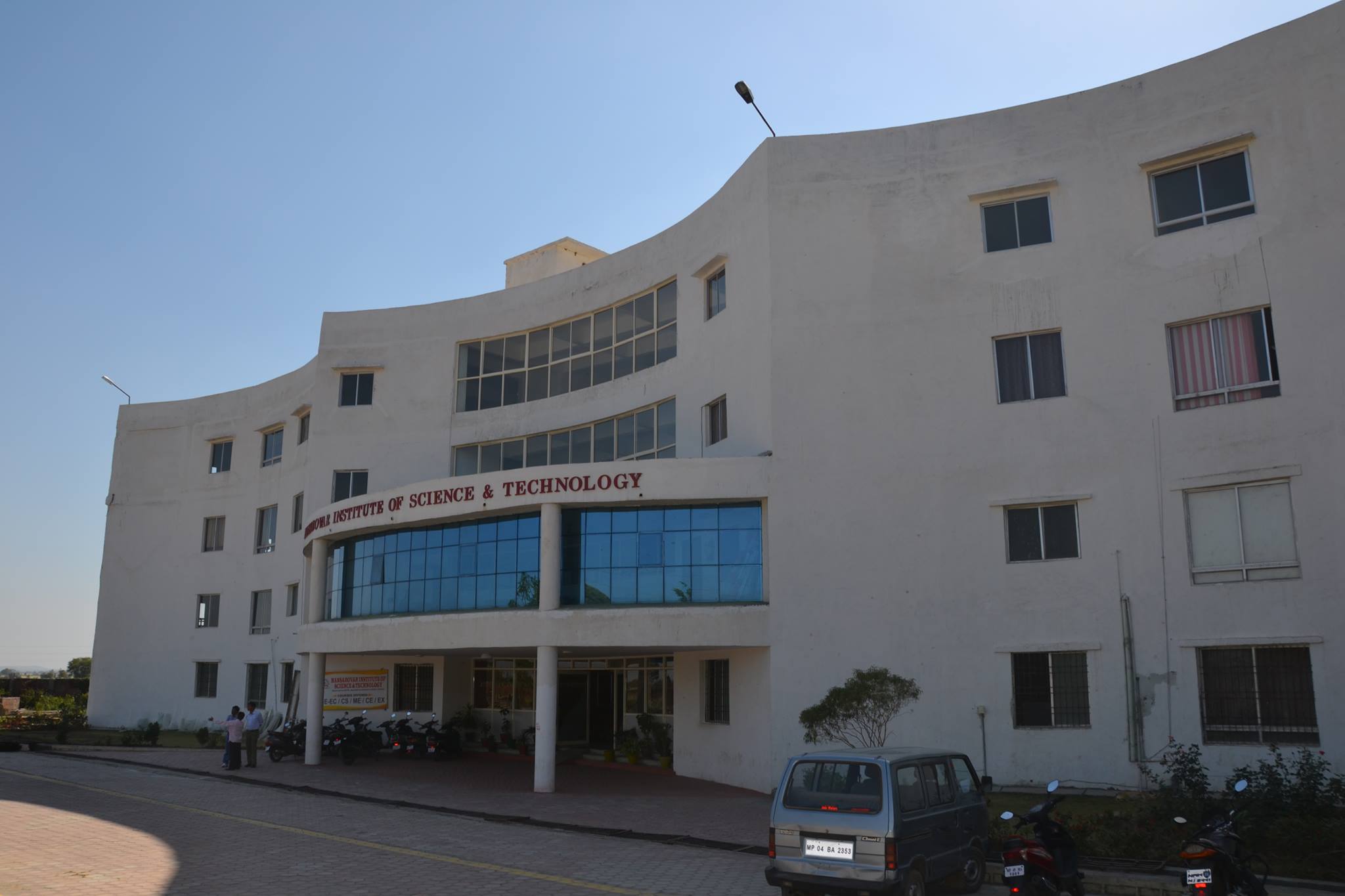
Three-year PCL program under the yearly system
Affiliated with CTEVT
30 seats at MIST
Third curriculum revision completed in 2024
SLC/SEE and TSLC in Ophthalmology entry routes
CTEVT entrance examination required
Minimum 90% attendance in each subject for the respective final examination
Second-year study in ocular sciences, refraction, investigations, surgery, and community ophthalmology
Third-year study in advanced ocular disorders, community ophthalmology, low vision, optical dispensing, and clinical practice
Clinical Practice-I based in OPD, Clinical Practice-II based in OT, and Clinical Practice-III based in the community
Eligibility for Nepal Health Professional Council registration after successful completion under the applicable category in the Council's Act
The program is designed to develop middle-level ophthalmic health personnel with knowledge and practical skills in ophthalmology and related general medicine. Its academic scope includes examination of common eye conditions, basic clinical management, ophthalmic investigations, refraction, community eye care, low-vision services, optical dispensing, and clinical support in hospital and community settings.
Students progress from general health science study in the first year to specialized ophthalmic subjects in the second year and extended clinical practice in the third year.
Eligibility: Applicants may enter through either of these academic routes:
SLC pass or SLC/SEE with a minimum GPA of 2.0 and C grade in Compulsory Mathematics, English, and Science.
Applicants with TSLC in Ophthalmology require a minimum of 68.33%.
Applicants must pass the entrance examination administered by CTEVT.
Seats: MIST offers 30 seats in PCL Ophthalmic Science.
Duration: Three years
Academic System: Yearly system
One academic year consists of a maximum of 35 academic weeks, while one academic week consists of a maximum of 40 hours excluding the evaluation period. The medium of instruction is English and/or Nepali.
Students require at least 90% attendance in each subject to appear in the respective final examination.
| Year | Academic focus |
|---|---|
| First Year | General Health Science First Year curriculum |
| Second Year | Eight ophthalmic theory and practical subjects |
| Third Year | Three advanced subjects and three clinical practice components |
The first year is referenced separately as the General Health Science First Year curriculum. The specialized Ophthalmic Science curriculum begins from the second year.
The second year consists of eight subjects covering the anatomical, clinical, optical, investigative, surgical, and community aspects of ophthalmic care.
| Subject | Main study area |
|---|---|
| Ocular Anatomy and Physiology | Structure and function of the eye |
| Ocular Pharmacology and Pathology | Ophthalmic drugs and pathological processes |
| Ocular Disorder-I | Common ocular conditions |
| Systemic Disease and Eye | Relationship between systemic conditions and the eye |
| Optics, Refraction and Binocular Vision | Optics, refractive assessment, and binocular vision |
| Investigative Ophthalmology | Ophthalmic examination and investigation techniques |
| Ocular Surgery | Surgical support and ophthalmic nursing procedures |
| Community Ophthalmology-I | Community-oriented eye care |
The second year combines lectures and practical work. Its teaching schedule totals 24 lecture hours and 16 practical hours per week across the eight subjects.
Optics, Refraction and Binocular Vision develops knowledge of light, ophthalmic optics, refractive conditions, visual acuity, and binocular vision. Practical work includes visual-acuity assessment, retinoscopy, objective and subjective refraction, keratometry, autorefractometry, contact-lens-related work, and assessment activities related to ocular movement and binocular vision.
Investigative Ophthalmology covers clinical examination methods used in ophthalmic practice. Study areas include visual acuity, colour vision testing, tear-related tests, intraocular pressure measurement, visual-field assessment, ultrasonography, keratometry, pachymetry, fundus examination, photography, and slit-lamp biomicroscopy.
Ocular Surgery combines theory and practical study related to ophthalmic surgical care. It covers operation theatre procedures, preparation and handling of instruments, aseptic practices, infection control, patient care around ophthalmic surgery, and assistance during surgical procedures.
This part of the program places clinical responsibility within structured training and supervised ophthalmic practice.
The third year has six components:
| Component | Focus |
|---|---|
| Ocular Disorder-II | Ocular injuries, sudden vision loss, assessment, initial management, and referral |
| Community Ophthalmology-II | Community eye-health study |
| Low Vision and Optical Dispensing | Low-vision assessment, rehabilitation, lenses, frames, and dispensing |
| Clinical Practice-I | OPD Based |
| Clinical Practice-II | OT Based |
| Clinical Practice-III | Community Based |
The academic subjects are followed by an extensive clinical block. Clinical Practice-I runs for 11 weeks, Clinical Practice-II for 8 weeks, and Clinical Practice-III for 9 weeks, giving the third year 28 weeks of structured clinical practice.
Low Vision and Optical Dispensing combines theory with practical work. Students study visual impairment, causes of low vision, functional assessment, low-vision devices, rehabilitation approaches, lens measurement, frame and lens selection, ophthalmic lens design, and dispensing of bifocal and progressive lenses.
The subject links clinical assessment with practical optical work, adding a different technical component to the third-year curriculum.
Clinical training is divided across three settings rather than being concentrated in a single placement.
Clinical Practice-I is OPD based, providing experience in outpatient ophthalmic work. Clinical Practice-II is OT based and focuses on the operation theatre environment. Clinical Practice-III is community based, extending learning into community eye-health activities.
The third-year schedule allocates 11 weeks to OPD-based practice, 8 weeks to OT-based practice, and 9 weeks to community-based practice.
The curriculum supports the development of skills related to eye examination, visual-acuity assessment, refraction, ophthalmic investigations, recognition of ocular conditions, low-vision assessment, optical dispensing, community eye-health activities, patient care, clinical documentation, and supervised ophthalmic clinical practice.
Students also encounter practical procedures connected with instruments, operation theatre preparation, infection-control practices, ophthalmic investigations, and referral decisions within the scope of the curriculum.
After successful completion of the program requirements, graduates are eligible for registration with the Nepal Health Professional Council in the category specified under the Act of the Council.
Registered graduates are eligible for positions at different levels of health institutions as prescribed by the Public Service Commission or the concerned authority.
Career outcomes still depend on registration status, recruitment requirements, individual competence, experience, and available positions.
MIST runs PCL Ophthalmic Science with an intake of 30 students. The institute's broader academic support includes practical exercises, smart-board teaching, weekly sample examinations, digital notes, scholarship counselling, and e-library access.
The course has a clear clinical progression: general health science study in the first year, specialized ophthalmic theory and practical work in the second year, and advanced ophthalmic study with OPD-, OT-, and community-based clinical practice in the third year.
Institution: Mansarovar Institute of Science and Technology (MIST)
Location: Damak-15, Jhapa, Koshi Province, Nepal
Affiliation: CTEVT
Seats: 30
Telephone: 023-400160
Mobile: +977-9851128404, 9841416427, 9852626020, 9810540005
Email: mist.damak@gmail.com
The administrative office handles enquiries related to admission, course eligibility, fees, scholarships, counselling, and other academic arrangements.
The program runs for three years under the yearly system. Each academic year has a maximum of 35 academic weeks.
MIST offers 30 seats for PCL Ophthalmic Science.
Applicants may qualify through SLC or SLC/SEE with a minimum GPA of 2.0 and C grade in Compulsory Mathematics, English, and Science, or through TSLC in Ophthalmology with at least 68.33%.
Yes. Applicants must pass the entrance examination administered by CTEVT.
The second year covers Ocular Anatomy and Physiology, Ocular Pharmacology and Pathology, Ocular Disorder-I, Systemic Disease and Eye, Optics, Refraction and Binocular Vision, Investigative Ophthalmology, Ocular Surgery, and Community Ophthalmology-I.
The third year includes OPD-based Clinical Practice-I, OT-based Clinical Practice-II, and community-based Clinical Practice-III.
Yes. Graduates who successfully complete the program requirements are eligible for registration with the Nepal Health Professional Council in the category specified under the Council's Act.






