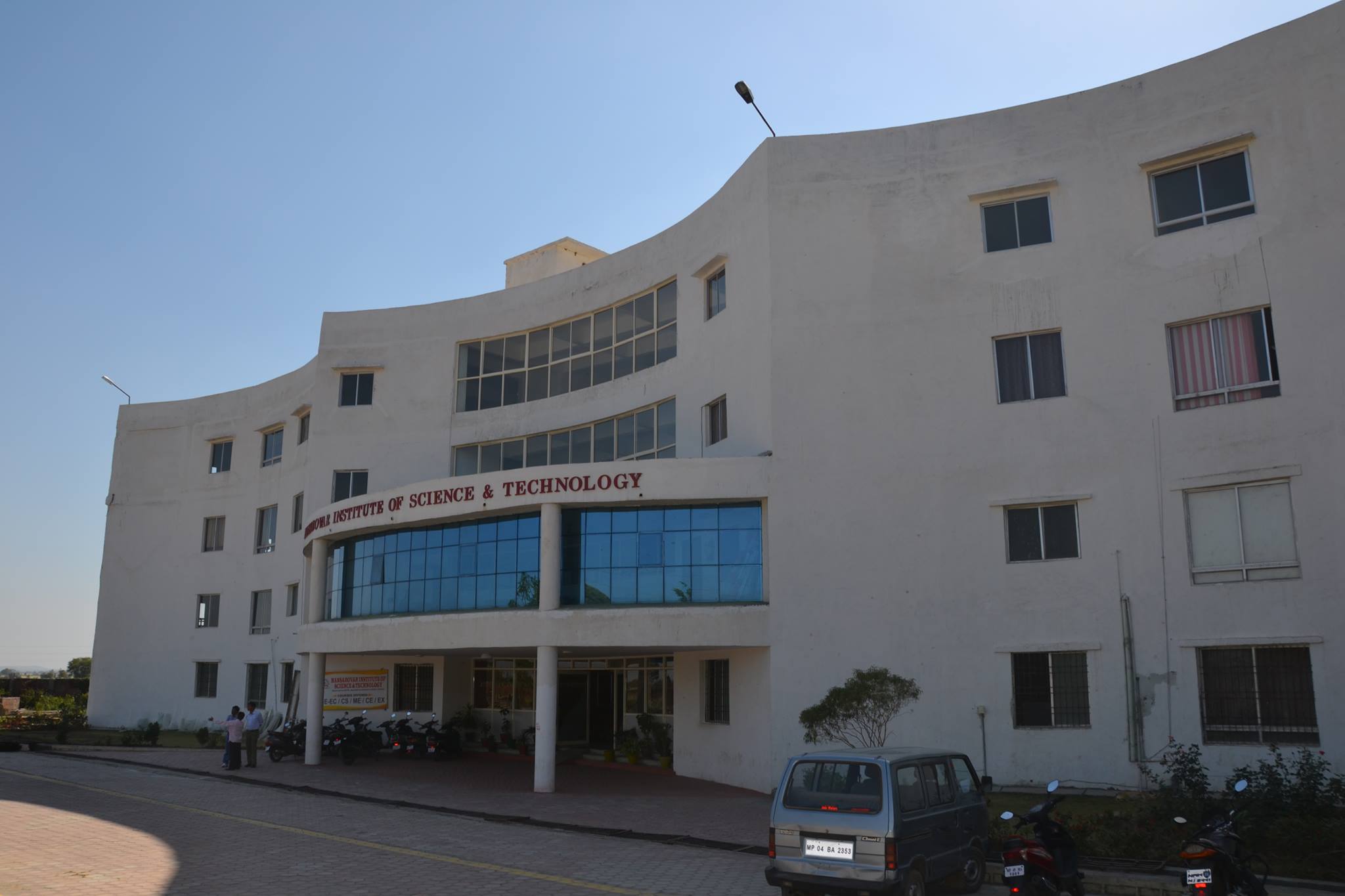
Diploma in Electrical Engineering at Mansarovar Institute of Science and Technology (MIST) is a three-year technical program affiliated with the Council for Technical Education and Vocational Training (CTEVT). MIST offers 48 seats for the program in Damak, Jhapa, Koshi Province, Nepal.
The curriculum follows a six-semester system and was revised for the second time in 2022. It prepares mid-level technical human resources in electrical engineering through science and engineering foundations, electrical installation, machines, power systems, electronics, control systems, repair and maintenance, project work, and industrial attachment.
Three academic years divided into six semesters
CTEVT-affiliated diploma program
48 seats at MIST
Curriculum second revision: 2022
CTEVT entrance examination required
Minimum 90% attendance in each subject for the respective final examination
Electrical installation, machines, power systems, electronics, measurements, and control systems
Project I and Project II in the third year
90-hour Industrial Attachment in the final semester
Final-semester elective in Micro Hydro Power, Instrumentation System, or Renewable Energy Technology
Eligibility: Applicants can enter through SLC, SEE, or an equivalent qualification with a minimum C Grade (2.0 Grade Point) in Mathematics and Science and 1.6 Grade Point or equivalent in English, subject to the admission provisions of the Office of the Controller of Examinations, CTEVT.
A pre-diploma in a related subject or equivalent with a minimum of 68.33% is also an entry route.
Applicants must pass the entrance examination administered by CTEVT.
Seats: 48
Duration: Three academic years
Academic System: Six semesters
Each semester consists of 19.5 academic weeks including the evaluation period, with at least 15 weeks allocated to teaching and learning. The medium of instruction is English and/or Nepali. A minimum of 90% attendance in each subject is required to appear in its final examination.
| Semester | Main subjects |
|---|---|
| First | Applied Nepali, Applied English, Engineering Mathematics I, Engineering Physics I, Engineering Chemistry I, Engineering Drawing I, Computer Application |
| Second | Engineering Mathematics II, Engineering Physics II, Engineering Chemistry II, Workshop Practice I, Engineering Drawing II, Applied Mechanics |
| Third | Fundamental of Electrical Engineering, Computer Programming, Basic Electronics and Logic circuits, Civil Construction and Survey, Electrical Engineering Material, Principles of Management and Costing, Electrical Installation I, Electrical Engineering Drawing I |
| Fourth | Microprocessor, Computer Aided Design, Electric Circuit Analysis, Electrical Installation II, Electrical Engineering Drawing II, Electrical Machines I, Electrical Instruments and Measurement, Power Stations |
| Fifth | Switchgear and Protection, Power Electronics, Electrical Machines II, Electrical Design and Estimation, Utilization of Electrical Energy, Fundamentals of Control System, Electrical Repair and Maintenance I, Project I |
| Sixth | Electrical Energy Audit, Project II, Power System Operation and Maintenance, Electrical Repair and Maintenance II, Industrial Attachment, Entrepreneurship Development, Transmission and Distribution of Electrical Power, Elective |
The first year establishes mathematics, science, drawing, computing, mechanics, and workshop foundations. Electrical engineering subjects become central from the third semester, beginning with fundamental electrical engineering, electronics, materials, installation, and drawing.
The fourth semester adds circuit analysis, microprocessors, electrical machines, instruments and measurements, power stations, installation work, and computer-aided design.
The fifth and sixth semesters move into power electronics, switchgear and protection, control systems, electrical design and estimation, energy use, power-system operation, transmission and distribution, energy auditing, repair and maintenance, projects, and industrial work.
Practical work is built into subjects across the program. Electrical Installation II, for example, includes practical work with motor control circuits, electrical installations, overhead lines, generators, and related electrical systems.
Project I is included in the fifth semester and Project II in the sixth semester. The final semester also includes Industrial Attachment, giving students direct exposure to electrical engineering activities in an industry or plant setting.
The Industrial Attachment is conducted on a full-time basis for 90 hours. Possible settings include electric substations, motor design and maintenance workshops, transformer manufacturing and maintenance facilities, circuit-breaker facilities, and electric power stations. Students complete supervised activities and prepare a report and presentation at the end of the attachment.
Students take one elective in the final semester. The curriculum includes the following options:
Micro Hydro Power
Instrumentation System
Renewable Energy Technology
This elective component allows part of the final semester to concentrate on a specific electrical engineering area.
The combination of theory, practical work, projects, and industrial attachment supports learning in electrical installation, electrical drawing, circuit analysis, electronics, electrical machines, instruments and measurements, power generation, protection systems, control systems, electrical design and estimation, repair and maintenance, energy auditing, and power transmission and distribution.
Students also work with computer programming and computer-aided design as part of the curriculum. The project and attachment components add experience in technical reporting, supervised practical work, and presentation.
The evaluation system includes internal assessment and final summative assessment. Students must complete internal assessment requirements before appearing in the final examination.
For core subjects, the minimum pass marks are 40% in theory and 50% in practical. Students must also secure the required pass marks separately in internal assessment and the final examination for each subject.
The overall grading categories are Distinction at 80% and above, First Division from 65% to below 80%, Second Division from 50% to below 65%, and Pass Division from the applicable pass mark to below 50%. Successful completion requires passing all components of all subjects across all six semesters.
The curriculum states that graduates are eligible for positions equivalent to Non-gazetted 1st class/Level 5 (technical), as prescribed by the Public Service Commission of Nepal and other related agencies.
The subjects covered can also support technical work associated with electrical installation, machines, maintenance, power systems, electrical design, energy systems, and related industrial activities. Employment outcomes depend on technical competence, experience, recruitment requirements, and available positions.
MIST offers the program in Damak, Jhapa, with an intake of 48 students. Its broader academic support includes practical exercises, smart-board teaching, weekly sample examinations, digital notes, scholarship counselling, and e-library access.
Students considering the program can assess whether its mix of mathematics, science, electrical systems, workshop and practical work, projects, and industrial attachment matches their academic interests and preferred type of technical study.
Institution: Mansarovar Institute of Science and Technology (MIST)
Location: Damak-15, Jhapa, Koshi Province, Nepal
Affiliation: CTEVT
Seats: 48
Telephone: 023-400160
Mobile: +977-9851128404, 9841416427, 9852626020, 9810540005
Email: mist.damak@gmail.com
The administrative office handles enquiries related to admission, eligibility, fees, scholarships, counselling, and course arrangements.