PCL in General Medicine-Health Assistant (HA) at Mansarovar Institute of Science and Technology (MIST) is a three-year health science program offered in Damak, Jhapa, Koshi Province, Nepal. It is affiliated with the Council for Technical Education and Vocational Training (CTEVT), and MIST has 40 seats for General Medicine.
The formal curriculum title is Proficiency Certificate Level in General Medicine. The program follows a yearly system and combines medicine, surgery, basic medical procedures, clinical pathology, pharmacology, primary health care, family health, epidemiology, health management, clinical practice, and community fieldwork. Its third curriculum revision is dated 2024.
Three-year Proficiency Certificate Level program
Yearly academic system
CTEVT affiliation
40 seats at MIST
Third curriculum revision: 2024
SLC/SEE or CMA entry routes
CTEVT entrance examination required
Minimum 90% attendance in each subject
Medicine, surgery, clinical pathology, pharmacology, first aid, and primary health care
Maternal and child health, family planning, nutrition, environmental health, and health education
Epidemiology, community diagnosis, and health management
16-week comprehensive clinical practicum
8-week comprehensive community field practicum
Theory and practical assessment throughout the program
Proficiency Certificate Level in General Medicine awarded after successful completion
PCL in General Medicine is designed to prepare middle-level technical personnel in General Medicine. The training covers patient assessment, provisional diagnosis within the scope of training, treatment and medication, referral decisions, medical investigations, basic procedures, emergency care, maternal and child health, family planning, nutrition, community health, record keeping, and health-service administration.
The course has a strong clinical and community orientation. Alongside classroom study, students undertake practical activities, hospital-based clinical exposure, primary health care work, and community diagnosis. Teaching methods include lectures, group discussions, demonstrations, simulation, guided practice, fieldwork, case analysis, project work, and hospital or community practice.
The program may suit students who meet the CTEVT entry requirements and are interested in a health science course that involves both academic study and sustained practical work.
Students encounter general medicine, surgery, pharmacology, pathology, primary health care, family health, epidemiology, community work, and clinical placements. The course therefore involves patient-facing learning, practical records, field assignments, clinical supervision, and community-based activities rather than classroom study alone.
Eligibility: Applicants must meet one of the following academic entry routes:
SLC, SEE, or equivalent with a minimum GPA of 2.0 and grades in Compulsory Mathematics, English, and Science.
CMA or equivalent with a minimum of 68.33%.
Applicants must pass the entrance examination administered by CTEVT.
Seats: MIST has 40 approved seats for General Medicine.
Duration: Three academic years
Academic System: Yearly system
The program is structured around 35 academic weeks including the evaluation period. The medium of instruction is English and/or Nepali.
A minimum of 90% attendance in each subject is required for students to appear in the respective final examination.
The General Medicine curriculum combines clinical medicine with community and public-health-related study. Its program objectives include patient assessment, treatment, referral, counselling, investigations, common emergency management, maternal and child health services, family planning, nutrition, health-program implementation, administration, medical records, and reporting.
The second and third years contain the main disciplinary subjects and extended clinical and community practicums.
The second year has eight major subject areas:
Medicine-I
Surgery-I
Basic Medical Procedures and First Aid
Clinical Pathology
Pharmacology and Pharmacy
Environmental Health
Health Education
Primary Health Care and Family Health, including MCH, Family Planning, and Nutrition
Medicine-I combines theory and practical study. Surgery-I covers general surgery together with orthopedics and physiotherapy. Other subjects introduce clinical pathology, medication-related study, environmental health, health education, basic procedures, first aid, and primary health care.
The second-year teaching scheme carries 24 weekly theory hours and 16 practical hours across these subjects. This structure gives practical study a substantial place alongside classroom learning.
Medicine forms a major part of both the second and third years. The course is structured around assessing patients, obtaining health histories, conducting physical examinations within the training framework, identifying clinical findings, selecting appropriate investigations, developing provisional assessments, managing uncomplicated conditions within scope, and recognizing cases that need referral.
The program objectives also include counselling patients about follow-up and care, administering medication and treatment, identifying common emergencies, and maintaining medical records.
Surgery-I introduces general surgery, orthopedics, and physiotherapy, with a separate practical component. Basic Medical Procedures and First Aid is also taught during the second year.
In the third year, Surgery-II extends study into ENT, dentistry, and ophthalmology. These areas are complemented by supervised clinical practice rather than being taught only as theory.
Clinical Pathology and Pharmacology and Pharmacy are part of the second-year structure. These subjects connect clinical assessment with laboratory investigation, medication-related knowledge, and pharmacy practice.
The broader program objectives include routine and special medical investigations, use of clinical findings in patient assessment, and appropriate referral when a case requires higher-level care.
Primary Health Care and Family Health is a dedicated second-year subject covering maternal and child health, family planning, and nutrition.
These areas continue into the third-year practicum, where students spend time in family health activities and health-post or primary health care centre settings. The training also incorporates health education, environmental health, recording and reporting, and community-based services.
The third-year study block contains four main academic subjects:
| Subject | Main area |
|---|---|
| Medicine-II | Pediatrics, neonatology, psychiatry, dermatology, and related medical study |
| Surgery-II | ENT, dentistry, ophthalmology, and related surgical study |
| Health Management | Management and administration in health-service settings |
| Epidemiology, Demography and Community Diagnosis | Epidemiological study, community assessment, and diagnosis |
After the academic block, students undertake comprehensive clinical and community practicums.
The third year includes a 16-week comprehensive clinical practicum covering 96 working days excluding Saturdays.
Clinical placements include:
Emergency — 9 days
Medicine — 24 days
Surgery, including ENT, eye, general surgery, and dental — 24 days
Clinical Pathology observation — 3 days
Pharmacy and Pharmacology dispensing — 3 days
Obstetrics, Gynecology and Maternity — 9 days
Family Health, including MCH and Family Planning — 12 days
Basic Medical Procedures — 9 days
Physiotherapy — 3 days
The practicum is structured around supervised clinical exposure, patient history and examination, recognition of abnormal findings, appropriate investigation, record keeping, management of uncomplicated cases within the training scope, and referral of cases requiring higher-level care.
The final year also includes an eight-week Comprehensive Community Field Practicum covering 48 working days excluding Saturdays.
Half of this period is assigned to community health diagnosis and half to PHC or Health Post attachment.
The 24-day community health diagnosis component covers epidemiology, community diagnosis, a micro health project, environmental health activities, and school and community health education.
The 24-day PHC or Health Post attachment covers client assessment, injection and dressing activities within supervised practice, dispensing, maternal and child health, family planning, nutrition, and health-service recording and reporting.
Community diagnosis work includes preparing a project schedule, conducting community surveys, mapping, collecting and processing data, identifying health needs, presenting findings, developing a micro health project, and evaluating the activity.
Epidemiology and Community Diagnosis combines theory and practical work. Practical activities include calculating epidemiological indicators, working with screening-test concepts, community mapping, home visits, use of community diagnosis tools, data processing, tables, charts, and examination of cultural practices with health implications.
This subject prepares students for the larger community field component that follows later in the third year.
Health Management forms part of the third-year academic block. The curriculum connects health-service management with administration, records, reporting, health manpower, logistics, and professional practice.
Program objectives also include administrative work, maintenance of medical records, supervision, report preparation, and quality-control activities in hospitals and health posts.
The course provides structured opportunities to develop abilities related to clinical assessment, history taking, basic physical examination, patient counselling, first aid, medical investigations, medicine and surgery-related clinical study, referral recognition, basic medical procedures, maternal and child health, family planning, nutrition, health education, community diagnosis, epidemiological work, recording, reporting, and health-service management.
These skills are developed through theory classes, demonstrations, guided practice, practical sessions, hospital experience, fieldwork, case analysis, and community practice.
The evaluation system includes both internal assessment and final examination. Internal assessment takes place in theory and practical components, with continuous assessment used for practical performance.
Students must complete internal assessment requirements before appearing in the final examination. They must pass both theory and practical components of applicable subjects.
Theory Pass Mark: Minimum 40%
Practical Pass Mark: Minimum 50%
Final practicum assessment includes attendance, practicum or logbook records, spot performance, and viva voce conducted through internal and external evaluation.
The overall grading structure is:
| Grade | Overall marks |
|---|---|
| Distinction | 80% and above |
| First Division | 65% to below 80% |
| Second Division | 50% to below 65% |
| Pass Division | Pass marks to below 50% |
Students must pass all required components of all subjects across the three years to complete the program. Successful students receive the qualification "Proficiency Certificate Level in General Medicine."
Graduates are eligible for positions equivalent to Non-gazette 1st class/Level 5 (technical) as prescribed by the Public Service Commission of Nepal and other related agencies.
The course prepares graduates for middle-level health work involving general medicine, primary health care, clinical support, community health, family health, health education, and health-service activities within the responsibilities and requirements applicable to the position.
Employment depends on recruitment requirements, professional eligibility, individual competence, available vacancies, and the rules of the concerned employer or authority.
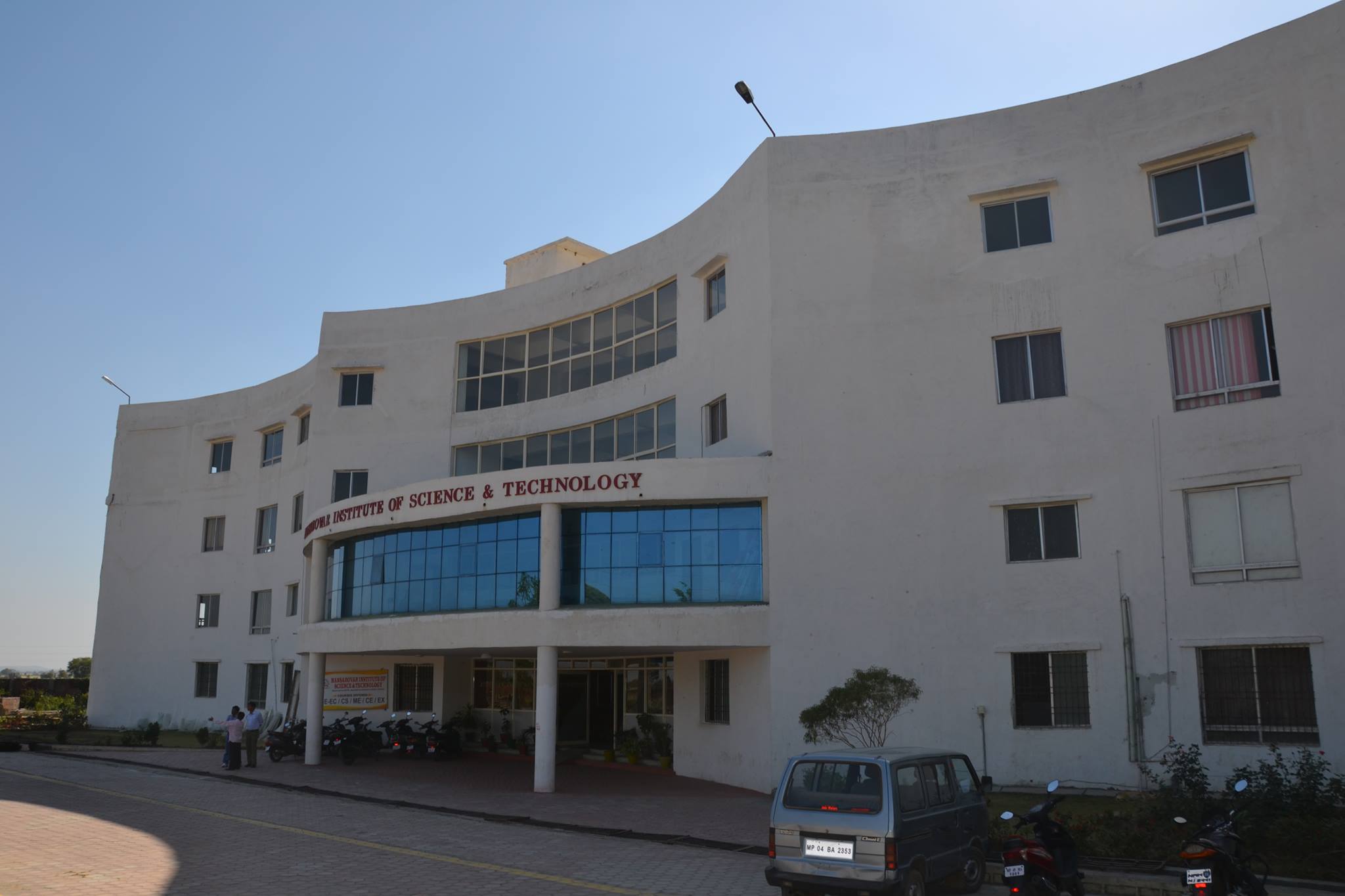
MIST was established in 2008 AD as a privately owned technical institute in Damak, Jhapa. Its General Medicine program operates under CTEVT with 40 seats.
The institute's academic support includes practical exercises, smart-board teaching, weekly sample examinations, digital notes, scholarship counselling, and e-library access. For General Medicine students, this institutional support sits alongside the formal theory, practical, clinical, and community requirements of the CTEVT program.
Institution: Mansarovar Institute of Science and Technology (MIST)
Location: Damak-15, Jhapa, Koshi Province, Nepal
Affiliation: CTEVT
Seats: 40
Telephone: 023-400160
Mobile: +977-9851128404, 9841416427, 9852626020, 9810540005
Email: mist.damak@gmail.com
The administrative office handles enquiries related to admission, eligibility, fees, scholarships, counselling, and course arrangements.
The course is offered as PCL in General Medicine-Health Assistant (HA). The qualification awarded after successful completion is Proficiency Certificate Level in General Medicine.
The course takes three academic years and follows a yearly system.
MIST has 40 seats for General Medicine.
Yes. Applicants must pass the entrance examination administered by CTEVT.
Students need at least 90% attendance in each subject to appear in the respective final examination.
Yes. The third year includes a 16-week comprehensive clinical practicum covering emergency, medicine, surgery, pathology observation, pharmacy, maternity, family health, basic medical procedures, and physiotherapy.
Yes. The third year includes an eight-week Comprehensive Community Field Practicum divided between community health diagnosis and PHC or Health Post attachment.
Students who pass all required components of all three years are awarded the Proficiency Certificate Level in General Medicine.