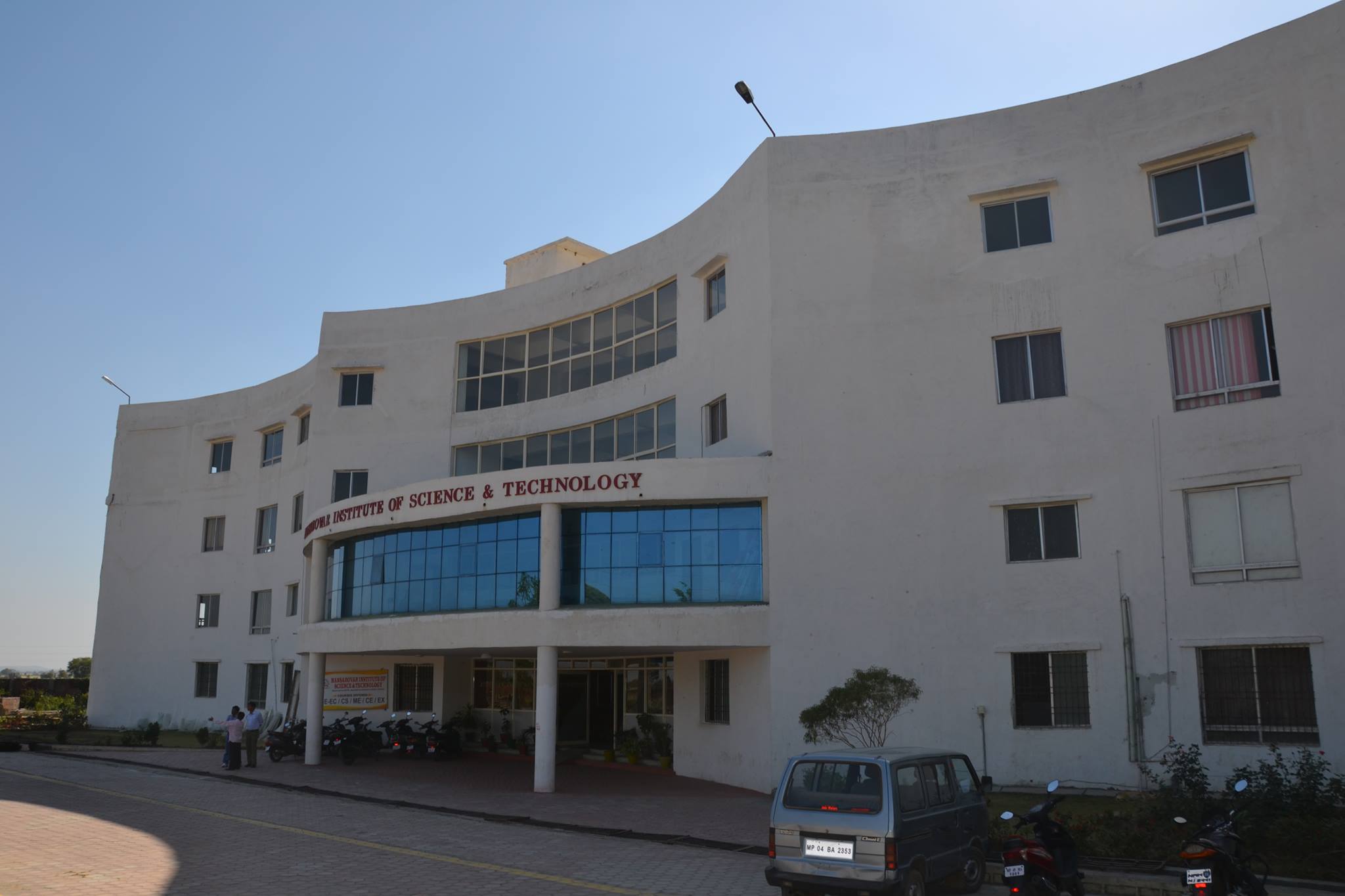
BE Civil Engineering at Mansarovar Institute of Science and Technology (MIST) is a bachelor's-level engineering program affiliated with Purbanchal University. MIST offers 48 seats in the program at its institute in Damak, Jhapa, Koshi Province, Nepal.
The Purbanchal University Faculty of Engineering curriculum is organized across eight semesters. The course structure effective from the 2021 batch begins with mathematics, science, mechanics, engineering materials, drawing, and workshop study before moving into surveying, structures, hydraulics, geotechnical engineering, transportation, water and sanitation, irrigation, hydropower, construction management, estimation, project work, and internship.
Bachelor's-level Civil Engineering program
Affiliated with Purbanchal University
Offered by MIST in Damak, Jhapa
48-seat intake
Eight-semester academic structure
Curriculum effective from the 2021 batch
Mathematics, science, mechanics, drawing, surveying, and structural study from the early semesters
Civil engineering subjects covering geotechnical, transportation, water, irrigation, hydropower, construction, and structural areas
Survey Camp with a minimum duration of 12 days
Civil Engineering Project I and Civil Engineering Project II
Elective subjects in the seventh and eighth semesters
Internship of 30 working days in the eighth semester
Internal and final assessment components across the curriculum
The first two semesters establish the engineering and scientific base of the program. Students study Mathematics I and II, Chemistry, Physics, Applied Mechanics I and II, Civil Engineering Materials, Basic Electrical Engineering, Building Technology, Engineering Drawing, Workshop Technology, and fundamentals of thermodynamics and heat transfer.
The third and fourth semesters move more directly into civil engineering study. Surveying, fluid mechanics, hydraulics, strength of materials, engineering geology, theory of structures, concrete technology, civil engineering drawing, probability and statistics, computer programming, electronics, and technical communication appear at this stage.
The fifth and sixth semesters cover soil and foundation engineering, water supply, transportation, hydrology, irrigation, sanitary engineering, steel and timber structures, numerical methods, and engineering economics. The fifth semester also includes a Survey Camp with a minimum duration of 12 days.
The final two semesters concentrate on reinforced concrete design, hydropower, estimation and valuation, safety, construction project management, electives, professional practice, project work, and internship. Civil Engineering Project is divided into Project I and Project II, while the eighth-semester internship is specified as 30 working days.
| Semester | Subjects | Credit Hours |
|---|---|---|
| First | Mathematics - I; Chemistry; Applied Mechanics - I (Statics); Civil Engineering Materials; Basic Electrical Engineering; Engineering Drawing - I; Workshop Technology | 19 |
| Second | Mathematics-II; Physics; Applied Mechanics-II (Dynamics); Building Technology; Fundamental of Thermodynamics and Heat Transfer; Engineering Drawing II | 18 |
| Third | Mathematics-III; Strength of Materials; Fluid Mechanics; Survey I; Engineering Geology; Basic Electronics Engineering; Computer Programming | 20 |
| Fourth | Probability & Statistics; Survey-II; Hydraulics; Theory of Structure-I; Concrete Technology and Masonry Structures; Civil Engineering Drawing; English for Technical Communication | 20 |
| Fifth | Soil Mechanics; Survey Camp; Theory of Structure-II; Water Supply Engineering; Transportation Engineering-I; Engineering Hydrology; Design of Steel and Timber Structure | 20 |
| Sixth | Foundation Engineering; Irrigation Engineering; Sanitary Engineering; Transportation Engineering-II; Numerical Methods; Engineering Economics | 18 |
| Seventh | Design of reinforced concrete structure; Hydropower Engineering; Estimation and valuation; Civil Engineering Project I; Safety Engineering; Construction Project Management; Elective-I | 18 |
| Eighth | Civil Engineering Project II; Engineering Professional Practice; Elective-II; Internship | 11 |
The semester structure and credit-hour distribution follow the Purbanchal University Faculty of Engineering course structure effective from the 2021 batch.
The first semester introduces the mathematical, scientific, mechanical, material, electrical, drawing, and workshop foundations used later in the program.
Students study:
Mathematics - I
Chemistry
Applied Mechanics - I (Statics)
Civil Engineering Materials
Basic Electrical Engineering
Engineering Drawing - I
Workshop Technology
The semester carries 19 credit hours. Several subjects combine theory with practical or drawing components, while Workshop Technology introduces workshop-based study from the beginning of the program.
The second semester continues mathematics and science while extending mechanics, construction-related study, drawing, and engineering fundamentals.
Subjects are:
Mathematics-II
Physics
Applied Mechanics-II (Dynamics)
Building Technology
Fundamental of Thermodynamics and Heat Transfer
Engineering Drawing II
The semester carries 18 credit hours. Physics and the thermodynamics and heat-transfer course include practical components, while Engineering Drawing II continues drawing work introduced in the first semester.
Civil engineering subjects become more prominent in the third semester. Students begin formal study of surveying, fluid mechanics, engineering geology, material strength, electronics, and programming.
The subjects are:
Mathematics-III
Strength of Materials
Fluid Mechanics
Survey I
Engineering Geology
Basic Electronics Engineering
Computer Programming
Survey I includes a substantial practical component, while Strength of Materials, Fluid Mechanics, Engineering Geology, Basic Electronics Engineering, and Computer Programming also combine classroom study with practical activity. The semester carries 20 credit hours.
The fourth semester develops surveying and structural study further and introduces hydraulics, concrete technology, civil engineering drawing, statistics, and technical communication.
Students take:
Probability & Statistics
Survey-II
Hydraulics
Theory of Structure-I
Concrete Technology and Masonry Structures
Civil Engineering Drawing
English for Technical Communication
The semester carries 20 credit hours. Survey-II continues the surveying sequence, while Theory of Structure-I begins the structural theory sequence that continues in the fifth semester.
The fifth semester brings together structural, geotechnical, water, transportation, hydrology, and field-survey components.
Subjects include:
Soil Mechanics
Survey Camp
Theory of Structure-II
Water Supply Engineering
Transportation Engineering-I
Engineering Hydrology
Design of Steel and Timber Structure
Survey Camp is specified for a minimum of 12 days. This gives the semester a distinct field component alongside classroom and practical study. The semester carries 20 credit hours.
The sixth semester extends several subject sequences introduced earlier and adds economic analysis to the engineering curriculum.
Students study:
Foundation Engineering
Irrigation Engineering
Sanitary Engineering
Transportation Engineering-II
Numerical Methods
Engineering Economics
Foundation Engineering follows Soil Mechanics, while Transportation Engineering-II continues the transportation sequence from the fifth semester. Water-related study expands through Irrigation Engineering and Sanitary Engineering. The semester carries 18 credit hours.
The seventh semester concentrates on design, hydropower, estimation, safety, project work, and construction management.
Subjects are:
Design of reinforced concrete structure
Hydropower Engineering
Estimation and valuation
Civil Engineering Project I
Safety Engineering
Construction Project Management
Elective-I
Civil Engineering Project I begins the two-part project sequence. The semester also introduces an elective component, allowing one part of the academic structure to be determined through Elective-I. The semester carries 18 credit hours.
The final semester has four components:
Civil Engineering Project II
Engineering Professional Practice
Elective-II
Internship
Civil Engineering Project II continues the project work begun in the seventh semester. The curriculum also includes Engineering Professional Practice and a second elective.
The internship is specified as 30 working days. The semester carries 11 credit hours.
The course structure is not limited to theory examinations. Practical work appears throughout the curriculum in subjects such as Chemistry, Physics, Civil Engineering Materials, electrical engineering, drawing, surveying, fluid mechanics, engineering geology, computer programming, hydraulics, structural subjects, concrete technology, soil mechanics, water supply, transportation, hydrology, sanitary engineering, and numerical methods.
Three later components add a stronger field and applied dimension:
Survey Camp — minimum 12 days
Civil Engineering Project I and II
Internship — 30 working days
These components sit at different stages of the program: Survey Camp in the fifth semester, Project I in the seventh, and Project II and internship in the eighth.
The curriculum develops through several connected areas rather than treating civil engineering as a single subject.
Mathematics I, II, and III, Chemistry, Physics, Probability & Statistics, and Numerical Methods provide the quantitative and scientific components of the curriculum.
Applied Mechanics I and II, Strength of Materials, Theory of Structure I and II, Design of Steel and Timber Structure, Foundation Engineering, and Design of reinforced concrete structure form the structural and mechanics sequence.
Survey I, Survey-II, and the Survey Camp create a progression from classroom and practical surveying to a dedicated field component.
Fluid Mechanics, Hydraulics, Water Supply Engineering, Engineering Hydrology, Irrigation Engineering, Sanitary Engineering, and Hydropower Engineering cover different aspects of water-related civil engineering study.
Transportation Engineering-I and Transportation Engineering-II are offered in consecutive semesters.
Building Technology, Concrete Technology and Masonry Structures, Estimation and valuation, Safety Engineering, Construction Project Management, Civil Engineering Project I, and Civil Engineering Project II connect construction-oriented study with planning, estimation, safety, management, and project activity.
Based on the academic and practical components, students have opportunities to develop abilities related to:
Engineering calculations and quantitative problem-solving
Technical and civil engineering drawing
Surveying and field measurement
Structural analysis and design-related study
Understanding of construction materials and building technology
Soil and foundation analysis
Hydraulic, hydrological, water-supply, irrigation, and sanitary engineering study
Transportation engineering analysis
Estimation and valuation
Construction project management
Engineering communication
Project preparation and presentation
Practical and field-based engineering work
The extent of these abilities depends on a student's academic engagement, practical performance, project work, and experience.
The curriculum uses internal and final assessment. Depending on the subject, assessment may include theory, practical work, drawing, project work, or other internal components.
For example, surveying subjects carry theory and practical assessment, while drawing subjects place substantial weight on practical or drawing work. The final semesters also include separately assessed project and internship components.
Mansarovar Institute of Science and Technology was established in 2008 AD as a privately owned technical institute in Damak, Jhapa. The BE Civil Engineering program is offered under Purbanchal University with 48 seats.
MIST also runs diploma-level engineering programs, but BE Civil Engineering is its university-affiliated bachelor's program in civil engineering. Students taking this course follow the Purbanchal University Faculty of Engineering academic structure.
Students can contact the MIST administrative office for current information related to eligibility, admission procedures, fees, scholarships, counselling, and other course-specific requirements.
Institution: Mansarovar Institute of Science and Technology (MIST)
Location: Damak, Jhapa, Koshi Province, Nepal
Affiliation: Purbanchal University
Seats: 48
Telephone: 023-400160
Mobile: +977-9851128404, 9841416427, 9852626020, 9810540005
Email: mist.damak@gmail.com
Students considering BE Civil Engineering at MIST can review the curriculum in terms of its actual academic demands. The early semesters contain mathematics, science, mechanics, drawing, and foundational engineering subjects. Later semesters move into surveying, structural engineering, soil and foundation study, transportation, water systems, hydropower, estimation, management, projects, and internship.
This progression may suit students interested in a course that combines calculation, technical drawing, field measurement, practical work, engineering design, and project-based study. The eight-semester structure also requires sustained engagement with both theoretical and applied subjects.