The Bachelor of Computer Application (BCA) at Rapti Engineering College is a four-year bachelor-level program affiliated with Pokhara University. The program runs over eight semesters and falls within the Faculty of Science and Technology. REC has offered BCA since 2010 and has an intake of 48 seats.
The curriculum combines computing, programming, mathematics, communication, software development, databases, web technologies, networking, data science, mobile application development, cloud computing, projects, electives, and internship. Pokhara University’s BCA structure totals 126 credits.
| Particular | Details |
|---|---|
| Course | Bachelor of Computer Application (BCA) |
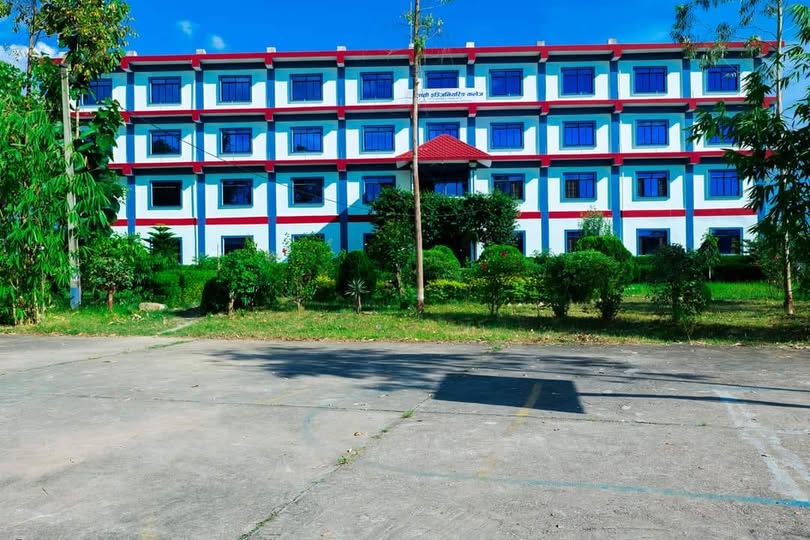
| College | Rapti Engineering College |
| Affiliation | Pokhara University |
| Faculty | Science and Technology |
| Location | Ghorahi-16, Saniambapur Sarra, Dang |
| Duration | 4 years |
| Academic structure | 8 semesters |
| Total credits | 126 |
| Seats | 48 |
| Offered at REC since | 2010 |
BCA is an undergraduate computing program that combines theoretical study with practical work in computer applications. The course begins with mathematics, computer fundamentals, programming logic, digital systems, communication, and computer architecture before moving into software engineering, databases, networking, web development, data science, mobile applications, and cloud computing.
The program is not limited to programming. Students also study accounting, management information systems, organization management, applied economics, research methodology, cybersecurity-related professional ethics, and digital economy. This gives the curriculum a mix of technical, analytical, communication, and organizational subjects.
Projects appear at several stages, and an internship is included in the seventh semester. Elective subjects give students additional room to study particular areas within computing and information technology.
BCA may suit students who want to study computing without entering an engineering degree and who are interested in programming, software, databases, web systems, computer networks, data-oriented work, and application development.
Students should be prepared for mathematics as well as practical computing. Mathematics I and II appear in the first year, while later study includes Probability and Statistics, Numerical Methods, and Mathematical Foundation in Computer Application.
The curriculum can be relevant to students interested in:
computer programming and software development;
web application development;
database systems;
computer networks;
mobile application development;
data science and analytics;
cloud computing;
information systems; and
project-based computing work.
Eligibility: Students seeking admission to the BCA program at REC should have completed 10+2 or an equivalent examination in any discipline with at least second-division marks and Mathematics or Computer Science, or both, as optional subjects.
Admission requirements can be tied to the applicable Pokhara University admission cycle, so applicants should follow the current requirements used for the intake in which they apply.
The BCA program runs for four years, divided into eight semesters. Its curriculum contains 126 credits and includes lectures, practical work, four project stages, three electives, and an internship.
| Semester | Main subjects | Credits |
|---|---|---|
| I | English for IT Professionals, Mathematics I, Digital Logic System, Computer Fundamental and Application, Programming Logic and Technique, Computer Application Workshop | 16 |
| II | Business and Technical Communication, Mathematics II, Financial Accounting, Programming in C, Microprocessor and Computer Architecture, Project I | 16 |
| III | Object Oriented Programming using Java, Data Structure and Algorithms, Systems Analysis and Project Management, Web Technology I, Operating Systems | 15 |
| IV | Software Engineering, Database Management System, Computer Graphics and Multimedia Technology, Probability and Statistics, Web Technology II, Project II | 18 |
| V | Numerical Methods, DotNet Technology, Data Communication and Computer Network, Research Methodology, Mathematical Foundation in Computer Application | 15 |
| VI | Data Science and Analytics, Management Information Systems, Simulation and Modeling, Organization Management, Elective I, Project III | 17 |
| VII | Cyber Law and Professional Ethics, Mobile Application Development Technology, Applied Economics, Internship, Elective II | 15 |
| VIII | Cloud Computing, Digital Economy, Elective III, Project IV | 14 |
Programming begins in the first semester through Programming Logic and Technique and continues with Programming in C in Semester II.
Object Oriented Programming using Java, Data Structure and Algorithms, DotNet Technology, and other computing subjects appear later. Software Engineering and Database Management System are introduced in Semester IV.
Web Technology is studied across two stages. Web Technology I appears in Semester III and Web Technology II in Semester IV. The curriculum therefore moves from programming foundations into software, databases, and web-based applications in a gradual sequence.
The later part of the course moves toward broader computing systems and newer application areas.
Data Communication and Computer Network appears in Semester V, followed by Data Science and Analytics and Simulation and Modeling in Semester VI. Semester VII includes Mobile Application Development Technology, while the final semester contains Cloud Computing and Digital Economy.
These subjects allow students to work across several areas rather than concentrate only on desktop programming or basic computer applications.
Project work is spread across the degree:
Project I in Semester II
Project II in Semester IV
Project III in Semester VI
Project IV in Semester VIII
Project IV carries five credits, making it the largest individual project component in the curriculum. The seventh semester includes a three-credit internship.
The placement of projects at different stages allows students to apply concepts after progressing through programming, databases, web technology, networking, data science, and other subjects.
The BCA curriculum includes Elective I, Elective II, and Elective III. The available elective pool covers a wide range of computing and related areas.
Examples include:
Data Mining and Warehousing
Geographical Information System
Artificial Intelligence
Internet of Things (IoT)
Cryptography
Cyber Security and Ethical Hacking
Distributed Database System
Advanced Java Programming
Cross-platform Mobile Development
API Design and Development
Human Computer Interaction
Network Programming
Blockchain Technology
Natural Language Processing
Deep Learning
Systems Servers and DevOps
The elective structure gives students an opportunity to add selected subjects to the common BCA curriculum.
The course may help students develop abilities related to:
programming logic and application development;
object-oriented programming;
data structures and algorithms;
database design and management;
web technology;
software engineering;
computer networking;
data analysis;
mobile application development;
cloud computing;
research and technical documentation; and
project planning and implementation.
Skill development depends on academic performance, practical participation, project work, independent practice, and internship experience.
BCA graduates may explore work in organizations that use software, databases, computer applications, information systems, networks, and related IT services.
The career areas associated with the program include business organizations, finance and insurance, manufacturing, government and non-government organizations, multinational companies, and information centers.
Individual roles depend on the graduate’s technical skills, project experience, additional training, employer requirements, and available opportunities. The degree itself does not guarantee a particular position or employment outcome.
The BCA route can also lead to postgraduate study. Further-study options identified for BCA graduates include:
Master of Computer Application (MCA)
Master of Science in Information Technology (MSc IT)
Master of Business Administration (MBA)
Master of Business Studies (MBS)
Admission to a particular postgraduate course depends on the requirements of the institution and program concerned.
BCA has been part of Rapti Engineering College’s Pokhara University portfolio since 2010. The program currently has 48 seats and sits alongside the college’s engineering and management bachelor’s programs.
For students comparing computing degrees, the BCA curriculum is defined by its combination of programming, software development, databases, web technology, networks, data science, mobile applications, cloud computing, projects, electives, and internship. Mathematics and communication subjects are also present throughout the academic progression.
The program may be considered by students who want a four-year computing degree with substantial application-oriented coursework and repeated project experience.
The BCA program runs for four years and is divided into eight semesters.
The Bachelor of Computer Application at Rapti Engineering College is affiliated with Pokhara University.
Rapti Engineering College has 48 seats for the BCA program.
REC began offering Bachelor of Computer Application in 2010 under Pokhara University.
The Pokhara University BCA curriculum totals 126 credits.
Yes. The curriculum includes Project I, Project II, Project III, and Project IV across different semesters. Project IV carries five credits.
Yes. A three-credit internship is included in Semester VII.
The program covers programming, data structures, software engineering, databases, web technology, operating systems, networking, data science, mobile application development, cloud computing, projects, and electives.
BCA graduates may consider programs such as MCA, MSc IT, MBA, and MBS, subject to the admission requirements of the chosen postgraduate program.