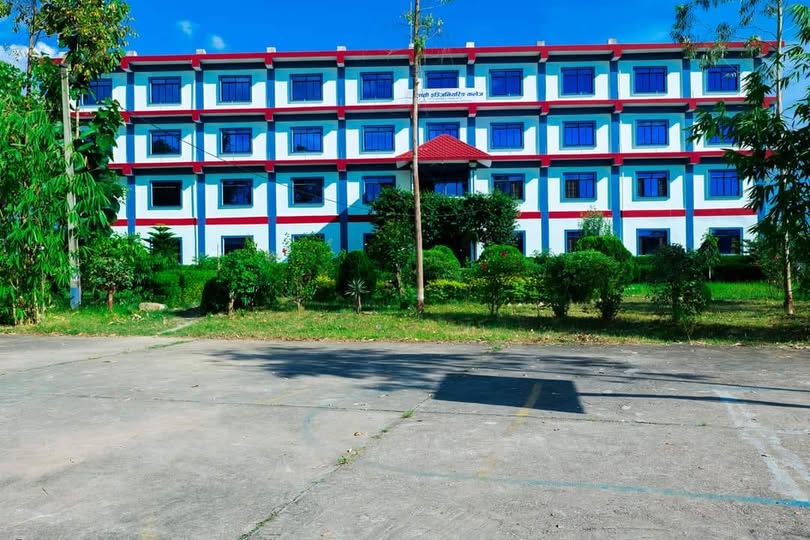
The Pre-Diploma in Civil Engineering (Civil Sub-Overseer) at Rapti Engineering College is a technical education program affiliated with the Council for Technical Education and Vocational Training (CTEVT). The college is located at Ghorahi-16, Saniambapur Sarra, Dang, Nepal. REC has 40 seats for this program.
The course is oriented toward the practical work performed by a Civil Sub-Overseer in construction-related settings. Its learning areas include construction engineering, building construction technology, water supply and irrigation, sanitation, roads, and trail bridges. The academic structure consists of one year of in-house training followed by six months of On-the-Job Training (OJT).
| Particular | Details |
|---|---|
| Course | Pre-Diploma in Civil Engineering |
| Technical designation | Civil Sub-Overseer |
| College | Rapti Engineering College |
| Location | Ghorahi-16, Saniambapur Sarra, Dang |
| Affiliation | CTEVT |
| Academic level | Pre-Diploma |
| Seats | 40 |
| In-house training | 1 year |
| On-the-Job Training | 6 months |
Pre-Diploma in Civil Engineering is a technical program connected with basic-level work in the construction sector. At REC, the course is structured around the responsibilities associated with the Civil Sub-Overseer role rather than university-level civil engineering study.
The course introduces students to several areas encountered in civil construction work. These include building construction, water supply, irrigation, sanitation, roads, and trail bridges. The program combines institutional training with a separate workplace training period so that students can apply what they have studied in a formal setting.
Earlier REC academic information also used the title TSLC in Civil Engineering for this program. Its current program naming is Pre-Diploma in Civil Engineering, with Civil Sub-Overseer retained as the technical designation associated with the course.
The program may suit students interested in practical construction work and basic civil engineering activities rather than a longer bachelor-level engineering route.
Students considering the course should have an interest in areas such as:
building construction;
water supply systems;
irrigation-related work;
sanitation;
road construction;
trail bridge work; and
practical construction-site activities.
The course places importance on applying technical skills, so students should expect practical learning to form an important part of the training.
The curriculum is linked directly to the type of work expected from a Sub-Overseer in the construction sector. Its main areas include:
construction engineering;
technology of building construction;
water supply;
irrigation;
sanitation;
roads; and
trail bridges.
These areas give the program a broad construction focus. Building-related study forms one part of the course, while water, sanitation, irrigation, roads, and bridges introduce students to other types of civil infrastructure.
The course should therefore not be understood simply as building construction training. Its scope extends across several types of small- and basic-level civil engineering work.
The first part of the curricular structure consists of one year of in-house training. During this period, students work through the technical knowledge and skills connected with the course.
The institutional training prepares students for the practical responsibilities they encounter later during OJT. Construction principles and the technical areas associated with building, water supply, irrigation, sanitation, roads, and trail bridges form the central learning context.
This stage gives students a structured environment in which to develop the basic knowledge required before moving into a workplace setting.
After the in-house component, students complete six months of On-the-Job Training.
The OJT is designed for students to apply learned skills and knowledge in a formal work environment. It also connects institutional training with employers and gives students direct hands-on work experience.
This practical phase is a significant part of the course. Students move from studying construction-related concepts within the training environment to experiencing how those skills are used in actual work settings.
The OJT component also distinguishes the program from courses in which practical experience is limited to short classroom exercises.
The curriculum and OJT may help students develop practical abilities related to:
basic construction work;
building construction processes;
water supply-related tasks;
irrigation-related technical work;
sanitation work;
road-related construction activities;
trail bridge-related work; and
applying technical knowledge in a formal workplace.
The level of ability developed in each area depends on the student’s participation, practical performance, training experience, and OJT involvement.
The program is specifically tied to the work performed by a Sub-Overseer in the construction sector. This job orientation shapes the way the course is organized and explains its concentration on practical civil works rather than advanced engineering analysis or design.
Students comparing academic levels should distinguish this course from the Bachelor of Civil Engineering offered by REC under Pokhara University. Pre-Diploma in Civil Engineering belongs to the CTEVT technical education stream and prepares students at a different academic and occupational level.
REC also offers Pre-Diploma in Survey Engineering (AMIN), Pre-Diploma in Electrical Engineering, and Diploma in Computer Engineering under CTEVT.
The course is connected with basic-level technical work in construction. Students completing the program may explore work related to the areas covered during training, including building construction, water supply and irrigation, sanitation, roads, and trail bridges.
The six-month OJT gives students experience applying their training in a formal work setting and creates direct exposure to construction-related workplace practices.
Employment outcomes depend on practical competence, experience, employer requirements, available positions, and any professional or regulatory requirements applicable to a particular role.
It is a CTEVT-affiliated technical education program oriented toward the work performed by a Civil Sub-Overseer in the construction sector.
Rapti Engineering College has 40 seats for the program.
The curricular program consists of one year of in-house training followed by six months of On-the-Job Training.
Yes. Students complete six months of OJT, during which learned skills and knowledge are applied in a formal work setting.
The program covers construction engineering, building construction technology, water supply and irrigation, sanitation, roads, and trail bridges.
No. It is a Pre-Diploma in Civil Engineering program under CTEVT.
It is offered at Rapti Engineering College, Ghorahi-16, Saniambapur Sarra, Dang, Nepal.