The Diploma in Computer Engineering at Rapti Engineering College is a three-year technical program affiliated with the Council for Technical Education and Vocational Training (CTEVT). The program is also identified as Diploma in Computer Engineering (Computer Overseer) within REC’s academic offerings. It has an intake of 48 seats.
The course brings together computer programming, digital electronics, computer networks, database management, software engineering, web technology, computer architecture, repair and maintenance, operating systems, data mining, multimedia, projects, and other technical subjects. Its structure covers both hardware- and software-related areas of computing.
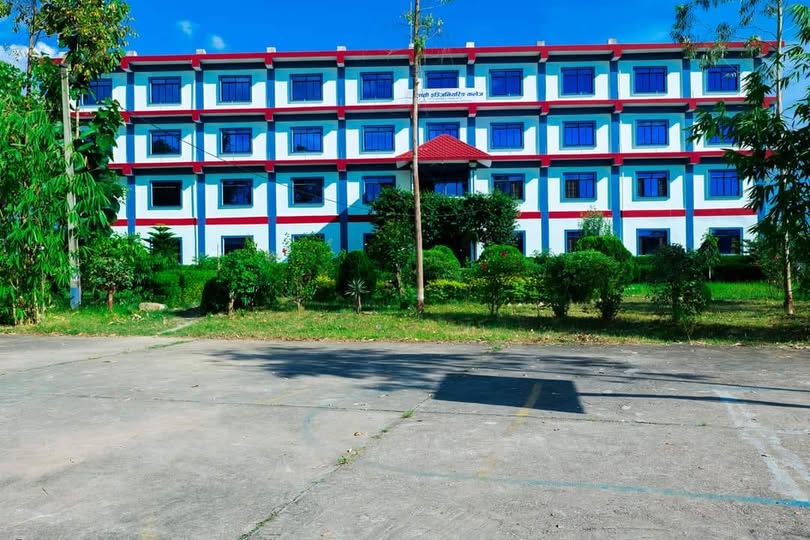
| Particular | Details |
|---|---|
| Course | Diploma in Computer Engineering |
| Alternative title | Computer Overseer |
| College | Rapti Engineering College |
| Location | Ghorahi-16, Saniambapur Sarra, Dang |
| Affiliation | CTEVT |
| Duration | 3 years |
| Academic structure | 6 semesters |
| Seats | 48 |
| Level | Diploma |
Diploma in Computer Engineering is a technical education program that combines computing with electronics and computer hardware. Students study programming and software subjects alongside digital logic, electronics, microprocessors, computer architecture, networking, repair and maintenance, and telecommunications-related coursework.
At REC, the three-year structure moves from basic mathematics, science, communication, programming, and computer fundamentals into web technology, databases, data structures, computer networks, operating systems, software engineering, data mining, and project work.
The combination is useful for understanding the course correctly. It is not only a programming diploma, nor is it restricted to hardware maintenance. The curriculum covers both areas and connects them through networking, system design, database work, electronics, and computer architecture.
This diploma may suit students who want to enter technical computer education after SEE and are interested in learning how computer hardware and software systems work.
Students considering the program should be prepared for mathematics and science as well as practical computing. The course includes programming languages, electronics, networking, databases, web technologies, and projects, so it requires work across several technical areas.
It may be particularly relevant for students interested in:
computer programming;
web technologies;
computer hardware and maintenance;
digital electronics;
database systems;
computer networking;
software development concepts;
operating systems;
multimedia and internet technologies; and
technical project work.
Eligibility: Applicants seeking admission to Diploma in Computer Engineering at REC require an overall GPA of 1.6 in the Secondary Education Examination (SEE).
Students should follow the eligibility and admission requirements applicable to the current CTEVT intake when applying.
Duration: The Diploma in Computer Engineering is a three-year program. Its curriculum is structured across six semesters, with subjects developing from foundation-level science and computing into specialized computer engineering topics and projects.
| Semester | Main subjects |
|---|---|
| First | Communication Nepali, Communication English, Engineering Mathematics I, Engineering Physics I, Engineering Chemistry I, Computer Fundamentals, Engineering Drawing, Computer Programming in C |
| Second | Engineering Mathematics II, Engineering Physics II, Engineering Chemistry II, Logic Circuits, Object Oriented Programming in C++, Electrical Engineering, Web Technology & Programming I |
| Third | Web Technology and Programming II, Engineering Mathematics III, Data Structure & Algorithm, Database Management System, Microprocessors, Electronic Devices & Circuits |
| Fourth | Data Communication, System Analysis and Design, Computer Graphics, Computer Architecture, Repair & Maintenance, Visual Programming, Statistics & Probability |
| Fifth | Computer Networks, Management Information System, Applied Telecommunication, Distributed Computing, Operating System, Elective I, Minor Project |
| Sixth | Multimedia Technology, Internet Technology, Data Mining, Software Engineering, Elective II, Major Project |
The first semester establishes the academic base through Communication Nepali, Communication English, Engineering Mathematics I, Engineering Physics I, Engineering Chemistry I, Computer Fundamentals, Engineering Drawing, and Computer Programming in C.
The second semester continues mathematics and science while introducing Logic Circuits, Object Oriented Programming in C++, Electrical Engineering, and Web Technology & Programming I.
These early semesters prepare students for later subjects that require programming logic, mathematical understanding, electronic concepts, and familiarity with computer systems.
Programming begins with Computer Programming in C during the first semester and moves into Object Oriented Programming in C++ in the second semester.
Web Technology & Programming I and II are studied across the second and third semesters. The third semester also includes Data Structure & Algorithm and Database Management System.
The curriculum later adds Visual Programming and Software Engineering. This sequence gives students repeated exposure to programming and software-related coursework rather than concentrating those subjects in a single part of the diploma.
The course also contains a hardware and electronics component. Logic Circuits and Electrical Engineering appear in Semester II, followed by Microprocessors and Electronic Devices & Circuits in Semester III.
Computer Architecture and Repair & Maintenance are included in Semester IV. These subjects connect computer operation with processor systems, electronics, hardware organization, and maintenance.
This part of the curriculum distinguishes Diploma in Computer Engineering from a course focused entirely on application software.
Networking becomes more prominent in the second half of the program.
Semester IV includes Data Communication, while Semester V contains Computer Networks, Applied Telecommunication, Distributed Computing, and Operating System. Internet Technology appears in the final semester.
Students therefore encounter communication between computer systems at several levels, from data communication principles to networks, distributed computing, telecommunications, and internet technology.
The curriculum includes a Minor Project in Semester V and a Major Project in Semester VI. REC also incorporates laboratory work and practical activity within the Diploma in Computer Engineering program.
The college’s computer lab supports students in areas including programming languages, database management, hardware assembly, and networking. Diploma in Computer Engineering is among the programs that use this facility.
Projects, laboratory work, and practical exercises give students opportunities to apply concepts studied in programming, networking, hardware, databases, and related subjects.
Through the academic and practical components, students may develop abilities related to:
programming in C and C++;
web technology;
data structures and algorithms;
database management;
digital and electronic circuits;
microprocessor concepts;
computer architecture;
hardware repair and maintenance;
computer networking;
system analysis;
operating systems;
software engineering; and
technical project preparation.
The level of competence developed depends on classroom performance, laboratory participation, project work, and continued technical practice.
Diploma graduates may explore technical roles related to computing, programming, networking, web work, graphics, computer systems, and IT support.
Career roles identified for graduates include:
Junior Computer Engineer;
Programmer or IT Officer;
Web Designer; and
Graphics Designer.
Possible employment settings include manufacturing and service organizations, hospitals, banks and financial institutions, insurance companies, educational institutions, consulting firms, IT companies, media companies, retail organizations, and hotel and tourism-related organizations.
Employment is not automatic after completing the diploma. Opportunities depend on the graduate’s technical ability, practical experience, further training, employer requirements, and available positions.
Diploma graduates may continue their education at bachelor level in computer engineering or related fields.
Students planning to continue to a bachelor’s degree should consider the admission and eligibility requirements of the institution and program they intend to join.
Rapti Engineering College offers the diploma as part of its CTEVT technical education portfolio. The college is located at Ghorahi-16, Saniambapur Sarra, Dang, and the Diploma in Computer Engineering has 48 seats.
The course combines programming, electronics, hardware, networking, databases, web technology, operating systems, software engineering, and project work over three years. For students comparing technical computer education options, the important considerations are the SEE eligibility requirement, CTEVT affiliation, six-semester curriculum, practical work, and the balance between hardware and software subjects.
The program runs for three years and is organized across six semesters.
Diploma in Computer Engineering at Rapti Engineering College is affiliated with CTEVT.
The program has an intake of 48 seats.
Applicants require an overall GPA of 1.6 in SEE for admission to the program at REC.
The curriculum includes computer programming, mathematics, physics, chemistry, logic circuits, web technology, databases, data structures, microprocessors, electronics, computer architecture, networking, operating systems, software engineering, data mining, multimedia technology, and projects.
Yes. The fifth semester includes a Minor Project and the sixth semester includes a Major Project.
Yes. Software-related study includes programming, databases, web technology, operating systems, and software engineering, while hardware-related study includes electronics, microprocessors, computer architecture, and repair and maintenance.
The diploma can support further study in computer engineering and related fields, subject to the admission requirements of the chosen bachelor-level program.