The Pre-Diploma in Electrical Engineering (Electrical Sub-overseer) at Rapti Engineering College is a technical education program affiliated with the Council for Technical Education and Vocational Training (CTEVT).
The course prepares students for basic-level electrical technician work associated with the Electrical Sub-overseer role.
Its academic structure consists of one year of in-house training followed by six months of On-the-Job Training (OJT). REC has 40 seats for the program.
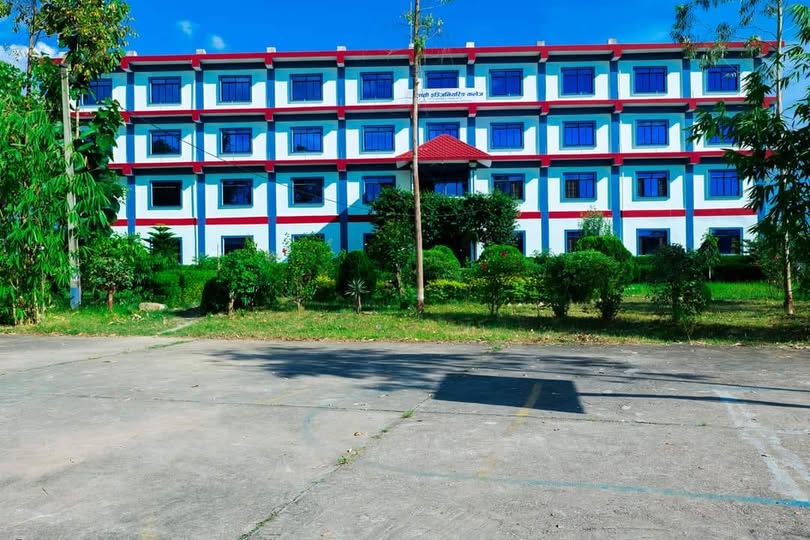
| Particular | Details |
|---|---|
| Course | Pre-Diploma in Electrical Engineering |
| Technical designation | Electrical Sub-overseer |
| College | Rapti Engineering College |
| Location | Ghorahi-16, Saniambapur Sarra, Dang |
| Affiliation | CTEVT |
| Academic level | Pre-Diploma |
| Seats | 40 |
| In-house training | 1 year |
| On-the-Job Training | 6 months |
Pre-Diploma in Electrical Engineering is structured around the work expected from a basic-level electrical technician serving in an Electrical Sub-overseer capacity. Instead of concentrating on one narrow area of electrical work, the course covers several core subjects connected with installation, control, distribution, electronics, maintenance, drawing, entrepreneurship, and computer applications.
The program combines technical instruction with an extended period of workplace learning. Students first complete the in-house training component and then move into six months of OJT, where previously learned skills and knowledge are applied in a formal work setting.
This makes practical application an important part of the program rather than an activity added only at the end of individual classroom subjects.
The course covers fundamental electrical engineering subjects related to the expected work of an Electrical Sub-overseer. These include:
Electrical Installation
Motor Installation and Control
Power Transmission and Distribution
Basic Electronics
Repair and Maintenance
Electro-technology
Engineering Drawing
Entrepreneurship Development
Computer Application
These subject areas show that the course extends beyond basic wiring. Students encounter electrical installation and motor control alongside the broader movement and distribution of electrical power, electronic fundamentals, maintenance, technical drawing, and computer use.
Entrepreneurship Development is also part of the course, adding a basic business-related component to the technical training.
Electrical Installation forms one of the central technical areas of the program. It is accompanied by Motor Installation and Control, placing attention on both electrical installation work and systems involving electric motors.
These subjects fit directly with the program’s orientation toward basic-level electrical technician duties. Students are introduced to the practical knowledge required for installation-related work while also studying how motor systems are installed and controlled.
The curriculum does not separate electrical practice from maintenance. Repair and Maintenance is included as its own subject area, giving students exposure to the servicing side of electrical work as well.
Power Transmission and Distribution adds another dimension to the course. It moves beyond individual electrical installations to introduce the systems involved in carrying and distributing electrical power.
Basic Electronics is included alongside these electrical subjects. This gives students contact with electronic concepts within a program whose main emphasis remains electrical engineering.
Electro-technology further supports the technical foundation of the course. Together, these areas create a curriculum that connects installation, power systems, electronics, equipment, and maintenance rather than treating them as unrelated topics.
Engineering Drawing forms part of the curriculum, giving students a technical representation component alongside practical electrical subjects.
Computer Application is also included. Its presence means students encounter basic computer use as part of the technical program rather than studying electrical subjects in isolation.
These subjects support the wider course structure by adding technical communication and computer-related work to the electrical training.
The curricular program contains one year of in-house training. During this stage, students study the technical areas that form the foundation for later workplace practice.
The in-house portion covers the subjects associated with electrical installation, motor systems, power transmission and distribution, electronics, maintenance, electro-technology, engineering drawing, entrepreneurship, and computer application.
This stage provides the knowledge and practice that students later take into the OJT component.
After the in-house training, the course includes six months of On-the-Job Training.
The OJT is intended to place students in a formal work setting where they can apply skills and knowledge developed during training. It also creates direct contact between technical education and employers while giving students hands-on work experience.
For students assessing the program, this is one of its defining academic features. A substantial portion of the course is spent outside the in-house training environment applying electrical knowledge through workplace experience.
The combination of technical subjects and OJT may help students develop practical abilities related to:
electrical installation work;
motor installation and control;
basic power transmission and distribution concepts;
basic electronics;
electrical repair and maintenance;
electro-technology;
reading and preparing engineering drawings;
computer applications; and
applying technical knowledge in a workplace setting.
The level of competence developed depends on the student’s participation, practical work, performance during training, and experience during OJT.
The course is specifically connected with the work required of a basic-level electrical technician operating as an Electrical Sub-overseer.
This role orientation explains why the curriculum places considerable weight on installation, motor control, power distribution, electronics, and maintenance. The course is designed around practical electrical functions rather than advanced university-level engineering theory.
Students considering the program should therefore distinguish it from a diploma or bachelor’s degree in electrical engineering. It belongs to REC’s CTEVT pre-diploma technical education stream.
Rapti Engineering College is located in Ghorahi, Dang and has operated since 2008. Its technical portfolio under CTEVT includes Diploma in Computer Engineering, Pre-Diploma in Survey Engineering (AMIN), Pre-Diploma in Civil Engineering, and Pre-Diploma in Electrical Engineering.
The Electrical Sub-overseer program has 40 seats. Within REC’s technical offerings, it provides the electrical route alongside civil, survey, and computer-related programs.
Its main distinguishing feature is the combination of one year of institutional training with six months of OJT and a curriculum centered on practical electrical work.
It is a CTEVT-affiliated technical program designed around the work of a basic-level electrical technician in an Electrical Sub-overseer role.
Rapti Engineering College has 40 seats for the program.
The curricular program consists of one year of in-house training followed by six months of On-the-Job Training.
Yes. Six months of OJT are included so students can apply learned skills and knowledge in a formal work setting.
The program covers Electrical Installation, Motor Installation and Control, Power Transmission and Distribution, Basic Electronics, Repair and Maintenance, Electro-technology, Engineering Drawing, Entrepreneurship Development, and Computer Application.
No. It is a Pre-Diploma in Electrical Engineering program under CTEVT and is associated with the Electrical Sub-overseer technical level.
Rapti Engineering College is located at Ghorahi-16, Saniambapur Sarra, Dang, Nepal.