



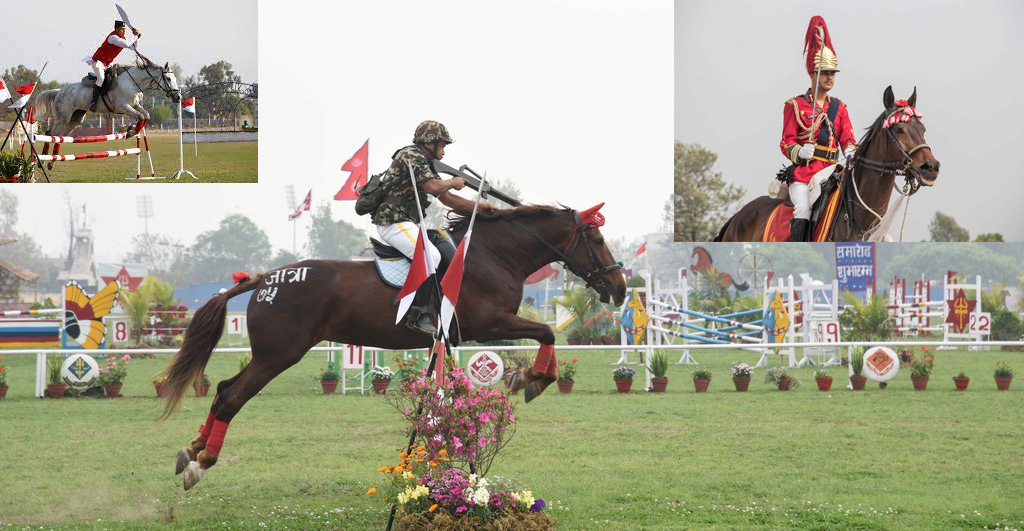
Ghode Jatra Celebrated in Kathmandu Today with Equestrian Displays
Kathmandu — Ghode Jatra, observed every year on Chaitra Krishna Aunsi, is being celebrated today at Tundikhel in Kathmandu with a special equestrian display. This nationally significant festival, organized by the Nepali Army, usually draws the presence of the Head of State, the Head of Government, other distinguished guests, and the general public.
Observed with special importance at the government level, this festival is regarded as one of Nepal’s original and globally distinctive traditions. On this occasion, there is a tradition of bringing the living goddess Kumari from Kumari Ghar in Hanuman Dhoka to Tundikhel in a carriage. After the Nepali Army offers a salute in the presence of Kumari, the formal display of equestrian skills and horse racing begins.
As one of Nepal’s traditional jatras, Ghode Jatra also carries deep historical and cultural value within the broader culture and traditions of Nepal.
Tundi Demon Legend
The main legend of Ghode Jatra is connected to Kathmandu’s Tundikhel and a demon named Tundi. According to popular belief, in ancient times a demon called Tundi used to trouble and devour children. Fed up with this, local people are said to have used a strategy to bury him alive in a pit. It is believed that this festival began as a tradition of riding horses over his chest every year so that his spirit would not rise again and no misfortune would befall the country.
According to classical belief as well, it is considered auspicious for the country when a horse procession is held at the center of the city.
Connection with Bhadrakali
Another tantric and historical aspect of this festival is connected to the shrine of Bhadrakali. According to legend, the tantric Shashwat Vajra brought Bhadrakali to Kathmandu from Kamru Kamakhya in India. While bringing the goddess, he placed her on the ground in the area now known as Jamal. It is believed that the goddess became displeased and refused to move from there. The tantric is then said to have persuaded her by promising that an original festival, Ghode Jatra, would be held in the open space of Tundikhel and that the idol would be decorated.
Only after that, according to the tradition associated with this festival, was Bhadrakali taken and placed in the present temple premises. In earlier times, kings also had the custom of riding horses early in the morning on the day of Ghode Jatra to visit Bhadrakali.
Pishach Chaturdashi and Pahan Charhe
The day before Ghode Jatra, that is, Chaitra Krishna Chaturdashi, is observed as Pishach Chaturdashi. On the same occasion, the Newar community of Kathmandu celebrates the Pahan Charhe festival.
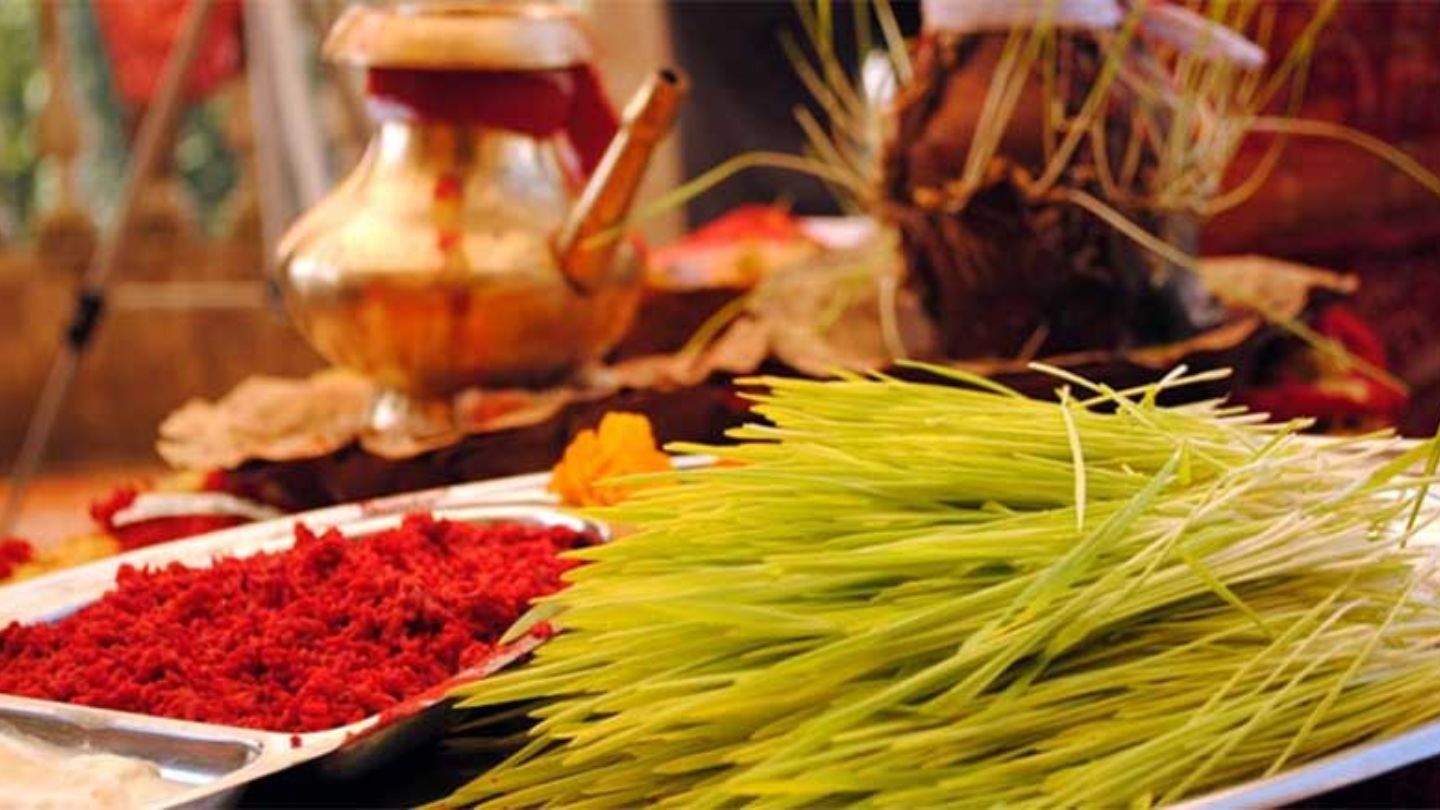
On this day, there is a tradition of offering special worship to the hidden Mahadev, known as Luka Mahadev, at places such as Brahmatol and Ombahal in Kathmandu. According to Newar tradition, on Pishach Chaturdashi, these hidden Mahadev shrines are bathed and offered tamasi food, including meat.
Based on the religious belief that Shiva assumed the form of a pishach and consumed meat during a dispute between Shiva and Parvati, worship is offered on this day to pishach beings and Shiva’s attendants. There is a popular belief that such worship prevents disease, suffering, and hardship across the country.

.png)

Comments 0
No comments yet. Be the first to start the conversation.