The Nepal Academy of Fine Arts (NAFA - Nepal Lalitkala Pragya-Pratishthan) stands as a central institution for artists, art researchers, and critics in Nepal. It plays a crucial role in fostering the creation, exhibition, and study of art across various genres. With its foundation structured around the Academic Council and Academic Assembly, NAFA is at the forefront of policy-making and implementation aimed at the growth of Nepali art.
NAFA's extensive initiatives span from organizing art workshops, seminars, and exhibitions to encouraging research in art history and contemporary practices. The academy is divided into specialized departments, each focusing on a unique aspect of the arts: Traditional Arts, Painting, Sculpture, Folk Arts, Handicrafts, Architecture, and Other Creative Arts (Interdisciplinary Art). These departments are instrumental in exploring and nurturing various art forms, from the ancient traditions of Paubha and Thangka paintings to modern and contemporary expressions in painting, sculpture, and interdisciplinary art.
By offering educational programs, research opportunities, and exhibitions, NAFA plays a vital role in not only preserving the historical and cultural legacy of Nepali art but also in embracing and integrating modern trends and innovations. Through its commitment to artistic excellence and its support for artists and craftsmen, NAFA contributes significantly to the cultural landscape of Nepal, ensuring that its artistic heritage is celebrated, evolved, and cherished for generations to come.

NAFA is committed to promoting art education and innovation through:
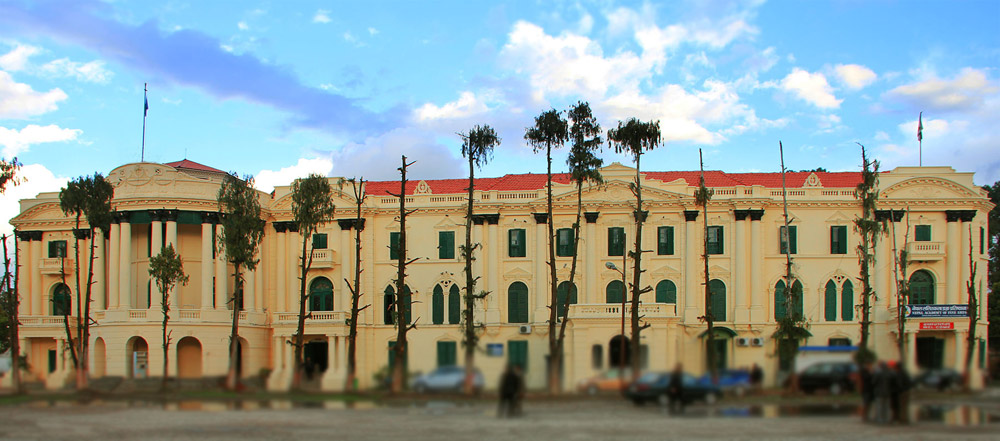
Establishment and Evolution: The Nepal Academy of Fine Arts (NAFA), a milestone for the artistic community in Nepal, was established in 2010 with the vision of fostering the arts in the country. Its inception marked a significant milestone in recognizing and institutionalizing the arts within the Nepali cultural framework. The academy was founded to serve as the central organization for artists, art researchers, and critics, facilitating the creation, exhibition, study, and research of various art genres.
Mission and Growth: From its early days, NAFA set out with a clear mission: to develop policies and programs that would nurture the growth and development of Nepali art. This mission was supported by its two main pillars, the Academic Council and the Academic Assembly, which together worked on policy formulation and execution in collaboration with the broader artist community and other art organizations.
Facilitating Artistic Exchange and Education: NAFA has been instrumental in organizing art workshops, seminars, and national art exhibitions not just in its headquarters in Kathmandu but across various districts in Nepal. These events have been pivotal in imparting new concepts, skills, techniques, and styles of art. They have also served as platforms for artists to share experiences and learn from each other, fostering a rich community of artistic exchange.
Promoting Research and Innovation: Recognizing the importance of understanding and preserving the history of Nepali art, NAFA has actively encouraged research by providing fellowships and scholarships. The academy's efforts in documenting and publishing research findings have significantly contributed to the enrichment of the art community and the preservation of Nepal's artistic heritage.
Adapting to Modern Trends: With a keen eye on the global art scene, NAFA has endeavored to introduce contemporary Nepali artists to modern and postmodern trends in world arts. This initiative aims not only to inspire artists with global perspectives but also to ensure the evolution of Nepali art remains dynamic and relevant.
Comprehensive Support for Artists: NAFA's role extends beyond education and exhibitions; it actively supports artists through financial assistance, resource generation, and the promotion of creativity. The establishment of departments dedicated to various art forms underlines NAFA's commitment to nurturing all genres of art, embracing both traditional and contemporary practices.
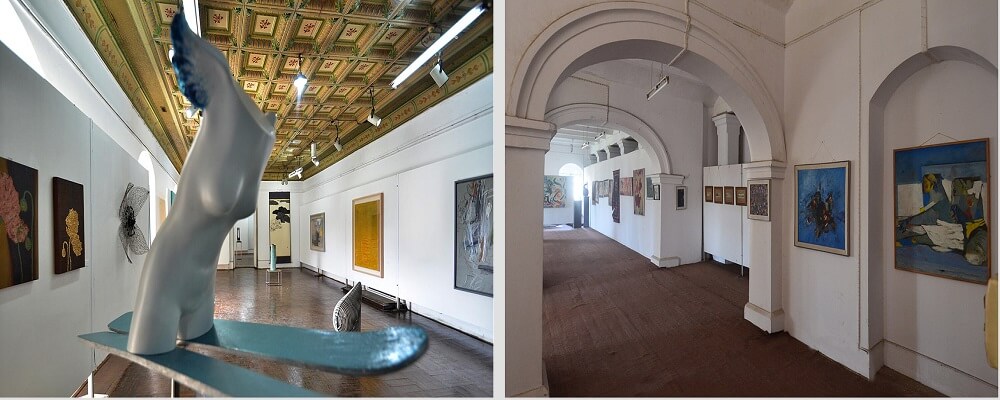
A Cultural Treasure Trove: The academy's museum and gallery, housing a vast collection of artworks, serve as windows into the visual history and cultural heritage of Nepal. These spaces not only celebrate the artistic achievements of the past and present but also inspire future generations of artists.
A Legacy of Artistic Excellence: Over the years, NAFA has built a legacy of artistic excellence, becoming a key player in the cultural landscape of Nepal. Its contributions to the promotion, preservation, and development of Nepali art have been invaluable, ensuring that the rich tapestry of Nepali art continues to thrive and resonate both nationally and internationally.
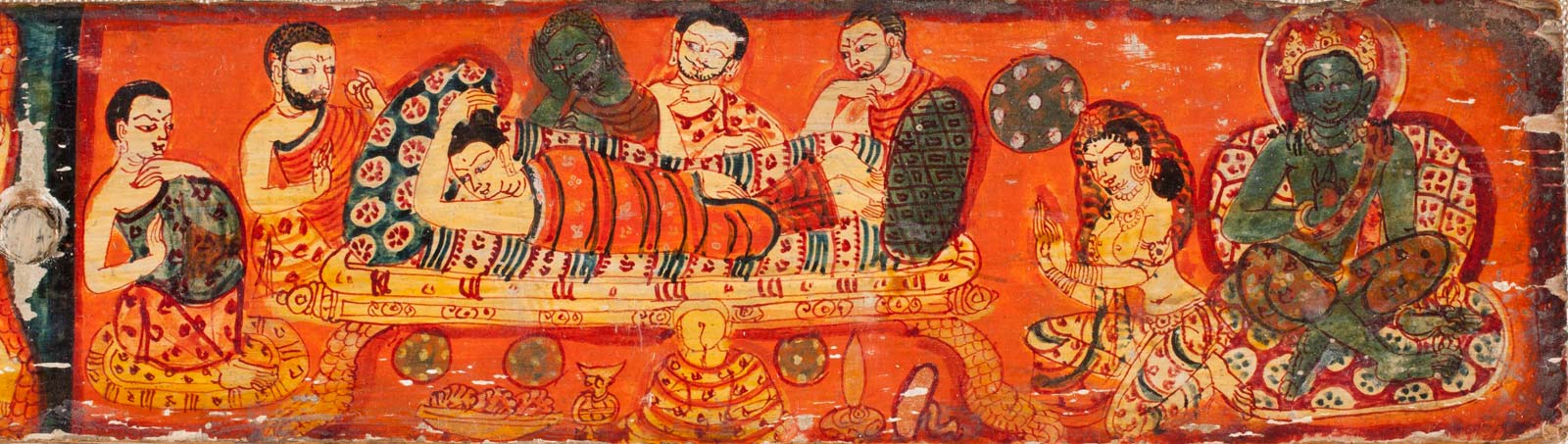
Ancient Roots and the Lichchhavi Period: Nepali art, with its deep-seated origins in Nepali culture, traces its discernible history back to the sculptures of the 4th century A.D. during the Lichchhavi period, often hailed as the golden era of Nepali artistry. The sophistication of these early works suggests that the art form's inception predates recorded history. Notably, 7th-century accounts by a Chinese envoy highlighted the prevalence of exquisite wall paintings in the Kathmandu Valley, indicating a rich tradition of visual expression, even though the earliest identified Nepali painting is the Prajnaparamita manuscript illumination.
Cultural Integration and Artistic Expression: Integral to Nepali civilization, art has always been a vibrant component of cultural rituals and festivals, encompassing a diverse array of forms including sculpture, music, painting, performance, and installation. Historically, art served both spiritual and pragmatic purposes, embodying values and teachings central to the community's moral fabric. This blend of artistry and utility is still visible in contemporary Mithila art, which continues to reflect these ancient traditions.
Evolution and Diversity in Art Forms: Over centuries, Nepali art has undergone significant transformations, moving from religious to secular themes, and from symbolic to more subjective and abstract expressions. Early Nepali art and architecture were rich in symbolism, often portraying deities and human figures with a youthful vigor, embodying both mystical and didactic elements. Initial forms of Nepali paintings, such as manuscript illumination, paubha, mandala, and narrative scroll paintings, alongside architectural styles like the pagoda temple and stupa, laid the foundational aesthetic of the region.
Influence of the Rana Regime: The Rana period marked a pivotal shift towards secularism, realism, and the introduction of oil paints, moving away from the religious and symbolic motifs of earlier times. Art during this era prominently featured portraits of the Rana rulers and their kin, reaching a zenith in the art of portraiture within Nepali art history. Additionally, landscapes and still life paintings emerged, with Western neoclassical architecture influencing local building styles.
Post-Rana Renaissance and Modern Influences: The advent of democracy in 1951 ushered in a new era of artistic freedom and experimentation, facilitated by the cross-cultural exchanges that globalization brought. Nepali artists began to adopt and adapt various Western art movements, including Impressionism, Fauvism, and Surrealism, among others. This period witnessed a shift from realism to abstraction, with artists exploring personal themes and subjective experiences over external representations.
Contemporary Nepali Art: Today, Nepali artists stand at a unique crossroads of tradition and innovation, seeking to merge the wisdom of the past with contemporary global trends. This journey involves a conscious effort to unlearn established rules, listen to their inner voices, and express themselves in a distinctive visual language. The essence of creating art in Nepal has evolved into a deeply personal act of self-expression, reflecting a matured and introspective approach to artistry.
Department of Traditional Arts
Department of Painting
Department of Sculpture
Department of Folk Arts
Department of Handicrafts
Department of Architecture and Other Creative Arts (Interdisciplinary Art)







.jpg)