



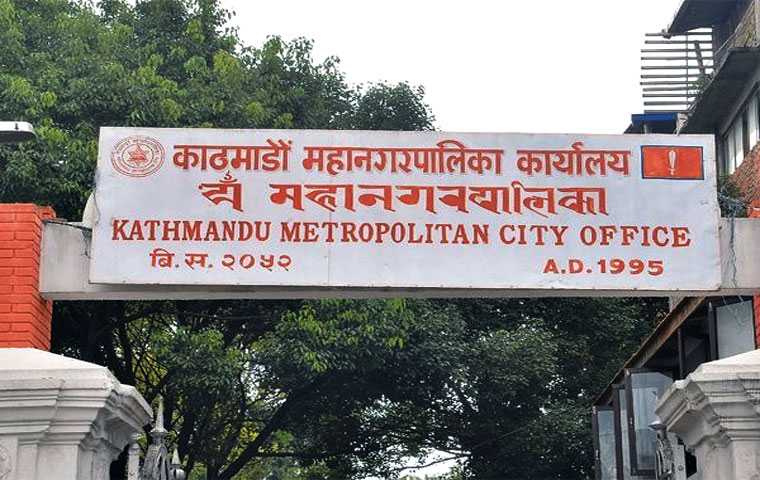
Kathmandu, 2026-02-27 [2082-11-15] — To improve Secondary Education Examination (SEE) results, the Education Department of Kathmandu Metropolitan City has started special classes.
The metropolitan office said the program has begun in six schools in the first phase. The department plans to run special classes in schools where fewer than 50% of students passed the SEE in past years.
A total of 11 schools are planned to be covered under this program.
Phase 1: classes started in six schools
In the first phase, classes have started in the following schools with higher student numbers:
-
Geetamata Secondary School
-
Koteshwor Saraswati Secondary School
-
Juddhodaya Secondary School
-
Padmakanya Secondary School
-
Paropakar Secondary School
-
Guhyeshwari Balsiksha Secondary School
In these schools, 523 students identified as needing the special classes will be enrolled. Subject experts, resource teachers, and retired teachers will teach the classes.
Phase 2: classes after 2026-03-17 [2082-12-03]
Special classes will be conducted after 2026-03-17 [2082-12-03] in schools with lower results and fewer students:
-
Prabhat Secondary School
-
Navayug Secondary School
-
Nepal Adarsha Secondary School
-
Bhakta Vidyashram Secondary School
-
Nandi Ratri Secondary School
A total of 104 students from these schools will participate.
Across both phases, 627 students will receive special classes, which is 13% of the total examinees.
SEE participation in KMC this year
According to Namaraj Dhakal, Chief of the metropolitan Education Department, around 4,557 students from community schools within the metropolitan area will participate in the SEE this year.
Ongoing efforts to improve community schools
In recent years, the metropolitan office has worked to improve the learning level of community schools by integrating curricular, co-curricular, and extra-curricular activities to strengthen the academic environment.
These include management-focused support for principals, subject-based training and basic overall awareness training for teachers, skills to connect with technology, digital activities to strengthen educational work, improvements in teaching-learning pedagogy, sharing of good practices, and programs aimed at improving student outcomes and success.
SEE 2081 GPA result
Among students who participated in SEE 2081, 789 students achieved a GPA between 3.61 and 4.
Related:
.jpg)

Comments 0
No comments yet. Be the first to start the conversation.