



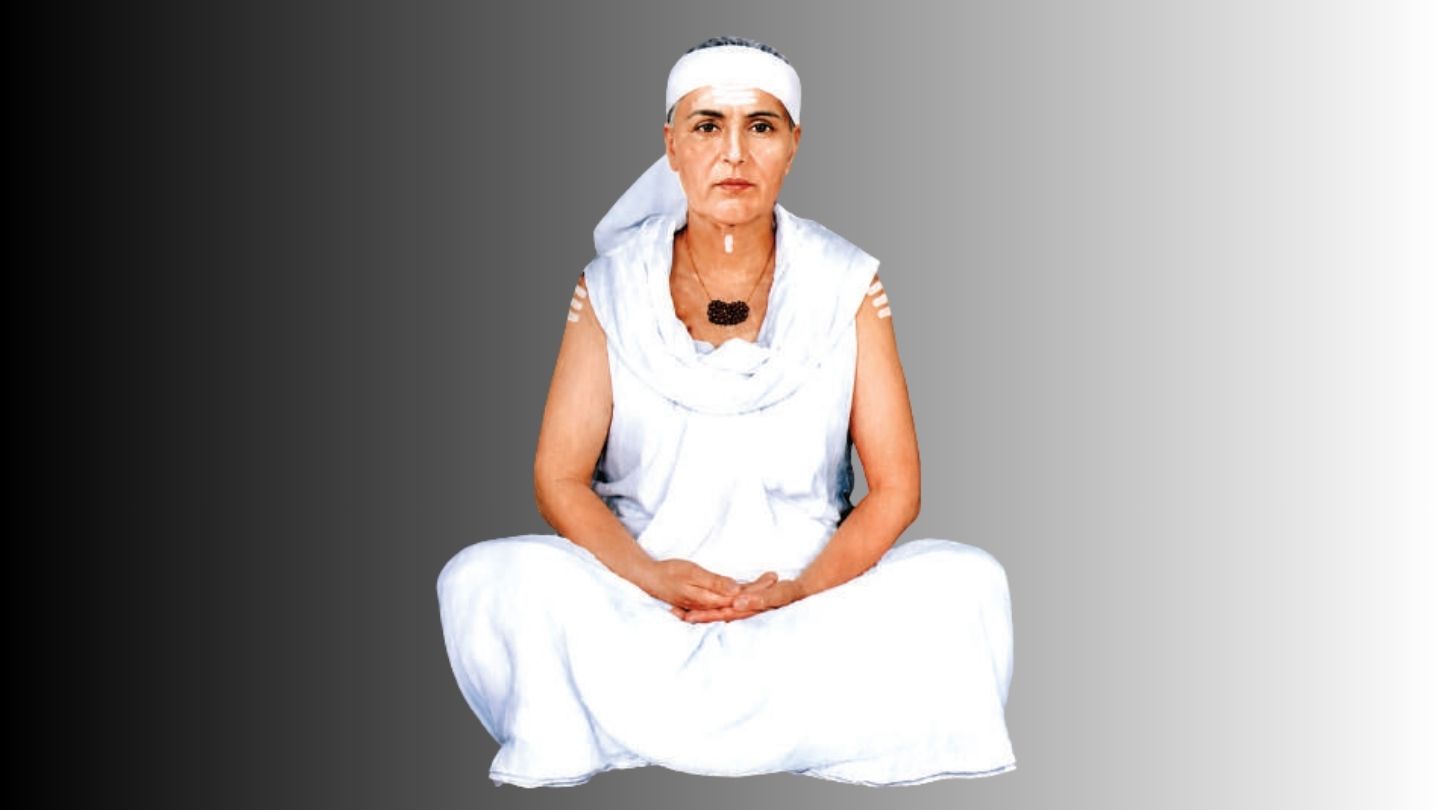
Contribution of Historical Warrior and Social Reformer Yogmaya
Yogmaya is known as a historical warrior, social reformer, and Nepal’s first female ascetic social and political rebel who fought against harmful practices in Nepali society. Scholars and experts have suggested that she should be honored as a National Luminary, stating that despite her notable contribution to social change, she has not yet been recognized as a “National Luminary.”
Struggle Against Child Marriage and Harmful Practices
According to available information, Yogmaya was born around 145 years ago, in 1924 BS, in Majhuwabesi of Bhojpur. She was married at a young age. Widowed at an age when she did not even understand the meaning of marriage, she had to face extremely difficult circumstances as a widow in the society of that time. Although it was difficult for a widow to survive in that society, she refused to follow Sati and struggled against the old social beliefs of the time.
According to Dr. Janu Adhikari, a professor at Padma Kanya Campus, the treatment Yogmaya faced in that period and the resistance she showed are considered highly courageous and inspiring even today. She opposed the Sati system, advocated widow remarriage, and began religious education for women. She also raised awareness against harmful practices such as untouchability by eating together with Dalits and those referred to as lower-class people.
24-Point Demand Submitted to the Rana Ruler
According to Madan Puraskar-winning writer Neelam Karki Niharika, Yogmaya submitted a 24-point memorandum to the then Rana Prime Minister Juddha Shumsher, demanding social reform and a righteous state.
The memorandum included important issues such as ending child marriage, allowing widows to remarry, allowing women to study the Vedas, and ensuring equality and social justice. Although the Prime Minister assured her that those demands would be fulfilled, they were later ignored.
Attempted Self-Immolation and Collective Jal Samadhi
After the Rana government ignored the demands for reform, Yogmaya and her 240 followers decided in 1995 BS to carry out a collective act of protest on the bank of the Arun River.
However, the Rana rulers arrested all of them and imprisoned them. After their release from prison, when no change was seen in society, 68 followers under Yogmaya’s leadership took collective Jal Samadhi in the Arun River in Bhojpur on Ashadh Shukla Ekadashi, 1998 BS. This event is regarded as one of the most courageous and unique peaceful rebellions in Nepali history.
Yogmaya’s Contribution and Relevance
Dr. Govindman Singh Karki, who completed a PhD on Yogmaya’s life and struggle, has also published a book titled “Samaj Sudharak Yogmaya.” According to senior writer Krishna Dharabasi, Yogmaya advocated a classless, casteless, and exploitation-free society with revolutionary thinking.
Scholars have pointed out that Yogmaya’s contribution remains equally relevant for both present and future generations, as she led efforts to end harmful practices including the Sati system, slavery, and untouchability, and to build a just and equitable society.

Comments 0
No comments yet. Be the first to start the conversation.