As specified by the Nepal Rastra Bank Act, 2058, NRB’s roles cannot be limited only to “regulation.” As a central bank, it injects oil into the engine of the economy (liquidity injection), applies the brakes (credit control), and turns the steering (monetary policy).
Here, NRB’s key functions are analyzed in two parts: core macro-economic functions and service delivery.
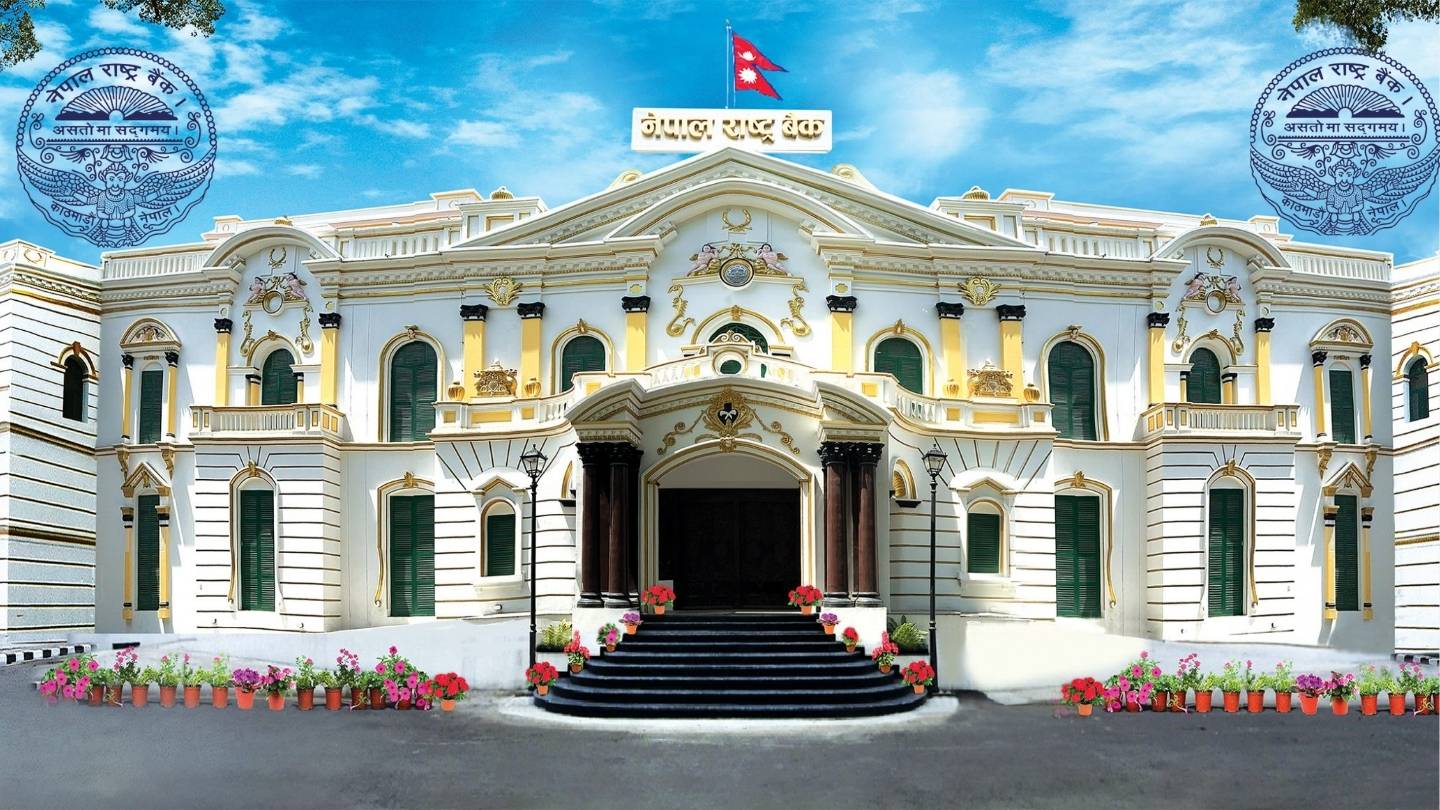
These functions are NRB’s “constitutional duties,” which keep the overall economy dynamic.
Problem: Excessive inflation in the market or an economic slowdown.
NRB’s Role: Issue a monetary policy every year (and through quarterly reviews).
Price Stability: Attempts to keep inflation within a desired limit (for example, within 6.5%) by controlling the money supply.
Interest Rate Corridor: Sets a lower and upper bound to reduce volatility in inter-bank interest rates.
Tools: Uses CRR, SLR, and the Bank Rate to inject money into the market or withdraw it.
Problem: Banks invest public deposits in high-risk areas or fail.
NRB’s Role: “Custodian of Public Trust.”
Licensing: Grants permission to establish banks and financial institutions and classifies them (A, B, C, D).
Directives: Issues “Unified Directives” to set requirements on capital, lending eligibility, and management of non-performing loans (NPL).
On-site Inspection: NRB staff directly visit bank branches to check accounts and records.
Problem: Foreign currency (foreign exchange) runs out to the point that imports become impossible.
NRB’s Role: Guardian of foreign exchange reserves (forex reserves).
Exchange Rate Management: Oversees the pegged exchange rate with the Indian currency and the market rates of other currencies.
Reserve Management: Adopts a policy of maintaining foreign exchange reserves sufficient to cover at least 6–7 months of imports of goods and services.
Problem: Shortage of notes in the market, or circulation of worn-out/counterfeit notes.
NRB’s Role:
Prints new notes with secure features (security printing).
Implements a clean note policy by withdrawing worn-out and old notes from the market, shredding/burning them, and supplying new notes.
These are direct “services” NRB provides to the government, banks, and the public.
When commercial banks face difficulties, NRB is the final support.
Lender of Last Resort: If a bank faces a sudden liquidity crisis, NRB provides special credit to protect the bank.
Inter-bank Settlement: All banks maintain accounts at NRB. Final settlement of cheque clearing and large payments takes place through NRB.
Service:
Operates government accounts (tracking revenue and expenditure).
Provides “overdraft” loans when needed.
Gives independent opinions/suggestions to the government in budget preparation and economic policy.
Debt Management: Issues Treasury Bills and Development Bonds on behalf of the government to raise internal debt.
Problem: The burden and insecurity of carrying cash.
Solution: Leadership for “Digital Nepal.”
RTGS: A system to settle large transactions instantly.
NPS (National Payment Switch): Brings wallets, cards, and QR codes under one umbrella and ensures interoperability.
Regulation: Licenses and regulates institutions such as Fonepay, eSewa, and Khalti.
Facilities the general public can receive directly from NRB:
Concessional Refinancing: During pandemics or crises, NRB provides funds through banks so that industries/businesses can access loans at lower interest rates (for example, 3% to 5%).
Banking Offences and Grievance Handling: If a depositor’s money is misappropriated or a bank causes unauthorized hardship, NRB takes action.
Citizen Saving Bond: Sells government securities to the public with returns higher than typical bank interest.
Foreign Exchange Exchange Facility: Policy arrangements and facilitation for foreign exchange for students (NOC), medical treatment, and travelers.
NRB’s functions are shifting from traditional banking toward green finance and digital currency (CBDC).
Key Achievement: NRB’s strict supervision has played a major role in Nepal’s banking sector being regarded as strong and transparent within South Asia.
Challenge: As problems in the cooperative sector and cyber fraud increase, NRB appears to need to further expand its jurisdiction and technology (SupTech).
(This information is based on the Nepal Rastra Bank Act, 2058, and the Unified Directives.)






.jpg)