



QAA-Receiving Higher Education Institutions in Nepal
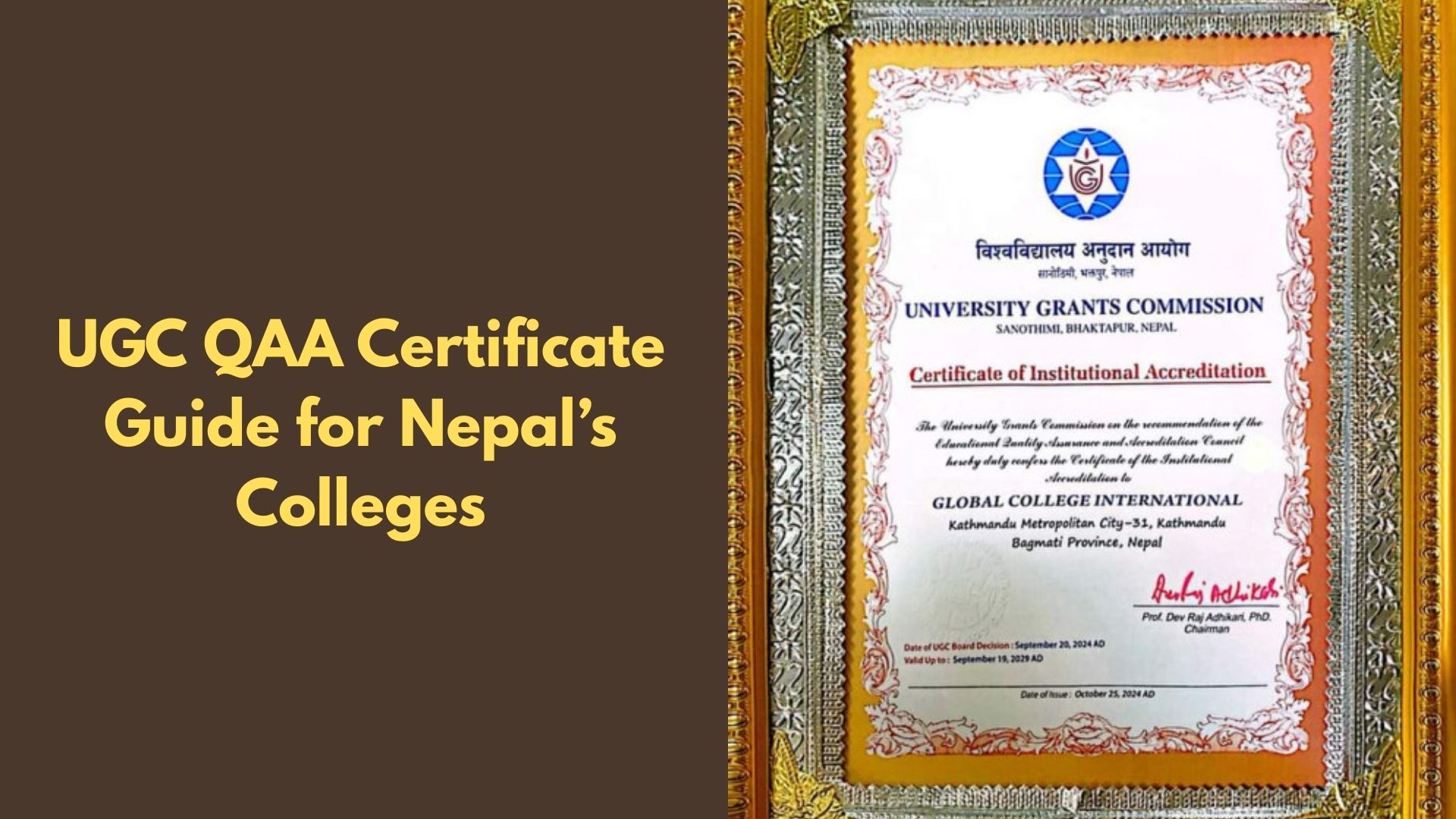
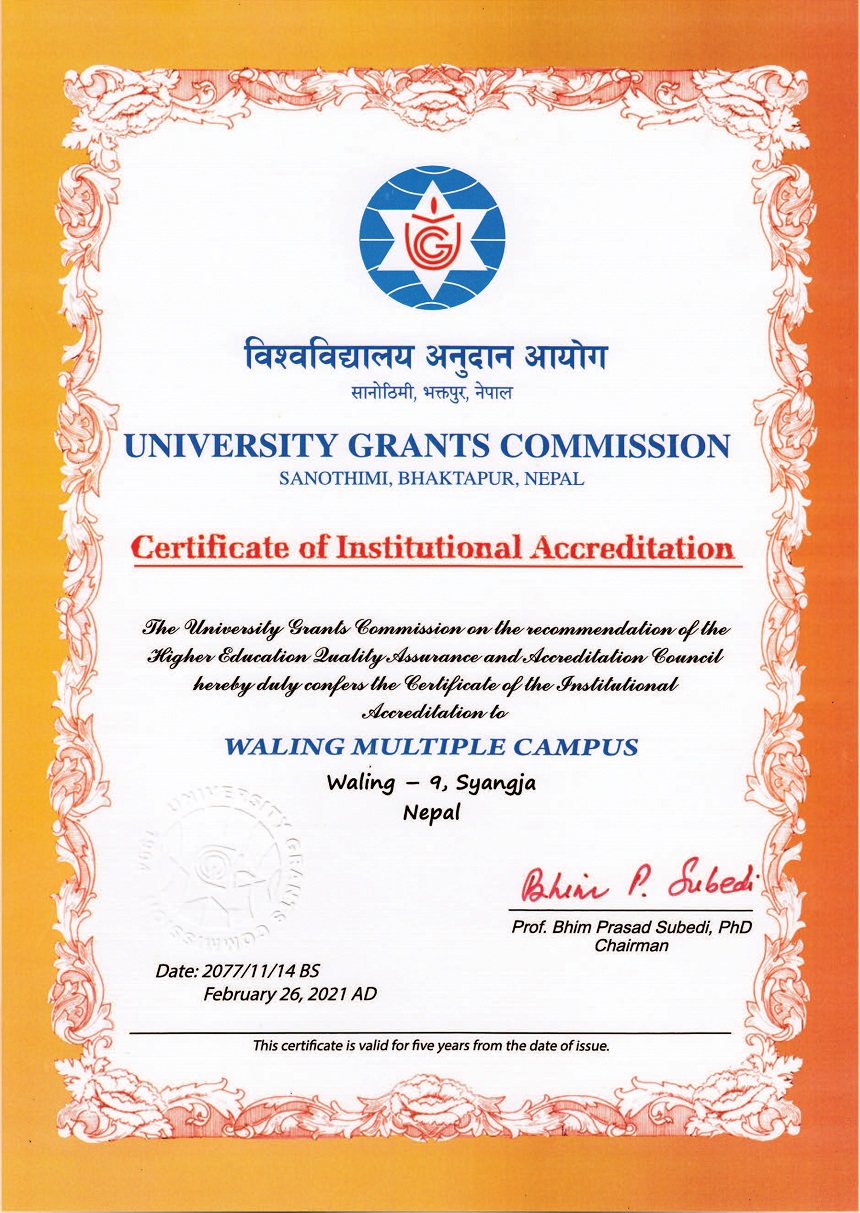
QAA-receiving higher education institutions in Nepal are colleges, campuses, schools, or departments that have received Quality Assurance and Accreditation recognition through Nepal’s University Grants Commission (UGC).
For students and parents, QAA status is useful because it gives a public quality-assurance signal, but it should not be treated as a ranking, degree approval, or job guarantee.
Summary
QAA status in Nepal shows that a higher education institution has gone through a UGC-linked quality assurance and accreditation process. Students should verify the institution name, province, university, accreditation date, expiry date, and status on the official UGC page before relying on any claim. QAA is useful, but it does not replace checking program approval, degree recognition, curriculum, assessment, faculty, facilities, and student support.
Key Takeaways
-
UGC Nepal is the primary source for QAA status.
-
QAA is institutional accreditation, not a degree.
-
Expiry date and status wording matter.
-
Re-accreditation should be checked separately.
-
QAA does not guarantee employment or transfer credit.
-
Program approval still needs separate verification.
-
Counts should be checked on the publication date.
What QAA Means in Nepal
Quality Assurance and Accreditation (QAA) is a formal review process for higher education institutions. Tribhuvan University states that UGC Nepal introduced the QAA system for higher education institutions in 2007.
QAA focuses on institutional quality. It reviews how an institution manages academic programs, governance, resources, student support, and related systems. It does not mean every program at the institution automatically meets every student’s personal, professional, or international requirement.
QAA Certificate vs Degree Recognition
A QAA certificate is not the same as a degree. QAA status applies to the institution, while a degree is awarded through a university or approved academic structure.
Before admission, students should check:
-
Whether the institution is listed by UGC.
-
Whether the chosen program is active and approved.
-
Which university awards the degree.
-
Whether the degree fits future study, licensing, or employment requirements.
-
Whether the institution’s QAA status is current, expired, or under re-accreditation.
This distinction matters for students applying to professional programs, overseas universities, or jobs that require specific degree recognition.
What the UGC QAA List Shows
The official UGC is structured as a verification table. It includes an “Accredited HEIs” section and columns for serial number, institution name, establishment year, province, nature, university, accreditation date, expiry date, status, and website.
The “Nature” column helps readers identify whether the institution is a community campus, constituent campus, private institution, school, or central department. The “University” column helps readers connect the institution to its awarding or affiliated university.
Status Wording Matters
Readers should not read every QAA entry in the same way. UGC entries show different status language, including re-accreditation, preparatory assessment, SSR submission, and cycle-related notes. Some entries on the UGC page include wording such as “Re-accredited,” “Preparatory Assessment for third cycle,” and “SSR Submission for third cycle.”
This means a student should read the status field carefully instead of relying on a badge, poster, or short claim on a college website.
Why QAA Counts Can Differ
QAA counts can differ because sources may count different categories. Some may count accredited HEIs, some may count re-accredited HEIs, and others may include institutions at different stages of review.
The UGC page separates “Accredited HEIs” from status notes that include re-accreditation and cycle-related updates. Because the page contains multiple status types, readers need to check what category is being counted before using any total number.
For publication, the exact current number of QAA-receiving higher education institutions should be verified directly from UGC Nepal on the publication date. A fixed count should not be published unless the editor confirms the count against the latest official UGC record.
How the QAA Process Works
QAA uses self-study and peer review rather than a simple registration process. TU’s Quality Assurance and Accreditation Centre describes the QAA procedure as a four-stage process combining self-study and peer review.
Main Criteria Areas
TU QAAC states that UGC formulated six major criteria for QAA:
-
Governance and leadership
-
Curriculum management
-
Research
-
Knowledge generation and extension or outreach
-
Physical resources
-
Student support services and well-being
-
Human resource
TU QAAC also notes that UGC has started using new indicators in the QAA system.
These criteria show why QAA should be read as an institutional quality process. It is not limited to classroom teaching or exam results.
How Students Should Use QAA Status
Students should use QAA status as one filter, not as the only reason to choose an institution. A QAA-listed institution has gone through formal quality review, but students still need to check the program, cost, location, academic fit, and future pathway.
What to Check Beyond QAA
Students should compare:
-
Program approval and current operation
-
University affiliation or awarding body
-
Curriculum structure
-
Faculty availability
-
Assessment method
-
Library, lab, fieldwork, or practical facilities
-
Student support and grievance process
-
Internship, project, or research requirements
-
Fit with future study or employment plans
This is especially relevant for professional, technical, health-related, engineering, law, management, education, and international-study pathways where separate recognition rules may apply.
Verification Checklist
A careful verification process can prevent readers from relying on outdated or incomplete claims. The official UGC table should be checked before a student, parent, counselor, or editor depends on any QAA claim.
Use this sequence:
-
Open the official UGC QAA-receiving HEIs page.
-
Search the exact institution name.
-
Match the location and province.
-
Check the institution type under “Nature.”
-
Check the university listed.
-
Read the accreditation date and expiry date.
-
Read the status wording without shortening it.
-
Check whether the institution has re-accreditation or cycle-related notes.
-
Visit the institution website only after checking the UGC entry.
-
Confirm the chosen program separately.
For publication or counseling use, save the date on which the UGC entry was checked.
Common Misunderstandings
Misreading QAA status can lead students to make weak admission decisions. QAA is helpful only when readers understand what it does and does not confirm.
QAA Is Not a Ranking
QAA status does not mean one institution is ranked above another. It means the institution has gone through a quality assurance and accreditation process.
QAA Does Not Guarantee Employment
Employers may review degree title, skills, grades, experience, portfolio, interview performance, and institutional reputation. QAA status can support trust in institutional processes, but it does not guarantee a job.
QAA Does Not Replace Program Approval
An institution can have QAA status, but students still need to check whether their selected program is approved, active, and relevant to their pathway.
Expiry Date Should Be Checked
Some QAA claims may remain visible on old brochures or websites. Students should check the UGC expiry date and status field before relying on the claim.
Verification Needed
The exact current number of QAA-receiving higher education institutions in Nepal should be verified on the publication date. UGC Nepal is the primary source, and secondary education portals should not replace official verification.
Before publication, check:
-
The official UGC QAA-receiving HEIs page.
-
Recent UGC notices on QAA certificate distribution.
-
Whether the article counts accredited, re-accredited, or both categories.
-
Whether recently announced institutions have been added to the official UGC table.
-
Whether any visible table formatting issue affects the count.
QAA Certified Colleges List
| QAA-certified college/institution | Address |
|---|---|
| 1. Aadikavi Bhanubhakta Multiple Campus | Damauli, Vyas, Tanahun |
| 2. Achham Multiple Campus | Mangalsen, Achham |
| 3. Aishwarya Multiple Campus | Dhangadhi, Kailali |
| 4. Bagiswori College | Taulachhen, Chyamhasing, Bhaktapur |
| 5. Balkumari College | Narayangarh, Bharatpur, Chitwan |
| 6. Baneshwor Multiple Campus | Shantinagar, Kathmandu |
| 7. Bhairahawa Multiple Campus | Bhairahawa, Siddharthanagar, Rupandehi |
| 8. Bhuwanishankar Multiple College | Bharatpur, Khairahani, Chitwan |
| 9. Biratnagar Nursing Campus | Biratnagar, Morang |
| 10. Birendra Bidhya Mandir Campus | Tikapur, Kailali |
| 11. Boston International College | Hakim Chowk, Bharatpur, Chitwan |
| 12. Butwal Kalika Campus | Ramnagar, Butwal, Rupandehi |
| 13. Central Campus Far-Western University | Mahendranagar, Bheemdatt, Kanchanpur |
| 14. Central Department of Biotechnology | Tribhuvan University | Kirtipur, Kathmandu |
| 15. Central Department of Botany | Tribhuvan University | Kirtipur, Kathmandu |
| 16. Central Department of Education | Tribhuvan University | Kirtipur, Kathmandu |
| 17. Central Department of Environmental Science | Tribhuvan University | Kirtipur, Kathmandu |
| 18. Central Department of Hydrology and Meteorology - Tribhuvan University | Kirtipur, Kathmandu |
| 19. Chaturbhujeshwar Janata Multiple Campus | Sukhepokhari, Hariwan, Sarlahi |
| 20. Chautara Multiple Campus | Chautara Sangachokgadhi, Sindhupalchok |
| 21. Chitwan Medical College | Bharatpur, Chitwan |
| 22. Damak Multiple Campus | Damak, Jhapa |
| 23. Devdaha Adarsha Multiple Campus | Devdaha, Rupandehi |
| 24. Dhawalagiri Multiple Campus | Baglung Bazar, Baglung |
| 25. Dibya Jyoti Multiple Campus | Bardaghat, Parasi |
| 26. Diktel Multiple Campus | Diktel, Diktel Rupakot Majhuwagadhi, Khotang |
| 27. Drabya Shah Multiple Campus | Laxmi Bazar, Gorkha |
| 28. Gaurishankar Multiple Campus | Charikot, Bhimeshwor, Dolakha |
| 29. Ghodaghodi Multiple Campus | Sukhad, Ghodaghodi, Kailali |
| 30. Gorkha Campus | Gorkha |
| 31. Gupteshwor Mahadev Multiple Campus | Chhorepatan, Pokhara, Kaski |
| 32. Haraiya Multiple Campus | Rudrapur, Kanchan, Rupandehi |
| 33. Hari Khetan Multiple Campus | Birgunj, Parsa |
| 34. Hetauda Campus | Hetauda, Makwanpur |
| 35. Hetauda School of Management and Social Sciences | Hetauda, Makwanpur |
| 36. Himalaya College of Engineering | Chyasal-9, Lalitpur |
| 37. J.S. Murarka Multiple Campus | Lahan, Siraha |
| 38. Jana Bhawana Campus | Chapagaun, Godawari, Lalitpur |
| 39. Janajyoti Multiple Campus Sarlahi | Lalbandi, Sarlahi |
| 40. Janamaitri Campus | Kuleshwor, Kathmandu |
| 41. Janapriya Multiple Campus | Pokhara, Kaski |
| 42. Janta Multiple Campus | Itahari, Sunsari |
| 43. Kabhre Multiple Campus | Banepa, Kavrepalanchok |
| 44. Kailali Multiple Campus | Dhangadhi, Kailali |
| 45. Kalika Multiple Campus | Kajipokhari, Pokhara, Kaski |
| 46. Kanchan Vidhya Mandir Community Campus | Bheemdatt, Kanchanpur |
| 47. Kankai Multiple Campus | Surunga, Kankai, Jhapa |
| 48. Kantipur City College | Putalisadak, Kathmandu |
| 49. Kanya Campus Pokhara | Nadipur, Pokhara, Kaski |
| 50. Kapilvastu Multiple Campus | Taulihawa, Kapilvastu |
| 51. Kathmandu BernHardt College | Bafal Marg, Kathmandu |
| 52. Kathmandu School of Law | Suryabinayak, Bhaktapur |
| 53. Kathmandu Shiksha Campus | Satungal, Kathmandu |
| 54. Kathmandu University School of Arts | Hattiban, Lalitpur |
| 55. Kathmandu University School of Education (KUSoEd) | Hattiban, Lalitpur |
| 56. Kathmandu University School of Engineering | Dhulikhel, Kavrepalanchok |
| 57. Kathmandu University School of Science | Dhulikhel, Kavrepalanchok |
| 58. Khwopa College of Engineering | Libali, Bhaktapur |
| 59. King's College | Babar Mahal, Kathmandu |
| 60. Koteshwor Multiple Campus | Jadibuti, Kathmandu |
| 61. Kumarwarti Multiple Campus | Kawasoti, Nawalpur |
| 62. Lamjung Campus | Sundarbazar, Lamjung |
| 63. Lumbini Banijya Campus | Devinagar, Butwal, Rupandehi |
| 64. Madan Bhandari Memorial College | New Baneshwor, Kathmandu |
| 65. Madhyabindu Multiple Campus | Kawasoti, Nawalpur |
| 66. Mahakavi Devkota Campus | Sunwal, Parasi |
| 67. Maharajgunj Nursing Campus | Maharajgunj, Kathmandu |
| 68. Mahendra Ratna Multiple Campus, Ilam | Ilam |
| 69. Maiya Devi Girl's College | Bharatpur, Chitwan |
| 70. Makwanpur Multiple Campus | Hetauda, Makwanpur |
| 71. Mangalbare Multiple Campus | Deumai, Ilam |
| 72. Manmohan Memorial Institute of Health Sciences | Solteemode, Kathmandu |
| 73. Manthali Sahid Smriti Multiple Campus | Manthali, Ramechhap |
| 74. Marsyangdi Multiple Campus | Besishahar, Lamjung |
| 75. Mechi Multiple Campus | Bhadrapur, Jhapa |
| 76. Mid-West University School of Management | Birendranagar, Surkhet |
| 77. Myagdi Multiple Campus | Phulbari, Beni, Myagdi |
| 78. National Academy of Science and Technology (Dhangadi Engineering College) | Uttar Behadi, Dhangadhi, Kailali |
| 79. National College of Computer Studies (NCCS) | Paknajol, Kathmandu |
| 80. Nava Kshitiz Campus | Bardibas, Mahottari |
| 81. NCTTM - IST College | Gyaneshwor, Opposite to German Embassy, Kathmandu |
| 82. Nesfield International College | Gyan Griha, Batukbhairabsthan, Lagankhel, Lalitpur |
| 83. Nilkantha Multiple Campus | Dhading Besi, Neelakantha, Dhading |
| 84. Parroha Multiple Campus | Murgiya, Ramnagar, Sainamaina, Rupandehi |
| 85. Pashchimanchal Campus | Institute of Engineering | Lamachaur, Pokhara, Kaski |
| 86. Pokhara Campus | Institute of Forestry | Hariyokharka, Pokhara, Kaski |
| 87. Pokhara Multiple Campus | Nayabazar, Pokhara, Kaski |
| 88. Pokhara Nursing Campus | Ramghat, Pokhara, Kaski |
| 89. Pokhara University, School of Health and Allied Sciences | Dhungepatan, Pokhara, Kaski |
| 90. Prithvi Narayan Campus | Bagar, Pokhara, Kaski |
| 91. Pulchowk Campus | Institute of Engineering | Pulchowk, Lalitpur |
| 92. Quest International College | Gwarko, Lalitpur |
| 93. Rammani Multiple Campus | Aanandaban, Tilottama, Rupandehi |
| 94. Rapti Babai Campus | Tulsipur, Dang |
| 95. Resunga Multiple Campus | Tamghas, Resunga, Gulmi |
| 96. Rupandehi Campus | Bhairahawa, Siddharthanagar, Rupandehi |
| 97. Sahid Narayan Pokharel Ramapur Campus | Sainamaina, Rupandehi |
| 98. Saptagandaki Multiple Campus | Bharatpur, Chitwan |
| 99. School of Business | Pokhara University | Dhungepatan, Pokhara, Kaski |
| 100. Shaheed Smriti Multiple Campus | Bharatpur, Ratnanagar, Chitwan |
| 101. Siddhajyoti Education Campus | Phrosetar, Kamalamai, Sindhuli |
| 102. Siddhartha Campus | Banganga, Kapilvastu |
| 103. Siddhartha Gautam Buddha Campus | Butwal, Rupandehi |
| 104. Sindhuli Multiple Campus | Sindhulimadi, Kamalamai, Sindhuli |
| 105. Sirjana College of Fine Arts | Uttar Dhoka Sadak, Lazimpat, Kathmandu |
| 106. St. Xavier's College, Maitighar | Maitighar, Kathmandu |
| 107. Sukuna Multiple Campus | Indrapur, Sundarharaicha, Morang |
| 108. Tej Ganga Multiple Campus | Kapalkot, Panauti, Kavrepalanchok |
| 109. Thapathali Campus | Institute of Engineering | Thapathali, Kathmandu |
| 110. Tikapur Multiple Campus | Tikapur, Kailali |
| 111. Tridev Multiple Campus | Charali, Mechinagar, Jhapa |
| 112. Triyuga Janata Multiple Campus | Ghaighat, Triyuga, Udayapur |
| 113. Uniglobe College | New Baneshwor, Kathmandu |
| 114. Waling Multiple Campus | Waling, Syangja |
Total 114 Colleges / Campuses QAA Certified till April, 2026.
Conclusion
QAA-receiving higher education institutions in Nepal should be checked through the official UGC list, with attention to institution name, province, nature, university, accreditation date, expiry date, and status. QAA is a quality-assurance signal, but it is not a ranking, degree guarantee, or employment guarantee.
For students and parents, the practical use of QAA is verification. First check the institution’s official QAA status, then verify the program, degree-awarding university, academic resources, student support, and fit with future plans.




Comments 0
No comments yet. Be the first to start the conversation.