



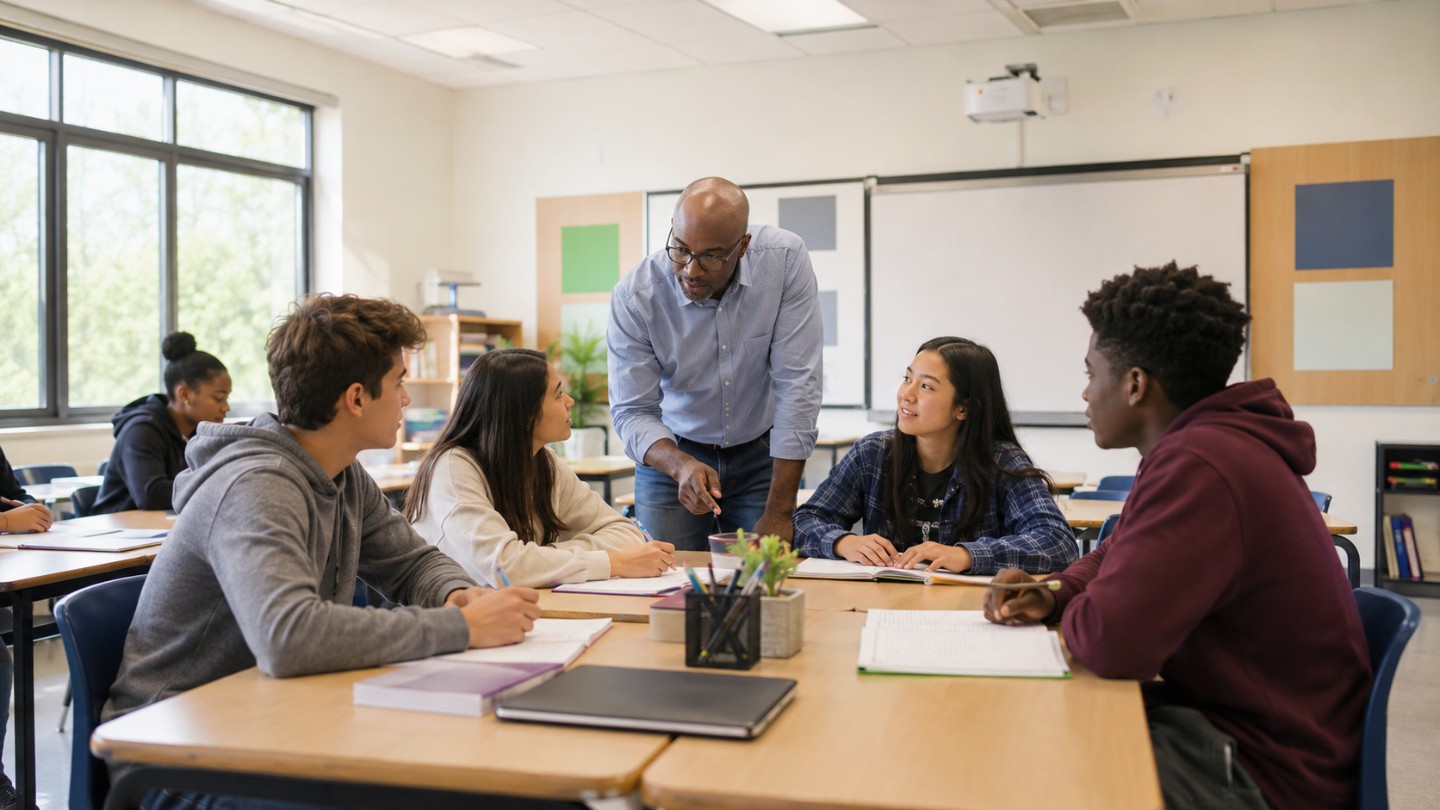
Classroom environment affects student learning by shaping the conditions in which students pay attention, participate, practice, make mistakes, and feel safe enough to ask for help. It includes the physical room, the social climate, the emotional tone, and the routines that guide learning.
A student who cannot hear instructions, cannot see the board, feels embarrassed to answer, or spends too much mental energy guessing what to do next has less attention left for the lesson. The classroom does not replace teaching quality, curriculum, assessment, family support, or school leadership. It does, however, make learning easier or harder every day.
Research on classroom design, air quality, school connectedness, and classroom routines points to a careful conclusion: classroom environment is one influence on learning, not a single cause of academic success. A study of classroom design and pupils' learning examined 153 classrooms in 27 schools and linked physical classroom features with variation in pupils' academic progress.
Answer Summary:
Classroom environment affects student learning through attention, comfort, behavior, participation, and belonging. A strong classroom environment reduces barriers that distract or exclude students. The most useful improvements are practical: improve visibility, reduce avoidable noise and clutter, teach routines clearly, support respectful relationships, and make the room accessible for different learners.
Table of Content
- What Is Classroom Environment?
- Why Classroom Environment Matters for Learning
- How Classroom Climate Affects Participation
- Why Classroom Routines Matter
- Inclusion and Access in the Classroom
- Classroom Environment Audit for Teachers
- What School Leaders Should Check
- Limits of Classroom Environment Changes
- Conclusion
Key Takeaways:
-
Classroom environment includes space, climate, routines, and access.
-
Physical comfort affects attention and participation.
-
Noise, clutter, poor sightlines, and unclear routines add friction.
-
Belonging and respectful relationships support student participation.
-
Classroom routines protect learning time.
-
Inclusive classrooms give students fair access to instruction.
-
Classroom changes work best when paired with strong teaching.
What Is Classroom Environment?
Classroom environment is the full set of conditions students experience while learning. It is not limited to decoration, furniture, posters, or seating plans.
A useful classroom environment has four connected layers:
Physical layer: light, air, sound, temperature, seating, displays, furniture, materials, and movement space.
Social layer: teacher–student relationships, peer interaction, cooperation, fairness, and classroom norms.
Emotional layer: safety, belonging, confidence, trust, and how mistakes are handled.
Instructional layer: routines, expectations, feedback, transitions, lesson clarity, and access to learning materials.
This definition matters because classroom environment is often reduced to how a room looks. A colorful classroom can still be noisy, confusing, uncomfortable, or unfair. A plain classroom can support learning well if students can see, hear, move safely, understand expectations, and participate with dignity.
For related reading, Collegenp’s article on the impact of teaching styles on student learning and engagement connects classroom conditions with how teachers structure learning.
Why Classroom Environment Matters for Learning
Classroom environment matters because learning requires attention, emotional safety, and repeated practice. When the room or routine creates confusion, students spend attention on the barrier instead of the task.
A classroom can affect learning in several practical ways:
-
It affects whether students can hear and see instruction.
-
It affects whether students feel safe enough to ask questions.
-
It affects how much time is lost during transitions.
-
It affects whether quiet, disabled, multilingual, anxious, or newer students can participate.
-
It affects whether students experience mistakes as part of learning or as embarrassment.
The point is not to create a perfect classroom image. The point is to reduce friction. A good classroom environment makes the learning task clearer, fairer, and easier to enter.
How the Physical Classroom Affects Learning
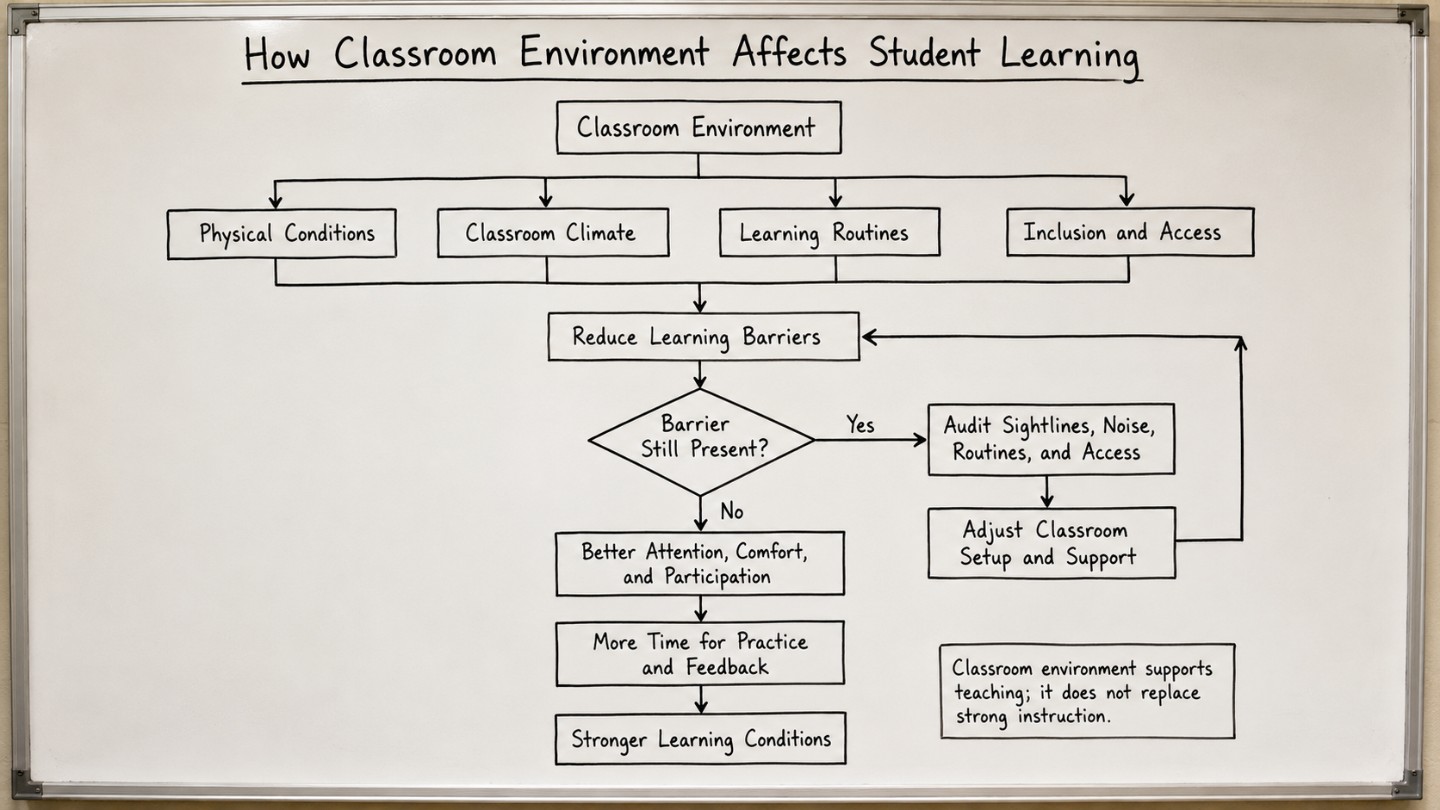
The physical classroom affects learning by shaping what students can see, hear, breathe, reach, and ignore. These conditions matter because students have limited attention.
Light, Air, and Temperature
Light, air, and temperature are learning conditions, not only building issues. A room that is too hot, too cold, poorly ventilated, damp, or prone to glare can make it harder for students to stay alert and engaged.
The U.S. Environmental Protection Agency states that children in classrooms with higher outdoor air ventilation rates tend to achieve higher standardized test scores in math and reading than those in poorly ventilated classrooms. This should be read carefully: ventilation alone does not guarantee achievement, but indoor air quality and student performance are legitimate learning-condition concerns.
Teachers may not control the building system, but they can still act. They can move students away from glare, keep vents clear, report recurring heat or air problems, and document when discomfort disrupts learning.
School leaders should treat repeated complaints about heat, dampness, odor, glare, or stuffy rooms as instructional concerns, not only maintenance issues.
Noise and Listening Conditions
Noise affects learning when it blocks speech, increases distraction, or makes students work harder to follow directions. Classroom noise can come from traffic, fans, nearby rooms, furniture movement, crowded transitions, or group work without clear expectations.
The goal is not silence throughout the school day. Discussion, collaboration, reading aloud, and practice create useful sound. The concern is avoidable noise that prevents students from hearing, thinking, or participating.
Teachers can minimize noise disruptions by giving directions before movement begins, writing task steps where students can see them, seating students with hearing needs carefully, and teaching voice-level routines.
Visual Displays and Attention
Visual displays help when they support current learning. They may include vocabulary, diagrams, student examples, reading strategies, number lines, routines, or project steps.
Displays become a problem when they are crowded, outdated, unreadable, or unrelated to the lesson. Too much visual material can compete for attention, especially for younger learners and students who are easily distracted.
A useful display should pass a simple test: does it help students with the learning task now? If not, it may be better removed, rotated, or moved to a less distracting area.
Seating, Movement, and Access
Seating affects learning by shaping visibility, discussion, peer interaction, movement, and access to help. Rows, pairs, groups, circles, and flexible arrangements can all work when they match the lesson purpose.
A direct explanation may need clear sightlines. A debate may need students facing one another. Group work may need shared materials. Independent reading may need fewer distractions.
No seating arrangement works for every lesson. The layout should fit the learning goal, student needs, room size, and safety.
How Classroom Climate Affects Participation
Classroom climate affects learning by shaping whether students feel respected enough to participate. A student who fears ridicule, unfair correction, or exclusion may stay quiet even when they need help.
Belonging and School Connectedness
Belonging supports learning because students participate more readily when they believe adults and peers care about them and their learning. The CDC defines school connectedness as students feeling that adults and peers in school care about them as individuals and about their learning. The CDC also connects school connectedness with attendance, grades, test scores, and graduation outcomes.
In daily classroom life, belonging is built through visible habits:
-
using students’ names;
-
applying rules fairly;
-
listening to questions without ridicule;
-
correcting behavior without humiliation;
-
giving quiet students structured ways to contribute;
-
making examples and materials respectful of different backgrounds.
A classroom does not need to be casual to be supportive. It can be warm, orderly, and academically demanding at the same time.
Mistakes and Academic Risk
Students learn through attempts, errors, feedback, and revision. If mistakes lead to embarrassment, students may avoid the work that would help them improve.
A healthy classroom treats mistakes as information. A wrong answer can show what needs reteaching. A draft can show what needs revision. A confused question can reveal a shared gap in understanding.
This does not lower standards. It makes the path toward the standard clearer.
Peer Interaction and Classroom Tone
Peer behavior shapes classroom climate. If a few confident students dominate discussion, the room may appear active while many students remain silent.
Teachers can widen participation through:
-
thinking time before answers;
-
pair discussion before whole-class responses;
-
written response options;
-
rotating group roles;
-
small whiteboards or exit tickets;
-
sentence starters for discussion;
-
structured ways to disagree respectfully.
These routines help more students enter the lesson, not only those who answer quickly.
Why Classroom Routines Matter
Classroom routines matter because they reduce confusion and protect learning time. When students know what to do, where to go, how to ask for help, and how to move between tasks, more attention can go toward learning.
AERO explains that classroom routines are recurring tasks taught by the teacher and practiced by students until they become automatic. Efficient routines reduce wasted learning time and help free students’ working memory for learning.
Useful classroom routines include:
-
entering the room;
-
collecting materials;
-
asking for help;
-
moving into pairs or groups;
-
using devices;
-
responding to questions;
-
submitting work;
-
transitioning between activities;
-
ending the lesson.
Routines should be taught, modeled, practiced, and revisited. Telling students once is not enough. They need to see the routine, practice it, receive feedback, and understand why it supports learning.
This connects closely with Collegenp’s article on effective learning strategies for school students, because classroom routines help students use learning strategies consistently.
Inclusion and Access in the Classroom
An inclusive classroom environment removes unnecessary barriers so more students can participate with dignity. Inclusion is visible in sightlines, sound, materials, examples, language, routines, and participation options.
A classroom should be checked for students who may experience barriers related to hearing, vision, mobility, attention, language, anxiety, disability, prior schooling, or unfamiliar cultural examples.
Useful access questions include:
-
Can every student see the main teaching area?
-
Can students hear instructions without strain?
-
Are materials within reach?
-
Are pathways clear?
-
Are displays readable?
-
Are spoken instructions also visible in writing when needed?
-
Can students participate through speaking, writing, pair work, drawing, or short written responses when suitable?
-
Do examples and displays respect different backgrounds?
For multilingual classrooms, including many classrooms in Nepal, language access needs careful attention. A student may understand a concept before they can explain it confidently in the school language. Vocabulary previews, visual examples, pair discussion, sentence starters, and written response options can help students show understanding more fairly.
For a related inclusion topic, see Collegenp’s article on challenges students with disabilities face in the classroom.
Classroom Environment Audit for Teachers
A classroom environment audit helps teachers identify barriers that students face during ordinary lessons. The aim is not to redesign the room at once. The aim is to find what is making learning harder than it needs to be.
One-Week Audit Questions
During one week of lessons, observe these areas:
Visibility: Who struggles to see the board, screen, demonstration, or teacher?
Sound: When do students ask for repetition? Which parts of the room make listening harder?
Movement: Where do students bump into furniture, crowd pathways, or waste time getting materials?
Attention: Which displays, objects, devices, or routines compete with the lesson?
Routines: Which transitions take too long or create repeated questions?
Participation: Who speaks often? Who rarely contributes? Which students need another route into discussion?
Belonging: Do correction, feedback, examples, and displays communicate fairness and respect?
Low-Cost Classroom Changes
Start with one or two changes that solve a specific problem.
Possible actions include:
-
move students who cannot see or hear well;
-
clear blocked pathways;
-
remove outdated or unrelated wall materials;
-
place current lesson supports where students can use them;
-
label shared materials;
-
write task steps visibly;
-
teach one transition routine again;
-
add thinking time before asking for responses;
-
use pair discussion before whole-class answers;
-
correct behavior privately when possible;
-
ask students what helps them focus.
Small changes are easier to sustain when they are connected to a real classroom barrier.
What School Leaders Should Check
School leaders influence classroom environment through maintenance, timetable design, furniture, class size decisions, behavior policy, inclusion support, teacher coaching, and budget priorities.
A teacher can adjust routines, seating, displays, and material organization. School leaders may need to address overcrowding, unsafe furniture, broken lighting, poor ventilation, dampness, toilets, accessibility, or excessive noise between rooms.
A leadership review should include:
-
recurring heat, cold, dampness, or odor complaints;
-
ventilation and maintenance records;
-
lighting and glare problems;
-
rooms where students cannot hear clearly;
-
accessibility for students with mobility or sensory needs;
-
furniture condition and movement space;
-
classroom crowding;
-
behavior policies that create clarity rather than fear;
-
teacher support for routines and classroom management.
Student voice can help. Short questions such as “Where is it hardest to focus?” or “What helps you participate?” may reveal barriers adults have stopped noticing.
This issue also connects with wider concerns about quality of education in Nepal, especially where infrastructure, teacher support, and classroom conditions affect daily learning.
Limits of Classroom Environment Changes
Classroom environment matters, but it does not replace strong teaching. A calm room with weak instruction will not lead to deep learning. A colorful room without clear routines can become confusing. A respectful classroom without challenging tasks may feel pleasant but still under-serve students.
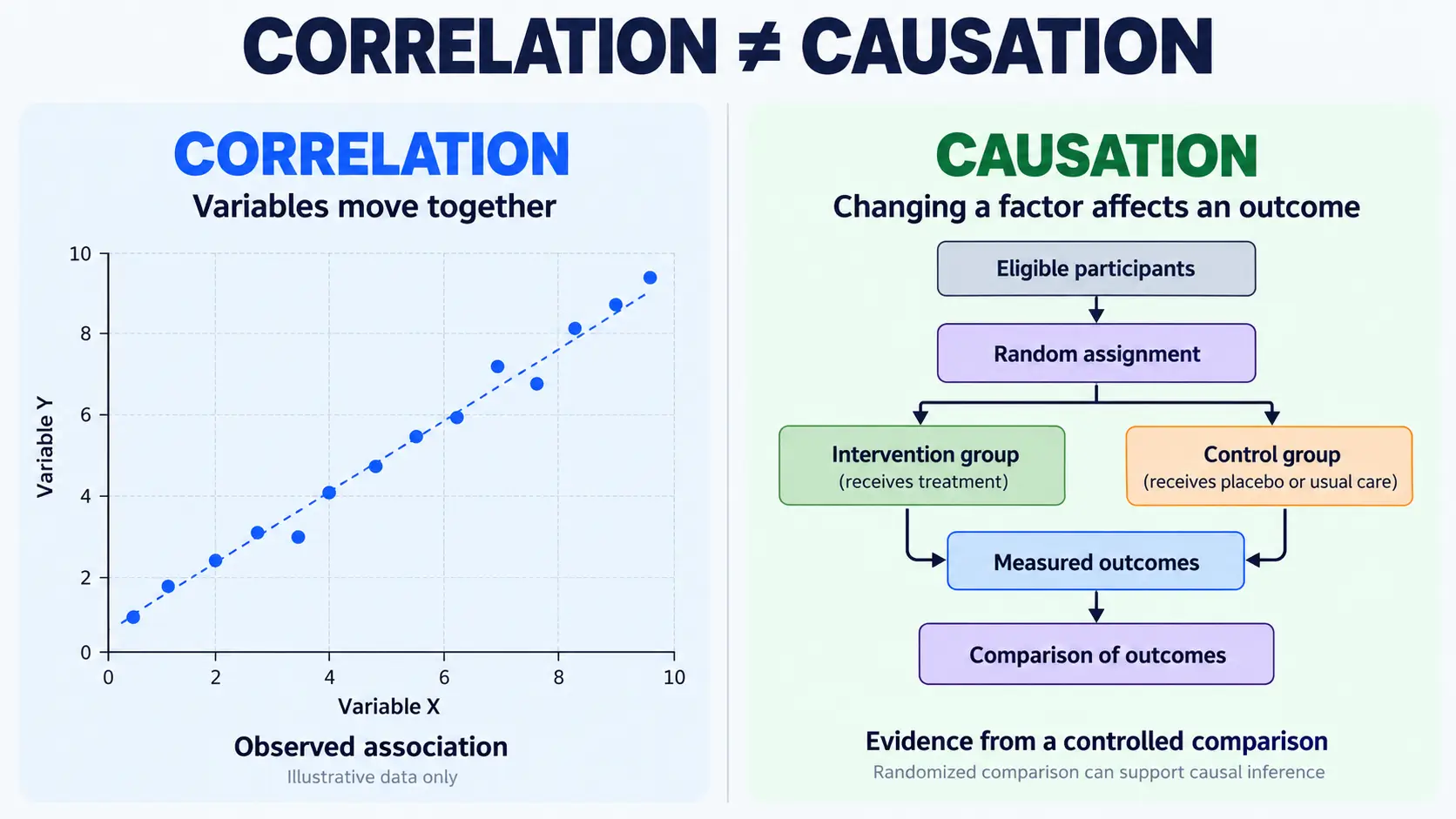
Evidence should also be read carefully. Some findings are correlational. Some studies focus on specific age groups, school systems, or classroom types. A finding from one context should not be stretched into a rule for every classroom.
Good editorial guidance is cautious: improve the conditions that make learning easier, but do not claim that one classroom change will solve all learning problems.
Conclusion
Classroom environment affects student learning because it shapes attention, comfort, behavior, participation, and belonging. Students learn more easily when they can see and hear clearly, breathe comfortably, understand routines, access materials, feel respected, and participate without fear of ridicule.
The most useful classroom improvements are not cosmetic. They reduce barriers: better sightlines, reduced avoidable noise, clearer routines, relevant displays, respectful feedback, accessible materials, and inclusive participation structures.
For teachers, the next step is a simple classroom audit. For school leaders, the next step is to treat classroom conditions as part of learning quality, not only as facilities management.




Comments 0
No comments yet. Be the first to start the conversation.