



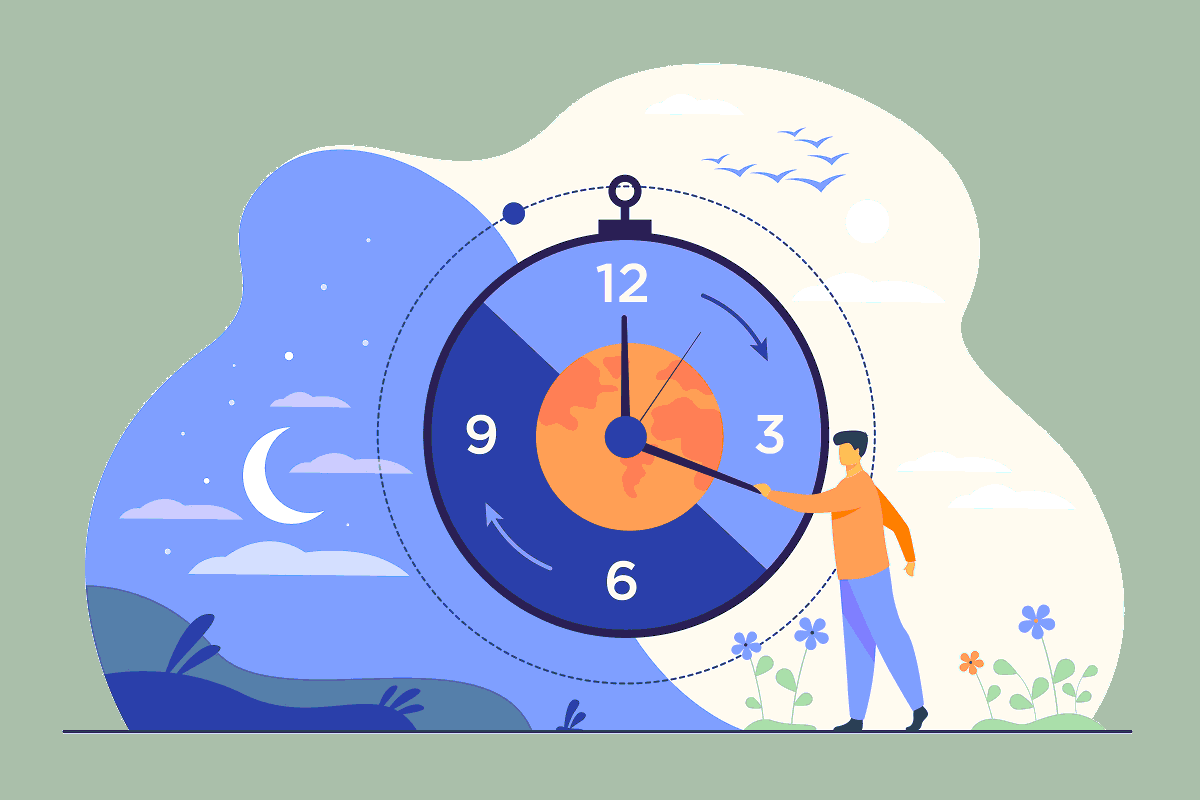
Time management for students means planning how to spend time on classes, homework, revision, assignments, exams, rest, and personal responsibilities. It does not mean studying every hour. It means knowing what needs attention first and giving important work enough time before deadlines become stressful.
Students often lose time because tasks stay unclear. A student may know there is an exam next week but may not know which topic to revise today. Another student may sit with books for two hours but finish little because the goal was too broad. Time management turns general pressure into clear action: revise one topic, solve ten questions, write one draft, review one weak area, or prepare for one test section.
This guide explains why time management matters, which mistakes students should avoid, and how to create a realistic weekly plan. It also explains the limit of time management: a timetable can support learning, but it cannot replace attention, practice, feedback, sleep, or understanding. UC San Diego describes spaced practice as spreading exam preparation across several sessions instead of relying on one long cramming session. Dunlosky, Rawson, Marsh, Nathan, and Willingham rated distributed practice and practice testing as high-utility learning methods in their review of learning techniques.
Answer Summary:
Time management is important for students because it helps them plan study, assignments, revision, exams, rest, and personal responsibilities in an organized way. A realistic plan can reduce last-minute pressure, improve focus, support exam preparation, and protect health. It works best when students set priorities, study in focused blocks, review progress, and keep enough time for sleep.
Table of Content
- What Is Time Management for Students?
- Why Is Time Management Important for Students?
- Common Time Management Mistakes Students Make
- Practical Time Management Tips for Students
- Simple Weekly Time Management Plan for Students
- Role of Parents and Teachers
- Conclusion
Key Takeaways:
-
Time management is planning, not overloading.
-
Clear priorities reduce deadline pressure.
-
Specific study goals improve focus.
-
Spaced revision supports exam preparation.
-
Rest belongs in the timetable.
-
Weekly review keeps plans realistic.
-
Adult support should build independence.
What Is Time Management for Students?
Time management for students is the ability to plan, prioritize, and review how time is spent on academic and personal responsibilities. It includes task lists, deadlines, study timetables, revision blocks, breaks, and weekly review.
A useful system does not need to control every minute. It should answer four simple questions: What is due soon? What is difficult? What needs repeated practice? What can wait? When students answer these questions before studying, they can use their stronger study time for work that matters more.
A study timetable is one tool inside time management. The wider goal is a balanced routine that includes learning, practice, revision, sleep, meals, movement, and personal time.

Why Is Time Management Important for Students?
Time management is important because it helps students handle academic work with less confusion and more control. It supports steady study habits, stronger preparation, healthier routines, and better daily choices.
It Reduces Last-Minute Pressure
Time management reduces last-minute pressure by spreading work across several days or weeks. When students start assignments and revision earlier, they have more time to understand instructions, ask questions, correct errors, and practise weak topics.
This does not remove all pressure from student life. Tests, deadlines, and schoolwork can still feel demanding. The difference is that planned work is easier to handle than rushed work.
It Improves Study Quality
Time management improves study quality when each study session has a clear goal. “Study science” is too broad. “Revise photosynthesis notes and answer five short questions” is easier to complete and check.
Learning quality also depends on method. Reading notes again and again is not the same as testing memory or solving questions. The American Psychological Association recommends study approaches such as quizzing yourself, remembering and repeating, and adapting study strategies to the task.
It Helps With Exam Preparation
Time management helps exam preparation because revision needs repetition. A student who begins early can divide subjects into topics, practise questions, review mistakes, and return to weak areas before the exam.
UC San Diego explains that spaced practice distributes exam preparation across several sessions. This gives students a stronger structure than leaving revision for one long session near the exam.
It Protects Rest and Health
Time management protects rest when sleep, meals, breaks, and movement are included in the plan. A timetable that removes sleep may look productive for one day, but it is not a sustainable routine.
The CDC states that the recommended sleep amount for high school students is 8 hours each day and classifies less than that as insufficient sleep. This is general educational information, not medical advice.
It Builds Better Daily Decisions
Time management helps students make better daily decisions because it makes deadlines, difficulty, and priority visible. When students compare tasks before starting, they are less likely to spend the whole evening on easy work while delaying a difficult chapter or assignment.
The University of Waterloo advises students to keep a calendar, do the most important work first, learn when to say no, and allow time to relax.
Common Time Management Mistakes Students Make
Most time management mistakes come from unclear goals, unrealistic schedules, digital distraction, and delayed revision. These habits can be corrected with a simpler and more honest plan.
Studying Without a Clear Goal
Studying without a clear goal wastes time because the student may sit with books but finish little. Each session should have a defined result, such as solving a worksheet, revising two pages of notes, writing an outline, or testing memory.
A clear goal also makes review easier. At the end of a study block, the student can ask: Did I complete the task? What still needs work? What should I do next?
Delaying Difficult Subjects
Difficult subjects need earlier attention because they often require more practice. Delaying them increases pressure and leaves less time for questions, corrections, and revision.
Valente, Dominguez-Lara, and Lourenço studied planning time management in school activities and its relation to procrastination among 506 students from basic schools in northern Portugal. The study supports the link between planning, study behavior, and procrastination, but it should not be read as proof that one method works for every student.
Making an Unrealistic Timetable
An unrealistic timetable ignores school hours, travel, meals, family duties, rest, and unexpected delays. When the plan fails again and again, the student may blame discipline, but the real problem may be that the schedule is too crowded.
A practical timetable leaves buffer time. It also places harder work during periods when the student is more alert.
Depending on Last-Minute Study
Last-minute study can help with short recall, but it is weak for deeper understanding. Exam preparation works better when students return to topics several times and test what they remember.
This is why revision should begin before exam pressure becomes urgent. Students need time to read, recall, practise, correct mistakes, and return to weak areas.
Practical Time Management Tips for Students

Students manage time better when the system is simple enough to repeat. A strong plan should be clear, flexible, and easy to review.
Start With a Task List
A task list helps students see all pending work in one place. Include homework, tests, projects, reading, revision, assignments, and personal duties.
After listing tasks, mark them by deadline and difficulty. Work that is both urgent and important should come first. Difficult work that is not urgent should still receive early time.
Use Focused Study Blocks
Focused study blocks work better than vague study hours. A block may be 25, 40, or 50 minutes, depending on age, subject, and attention level. The key is to choose one task for one block.
Useful study block examples include:
-
Solve ten algebra problems.
-
Revise one history topic.
-
Write the first paragraph of an essay.
-
Practise one past-paper section.
-
Review mistakes from yesterday’s test.
Cornell Learning Strategies Center advises limiting study blocks on one course and taking breaks during study.
Reduce Digital Distractions
Digital distraction often breaks focus before students notice how much time is lost. During a study block, students can keep the phone away, turn off non-essential notifications, close unrelated tabs, and keep only the materials needed for that task.
This does not mean students must avoid technology. Digital calendars, reminders, and timers can be useful when they support the plan instead of interrupting it.
Review the Plan Weekly
Weekly review helps students improve the timetable instead of repeating the same mistakes. The review can ask: What was completed? What was delayed? Which subject needs more time? Which distraction caused the biggest loss? What should change next week?
Cornell Learning Strategies Center notes that semester and weekly calendars help students plan longer goals, reduce wasted time, and stay organized.
Simple Weekly Time Management Plan for Students
A weekly plan should match the student’s class schedule, subjects, exam calendar, and home responsibilities. A simple structure is easier to follow than a crowded hour-by-hour chart.
| Time Frame | Main Focus | Practical Note |
|---|---|---|
| Sunday to Thursday | Classwork, homework, short revision, weak-topic practice | Keep daily tasks small and steady. |
| Friday | Weekly review, pending assignments, light revision | Check what was completed and what needs attention. |
| Saturday | Longer revision, project work, model questions, rest | Use longer free time for deeper study and recovery. |
| Before exams | Topic-wise revision, question practice, error correction | Start early and revise in stages. |
| Daily | Sleep, meals, movement, personal time | Protect health while planning study. |
This plan can be changed for schools or colleges that follow different weekly schedules. The main idea is to balance daily work, weekly review, exam preparation, and rest.
Harvard Summer School recommends using a calendar, setting reminders, building a personal schedule, and choosing tools that match the student’s routine. The University of Rochester Learning Center also recommends using a semester calendar, planning each day, setting clear goals, and making room for sleep and self-care.
Role of Parents and Teachers
Parents and teachers can support time management by giving structure without creating constant pressure. Their role is to help students build independence.
Parents can support students by providing a quiet study space, encouraging regular routines, and avoiding unrealistic expectations. Teachers can help by giving clear deadlines, explaining priorities, and dividing large assignments into smaller stages.
Support should reduce confusion. It should not make students feel that every moment must be controlled.
 Conclusion
Time management for students matters because it helps students study with better focus, complete tasks on time, prepare for exams in stages, and protect rest. It is not a guarantee of higher marks, but it gives students a stronger way to handle academic responsibilities.
The most useful plan is realistic. Students should list tasks, set priorities, study in focused blocks, reduce distractions, review weekly, and sleep enough. A timetable does not need to be strict to be useful. It needs to be clear enough to follow and flexible enough to adjust.





Comments 0
No comments yet. Be the first to start the conversation.