



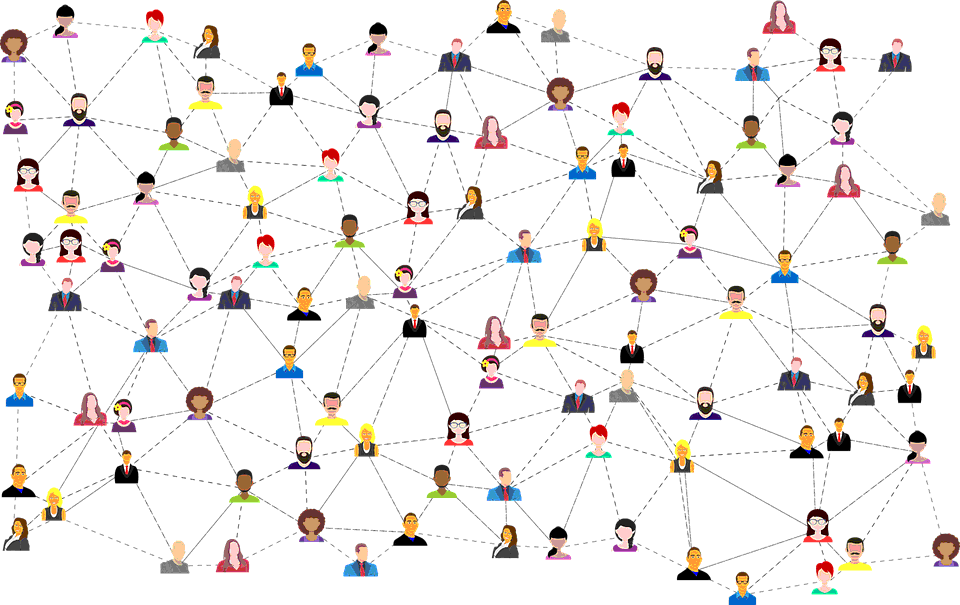
Social media can support academic visibility, professional networking, and career development when used carefully. For students, researchers, and job seekers, platforms such as LinkedIn, ResearchGate, Google Scholar profiles, and X can help present work, follow field-specific discussions, connect with professionals, and stay informed about opportunities.
Used poorly, the same platforms can damage credibility, expose private information, or spread misinformation. The goal is not to be active everywhere, but to build a clear, responsible, and useful online presence.
Table of Content
- Why Social Media Matters for Students and Professionals
- Building Academic Visibility Online
- Using Social Media for Career Growth
- How to Build a Professional Online Brand
- Networking and Collaboration
- Avoiding Common Risks
- Managing Privacy and Digital Footprint
- Practical Tips for Students, Researchers, and Job Seekers
- Tools That Can Support Online Presence
- How Hiring Managers and Academic Reviewers May View Social Media
- Conclusion
Why Social Media Matters for Students and Professionals
Academic and professional growth no longer depends only on conferences, printed portfolios, formal applications, or personal contacts. Online platforms now make it easier to share work, join subject-based conversations, and connect with people beyond one’s immediate institution or workplace.
For students, social media can help with learning communities, academic updates, internships, skill-building resources, and career exploration. For researchers, it can improve the visibility of publications, conference presentations, projects, and collaboration interests. For professionals, it can support networking, portfolio sharing, thought leadership, and job discovery.
A public profile is not a replacement for qualifications, experience, or formal records. However, it can strengthen how others understand a person’s interests, skills, and professional direction.
Building Academic Visibility Online
Students and researchers can use social media to make their academic work easier to discover. This may include sharing research summaries, conference updates, project outcomes, reading lists, or reflections on current developments in their field.
Academic visibility improves when posts are accurate, focused, and understandable. Instead of only posting long technical updates, researchers can explain what their work studies, why it matters, and what questions remain open. Students can share learning projects, presentations, fieldwork experiences, or academic achievements without exaggeration.
Useful platforms may include:
-
LinkedIn for professional profiles, achievements, internships, and networking
-
ResearchGate for research visibility and academic connections
-
Google Scholar profiles for publication and citation tracking
-
X and other discussion platforms for academic conversations, conference updates, and expert communities
-
Personal websites or portfolios for organizing work in one place
Readers interested in student-focused platform use may also find this guide on Leveraging LinkedIn for College Students useful.
Using Social Media for Career Growth
A strong online presence can help job seekers present their skills more clearly. A LinkedIn profile, digital portfolio, or professional page can show projects, certifications, writing samples, presentations, volunteer work, and relevant experience.
For career growth, social media is most useful when it supports real professional activity. This includes following organizations in your field, engaging with thoughtful posts, joining relevant groups, attending virtual events, and contacting professionals respectfully.
Good career-focused use includes:
-
Keeping profile details accurate and updated
-
Writing a clear headline or bio that reflects your field and interests
-
Sharing work samples where appropriate
-
Commenting thoughtfully on industry discussions
-
Asking for guidance politely, without mass messaging
-
Following credible organizations, institutions, and professionals
-
Tracking internships, fellowships, scholarships, and job openings through official pages
For broader networking guidance, see 10 Effective Networking Strategies for Professionals.
How to Build a Professional Online Brand
A professional online brand is the impression created by your public profile, posts, comments, and shared work. It should reflect who you are academically or professionally, without sounding exaggerated or artificial.
Start with a clear profile. Use your real name where appropriate, add a concise bio, include your field of study or work, and link to relevant projects or portfolios. Keep the tone professional and avoid making claims that cannot be supported.
Consistency also matters. A student interested in environmental science, for example, may share field notes, research summaries, event participation, and useful resources related to that field. A marketing graduate may share campaign samples, writing work, analytics projects, or reflections on industry trends.
A professional brand should show growth, not perfection. Sharing learning progress, completed projects, and thoughtful observations can be more credible than trying to appear highly accomplished without evidence.
Networking and Collaboration
Social media can make networking less limited by geography. Students can follow professors, researchers, alumni, industry professionals, and organizations related to their interests. Researchers can find collaborators working on similar topics. Job seekers can connect with professionals who share useful career insights.
Effective networking is based on relevance and respect. Instead of sending generic messages, explain why you are reaching out. Mention a shared interest, a specific project, or a clear question. Keep messages brief and avoid asking for jobs, recommendations, or favors too early.
Collaboration may begin through small interactions: joining a discussion, sharing useful resources, attending an online seminar, or contributing to a project group. Over time, these interactions can lead to mentorship, research cooperation, internships, or professional referrals.
Avoiding Common Risks
Social media can also create problems if used carelessly. Unverified claims, exaggerated achievements, copied content, offensive posts, or poor privacy habits can harm academic and professional credibility.
Common risks include:
-
Sharing misinformation without checking the source
-
Posting confidential academic, workplace, or personal information
-
Overstating skills, roles, or achievements
-
Using copied content without credit
-
Engaging in hostile arguments
-
Falling for fake job offers, phishing links, or suspicious messages
-
Mixing personal and professional content without clear boundaries
Before posting, ask whether the content is accurate, respectful, and relevant to the image you want to build. For digital safety, students may also read Public Wi-Fi and Social Media Safety for Students.
Managing Privacy and Digital Footprint
A digital footprint includes the posts, comments, images, profiles, and public interactions linked to a person online. Even old posts can affect how others perceive a student, researcher, or job applicant.
Review privacy settings regularly. Avoid sharing identification documents, personal addresses, private conversations, unpublished research data, internal workplace information, or sensitive institutional material. Use strong passwords and enable two-factor authentication where available.
It is also useful to search your own name occasionally and check what appears publicly. Remove outdated, misleading, or unnecessary information where possible. A careful digital footprint supports trust and reduces avoidable risk.
Practical Tips for Students, Researchers, and Job Seekers
Use social media with a clear purpose. A student may use it to learn and connect with mentors. A researcher may use it to share publications and find collaborators. A job seeker may use it to present skills and follow opportunities.
A practical approach includes:
-
Choose two or three platforms that match your goals
-
Keep your profile accurate and professional
-
Share original work, learning progress, and useful resources
-
Verify information before reposting
-
Use respectful language in comments and discussions
-
Build connections gradually
-
Separate personal expression from professional presentation where needed
-
Track opportunities through official pages and verified sources
-
Review privacy and security settings often
Students who struggle with distraction may benefit from reading about Social Media Effects on Focus and Study Habits and ways to build a Healthy Relationship with Social Media.
Tools That Can Support Online Presence
Some tools can make professional online activity easier to manage. Scheduling tools may help organize posts, design tools can support simple graphics, and academic alerts can help researchers follow new publications in their field.
Useful tool categories include:
-
Profile platforms: LinkedIn, ResearchGate, Google Scholar profiles
-
Portfolio platforms: personal websites, project pages, writing portfolios
-
Design tools: Canva or similar tools for clean visuals
-
Content planning tools: calendar apps or post schedulers
-
Academic tracking tools: database alerts, journal alerts, and citation alerts
-
Security tools: password managers and two-factor authentication apps
Tools should support the message, not replace substance. A clear profile with honest information is more valuable than frequent posting without purpose.
How Hiring Managers and Academic Reviewers May View Social Media
Employers, scholarship committees, collaborators, and academic contacts may look at public online profiles to understand a person’s interests, communication style, and professional activity. A well-maintained profile can support a formal application by showing projects, skills, and engagement in a field.
At the same time, public posts can raise concerns when they show misinformation, poor judgment, disrespectful behavior, or exaggerated claims. The safest approach is to treat public platforms as professional spaces, even when they also allow personal expression.
Conclusion
Social media can support academic and career growth when used with purpose, accuracy, and caution. It can help students learn, researchers share work, professionals build networks, and job seekers present their skills. Its value comes from credible activity, respectful communication, and consistent learning.
The strongest online presence is not the loudest one. It is accurate, useful, authentic, and aligned with a person’s academic or professional goals.






Comments 0
No comments yet. Be the first to start the conversation.