




Important Things You Can Do After Turning 18
In Nepali society and the legal system, the age of 18 is considered a major milestone—an entry point from “youth” into “adulthood.” According to the Muluki Civil Code, 2074, once you complete 18 years, you are legally regarded as “competent.” This is not just a number. It represents a combination of rights, freedom, and serious responsibilities.
Many young people are not clearly aware of what they are allowed to do and what they should do after turning 18. In this article, we discuss 20 major areas that can help organize a young person’s life legally, financially, and socially.
1. Voter Registration and the Right to Vote
Article 176 and 246 of Nepal’s Constitution guarantee the right to vote to every citizen who has completed 18 years. In a democracy, voting is the most powerful tool.
As soon as you turn 18, you should go to the local office of the Election Commission or a designated center and register your name in the voter list. This allows you to participate in the process of shaping the nation’s future.
2. Obtaining a Driving License
In Nepal, the minimum age to obtain a driving license is 18 years (21 years for heavy vehicles). This is not only permission to operate a vehicle.
It also tests your sense of responsibility and discipline. By completing the process of the Department of Transport Management and obtaining a license, your mobility and independence gain legal validity.
3. Applying for a Permanent Account Number (PAN)
For young people who want to be economically active, a PAN card is essential. This card, available free of cost from the Inland Revenue Department, connects you to the tax system.
If you are starting freelancing, a small business, or a job, financial transactions without a PAN can become incomplete and illegal.
4. Full Financial Independence and Bank Account Management
Bank accounts opened as a minor must be converted into an “adult account” after you turn 18. You are now eligible to issue cheques with your own signature, fully use mobile banking, and apply for loans.
At this stage, going to the bank and updating your KYC (Know Your Customer) is mandatory.
5. Share Market and Financial Investment (SIP/IPO)
After turning 18, you can invest in Nepal’s capital market based on your own decisions. This is the right time to apply for IPOs through Mero Share or start SIP (Systematic Investment Plan) in mutual funds.
To benefit from “compounding,” developing the habit of investing from an early age is the first step toward financial independence.
6. Right to Enter Legal Contracts and Agreements
Under the Muluki Civil Code, after turning 18 you are eligible to make any legal agreement or contract. You can now sign on your own in land purchase and sale, business partnerships, or rental agreements.
This also makes you legally accountable, so understanding terms before signing any document is essential.
7. Passport Renewal or Issuance
After turning 18, you can obtain a passport with 10 years of validity. This is mandatory for international travel or foreign education. Under the Department of Passports’ latest e-Passport system, keeping your details updated is a wise step for future planning.
8. Entry into Public Service and Government Service
After completing 18 years, you can compete for lower-level positions (for example, Kharidar or equivalent) in Nepal Government civil service (Lok Sewa Aayog), security agencies (army, police), or organized institutions.
This is an excellent opportunity to begin career development.
9. Health Insurance and Responsibility for Your Health
This is the right time to join government-provided health insurance programs or plans offered by private insurance companies. After 18, you can make your own healthcare decisions.
To protect your and your family’s future, it is important to understand the value of insurance.
10. Education Loan and Higher Education Choices
After completing Grade 12, many young people enter universities for higher education. After turning 18, you can move forward with banks for an education loan process. This is a decisive stage to choose a subject based on your interests and market demand.
11. Blood Donation and Social Service
From a medical perspective, a healthy person who is 18 years or older and weighs at least 45 kg is eligible to donate blood. This is a humane act that shows your responsibility toward society.
You can begin this service by visiting the Red Cross or local blood transfusion centers.
12. Employment and Use of Labor Rights
Under the Labor Act, 2074, a person who has completed 18 years is considered an “adult worker.” You can now engage in full-time employment and have the right to receive minimum wage, leave, and benefits of the Social Security Fund (SSF).
This age also provides legal strength to raise your voice against workplace exploitation.
13. Digital Literacy and Compliance with Cyber Law
Being an adult also means being responsible in the online world. Under Nepal’s Electronic Transactions Act, activities carried out on digital platforms can have legal consequences.
After 18, you must remain aware of your social media activities, personal privacy, and cyber security.
14. Organization Registration and Entrepreneurship
If you have a startup idea, after turning 18 you can register your own company or organization. By going to the Department of Industry or the Cottage and Small Industries Office, you can legally begin a business.
You are also eligible for concessional loans from bodies such as the Youth Self-Employment Fund.
15. Solo Travel and Independence
Many hotels and transport services hesitate to serve minors alone due to safety reasons. After turning 18, you are legally free to travel alone, book hotel rooms, and go on domestic or international trips.
This helps develop your confidence and decision-making ability.
16. Commitment to Organ Donation (Voluntary)
In Nepal, there is a legal provision for posthumous organ donation. Conscious citizens aged 18 or above can express their wish and provide consent to donate kidneys, liver, or eyes after death. This can be a high-level humane decision in life.
17. Citizen Complaints and Use of the Right to Information
After turning 18, you are fully capable of requesting details of public works happening in your area or filing a complaint against irregularities.
The practice of requesting information from public bodies using the Right to Information Act helps you become a conscious citizen.
18. Enrollment in the Social Security Fund (SSF)
If you are employed or self-employed, register with the Social Security Fund. This ensures benefits such as pension, gratuity, and accident insurance in the future. Building savings and social security habits from youth is about preparing the foundation for old age.
19. Skill Development and Vocational Training
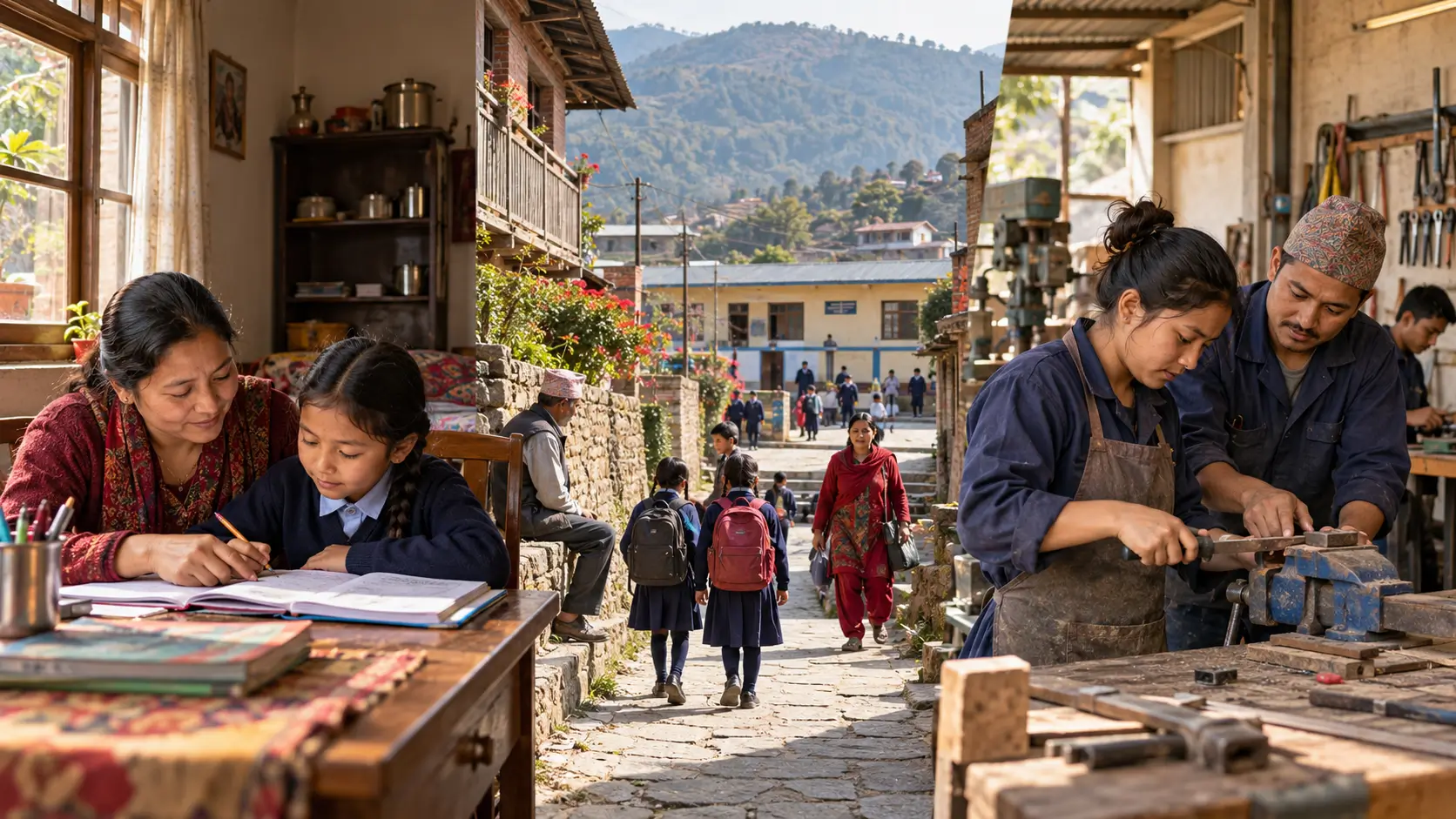
For vocational training offered by CTEVT or other recognized institutions, the age of 18 is considered mature. Beyond limiting yourself to textbook knowledge, learning practical skills such as plumbing, electrical work, graphic designing, or cooking helps you become self-reliant.
20. Building Personal Values and Ethics
Finally, turning 18 is not only about gaining legal rights. It is also about building your character. This is the right time to commit to becoming a useful citizen for society by staying away from drugs, bad company, and unethical activities.
Conclusion
The age of 18 is like a bridge that takes you from dependence toward self-reliance. The 20 points mentioned above establish your legal and social foundation. While doing these things, you should develop the habit of always seeking fact-based information, following expert advice, and complying with prevailing laws.
Being an adult is not only about being independent. It is also about being ready to face the consequences of every decision. Therefore, while exercising your rights, never forget your duties.
Reference Materials
-
Constitution of Nepal (2072)
-
Muluki Civil (Code) Act, 2074
-
Guidelines of the Election Commission, Nepal
-
Labor Act, 2074
-
Notices of the Inland Revenue Department





Comments 0
No comments yet. Be the first to start the conversation.