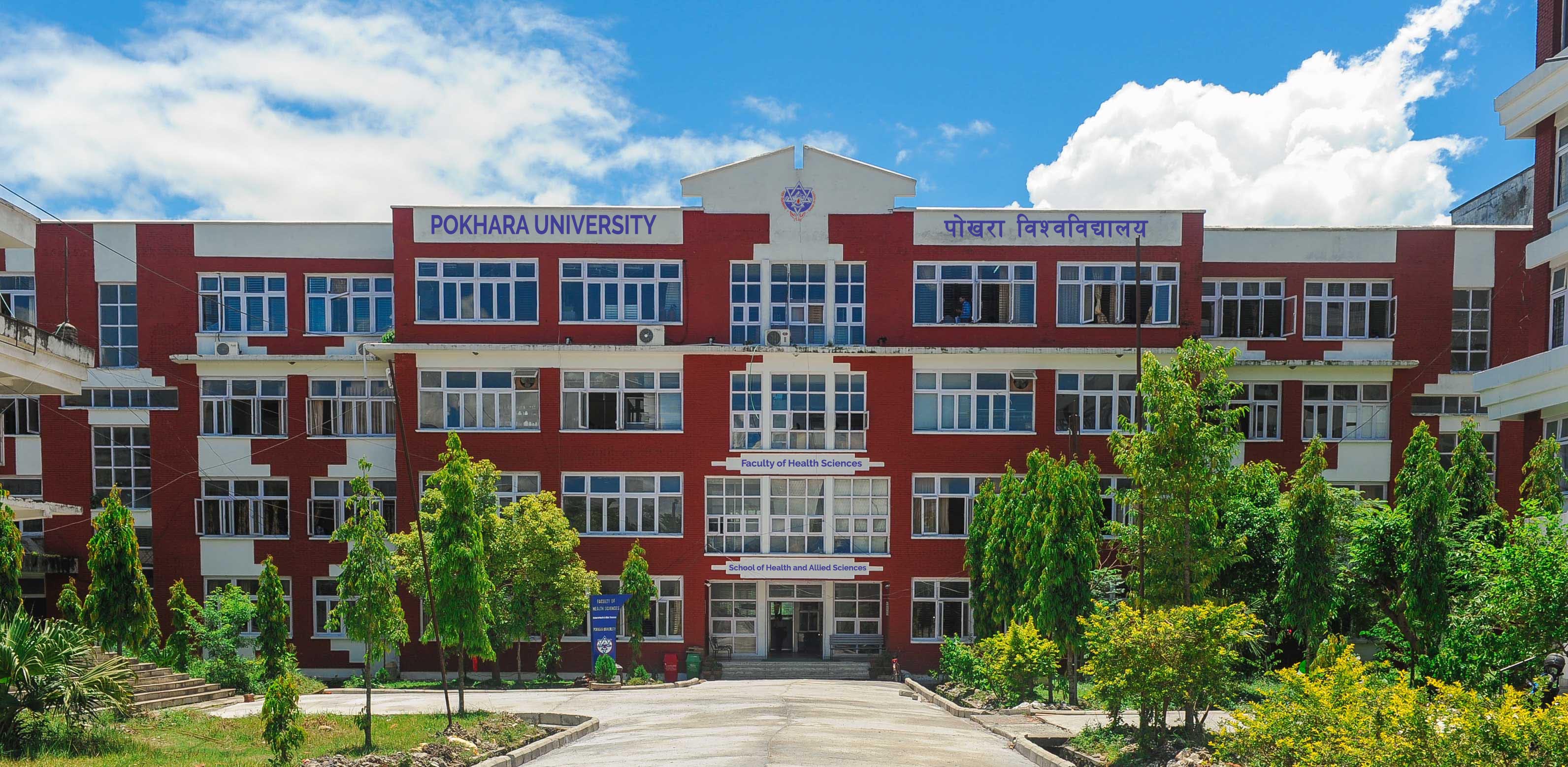
Bachelor of Science in Medical Imaging Technology (B.Sc MIT) is an undergraduate health-science program offered by the Pokhara University School of Health and Allied Sciences under Pokhara University. The program is based at Dhungepatan, Pokhara-30, Kaski.
B.Sc MIT focuses on the scientific principles, equipment, imaging procedures, patient care, and practical techniques involved in medical imaging. Its academic coverage includes radiography, Computed Tomography (CT), Magnetic Resonance Imaging (MRI), ultrasound, nuclear medicine, radiological procedures, image processing, radiation physics, cross-sectional imaging, and quality assurance.
The curriculum progresses through eight semesters. Students begin with basic health sciences and radiation physics, move into radiographic techniques and imaging equipment, and later complete project work, seminars, ethics study, specialized imaging subjects, and a six-month radiology internship.
| Particular | Details |
|---|---|
| Course | Bachelor of Science in Medical Imaging Technology (B.Sc MIT) |
| Level | Undergraduate |
| University | Pokhara University |
| Institution | School of Health and Allied Sciences |
| Location | Dhungepatan, Pokhara-30, Kaski |
| Academic Structure | Eight semesters |
| Final Semester | Six-month Internship in Radiology |
| Listed Intake | 5 seats |
| Entrance | MECEE-BL |
| Selection | Merit based on MEC entrance examination |
| Main Imaging Areas | Radiography, CT, MRI, Ultrasound, Nuclear Medicine |
The five-seat intake is subject to seat determination by the Medical Education Commission and may change from one admission cycle to another.
Medical imaging requires students to understand both the human body and the physical principles behind imaging equipment. For that reason, the first part of the curriculum combines anatomy, physiology, pathology, microbiology, biochemistry, pharmacology, radiation physics, and image processing.
From the third semester, the program becomes more directly focused on radiography. Students study radiography imaging techniques, radiography equipment, radiological cross-sectional anatomy, and related laboratory work. Computers and Information Technology and Basic Public Health are also included.
The later semesters move into radiological procedures, cross-sectional imaging, the physics of medical imaging technology, quality assurance, clinical radiology and pathology, healthcare and radiological management, research methodology, project work, and medical ethics and jurisprudence.
This sequence gives students repeated contact with both scientific subjects and applied imaging work rather than separating theory from practical study.
The B.Sc MIT program is structured around four defined academic objectives:
Build a foundation in the theoretical and practical aspects of medical imaging.
Develop competence in working with medical imaging equipment and procedures.
Develop an understanding of ethical and legal responsibilities in medical imaging.
Support research-oriented work in medical imaging technology.
Patient care and safety are also connected with the program's study of diagnostic and therapeutic imaging departments.
Admission to the first year is open to applicants who meet one of the specified academic routes.
Candidates may apply after:
Passing I.Sc. or 10+2 Science in the Biology group or Physics/Math group, or an equivalent examination; or
Passing a PCL/Diploma Radiography Course from an institution recognized by Pokhara University with at least 50% aggregate marks.
Applicants entering through the PCL/Diploma route are required to have Nepal Health Professional Council (NHPC) registration when appearing for the entrance examination.
Candidates must also clear the Medical Education Commission entrance examination.
Admission to B.Sc MIT falls under the bachelor-level health-professional education admission system of the Medical Education Commission (MEC).
Applicants must sit MECEE-BL and meet the academic eligibility requirements applicable to the program. Admission is based on merit in the MEC entrance examination and the number of seats determined for the admission cycle.
The process includes:
Meeting the academic eligibility criteria
Appearing in MECEE-BL
Qualifying through the MEC entrance system
Merit-based selection within the allocated seats
Completing the required institutional admission formalities
MEC rules also govern matters such as seat allocation, admission procedures, scholarship provisions, applicable fee arrangements, and the admission calendar.
The stated five-seat intake should therefore be treated as a cycle-specific figure rather than a permanent seat capacity.
The program follows an eight-semester curriculum, with laboratory work integrated throughout the first six semesters. Semester VII is centered on project work, seminar, and professional ethics, while Semester VIII consists of a six-month radiology internship.
| Semester | Main Subjects and Academic Work | Credits |
|---|---|---|
| I | Anatomy and Physiology I, Microbiology, Pathology, Basic Radiation Physics I, Radiographic Photography and Image Processing I, related labs | 18 |
| II | Anatomy and Physiology II, Biochemistry, Pharmacology, Basic Radiation Physics II, Radiographic Photography and Image Processing II, related labs | 18 |
| III | Radiography Imaging Techniques I, Radiography Equipment I, Radiological Cross-sectional Anatomy, Computers and Information Technology, Basic Public Health, labs | 18 |
| IV | Radiography Imaging Techniques II, Radiography Equipment II, Nuclear Physics and Radiotherapy, Biostatistics, Hospital Practice and Patient Care, labs | 18 |
| V | Radiological Procedures I, Physics of Modern Medical Imaging Technology I, Cross-Sectional Imaging Techniques I, Quality Assurance in Radiology, Research Methodology, labs | 18 |
| VI | Radiological Procedures II, Physics of Modern Medical Imaging Technology II, Cross-Sectional Imaging Techniques II, Clinical Radiology and Pathology, Healthcare and Radiological Management, labs | 18 |
| VII | Project Work, Seminar, Medical Ethics and Jurisprudence | 13 |
| VIII | Six-month Internship in Radiology | 12 |
Laboratory study appears from the beginning of the program rather than being reserved for the final semesters.
The first two semesters include practical work in anatomy and physiology, microbiology, pathology, biochemistry, and pharmacology. Students then move into laboratories connected directly with radiography imaging techniques, cross-sectional anatomy, radiography equipment, hospital practice and patient care, radiological procedures, cross-sectional imaging, and quality assurance.
By Semester VI, the curriculum has already combined foundational science, imaging physics, equipment, radiological procedures, patient care, pathology, and technical laboratory work.
This preparation leads into project work in Semester VII and full-time internship exposure in Semester VIII.
Semester VII changes the emphasis from regular subject-and-lab combinations to independent and professional academic work.
Project Work carries eight credits, making it the largest component of the semester. Students also complete a two-credit Seminar and a three-credit course in Medical Ethics and Jurisprudence.
The inclusion of ethics and jurisprudence is directly connected with one of the stated objectives of B.Sc MIT: ensuring that students understand the ethical and legal aspects associated with medical imaging practice.
Research Methodology is introduced earlier in Semester V, providing academic preparation before the project semester.
The eighth semester consists of an Internship in Radiology lasting six months.
The 12-credit internship covers four specified areas:
General and Emergency Radiography – 4 credits
Radiological Procedures – 3 credits
CT Scan and MRI – 4 credits
Ultrasound – 1 credit
This final-semester structure places students in imaging-related practical work after they have completed the program's main classroom, laboratory, research, and technical subjects.
B.Sc MIT is not confined to conventional radiography. Its academic scope includes several major medical imaging modalities.
Students study principles and techniques connected with:
Radiography
Computed Tomography (CT)
Magnetic Resonance Imaging (MRI)
Ultrasound
Nuclear medicine
The curriculum also includes Nuclear Physics and Radiotherapy, Radiological Cross-sectional Anatomy, Cross-Sectional Imaging Techniques, Clinical Radiology and Pathology, and Quality Assurance in Radiology.
The final internship specifically allocates practical credits to CT and MRI, ultrasound, general and emergency radiography, and radiological procedures.
The curriculum supports development in areas directly connected with medical imaging work, including:
Understanding anatomy in relation to imaging
Applying basic radiation physics
Working with radiography imaging techniques
Understanding radiography equipment
Studying cross-sectional anatomy and imaging
Following hospital practice and patient-care principles
Working with radiological procedures
Understanding quality assurance in radiology
Using research methodology
Examining ethical and legal responsibilities
Gaining supervised exposure through radiology internship activities
These skills are developed progressively through theory, laboratories, project work, and internship rather than through a single practical component.
The program identifies several areas in which graduates may explore professional or academic opportunities.
These include:
Medical imaging technologist
Tutor in academic settings
Health researcher
Application specialist
Radiology-related policy work
Medical imaging marketing
Industrial radiography
Career entry depends on professional requirements, licensing, available positions, individual skills, and the rules applicable to the relevant field. The program does not guarantee employment in any particular role.
B.Sc MIT is a health-professional degree. After completing the academic course, graduates must meet the licensing requirements of the respective professional council before entering professional practice.
This professional stage is separate from completing the Pokhara University degree. Council examination and registration requirements applicable at the time of graduation govern entry into the regulated profession.
The program may suit students whose academic interests combine health science, physics, medical equipment, human anatomy, image-based investigation, and practical hospital work.
Its curriculum is particularly relevant for students comfortable with both scientific study and technical procedures. The course requires engagement with anatomy and pathology as well as radiation physics, imaging equipment, information technology, patient care, research, ethics, and clinical imaging procedures.
Students should also consider the practical commitment involved. The course includes laboratories across multiple semesters, project work, seminars, and a six-month radiology internship.
BSc Medical Imaging Technology is an undergraduate health-science program offered by the School of Health and Allied Sciences, Pokhara University. It covers radiography, CT, MRI, ultrasound, nuclear medicine, imaging equipment, patient care, and related scientific subjects.
The curriculum is organized into eight semesters. Semester VIII consists of a six-month Internship in Radiology.
The listed intake is 5 seats. Seat numbers are subject to determination by MEC and may vary between admission cycles.
Applicants must qualify through the bachelor-level MEC entrance system, MECEE-BL, and selection is based on merit within the available seats.
Yes. Applicants who have passed a PCL/Diploma Radiography Course from institutions recognized by Pokhara University with 50% aggregate marks may apply. PCL/Diploma applicants appearing for the entrance examination should have NHPC registration.
Yes. Semester VIII includes a six-month Internship in Radiology covering general and emergency radiography, radiological procedures, CT and MRI, and ultrasound.